
Others also read

| In the second episode of #AskGlaston Flat Tempering Series, we will talk about the new solution to estimate the stress level in glass – online.

| This first episode is devoted to the white haze phenomenon – one of the most asked about issues in the history of #AskGlaston.
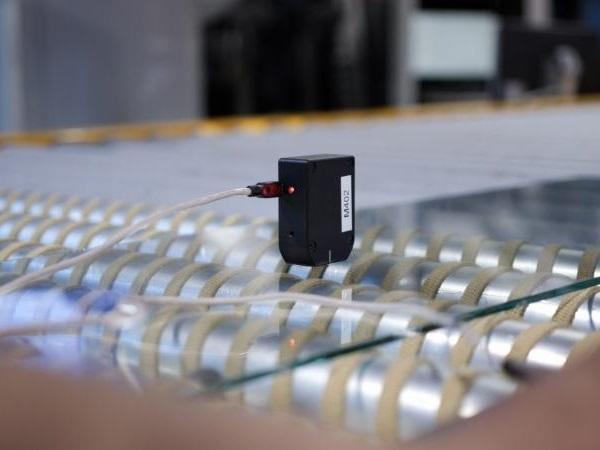
| This latest Glastory blog by Miika Äppelqvist is dealing with the areas of the tempering process that can be improved to make operations more efficient.
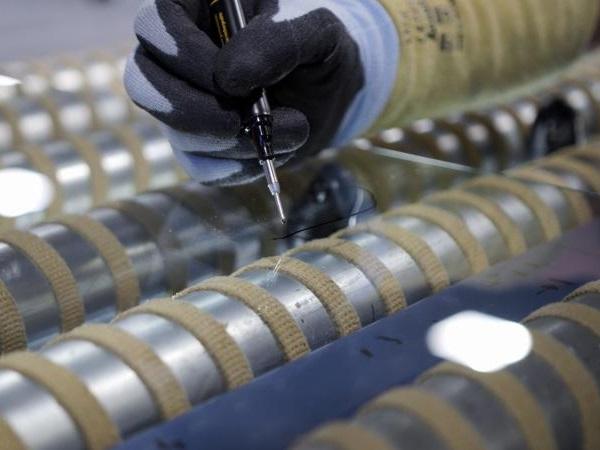
| Industry demand for impeccable glass quality has increased notably over the last years. Customer expectations run high, forcing glass processors to strive for ever-stricter quality control and ensure minimal rejection rates for finished products.
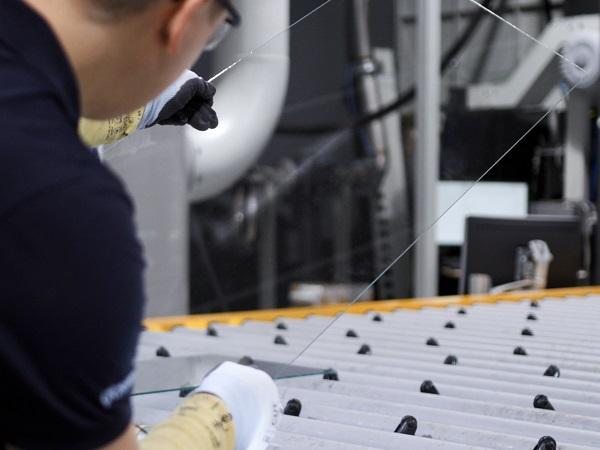
| The most common quality issues that arise in tempered glass are roller waves, glass distortion, bad anisotropy and white haze. In this post, we want to focus on white haze and ways to control it.
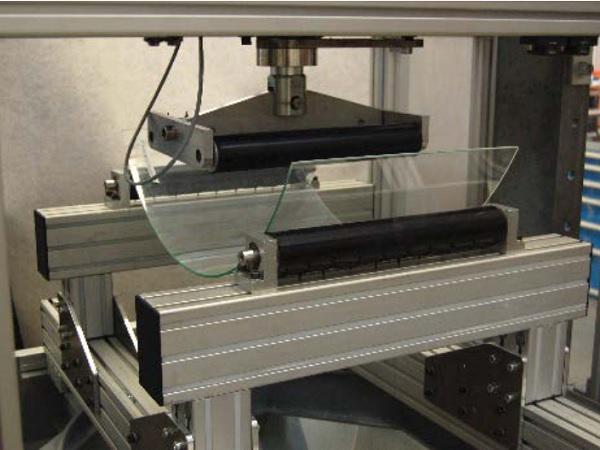
| Research has shown that the general approach to determine the bending strength of thermally curved glass with the aid of the four-point bending test for flat glass according to EN 1288-3 is applicable.
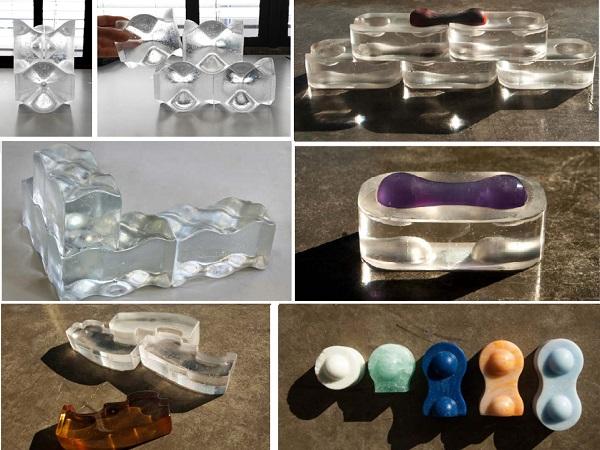
A Novel, Demountable Structural Glass System Out of Dry-Assembly, Interlocking Cast Glass Components
| Combining transparency with a high compressive strength, glass enables us to make diaphanous load-bearing compressive members, from beams and columns to free-standing facades and entire glass structures.
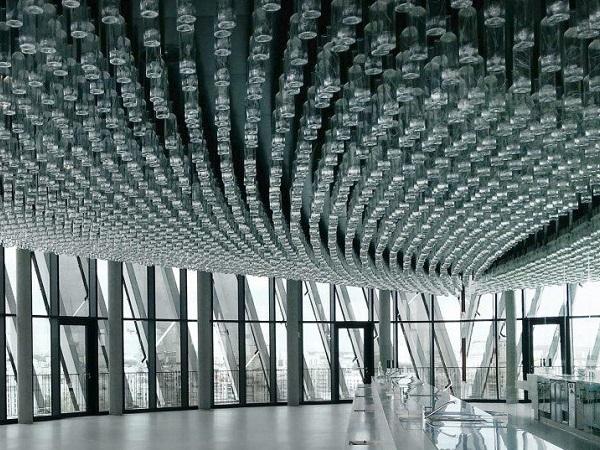
| Glass can form and shape a space, creating transparent architecture that can make you feel closer to the outside world.
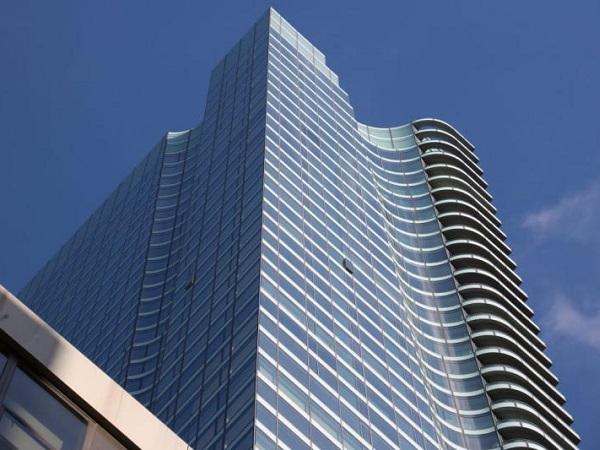
| In 2015, the bold concept of a curvy tower at 252 East 57th Street, New York, was presented to an audience at the Glass Performance Days conference. At that time, building construction was just beginning, and no one was certain such a novel idea could be realized.
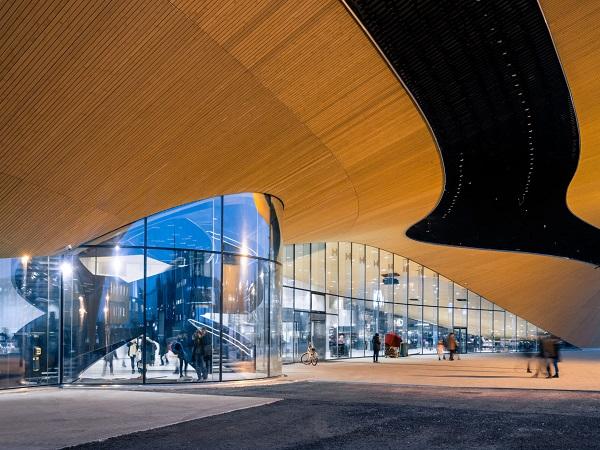
| This poetry in architecture, one of the most advanced structures in the Nordic countries, Oodi Library exalts the very elements of glass, wood and steel that work in balance as a free-standing masterpiece.
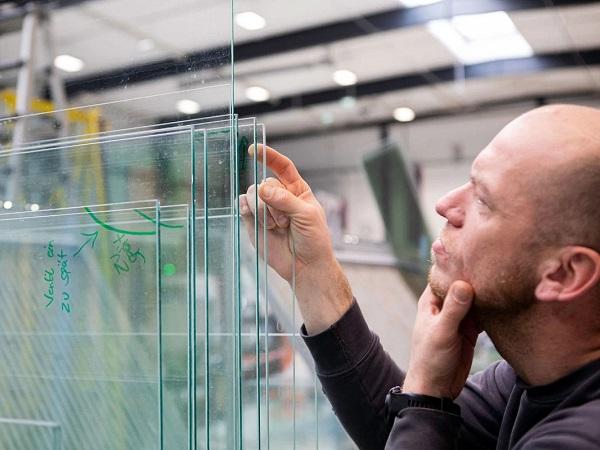
| In glass edge processing, the requirements for the finished components can vary greatly depending on the location and purpose.

| In glass tempering, we look for equipment that uses less energy, leading to fewer emissions. But sometimes, the numbers are too good to be true.
| Global environmental concern is motivating efforts to improve energy efficiency in all industrial sectors. And glass tempering is no exception.

| Glass production is an energy-intensive process by its nature, so even small reductions there can result in considerable savings in energy and costs.
| Full convection, forced convection, focused convection, recirculated convection – the list of terms goes on and on.
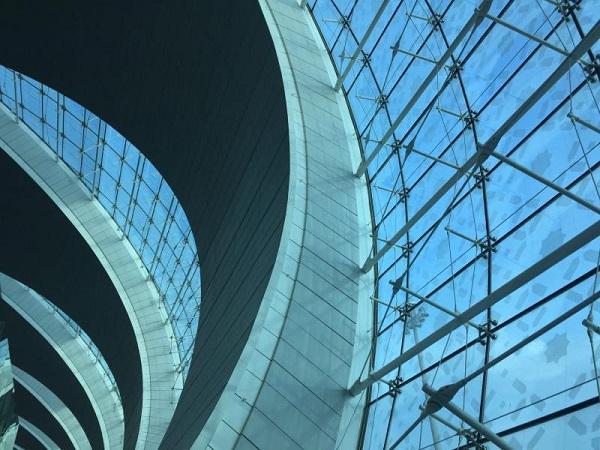
| Bent and tempered glass has long been of great interest to the market. The process of creating high-quality tempered bent glass has evolved over the years.
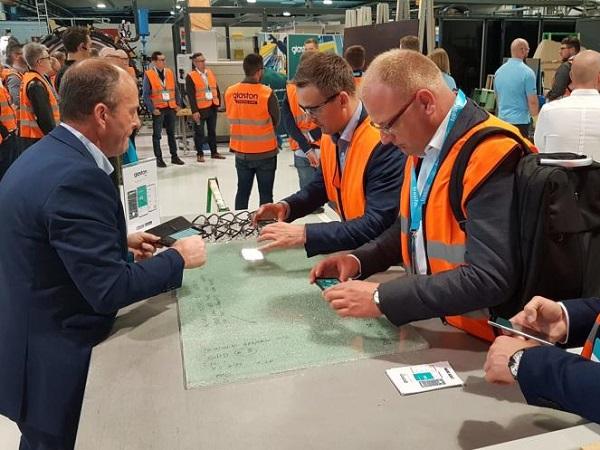
| Do you still spend precious time doing the meticulous task of manually counting glass cullets for a glass fragmentation test? Or maybe your modern counting tool is not exactly the gold standard? If so, we have some good news for you!
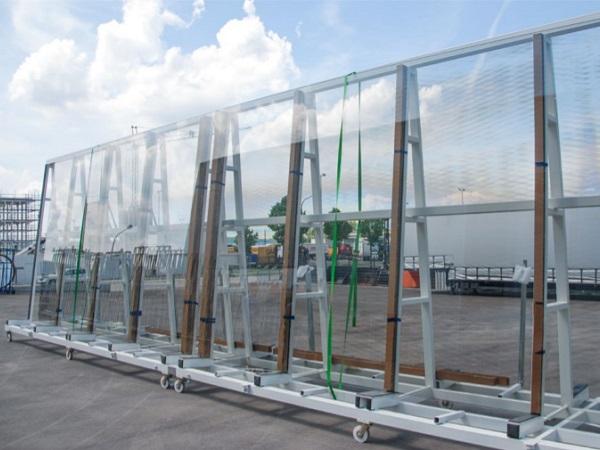
| Irregularities in the glass, which are visible under certain lighting conditions and interfere with the overall impression of a pane – anisotropies – occur when glass is tempered.
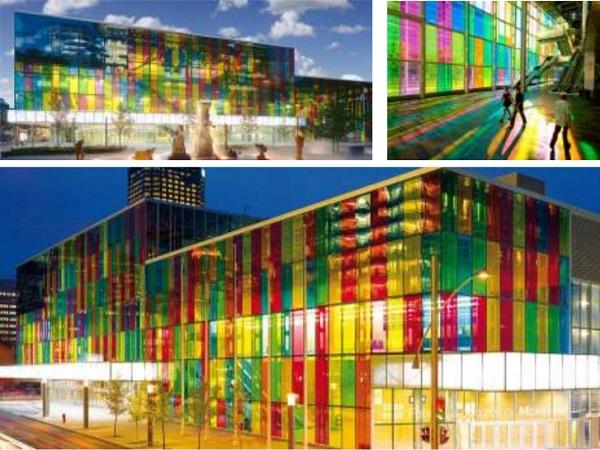
| Research deals with the effect of using color in aesthetic taste of architectural interfaces as one of the most important problems affecting the architectural form.
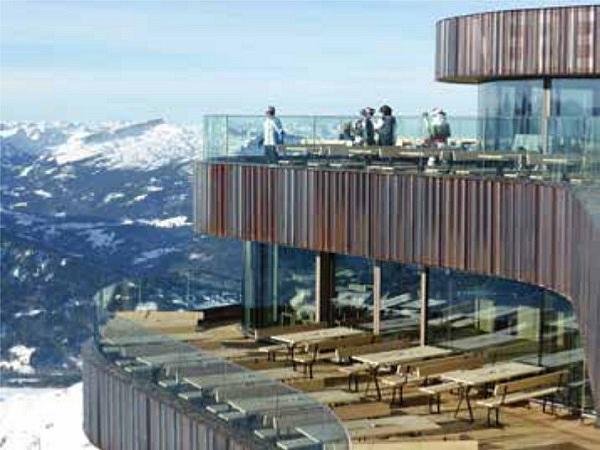
| Constructions at exceptional locations are often challenging but worth one’s while. Extreme boundary conditions and sophisticated demands of the client have to be considered.
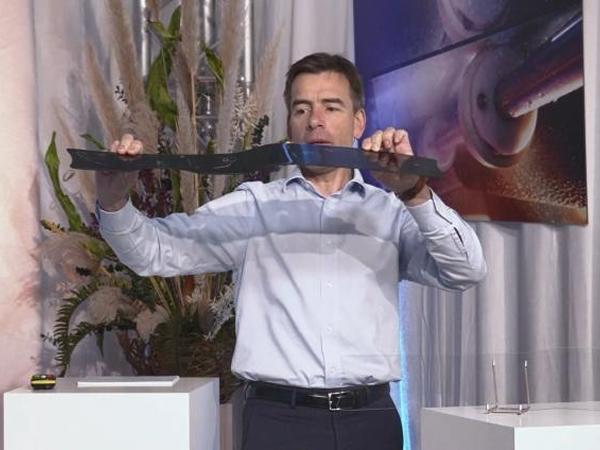
| The latest Glastory post is dealing with the trends in automotive display glass processing.
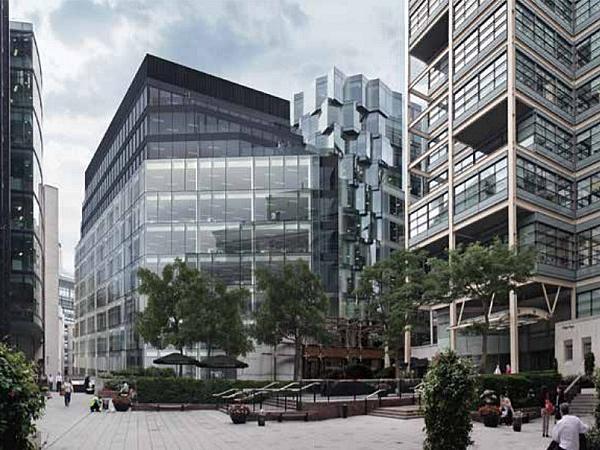
| Unitised Façade System Designed with a Highly Transparent Façade of Low G-value Combined with Blast Requirements
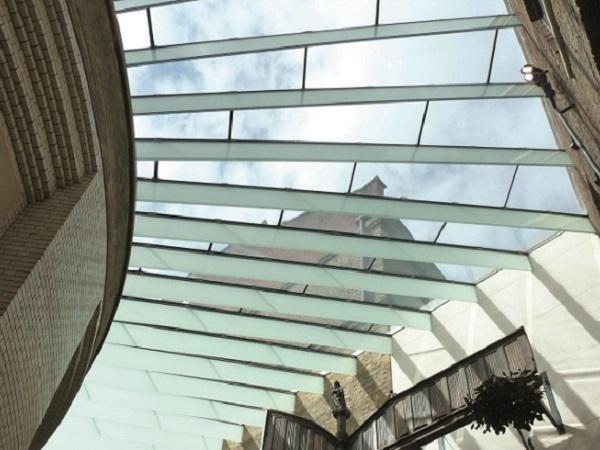
| For years and years research, development and discussions have been made on the safety of glass structures.
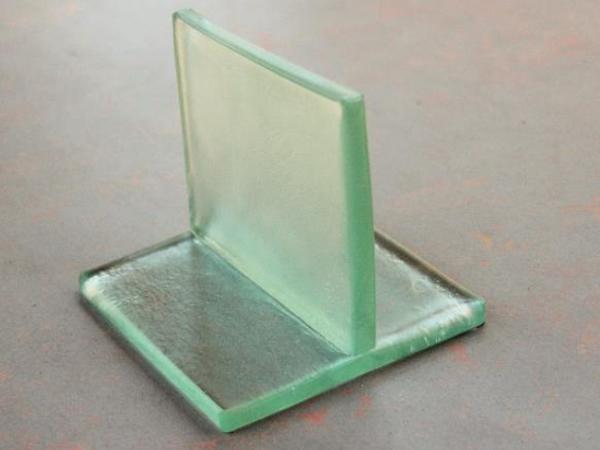
| Connecting glass with heat bonds is a way to create all-transparent glass structures. Two methods have been researched in theory and practice, glass welding, through local heating, and glass fusion through global heating.
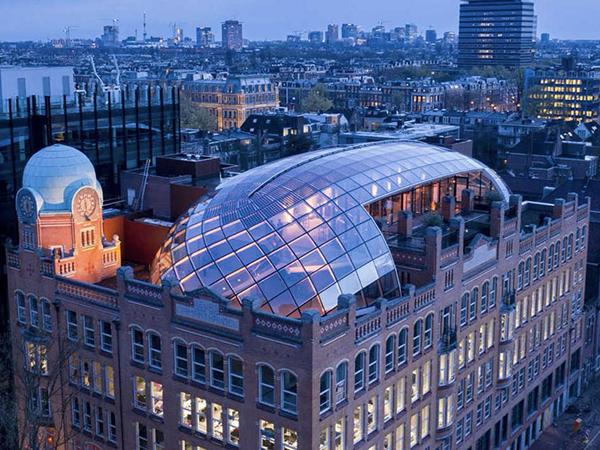
| This paper focuses on the geometric optimization of the free-form gridshell towards planar quad glass units.