
Date: 26 April 2022
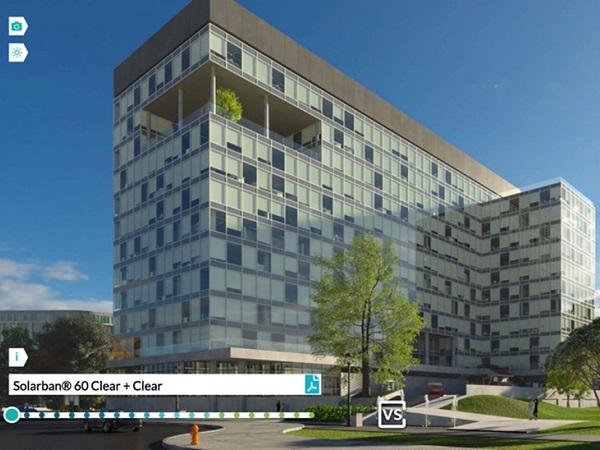
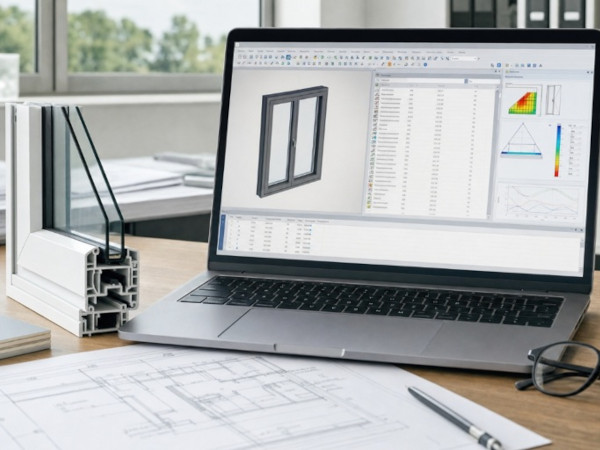
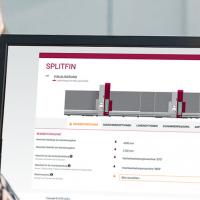
Vitro Architectural Glass (formerly PPG Glass) announced that it has launched VitroSphere™ Digital Glass Simulator, a new virtual tool for visualizing architectural glass, at thevitrosphere.com. Developed for architects, this tool allows users to explore, visualize and compare Vitro’s Solarban® solar control low-e glass products across a range of building types.
VitroSphere™ Digital Glass Simulator enables customers to accurately visualize Solarban® glass products’ color, transparency and reflectance on different types of buildings at various times of day and from both the interior and exterior of the building.
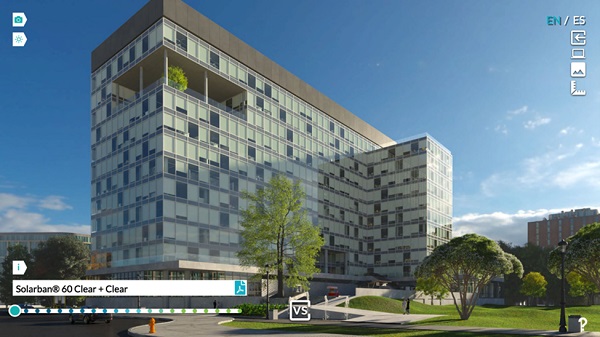
“We hope that VitroSphere™ Digital Glass Simulator will be a useful tool for architects because we know many of them are visual thinkers,” said Martin Bracamonte, vice president, Marketing & Innovation. “Now, with just the click of a button, they can compare facades featuring different Solarban® glass products, and when you can actually see what your product selection looks like on the type of project you’re designing, it’s much easier to choose the product that will fit your aesthetic goals best.”
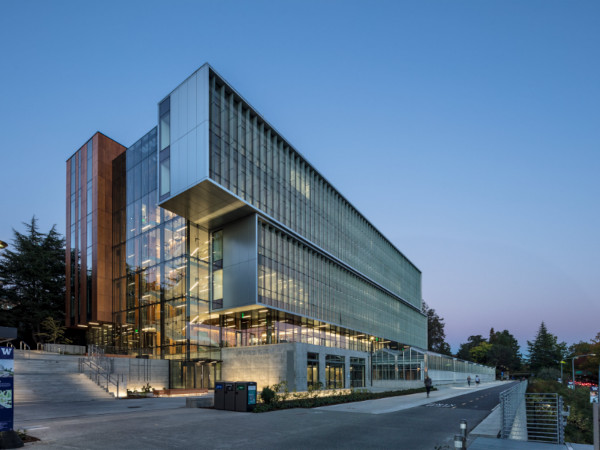
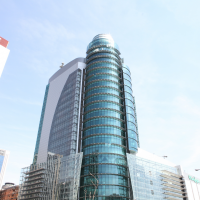
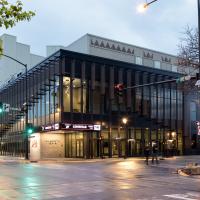
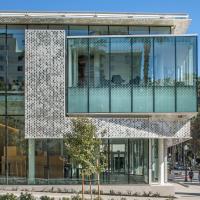
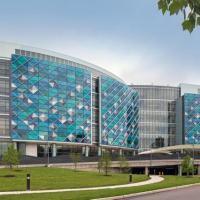
VitroSphere™ Digital Glass Simulator presents renderings of five building facades, from convention centers to offices, hospitals and universities. The tool also allows users to explore what their façade selections may look like with both sunny and overcast weather conditions, which can have a major impact on how a façade is viewed.
VitroSphere™ Digital Glass Simulator also connects users to relevant product data, literature and other Vitro glass design tools on www.vitroglazings.com to help guide product selections and start conversations about which Solarban® glass product will be the best fit for a given project.
The Solarban® solar control, low-emissivity (low-e) glass family of products has been foundational to Vitro Architectural Glass for decades. Low-e glasses were developed to minimize the ultraviolet and infrared light that can pass through glass without compromising the amount of visible light transmitted. A microscopically thin, transparent coating allows low-e glass to reflect exterior heat in warm temperatures and hold in heat during cold temperatures, making buildings light, bright and energy-efficient.
Vitro Architectural Glass offers more than 10 variations of Solarban® glass. In 2021, Vitro introduced Solarban® R77 glass, which offers a crisp, silver-blue transmitted color on the building exterior and provides clear exterior views and soft, natural, neutral daylighting on the interior. Solarban® glasses can be used with Vitro’s low-iron glass substrates, Starphire Ultra-Clear® glass and Acuity™ glass, to optimize clarity and minimize green color hues.
To learn more about VitroSphere™ Digital Glass Simulator, visit thevitrosphere.com.
 600450






Add new comment