
Others also read
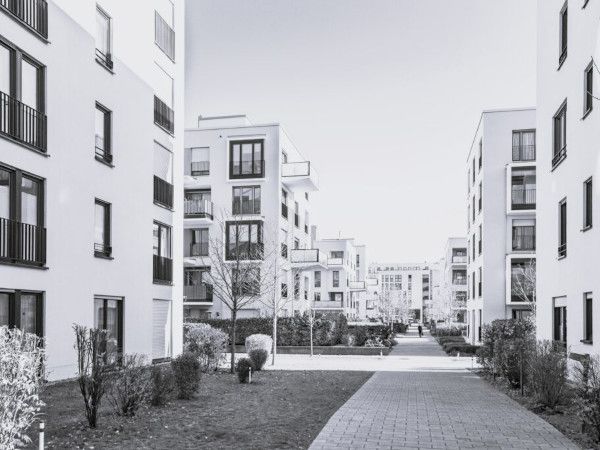
As part of the Affordable Housing Plan, the European Commission announced the Housing Simplification Package in 2027.
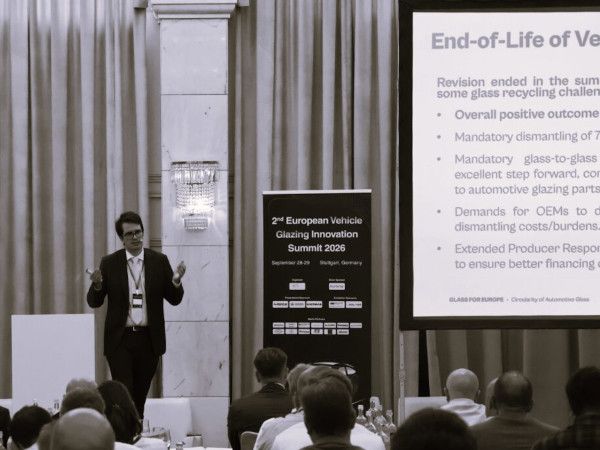
Exploring circularity and innovation across the automotive glass value chain.
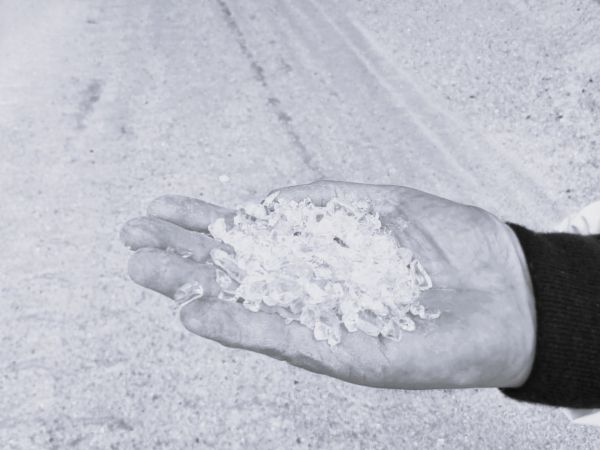
The flat glass industry’s priority is to increase the quality and quantity of crushed flat glass (cullet) that can be recycled.
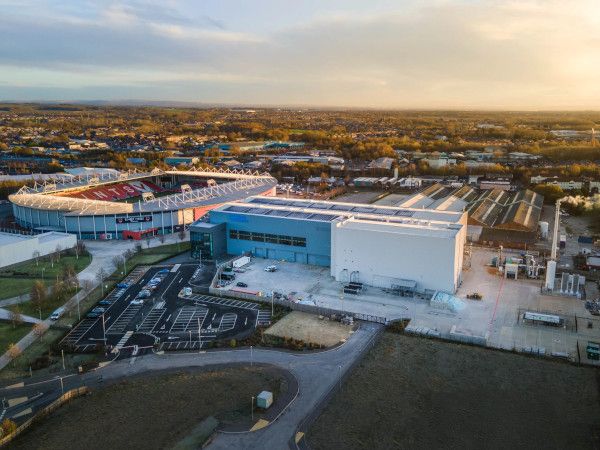
The collaboration aims to move promising technology from the lab towards real-world industrial applications.
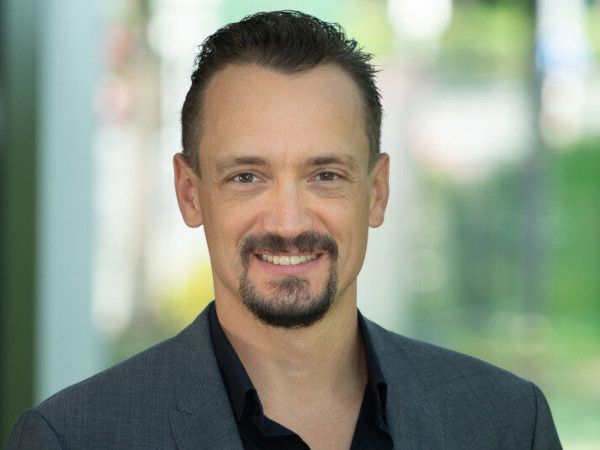
Michael Engelmann from the Institute of Building Structures at TU Dresden is conducting research into adaptive structures made from thin glass.
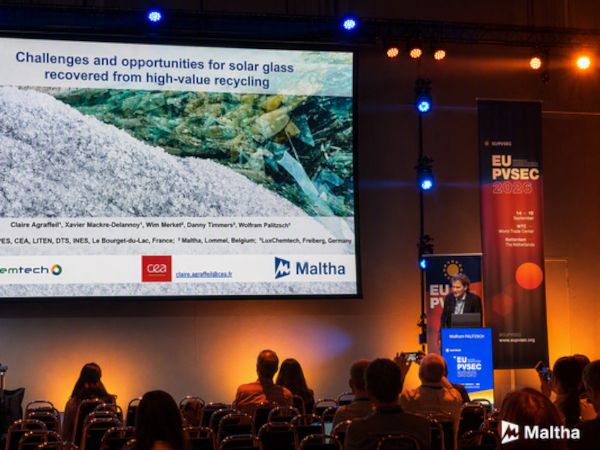
Maltha is advancing high-value solar panel glass recycling, helping turn end-of-life PV panels into valuable raw materials for a more circular glass industry.
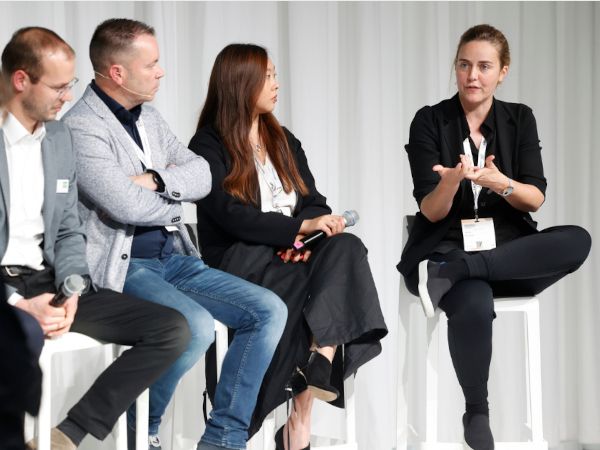
Sophie Pennetier (Digne) spoke about glass recycling in the construction sector at CircuClarity at glasstec in 2024. In this interview she explains why post-consumer glass rarely finds its way back into the cycle and who has to rethink matters first…

Annica Hagen has been appointed Chief Artificial Intelligence Officer (CAIO) and member of the Group Executive Committee, effective September 1, 2026.
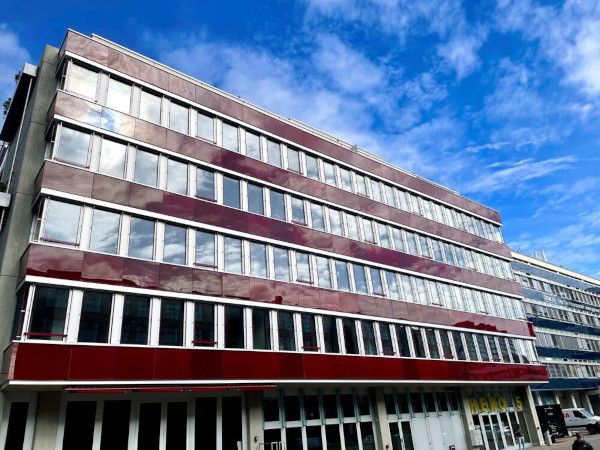

FunGlass is exploring innovative ways to recover hard-to-recycle glass waste, combining advanced processing technologies with glass science to support a more sustainable and circular glass industry.
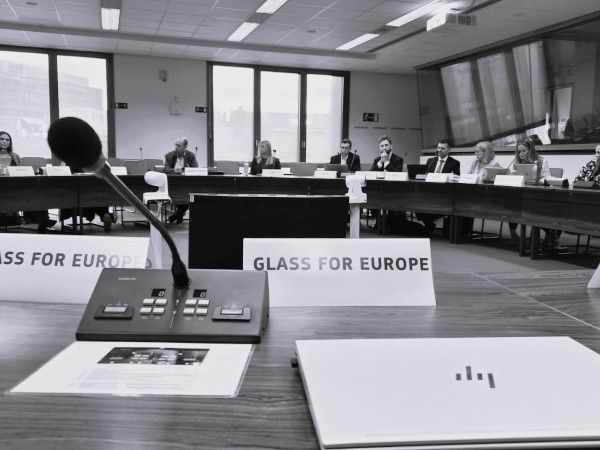
On 8 September 2026, Glass for Europe took part in a roundtable on energy organised by the European Commission’s DG ENER.
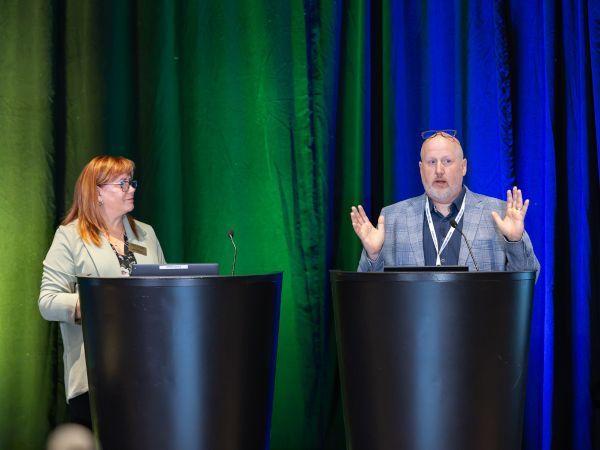
ECCC's Jamie Hulan outlined upcoming ENERGY STAR Canada changes and market transformation strategy at the FGIA Fall Conference.
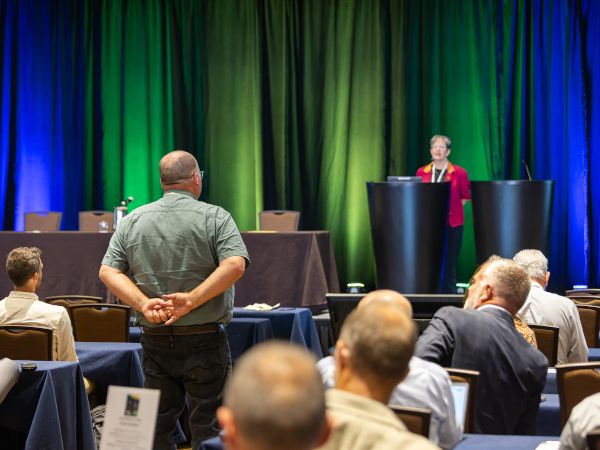
An environmental psychologist reported on the latest lighting research and the impact of lighting on human health during the Fenestration & Glazing Industry Alliance (FGIA) Fall Conference in Calgary, AB.

Two years after CircuClarity One, the initiators take stock: what has really changed in the glass sector and what does it take for good ideas to make a real impact?
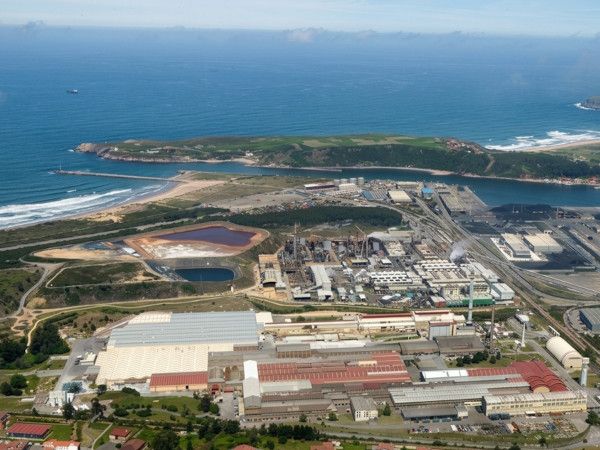
Saint-Gobain and AGC are joining forces to deploy a world-first, large-scale hybrid electric furnace at Saint-Gobain's Avilés plant in Spain, set to cut CO₂ emissions from flat glass production by around 50%.
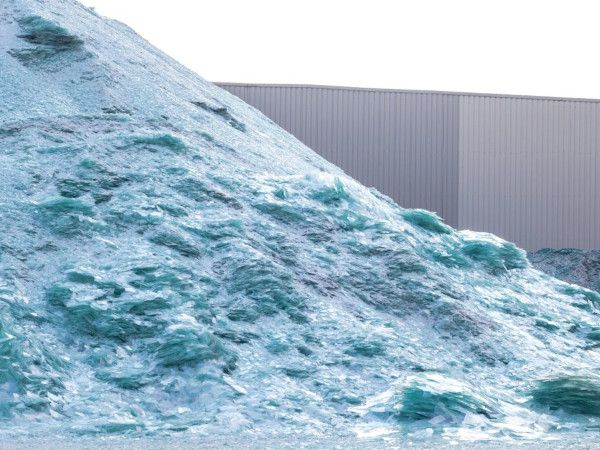
Glass can be recycled indefinitely, and using glass cullet in production reduces the need for virgin raw materials, energy consumption and greenhouse gas emissions.
Saint-Gobain reported a return to growth across all Regions in the first half of 2026, with robust second-quarter momentum, an EBITDA margin of 15.4%, and continued progress on its "Lead & Grow" strategy.
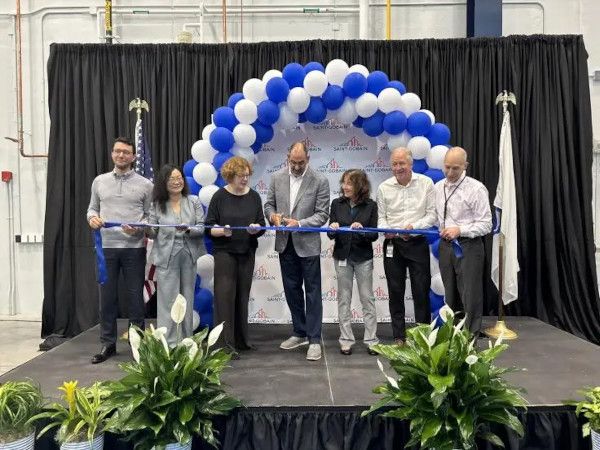
Completion of the new $30 million testing center marks the latest major investment in the region, another milestone in the transformation of the Innovation Hub North America campus.

Saint-Gobain is strengthening its AI leadership by partnering with Microsoft to accelerate sustainable construction, boost productivity, and support the next generation of low-carbon data centers.
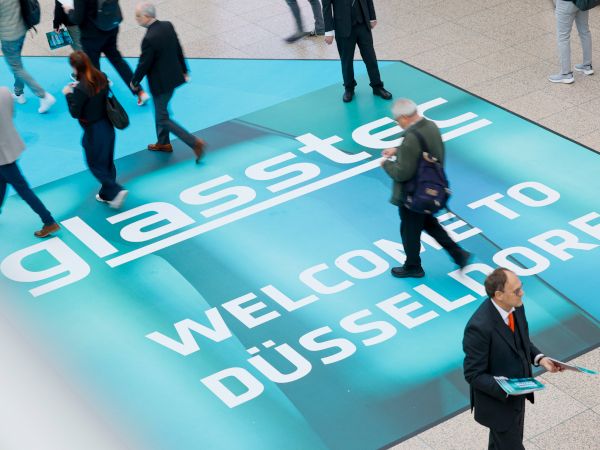
In Düsseldorf international decision-makers will encounter innovations, knowledge and concrete solutions for the glass sector

A new Glass for Europe series examines how national regulations integrate the solar factor in buildings.
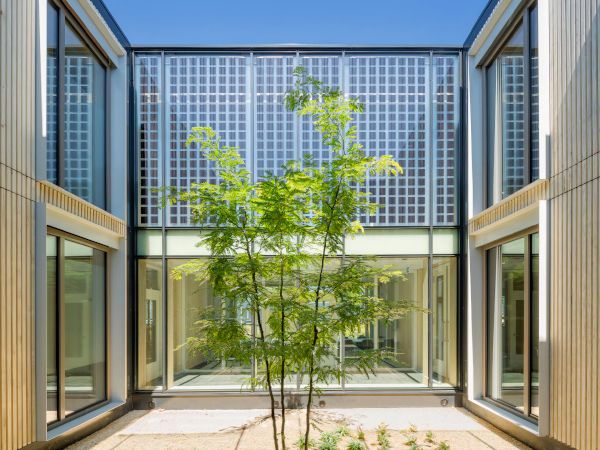
An innovative photovoltaic façade project has been developed in the Netherlands, integrating high-performance glass with 5BB monocrystalline technology.
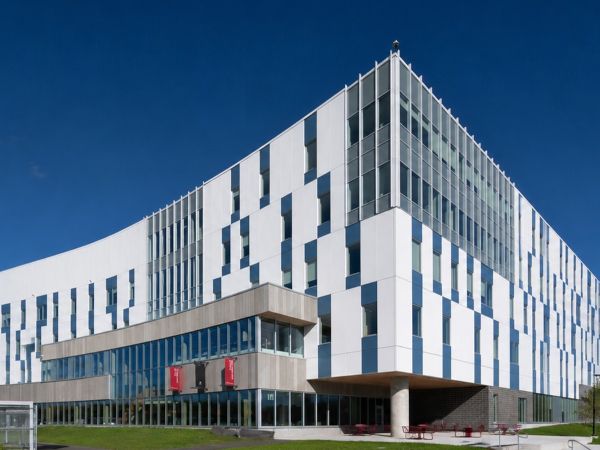
EnduroShield was applied to 2,200 m² of glass at the University of Ottawa Faculty of Health Sciences Building, supporting low-maintenance performance and bird-friendly design goals.
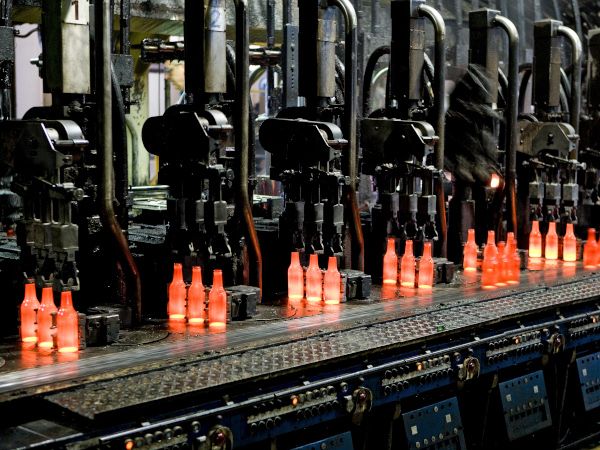
A new roadmap explores how Germany's glass industry can achieve CO₂ neutrality by 2045, outlining the technologies and strategies needed to drive decarbonisation.
NGA calls on representatives from glass fabricators and manufacturers to participate in the PCR guidance development process