
Others also read

On 16 December, the European Commission has adopted its Housing Package with the first ever European Affordable Housing Plan.
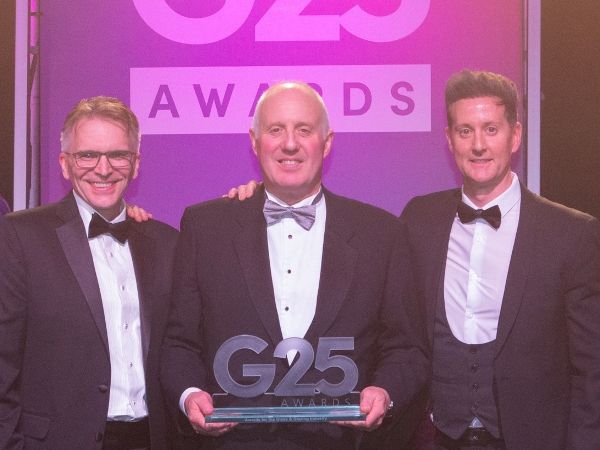
Saint-Gobain Glass has been named winner of the Sustainability Initiative of the Year category at the prestigious G25 Awards, securing the accolade for its pioneering Glass Forever circular economy programme.
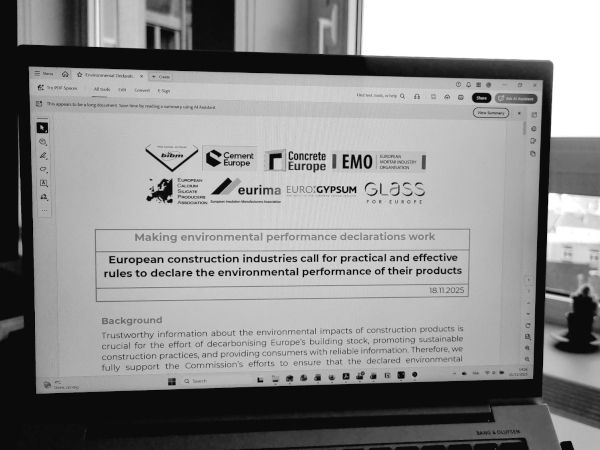
Glass for Europe calls for consistency in environmental declarations under the 2024 Construction Products Regulation.
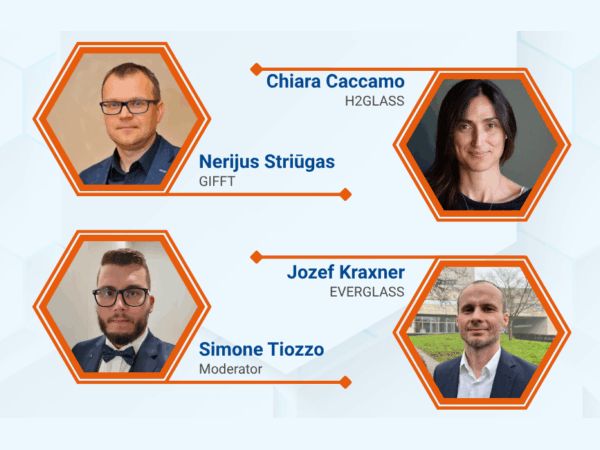
The three EU-funded projects H2GLASS, EVERGLASS & GIFFT invite you to participate in our joint webinar about the decarbonisation of the glass industry.
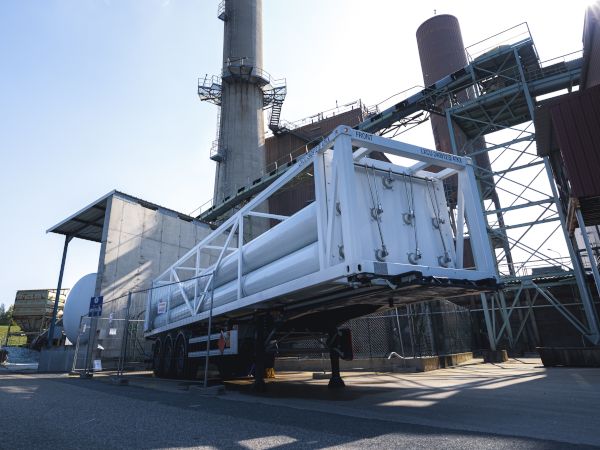
Saint-Gobain Glass is taking a major step toward low-carbon manufacturing with successful trials of locally produced biomethane in flat glass production.
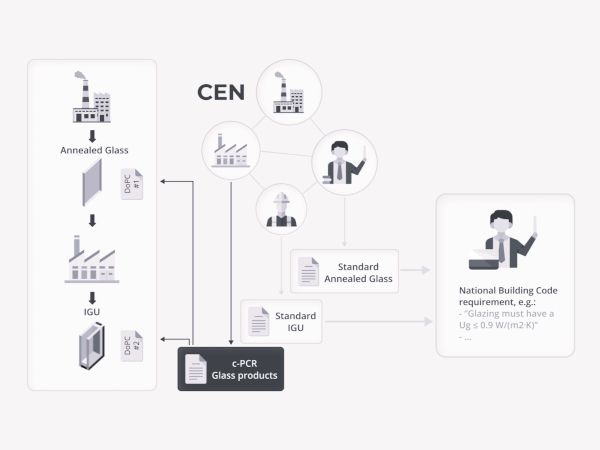
To support stakeholders during the transition to CPR 2024, Glass for Europe has launched a dedicated online resource.
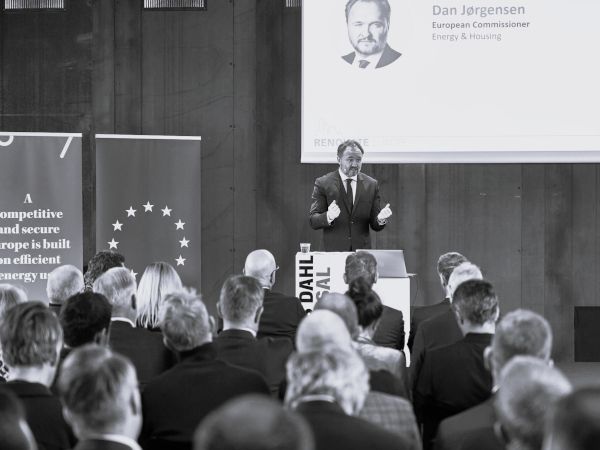
On 3 November, the Renovate Europe campaign – which Glass for Europe contributes to – organised Renovate Europe Day in Copenhagen in presence of the European Commissioner for Energy & Housing, Dan Jørgensen.
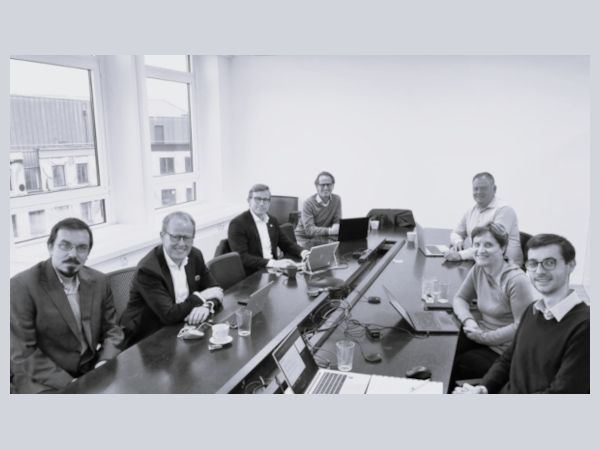
On 28 October, Glass for Europe held its annual meeting with the National Partners Group (NPG), representing national glass and glazing associations across manufacturing, processing, and shaping.
From 19 September to 17 October, the European Commission gathered stakeholders’ feedback on the next steps of the New European Bauhaus (NEB).
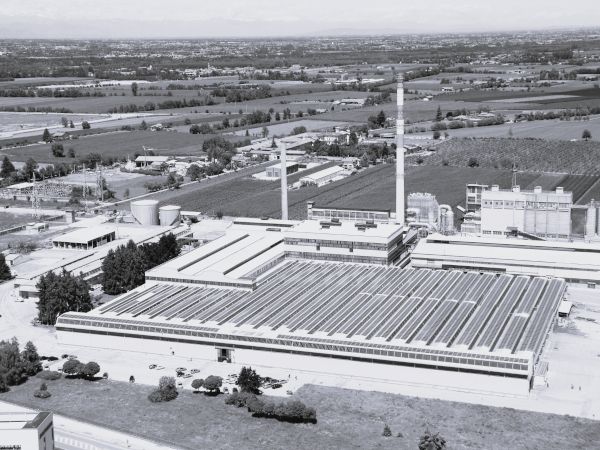
On 9 October, Glass for Europe contributed to two Calls for Evidence on the future ‘Electrification Action Plan’ and ‘Heating and Cooling Strategy’.
After the success of its previous plan (“Grow & Impact”), Saint-Gobain, the worldwide leader in light and sustainable construction, launches its new strategic plan, “Lead & Grow”.
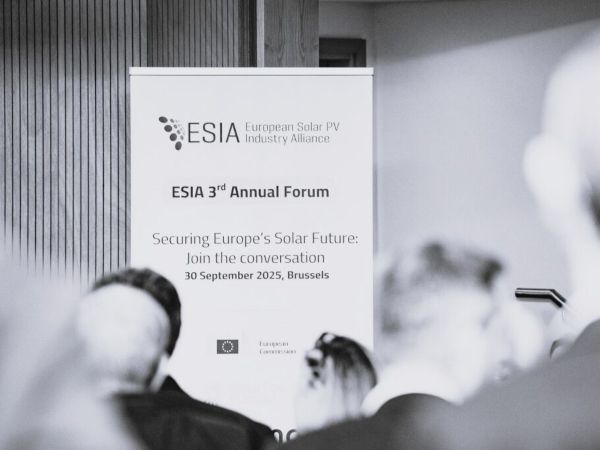
The European Solar PV Industry Alliance (ESIA) held its third annual forum on 30 September, uniting industry leaders and policymakers to advance Europe’s solar manufacturing and strategic autonomy.
Saint-Gobain Glass has been shortlisted for the IOM3 Sustainable Future Awards 2025, recognising its pioneering work in circular economy practices and low-carbon glass innovation.
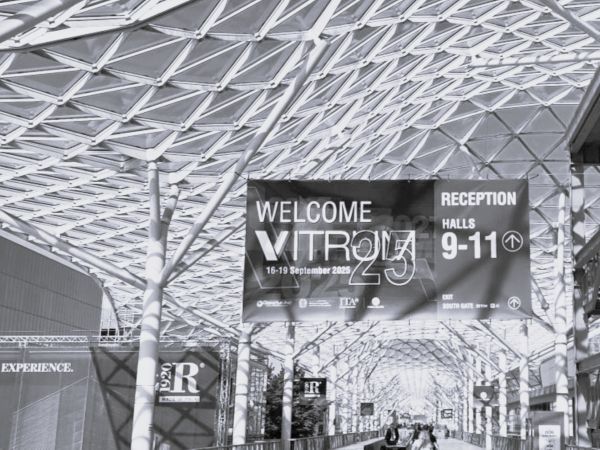
On 17 September, Bertrand Cazes, the Secretary General of Glass for Europe, attended Vitrum25, an event which brought together the international glass and glazing machinery community.
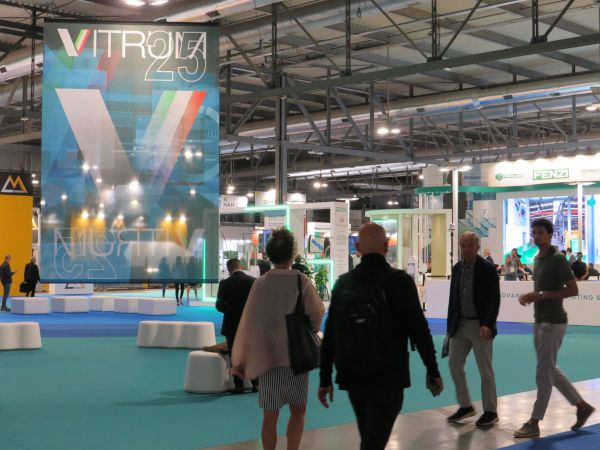
After four dynamic days, Vitrum 2025 concludes in Milan, having brought together the global glass industry to showcase innovation, foster sustainability, and strengthen international collaboration.
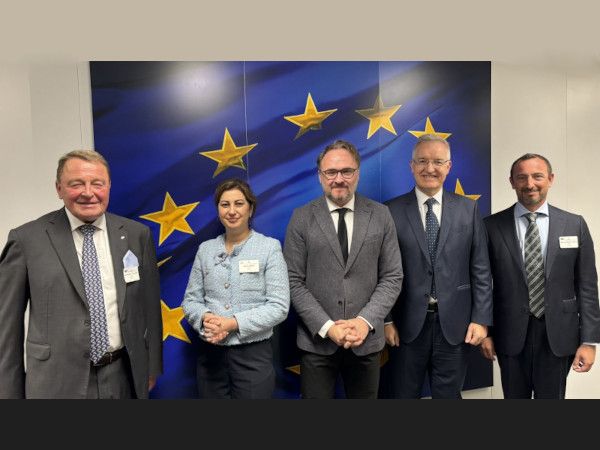
On 18 September, Glass for Europe, held a high-level meeting with European Commissioner for Energy and Housing, Dan Jørgensen.
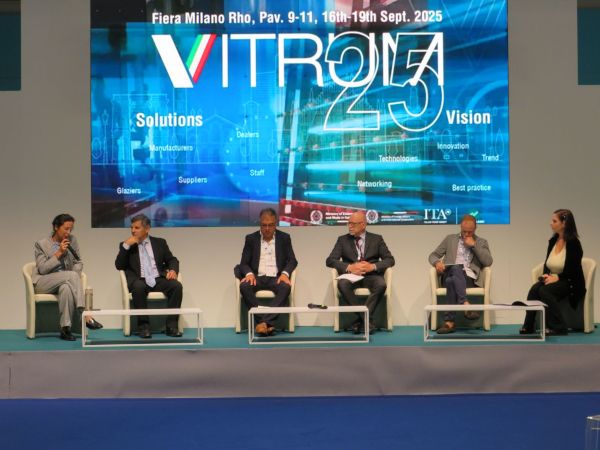
Italian market: a supply chain that worth €6 billion, exporting almost 70% | The global challenges: green transition, AI, and new markets. | More than 200 exhibitors, 30% international

Last week, the European Parliament voted in plenary on the report for the End-of-Life Vehicles Regulation (ELVR). The adopted text mirrors the compromise reached earlier this year in the Parliament’s committees.

On 10 September, Ursula von der Leyen, President of the European Commission, delivered her first State of the Union address of her second term.

Tuesday, September 16 marks the opening of VITRUM25: it's time for a 360° overview of the drivers that will guide the 24th edition of the trade fair: innovation, international, sustainability & expertise.
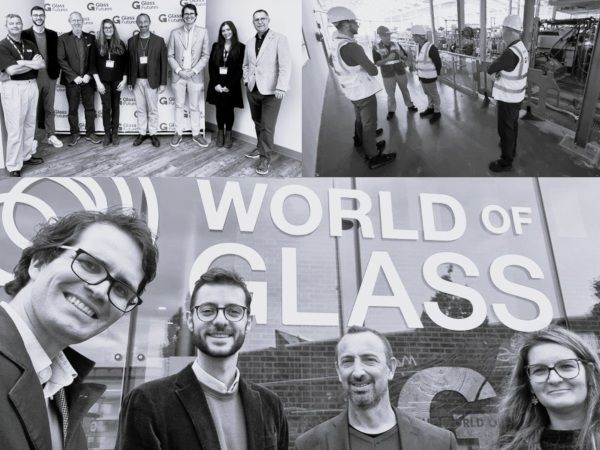
On September 2 and 3, the Glass for Europe secretariat moved out of Brussels to the St Helens region in the UK for inspiring visits and meetings aiming at gearing up for a busy advocacy programme in the coming months.
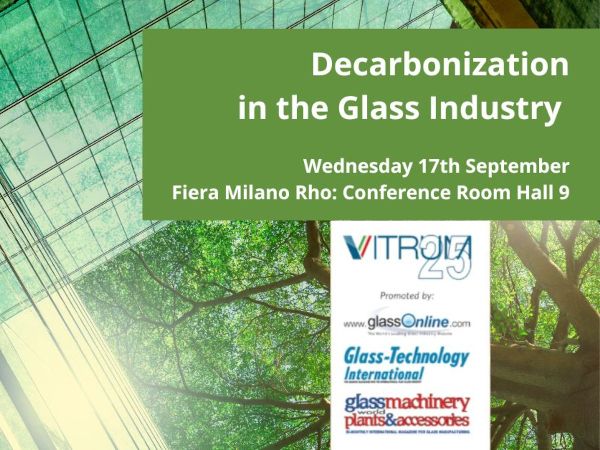
Technologies, innovation and sustainability in the manufacturing of the future
Glass for Europe is proud to launch its newly redesigned website, offering a modern and engaging platform to explore the dynamic world of flat glass in Europe.
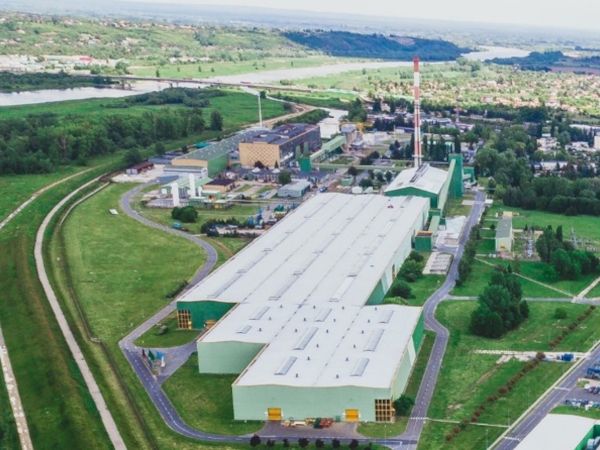
NSG Group is pleased to announce that Pilkington Polska Sp. z o.o., a member of NSG Group, plans to install an advanced architectural glass coating line at its facility in Sandomierz, Poland.
Focusing on Sustainable Future Technologies