
Others also read

Glass for Europe is actively shaping EU policy: the association is preparing key contributions to public consultations on affordable housing, construction strategy, and circular economy legislation.

The implementation of the Digital Product Passport (DPP) for construction products, which is anchored in the revised EU Construction Products Regulation (CPR), is progressing.

Glass for Europe shares its position on the Industrial Decarbonisation Accelerator Act, urging smart, low-burden measures to support flat glass decarbonisation.

Glass for Europe has today replied to the public consultation launched by the European Commission on the upcoming review of the EU ETS.

On 30 June, the European Commission adopted a support package to help Member States implement the new Energy Performance of Buildings Directive (EPBD).

During the last months, Glass for Europe’s Environment experts have been working towards a harmonised definition of recycled content in the flat glass sector.

TVITEC | CRICURSA's latest YearBook goes beyond figures and façades—it reflects the company’s core mission and commitment to a greener built environment.

The EU Council has just adopted its General Approach on the End‑of‑Life Vehicles Regulation, setting mandatory targets to dramatically improve the recovery and recycling of automotive glass.
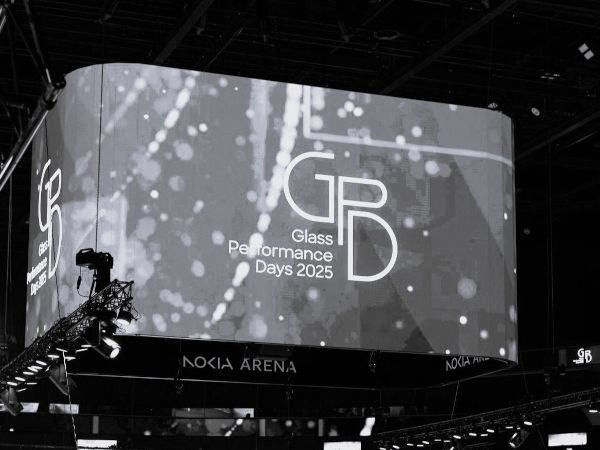
Glass Performance Days 2025 in Tampere saw the Glass for Europe secretariat engage value‑chain representatives and share updates on key Brussels legislation.

Following the publication of the Clean Industrial Deal and in anticipation of upcoming legislation, Glass for Europe has engaged with policymakers to highlight the significant decarbonisation challenges facing the flat glass industry.
Become an exhibitor now and help shape the future
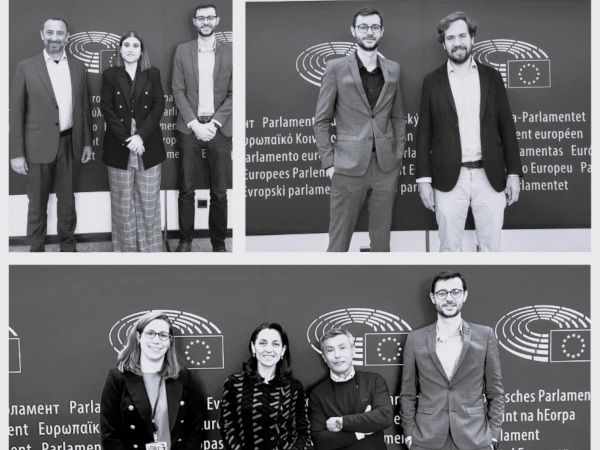
In recent months, Glass for Europe has engaged with key EU policymakers to address the housing crisis, focusing on affordability, sustainability, and energy efficiency.
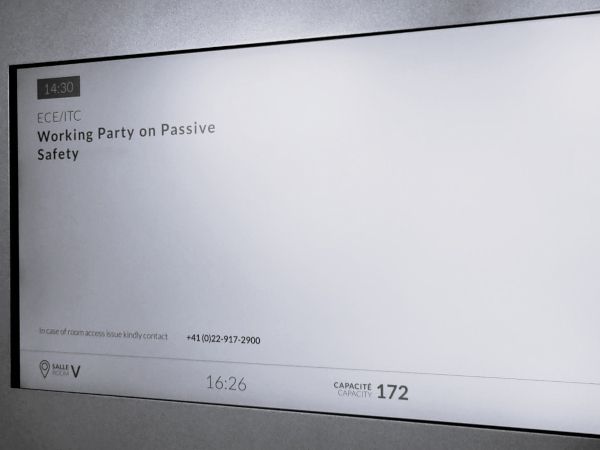
Glass for Europe joined the CLEPA delegation at the 77th session of the UN Working Party on Passive Safety (GRSP) in Geneva to contribute to discussions on headform testing on vehicles under UN Regulation 127.

On Tuesday 13 May, Glass Alliance Europe organised a policy event to explore ways in which the Clean Industrial Deal could better support the decarbonisation and competitiveness of the glass industry.
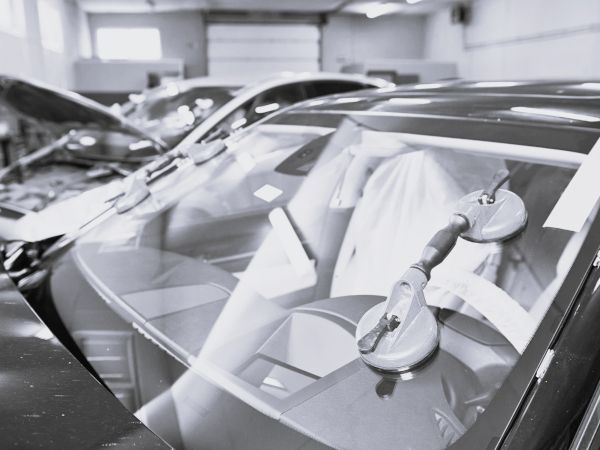
Industry and environmental organisations jointly call for measures to improve recycling in the future End-of-Life Vehicles Regulation

Over the past few weeks, the team at Glass for Europe has engaged in constructive dialogue with the European Commission services.
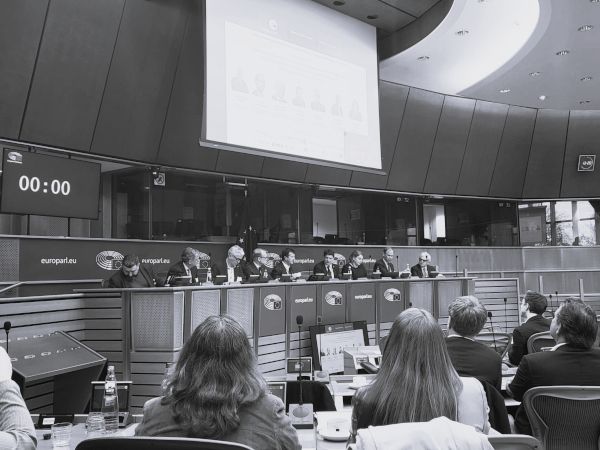
The Parliament’s draft resolution points out the difficulties facing energy intensive sectors, primarily high energy prices and decarbonisation challenges and calls for rapid action on energy prices, permitting, trade defence and carbon leakage.
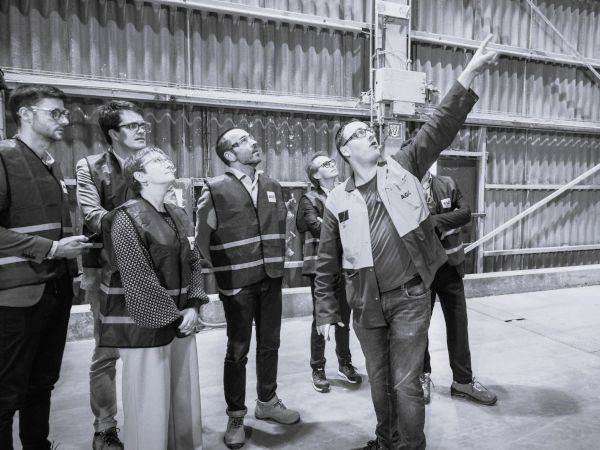
On 24 March, MEP Bruno Tobback (S&D, BE) and his team visited AGC’s float glass plant in Mol. Bruno Tobback was Minister of Environment and Pensions in the Belgian federal government from 2004 until 2007.

On March 12, Glass for Europe Board members met in the association’s new offices in Brussels for their first meeting of the year.
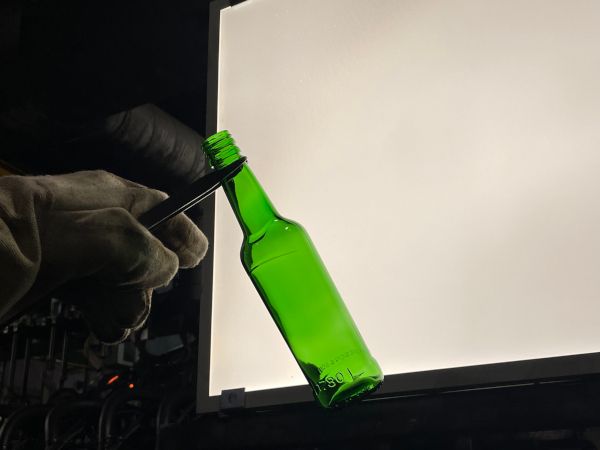
Successful industrial fuel switching trials advance energy efficiency, cut carbon emissions, and support the UK's net-zero transition with sustainable alternatives.

After years of collaboration, Glass for Europe has become an official member of Construction Products Europe in 2025.

The European Commission has launched an Industrial Action Plan to strengthen the automotive sector’s competitiveness, resilience, and sustainability.
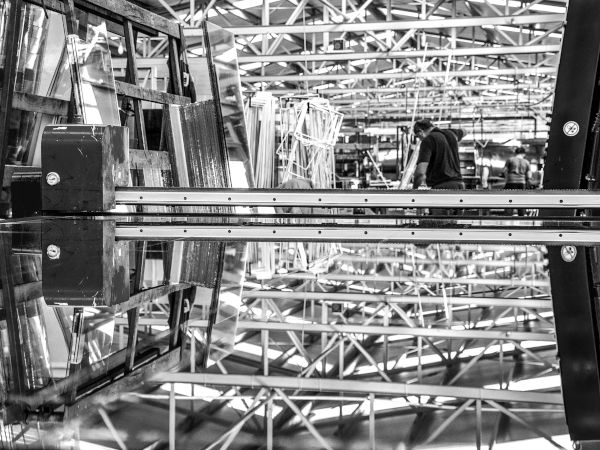
The Clean Industrial Deal and Energy Action Plan, presented on February 26, lack concrete measures to address the flat glass sector's crisis.
In 2025, Glass for Europe is joining a new industry alliance to promote manufacturing investment, innovation, job creation, and economic growth in Europe.

Glass for Europe presents recommendations on the Construction Products Regulation’s new proposed environmental standards.