
Date: 1 October 2024
The aim of the Regulation is to provide a framework to ensure the Union’s access to a secure and sustainable supply of net-zero technologies, including by increasing the manufacturing capacity of net-zero technologies and their supply chains. The scope of the supply chains will be defined in secondary legislation, which will define the main components used in the production of such technologies. Glass for Europe has made proposals to include some key flat glass products.
The NZIA aims to achieve a manufacturing capacity of at least 40% of EU annual deployment needs for the Net-Zero technologies necessary to achieve the Union’s 2030 climate and energy targets. To ensure the whole value chain of these technologies can benefit from the Act, the European Commission has been tasked to draft a delegated act on primarily used components (Art 46.7). In addition, an implementing act defining the main specific components (Art 29.2) will also be published. These main specific components are relevant when assessing the resilience contribution in the ‘access to markets’ chapter.
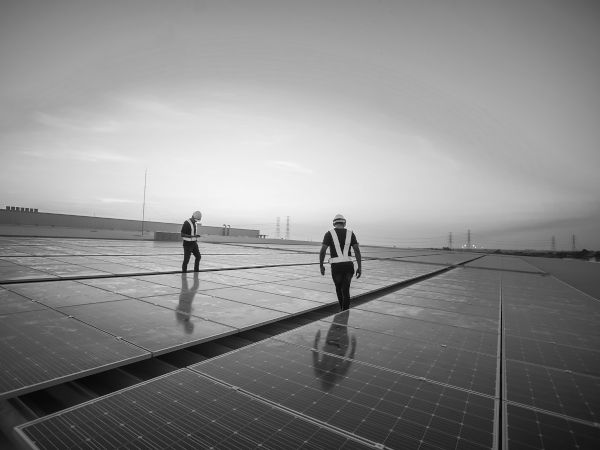
Glass for Europe’s contribution focused on the components which are relevant for solar technologies as well as industrial transformative technologies. For solar technologies, Glass for Europe advocates the inclusion of solar glass used in photovoltaics, solar mirrors used in Concentrated Solar Power (CSP) systems and Building Integrated Photovoltaics (BIPV). All these products are mature, with manufacturing capacities available in the European Union and essential to produce renewable energy in line with the objectives set in the revised EED and EPBD directives and the carbon neutrality objective.
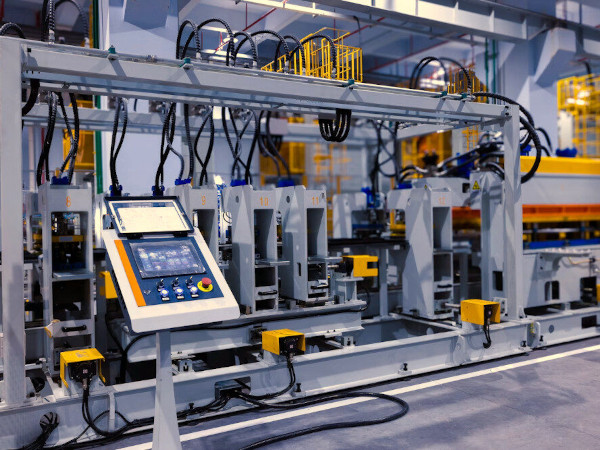
The industrial transformative technologies to be listed in the legislation must contribute to the “scaling up of manufacturing capacity for transformative industrial technologies that are used to significantly and permanently reduce emission rates of CO2-eq of a commercial facility of an energy-intensive business”. In the case of flat glass manufacturing, there are several relevant technologies to decrease emissions. These technologies are needed to enhance the recycling of cullet (waste or broken glass), design hybrid furnaces or make an energy switch .
The ongoing work on the secondary legislation of the NZIA should be finalised by Q2 2025. Glass for Europe will keep on contributing to the work of the European Commission.
 600450











Add new comment