
Others also read
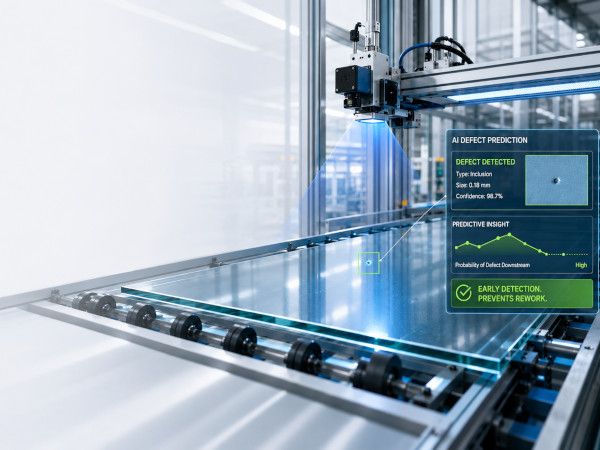
| What if a furnace operator could see a quality issue forming hours before it appeared in the finished glass?

| Ultra-thin center glass is redefining what’s possible for insulating glass units—delivering lighter, thinner, and more energy-efficient glazing solutions for modern buildings.

| Smart glass, simplified. Meet OSSE, Organic Semiconductor Materials for Sustainable Electronics, from the University of Turku.
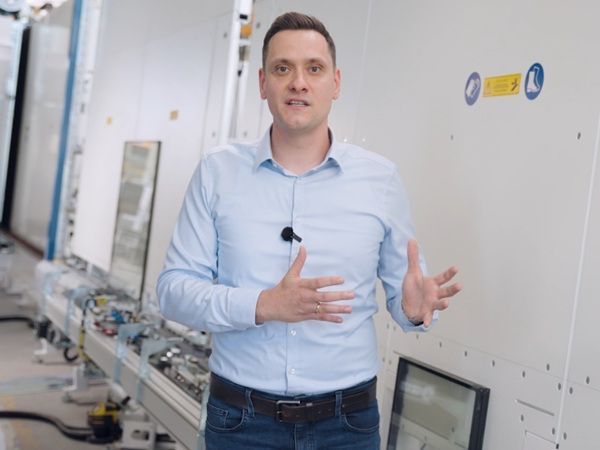
| In this seventh episode, we’re exploring how dynamic mixing enhances sealing quality and speed.

| At Step Change 2025, ReViSalt demonstrated how its innovations are reshaping the future of glass strengthening.
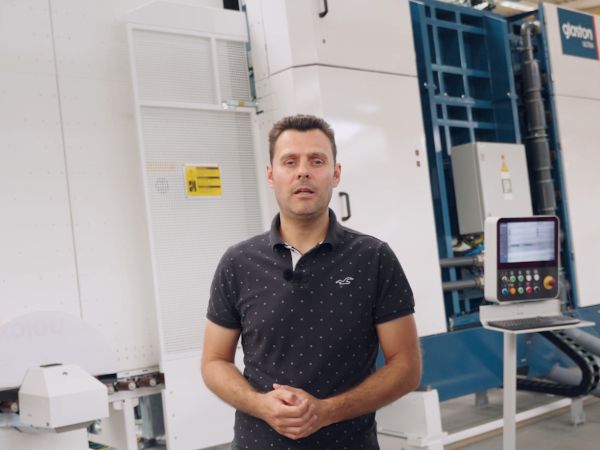
| In this sixth episode, the focus is on how to assemble and gas-fill IG units synchronously.

| Fresh from Step Change 2025, Lithium Designers GmbH, the Frankfurt-based innovators transforming façade planning through parametric design and 3D-printed nodes, shared their insights on how technology is reshaping the future of architectural design.
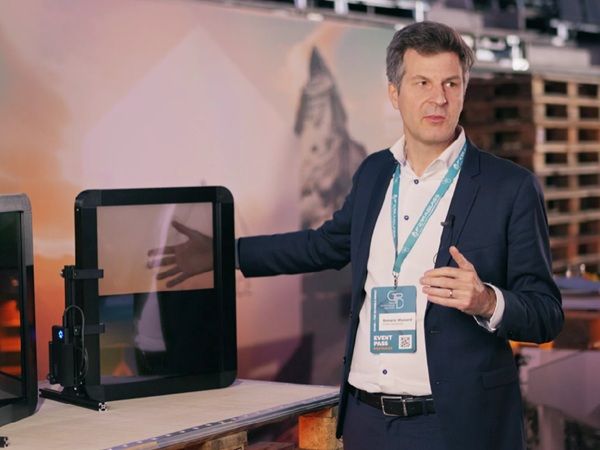
| At Step Change 2025, in connection with Glass Performance Days 2025, eLstar Dynamics wowed us with their smart glass tech that dynamically shifts from ultra-dark (0.1% transparency!) to crystal clear (up to 70%).
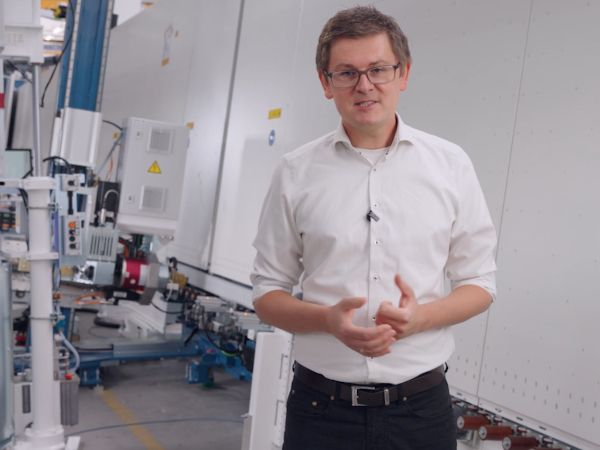
| In this fifth episode, the focus is on how the new TPS® PRO Applicator achieves up to 15% higher yield.
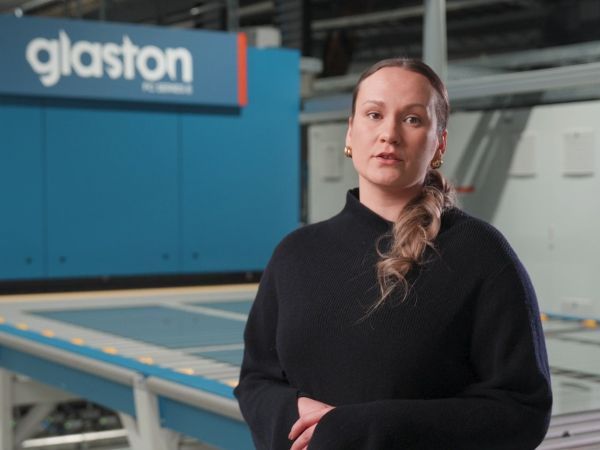
| In this ninth episode of #AskGlaston flat tempering series, we explore how to optimize energy efficiency in the case of short loadings.
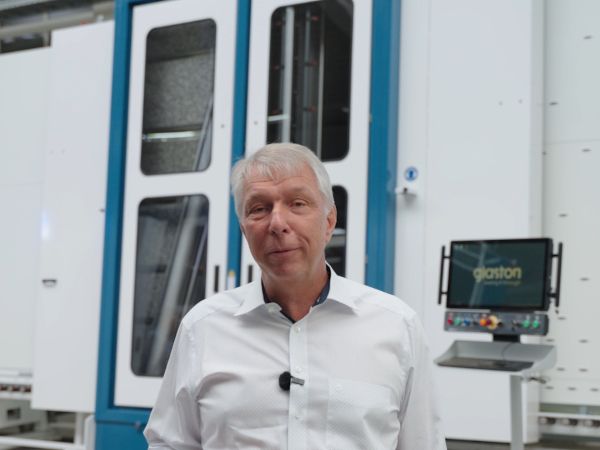
| In this fourth episode, the focus is on how to clean glass plates efficiently.
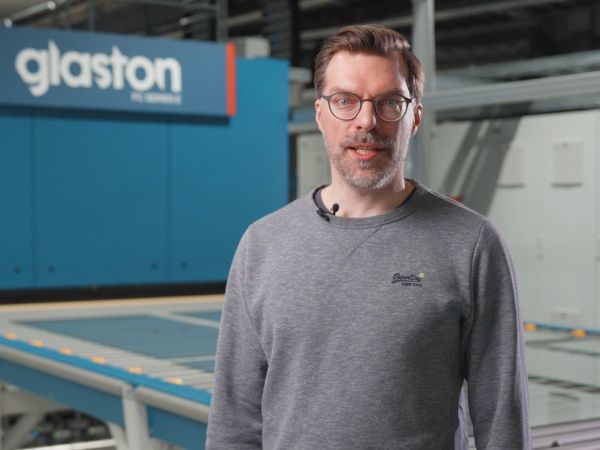
| In this eighth episode, we delve into optimizing energy efficiency in Low-E production.

| How do you move glass plates without a single scratch?
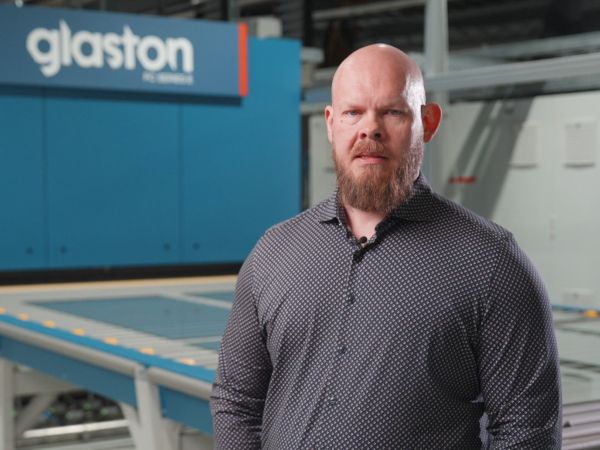
| In the seventh episode of the #AskGlaston flat tempering series, the focus is on the Tempering Autopilot.
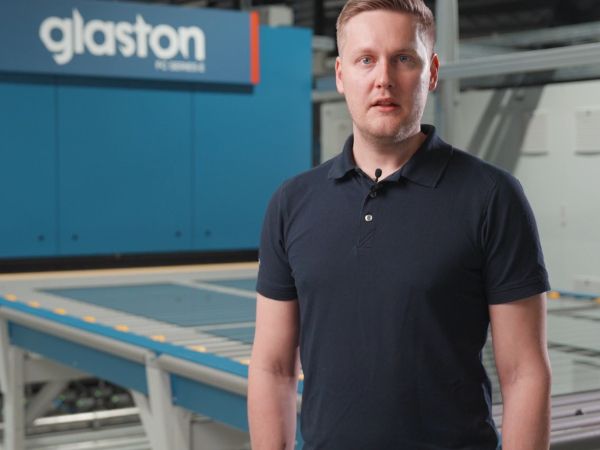
| In this sixth episode of #AskGlaston flat tempering series, we explore how to avoid loading delays in tempering.
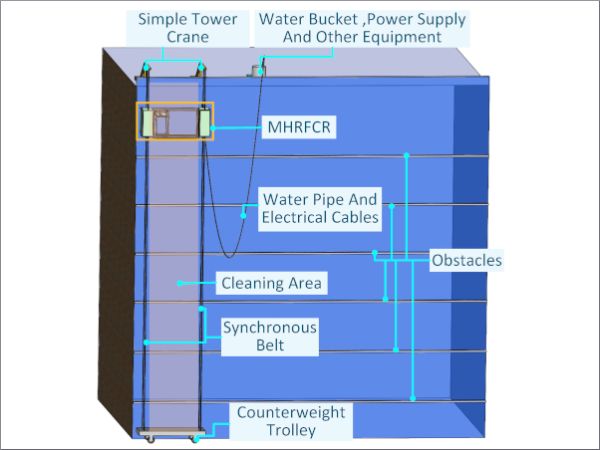
| This paper presents a 3-Degree-of-Freedom Modular High-Rise Façade-Cleaning Robot (3-DOF-MHRFCR), consisting of a lifting module, an XYZ motion module, and a cleaning module.
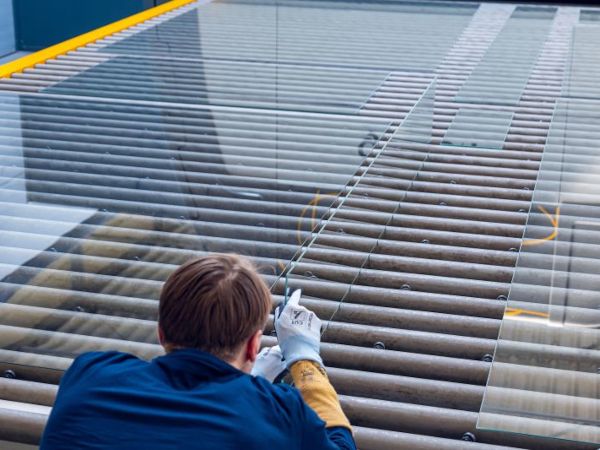
| The latest Glastory blog explores the evolving role of automation in glass processing, highlighting examples of how it is transforming efficiency in the industry.
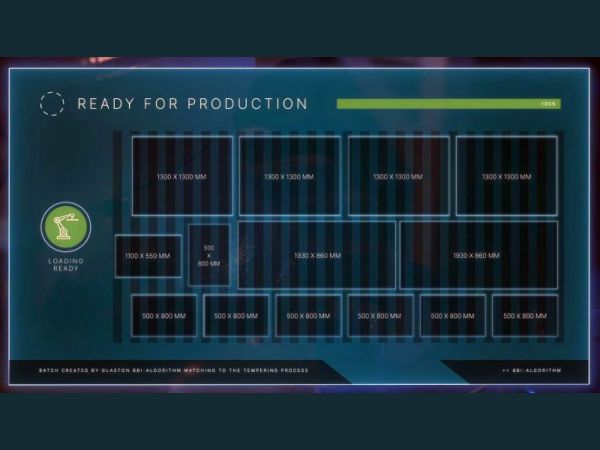
| What glass processes gain the most from automation? In this blog, we’ll focus on some of the particularly promising application areas.
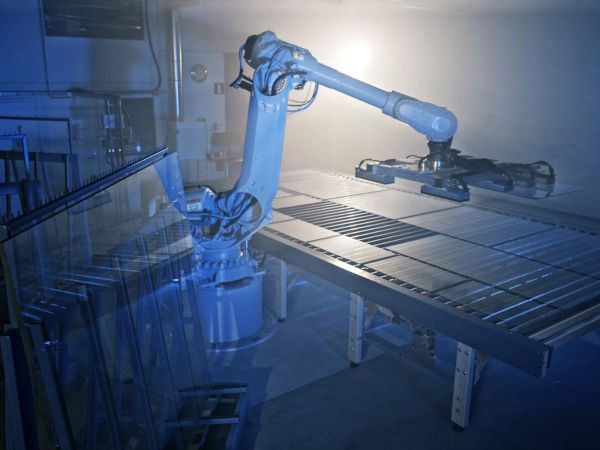
| When finding, training and retaining personnel for routine jobs is a challenge, processing automation offers a game-changing solution.
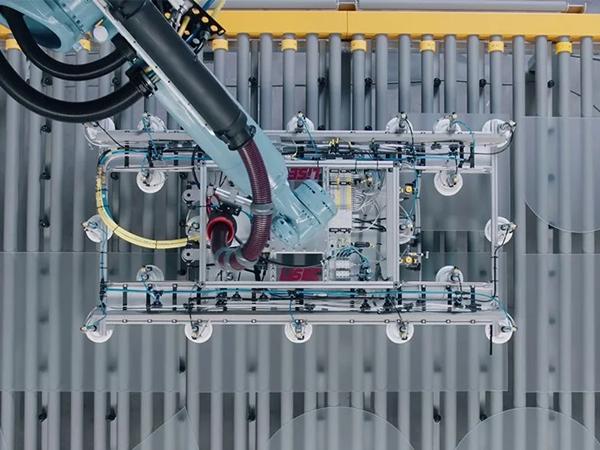
| Robots are finding their way into the flat glass industry, improving not only process reliability but also product quality. But where exactly are they being used and what specific advantages do they offer?
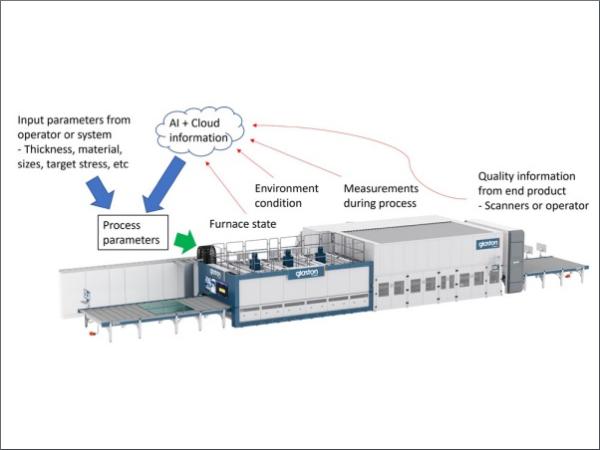
| Glass tempering is a process that can be made in many ways to get tempered glass that meets the standards. The selected way is usually chosen by the operator and is almost always based on experience instead of science.

| What are the real benefits that robotics, the IOT (Internet of Things) and the Automatic machines can bring to glass grinding?
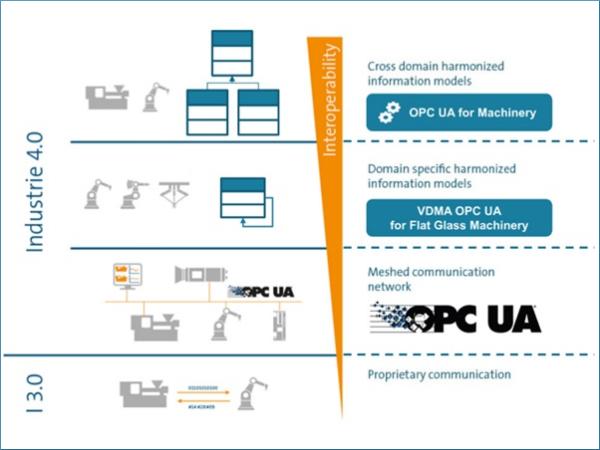
| Digitalization of machines requires standardized language for machine communication – and OPC UA is the perfect choice.

| In the latest Glastory blog post, Antti Aronen analyzes the transformative potential of automated glass tempering.
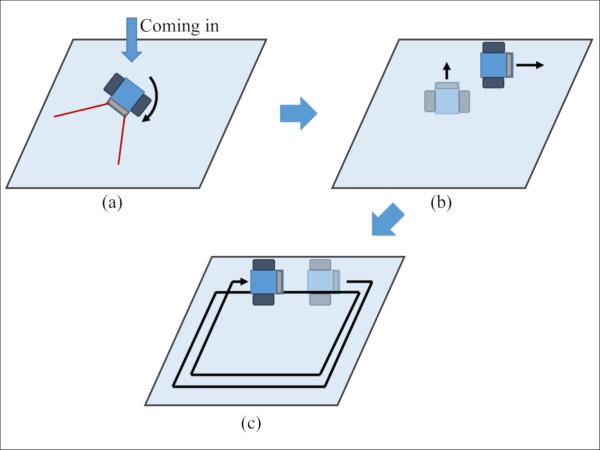
| This paper presents an approach to the estimation of a window shape for increasing the adaptability of glass façade-cleaning robots to different buildings.