
Others also read
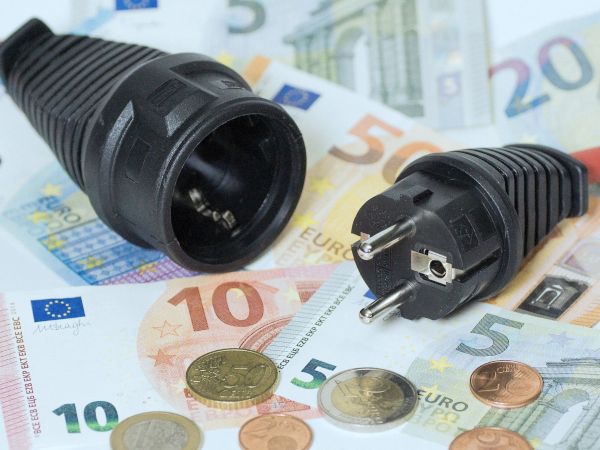
| Modern tempering technologies offer impressive energy efficiencies for glass processors. But, have you ever come across energy-saving claims that seem too good to be true?
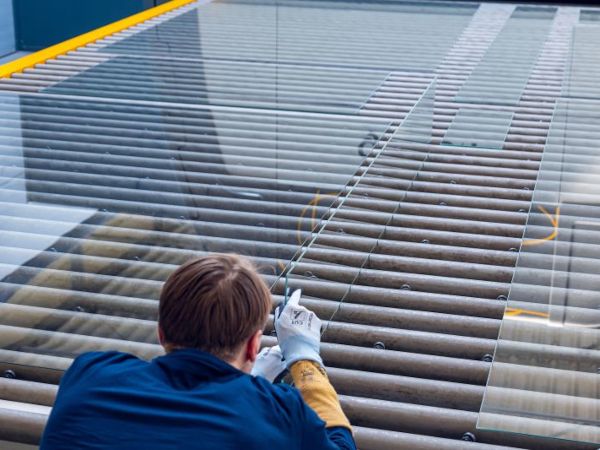
| The latest Glastory blog explores the evolving role of automation in glass processing, highlighting examples of how it is transforming efficiency in the industry.
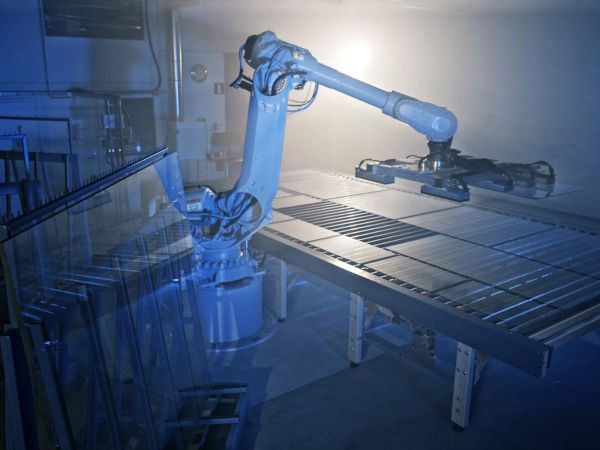
| When finding, training and retaining personnel for routine jobs is a challenge, processing automation offers a game-changing solution.
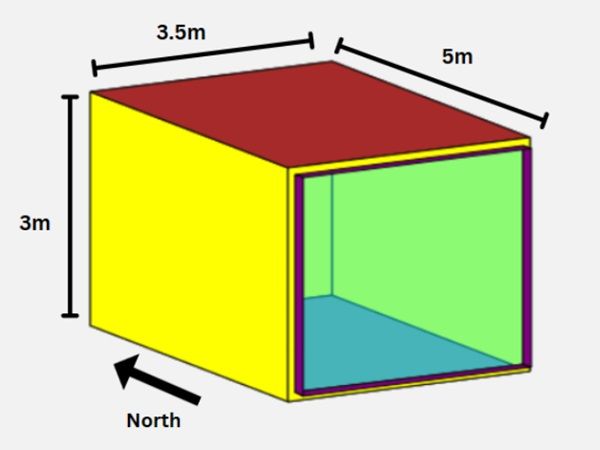
| This paper aims to quantify the savings achieved through the ERM of secondary layer addition to existing glazed facades, for a high WWR office building in cooling and heating dominated climate locations.
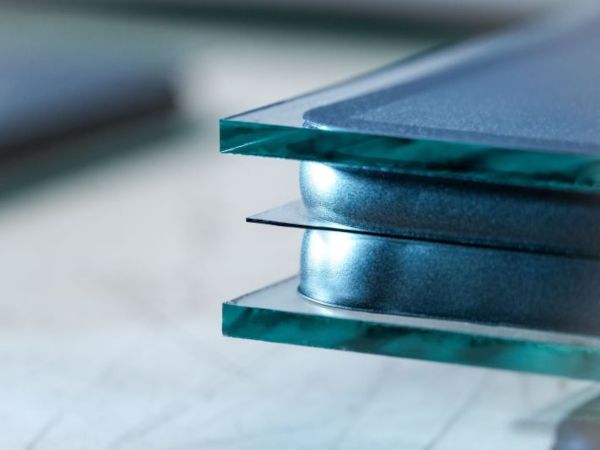
| In this latest Glastory blog, Uwe Risle explains why thin triple IG units are gaining popularity and what the key differences are between thin triple IGUs and other insulating glass types.
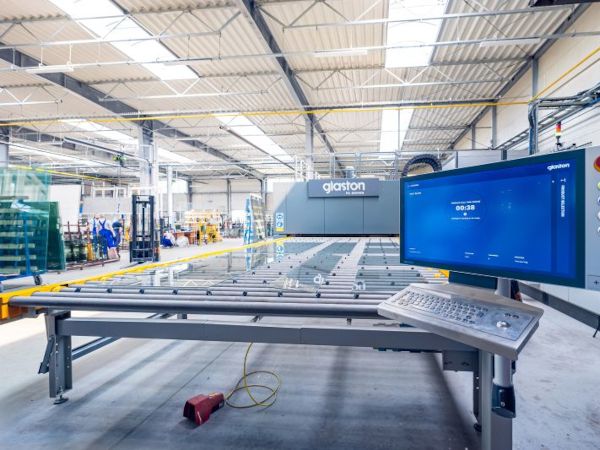
| The latest Glastory blog gives insights on the experiences of the tempering process Autopilot users.
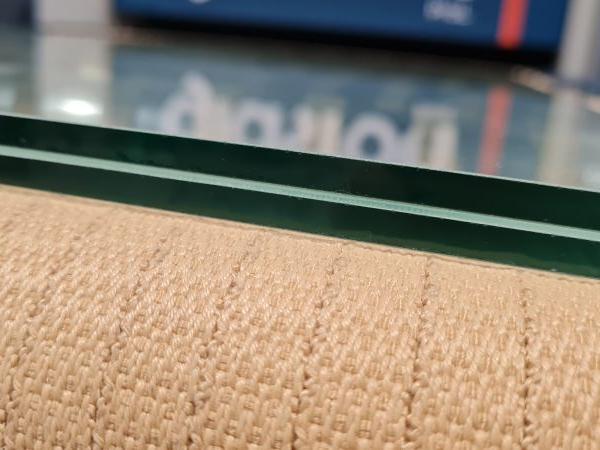
| Today talking about the trends, challenges, and innovations of flat glass lamination on Glastory.
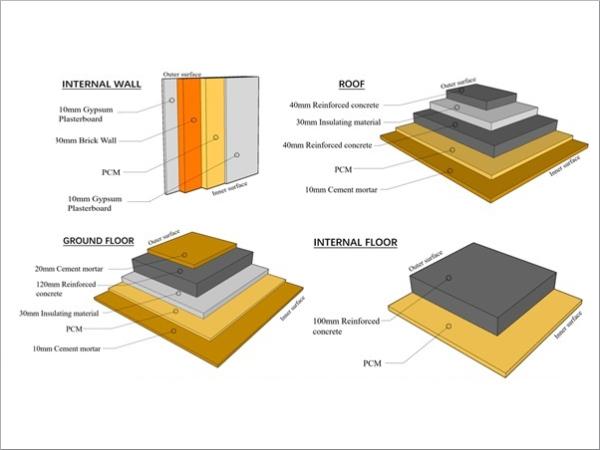
| This study delves into the influences of the glazing solar heat gain coefficient (SHGC), the glazing heat transfer coefficient (U-value), and PCM thickness on the energy performance of buildings.
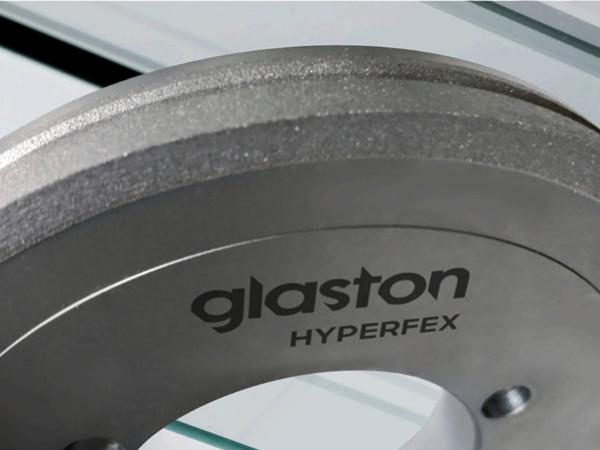
| In the latest Glastory blog post, Per Jensen analyzes the holistic approach to grinding.
Author: Per Jensen | Glaston
Source: glastory.net
Author: Per Jensen | Glaston
Source: glastory.net
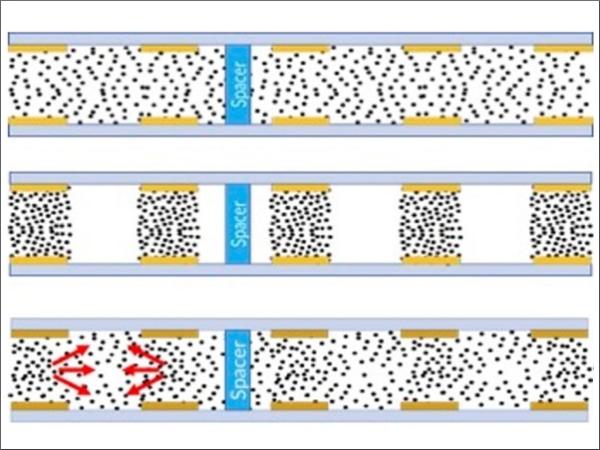
| The main benefits from dynamic glass relate to visual light comfort, light control and spectral modulation, privacy modulation and the most critical nowadays energy savings.
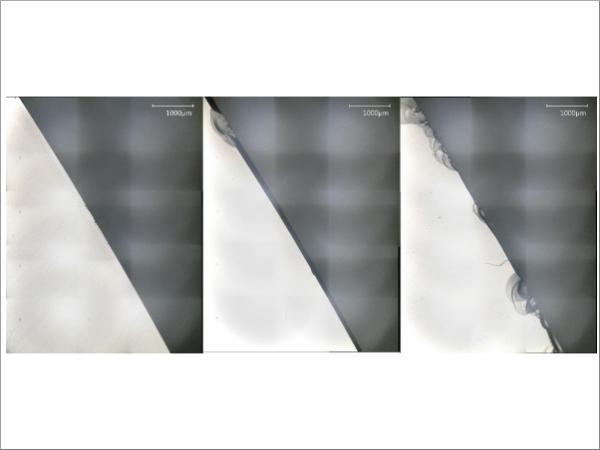
| Investigations of different positions of the sphere and the satellite and their effect on stress distribution are studied. Both, experimental observations and computational FEM simulations are compared.
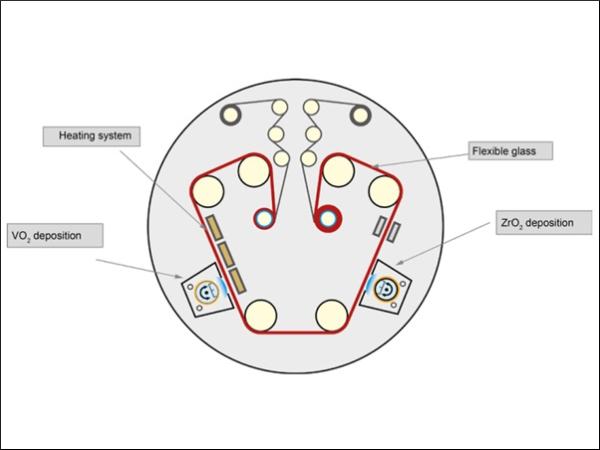
| The authors present results achieved in a roll-to-roll deposition process of vanadium oxide on flexible glass of 0.1 mm thickness.

| In the latest Glastory blog post, Antti Aronen analyzes the transformative potential of automated glass tempering.
| Read about Uwe Risle's presentation at Glass Performance Days 2023, "Thermoplastic spacer (TPS) - process requirements for optimal application"

Unlocking energy efficiency potential: vacuum-insulated glazing for sustainable buildings - Glastory
| Read more about Antti Aronen's presentation at Glass Performance Days (GPD) 2023, "An enhanced model of thermomechanical loading on a Vacuum Insulated Glazing".
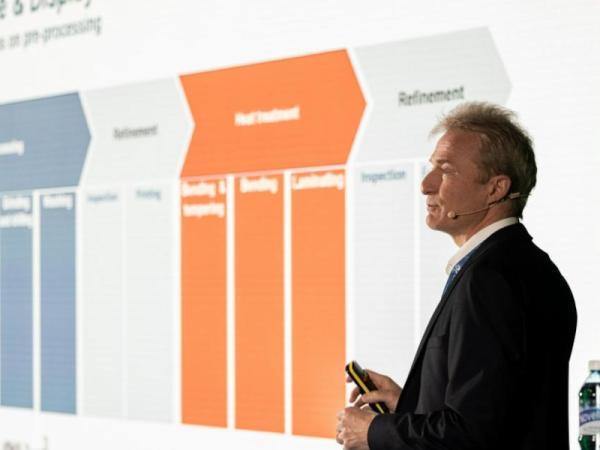
| In the new Glastory post by Matthias Loppacher, we explore the evolving landscape of automotive glazing and display processing – and discuss strategies for keeping up with the changes.
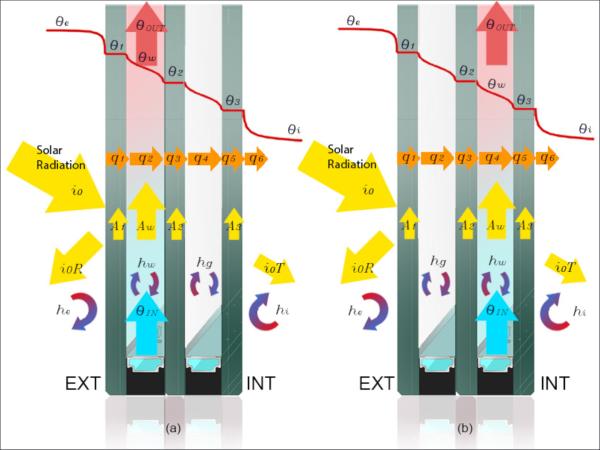
| The main objective of this paper was to assess the performance of a new WFG-unitized facade as a high-performance envelope with dynamic thermal properties.
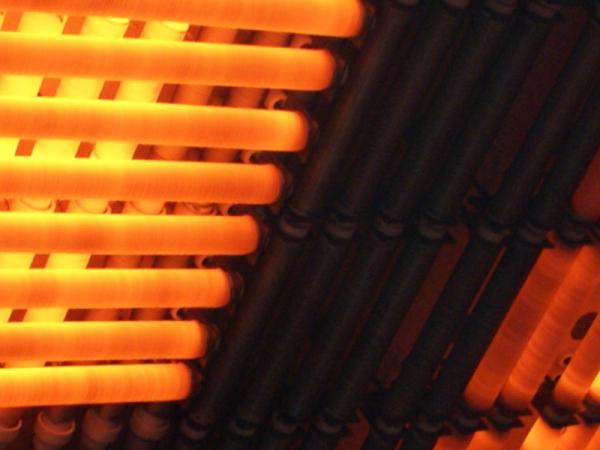
| In this article, Mika gives our readers some expert advice on improving energy efficiency in safety glass manufacturing.
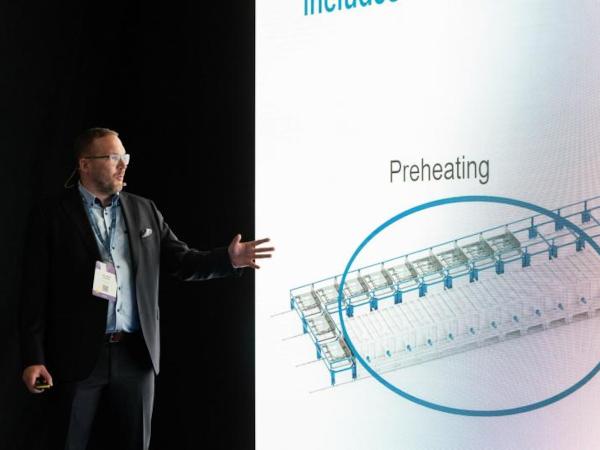
| In the latest Glastory blog post, Antti Aronen introduces how the complexity of automotive windshields and sunroofs has significantly increased with evolving modern car designs.
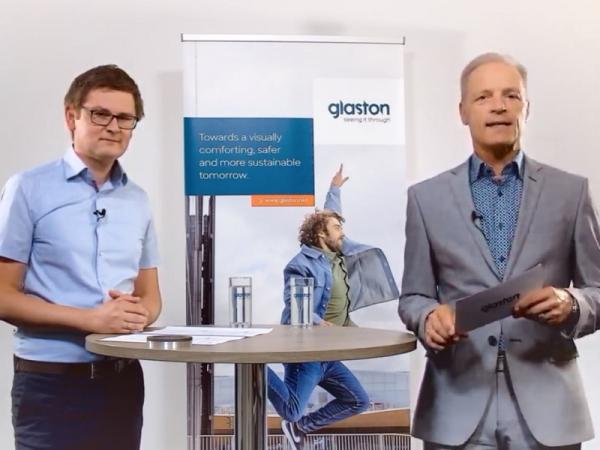
| In this episode, Gennadi Schadrin, Director Research & Development IG, shares insights into its creation and the remarkable benefits it brings to glass processors.
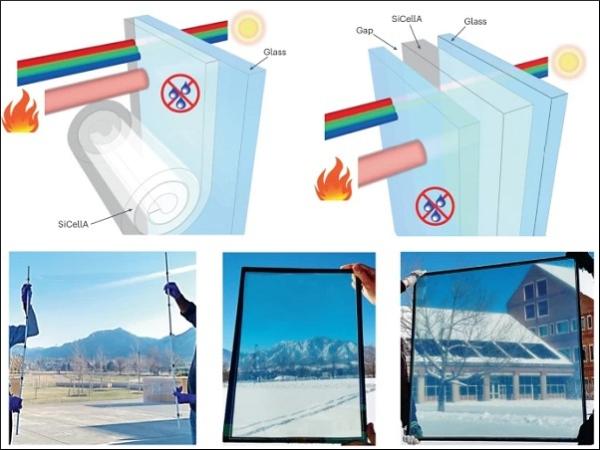
| How aerogels boost energy efficiency and may enable advanced technical solutions for insulating glass units, skylights, daylighting and facade glazing.
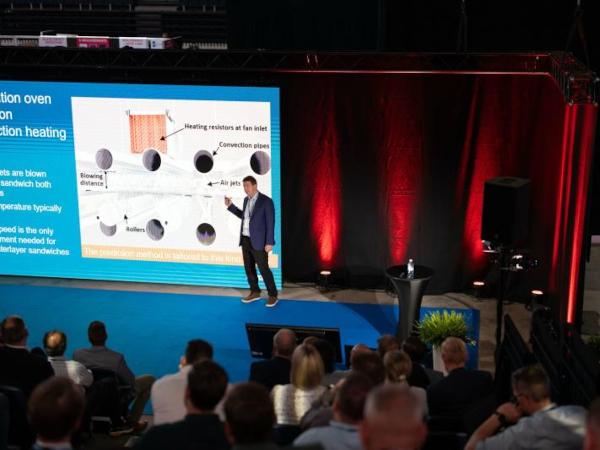
| The latest Glastory blog presents how to overcome interlayer temperature hurdles in laminated glass processing with the prediction method. More of the presentation by Mikko Rantala at GPD 2023.
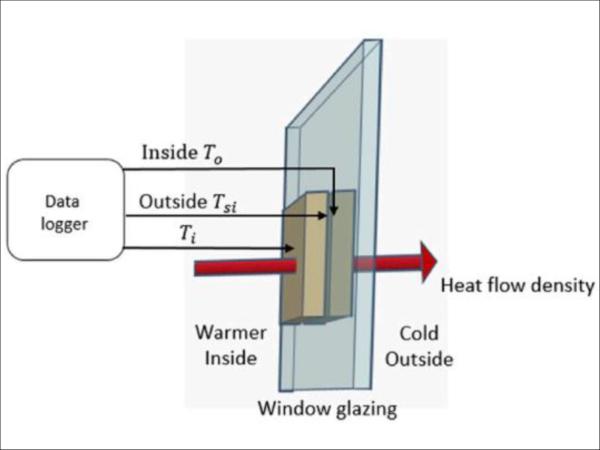
| This paper reviews current durability literature, various standards for window performance ratings and weathering methods, existing in situ IGU energy performance measurement techniques, and whole-building energy effects.
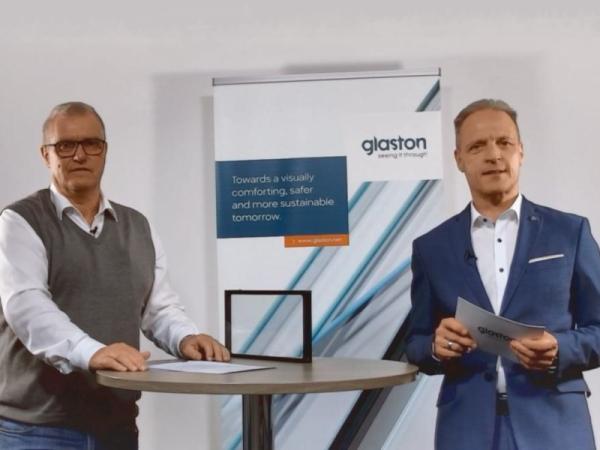
| This is the first video in Glaston's new #AskGlaston Insulating Glass Manufacturing Series.
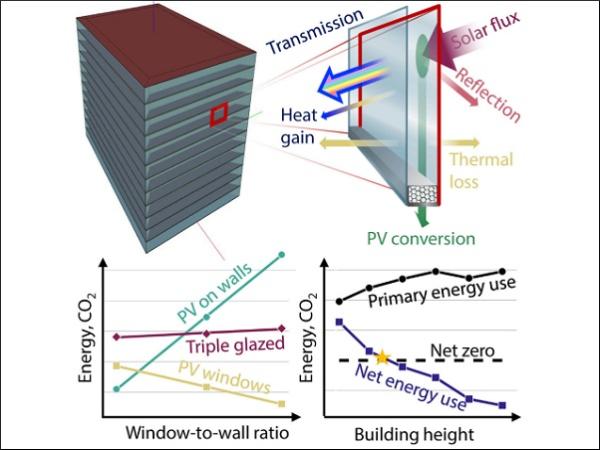
| Photovoltaic (PV) windows can enable net-zero highly glazed buildings