
Others also read

| In the new Glastory post by Matthias Loppacher, we explore the evolving landscape of automotive glazing and display processing – and discuss strategies for keeping up with the changes.
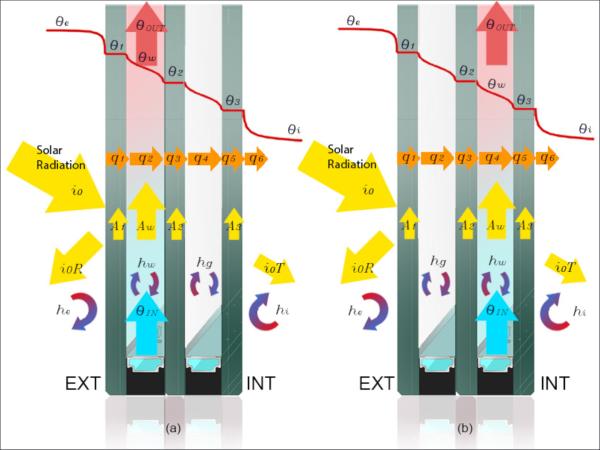
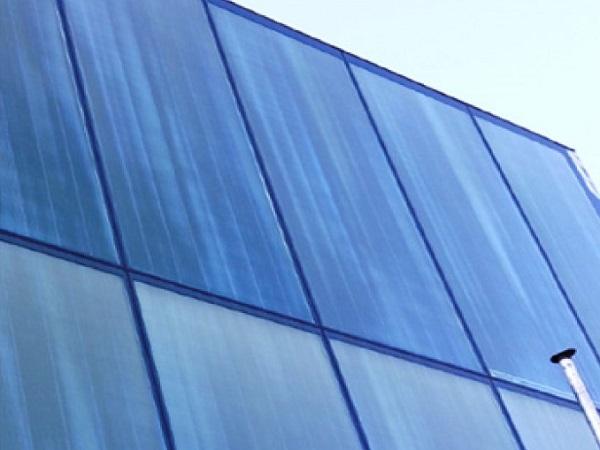
| The main objective of this paper was to assess the performance of a new WFG-unitized facade as a high-performance envelope with dynamic thermal properties.
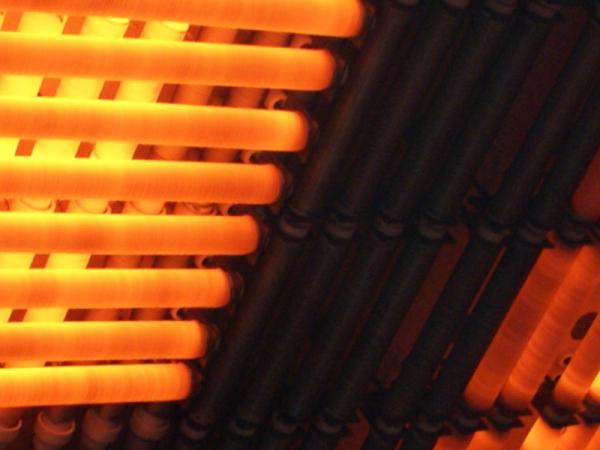
| In this article, Mika gives our readers some expert advice on improving energy efficiency in safety glass manufacturing.
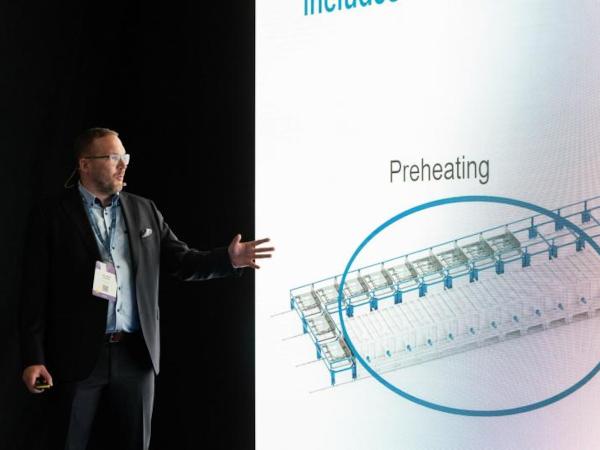
| In the latest Glastory blog post, Antti Aronen introduces how the complexity of automotive windshields and sunroofs has significantly increased with evolving modern car designs.

| In this episode, Gennadi Schadrin, Director Research & Development IG, shares insights into its creation and the remarkable benefits it brings to glass processors.
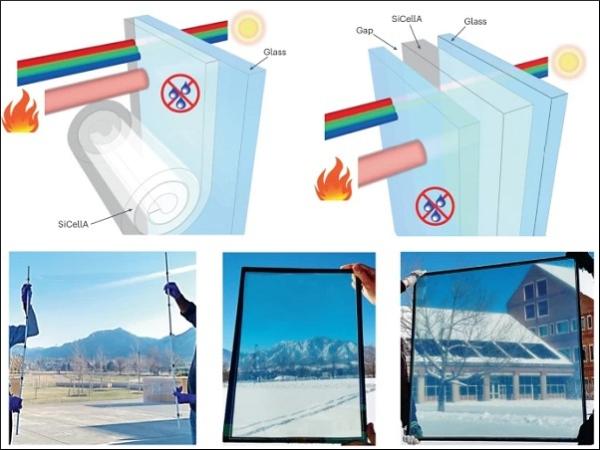
| How aerogels boost energy efficiency and may enable advanced technical solutions for insulating glass units, skylights, daylighting and facade glazing.
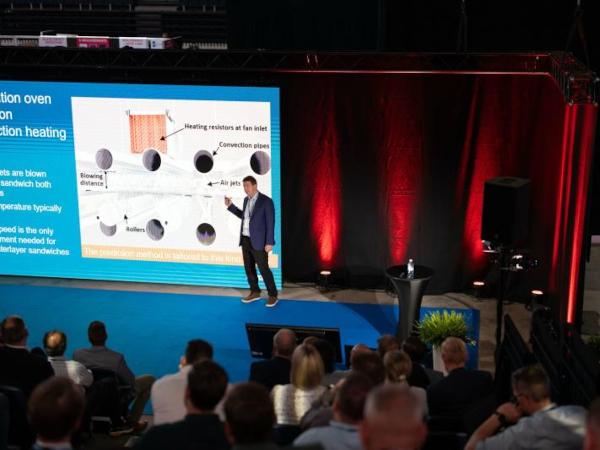
| The latest Glastory blog presents how to overcome interlayer temperature hurdles in laminated glass processing with the prediction method. More of the presentation by Mikko Rantala at GPD 2023.
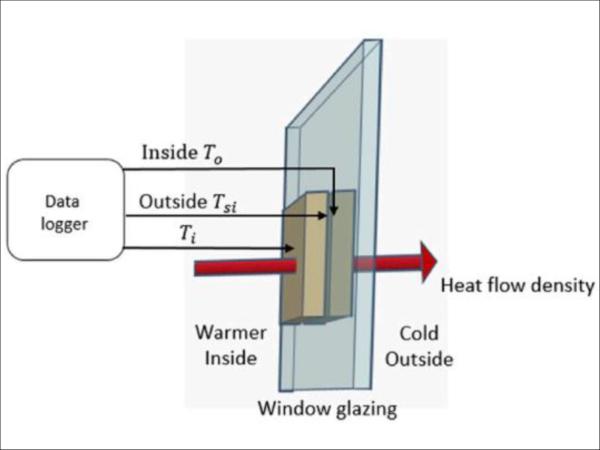
| This paper reviews current durability literature, various standards for window performance ratings and weathering methods, existing in situ IGU energy performance measurement techniques, and whole-building energy effects.
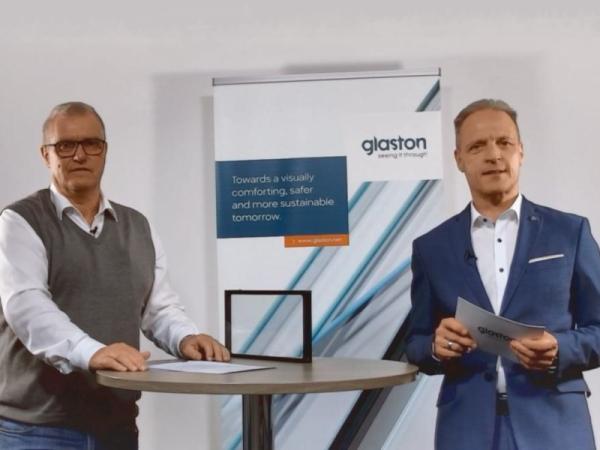
| This is the first video in Glaston's new #AskGlaston Insulating Glass Manufacturing Series.
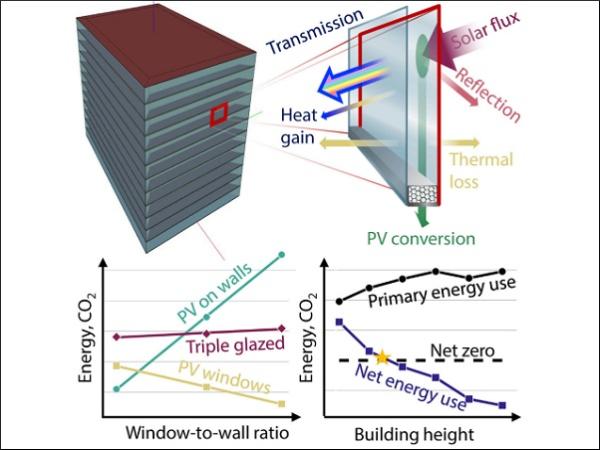
| Photovoltaic (PV) windows can enable net-zero highly glazed buildings

| New translucent, structural and modular façade component.
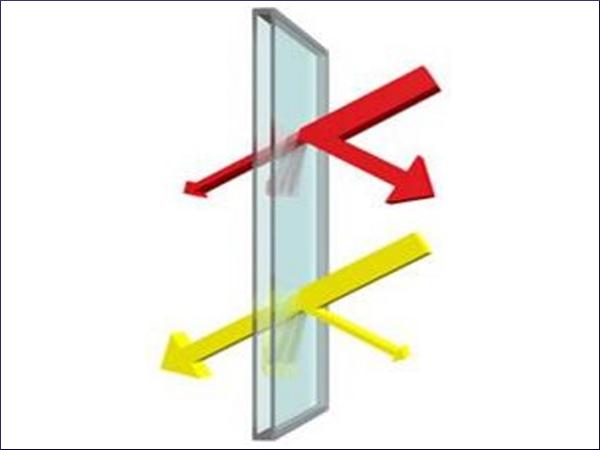
| It is hypothesized that the usage of smart glass in the building envelope can provide optimum solutions to adapt buildings to the variable climatic and environmental characteristics.
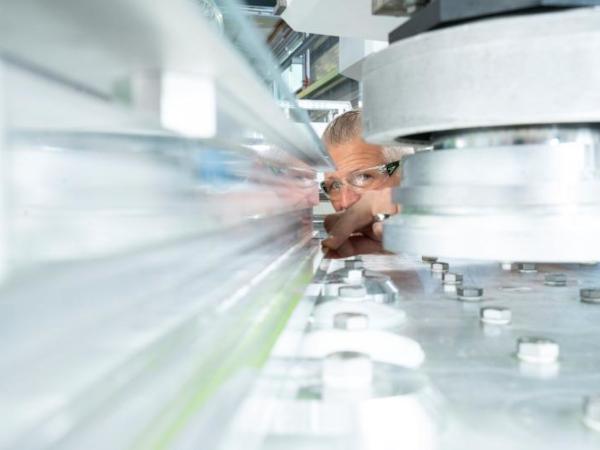
| In the latest Glastory blog, Jukka Immonen shares some practical tips for optimizing energy consumption in automotive glass production. From preprocessing to final inspection, there is huge potential every step of the way.
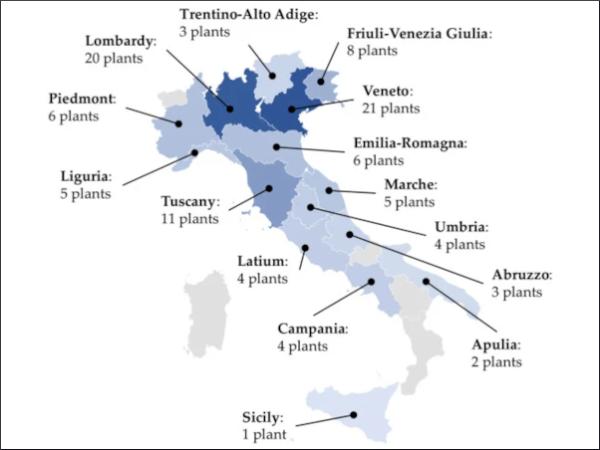
| Unlocking the potential of energy-saving solutions in the glass industry: a guide for Italian companies
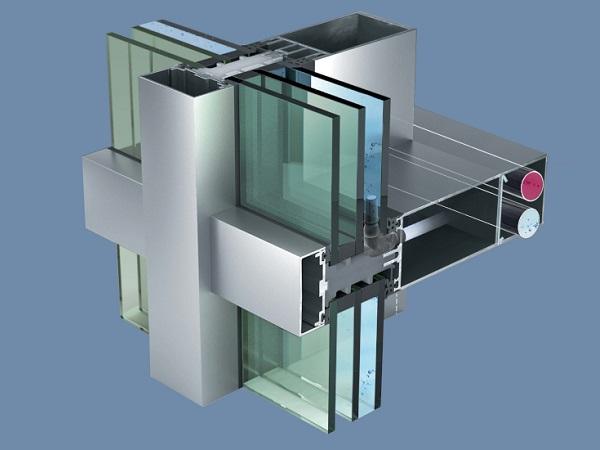
| Water-filled building envelopes are hybrid constructions with a solid and a fluid component, typically a glass or steel shell filled with water.
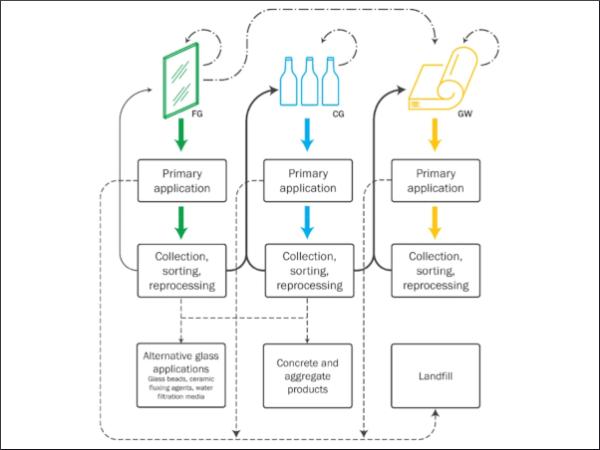
| This study identifies the existing supply-chain inefficiencies in the UK glass industry in three stages.
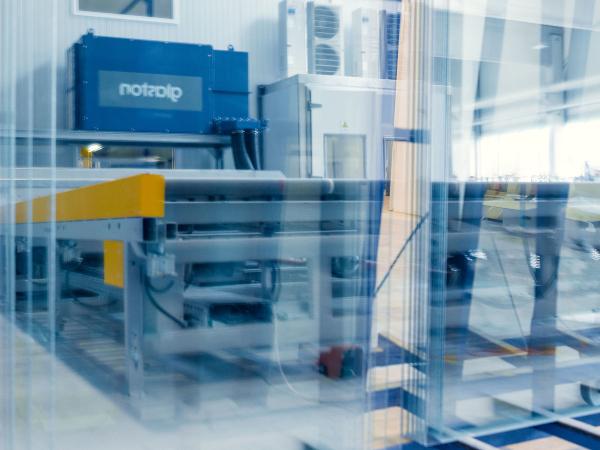
| Gain multiple benefits with upgrades to the glass laminating furnace
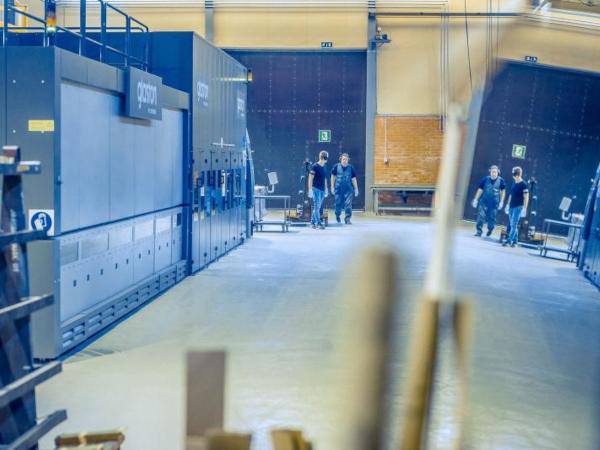
| Read the latest Glastory blog by Taneli Ylinen.
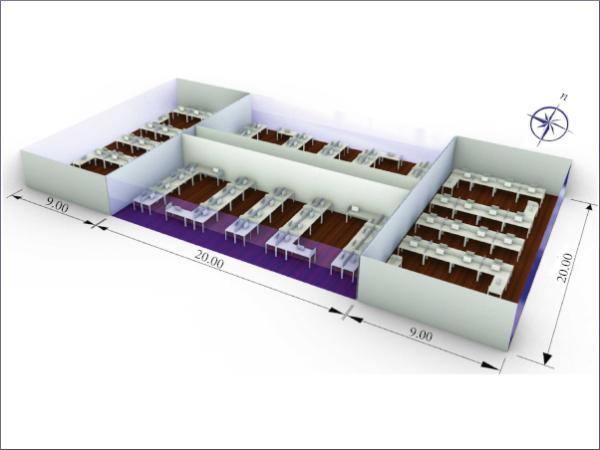
| Abatement of the high building energy is possible by employing semitransparent photovoltaic window which has triple point advantages as they control the admitted solar gain and daylight and generates benign electricity.

| In this third episode of the #AskGlaston flat tempering series, Taneli Ylinen deals with the commonly asked question of how to handle the issues with mixed production.
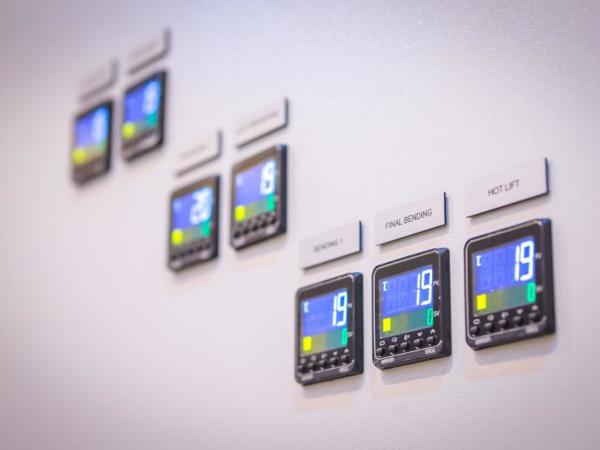
| In this post, we discuss what emerging designs require and how automotive glass processors can meet these requirements.
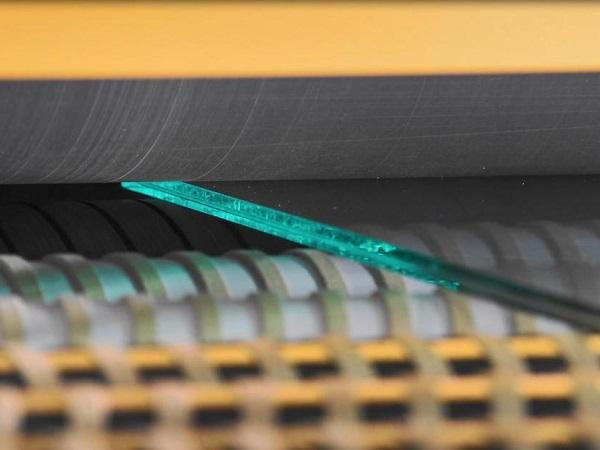
| This Glastory blog by Kalle Kaijanen is dealing with the processing of high-strength / structural laminates.
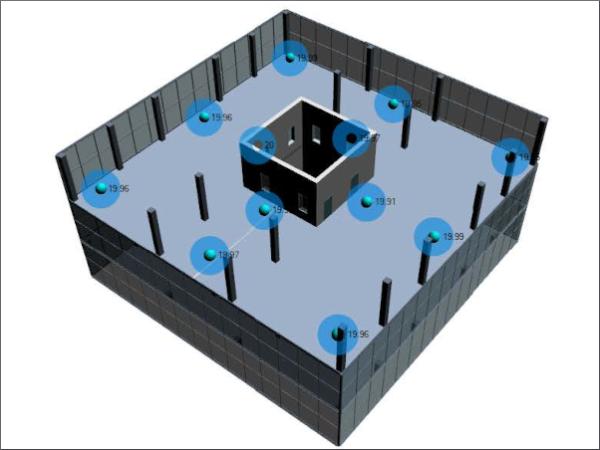
| A new BIM tool processing IEQ data input for building management and energetic optimizations
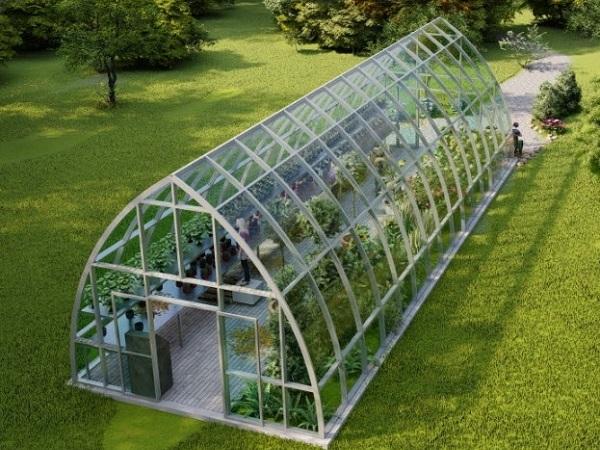
| The results of the classification of hail resistance classes for different materials for greenhouse enclosures are presented in this paper.
| In this paper, we present the development of an intrinsic parameter σQM characterizing the sensitivity of a coating (or configuration) to the quench marks.