
Others also read
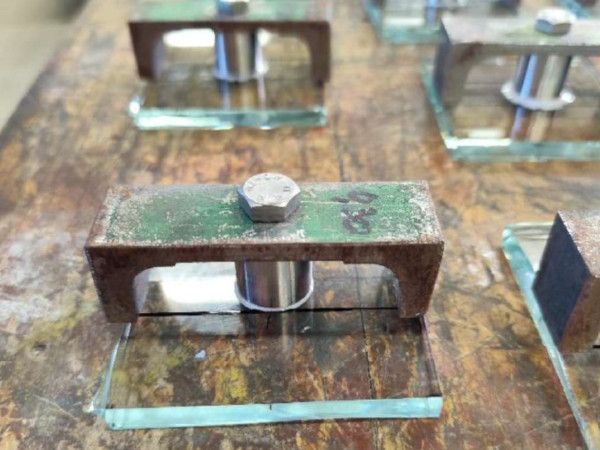
| How do temperature, humidity and water exposure affect the durability of bonded glass-steel joints? New research reveals significant differences between filled and unfilled epoxy adhesives under demanding environmental conditions.
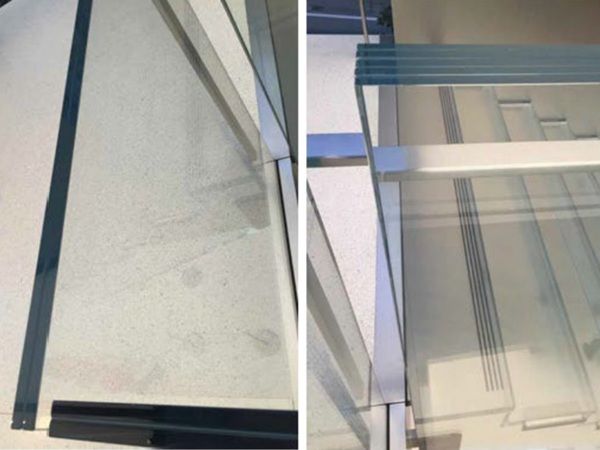
| A more objective approach to coated glass colour could transform how architects and designers select and evaluate architectural façades.
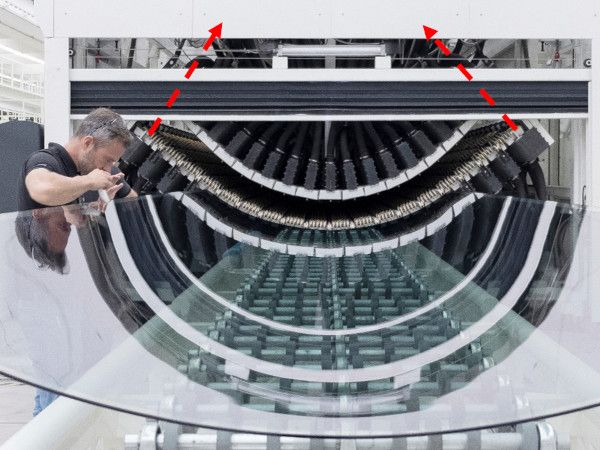
| Pushing the boundaries of architectural glass: a new large-format bending furnace is making faster, more precise production of complex 3D glass shapes a reality.
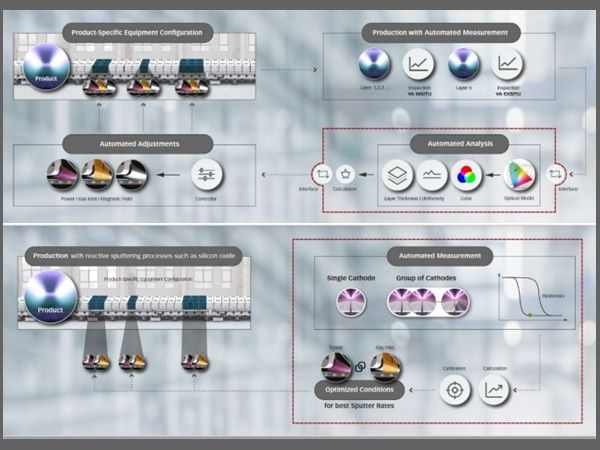
| Discover how digital software solutions are helping glass coating manufacturers reduce carbon emissions, improve production efficiency, and support the journey toward net-zero buildings and vehicles.
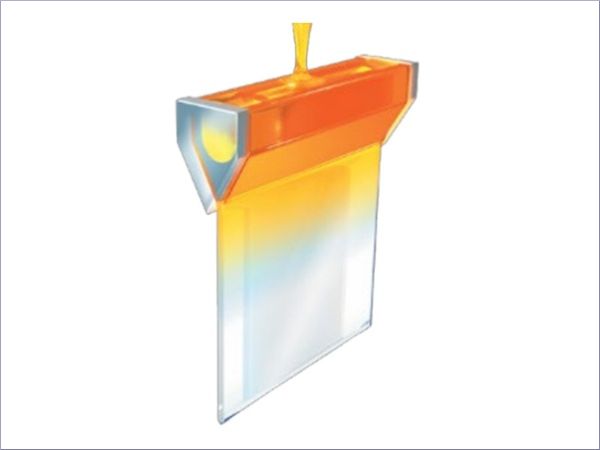
| A new generation of boro-aluminosilicate glass is opening new possibilities for architecture, combining lightweight design with exceptional strength, durability, and sustainability.
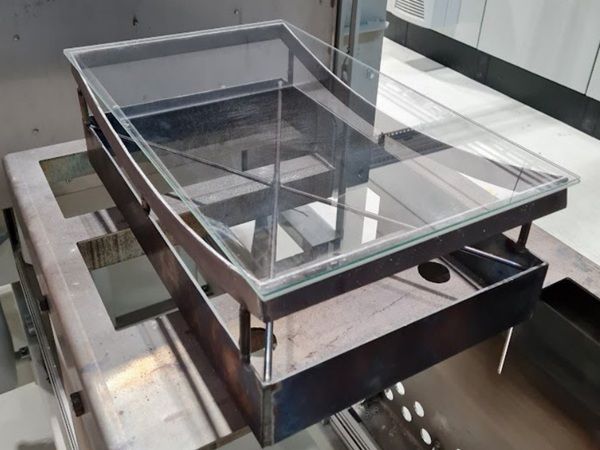
| This paper presents the challenges of combining borosilicate and soda-lime glasses in the windshield solution.

| This paper presents a groundbreaking technological development in the optical quality of tempered glass.

| As glass increasingly takes on structural roles in modern architecture, ensuring its fire resistance has become a critical challenge for safe building design.
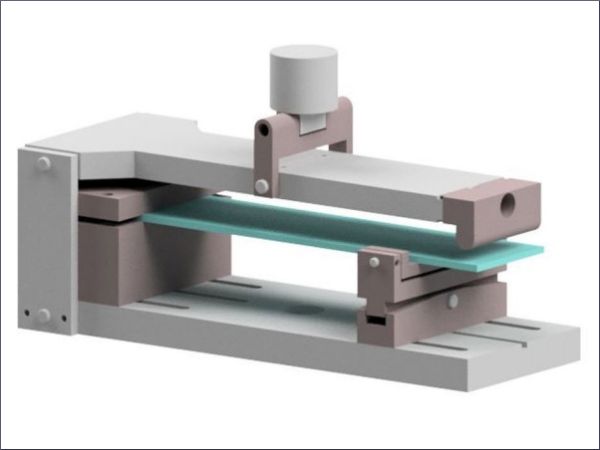
| This study explores how fibre optic sensors can accurately measure strain and temperature in laminated glass systems, revealing how adhesives, temperature, and load conditions influence the mechanical behaviour of PVB and embedded sensors.
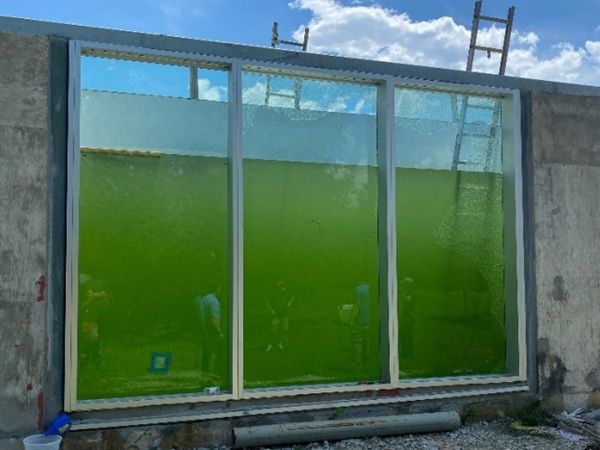
| ASTM has introduced a new standard, ASTM E3401, to guide the safe use of laminated glass in swimming pools, aquariums, and other applications subject to hydrostatic loads.
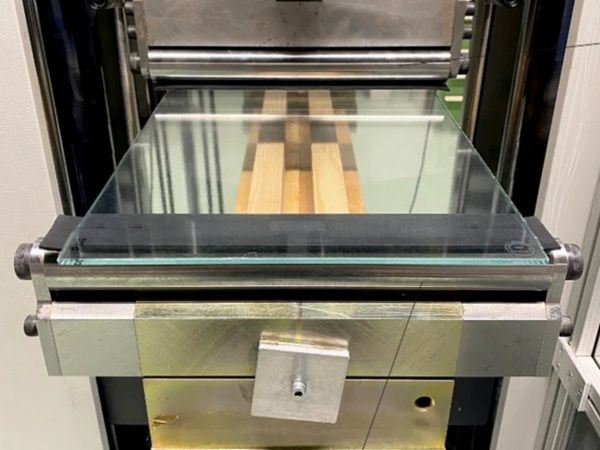
| Thermal stress relief treatment offers a promising solution for enabling the reuse and remanufacturing of end-of-life tempered glass, paving the way for more circular economy practices in the flat glass industry.
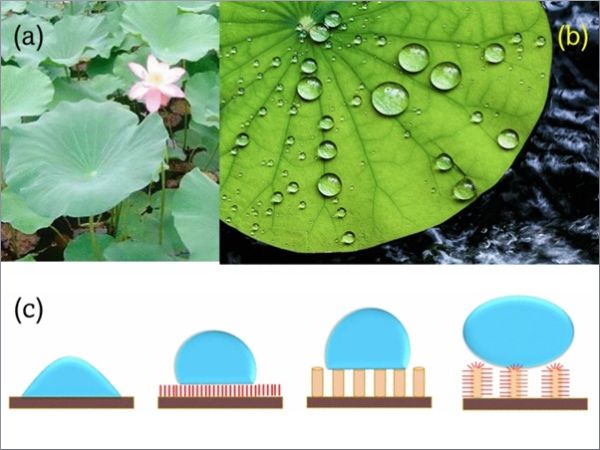
| Self-cleaning surfaces, enabled by advanced material design and additive manufacturing, are opening new possibilities for sustainable and multifunctional technologies.
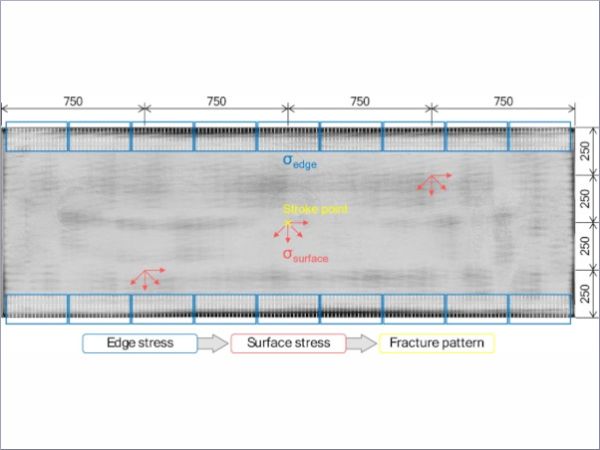
| New research explores how non-destructive photoelastic methods could improve quality control for large-format thermally toughened glass, reducing reliance on costly and time-consuming destructive testing.
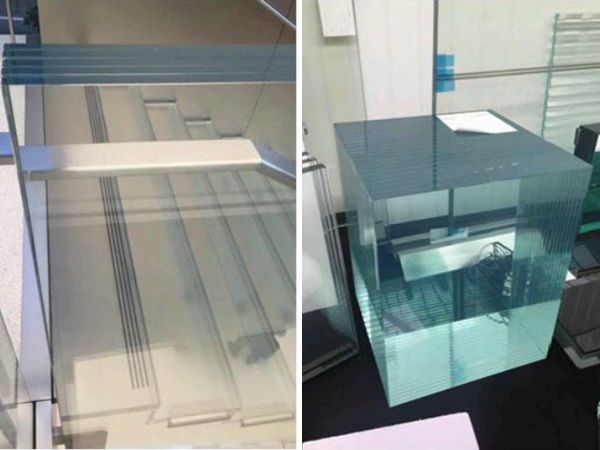
| This paper investigates the integration of colorimetric analysis into the architectural glass selection process, with a focus on utilizing spectral data to quantitatively characterize colour attributes.

| This paper presents a groundbreaking technological development in the optical quality of tempered glass.
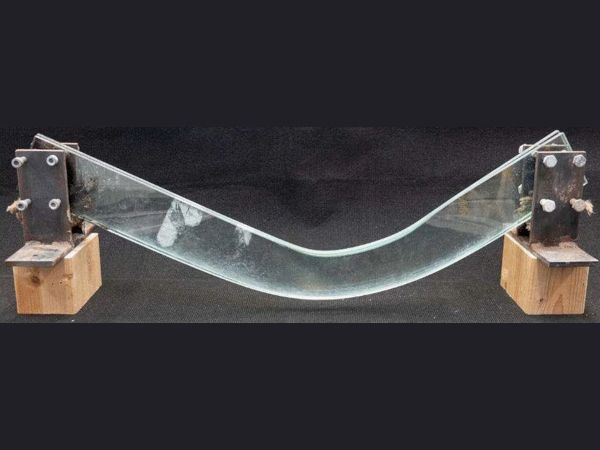
| Understanding how glass behaves under high temperatures is essential for improving the safety and performance of glass structures exposed to heat and fire.
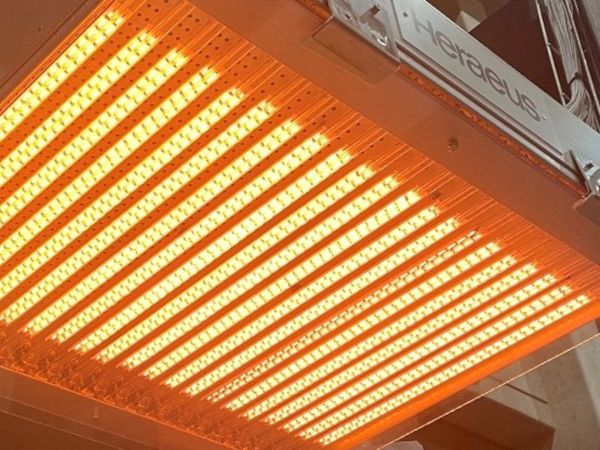
| This paper presents an experimental campaign employing an electric radiant panel as the heat source to investigate the heat transfer phenomena in glass.
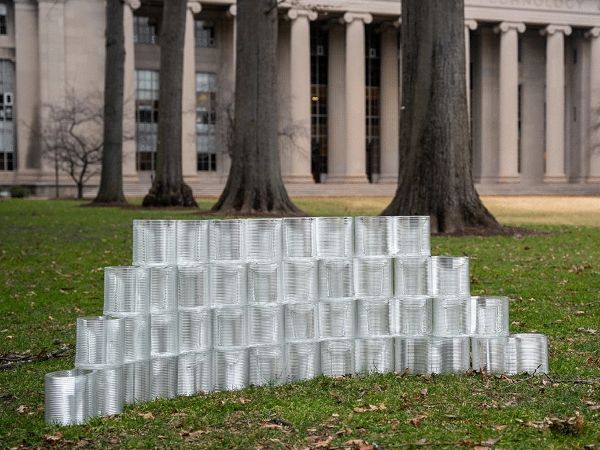
| This paper encompasses design, manufacturing, and experimental testing to assess the feasibility of using glass AM to produce interlocking masonry units for the construction industry.
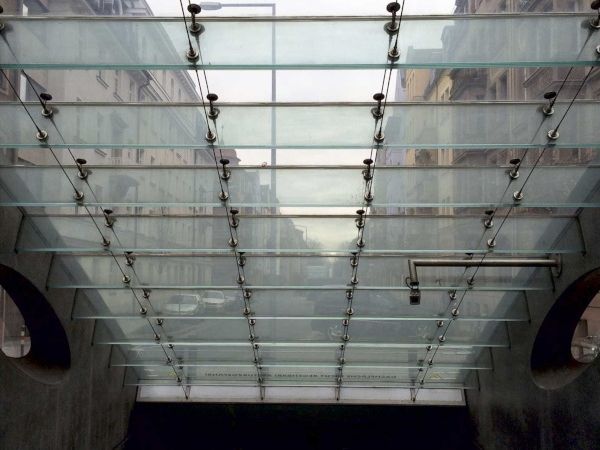
| This paper presents investigations on a novel approach for post-tensioning laminated glass beams with adhesively bonded iron-based shape memory alloy tendons along both longitudinal glass beam edges.
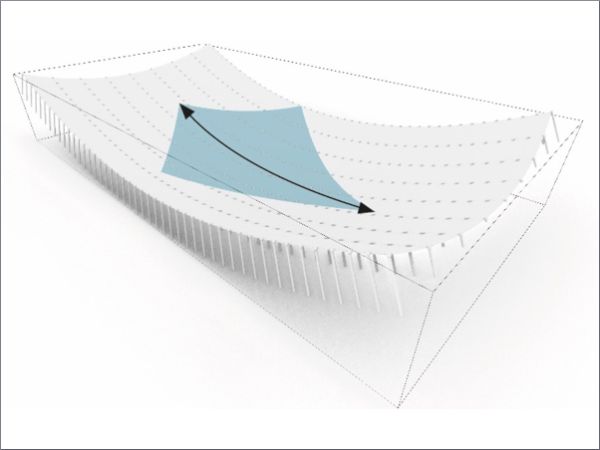
| Sustainable Configurations for Double Curved and Spherical Glass
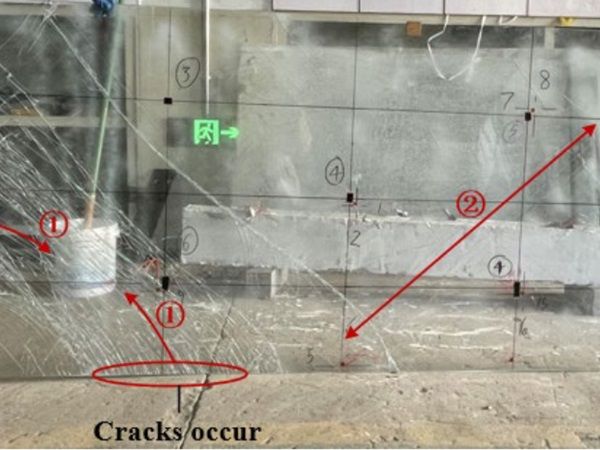
| In this paper, the anticlastic cold bending test was conducted to explore the influence of various factors, including aspect ratio, scale and composition of the plates.
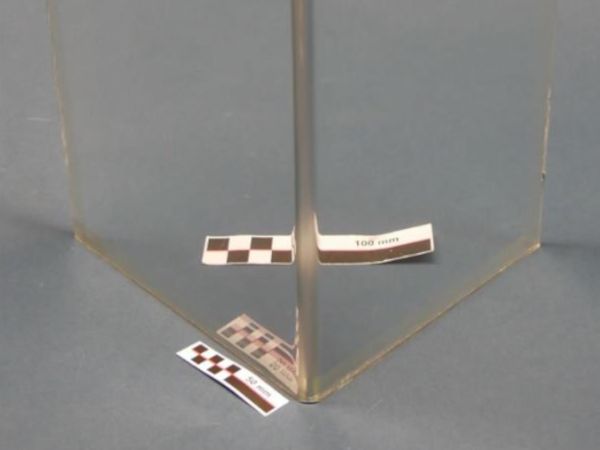
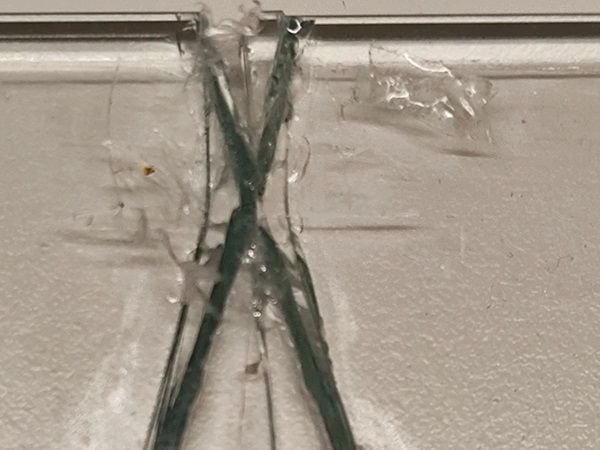
| The four point bending test is one of the most commonly used and standardised tests to determine the mechanical properties of materials.
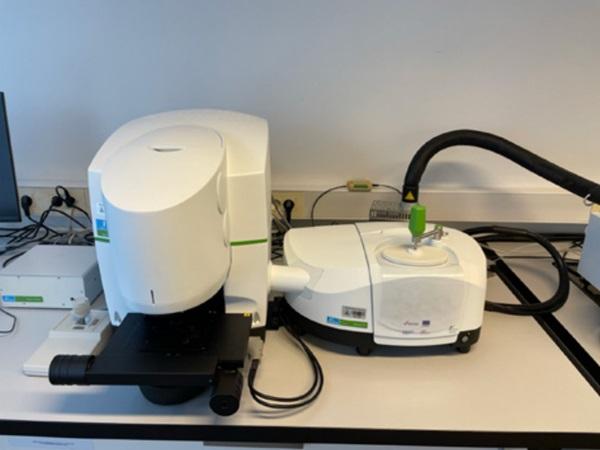
| The research presents advantages and disadvantages for each different load type regarding interlayer chemical response.
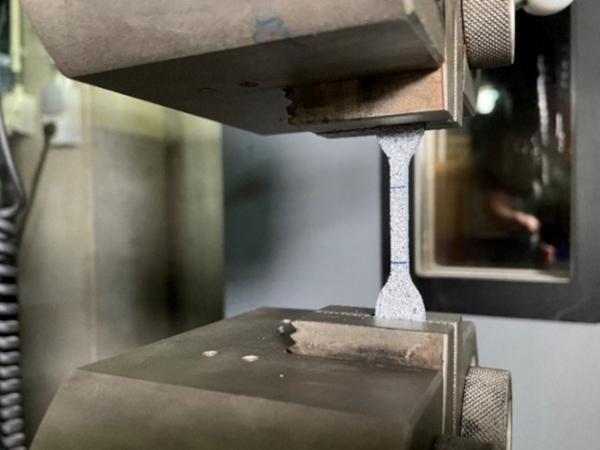
| This paper presents the findings of the evaluation of an epoxy adhesive for structural glass to steel continuous bonds.