
Others also read
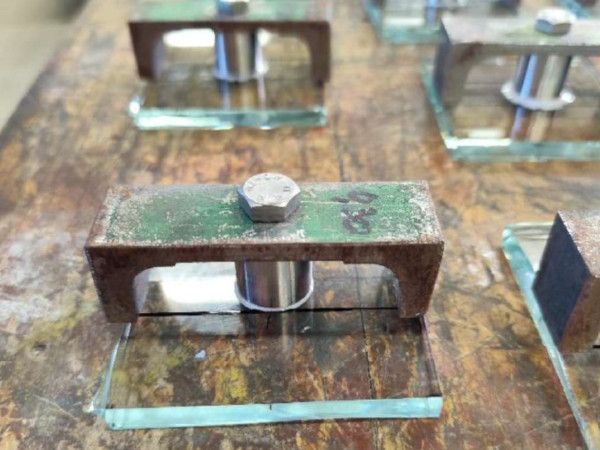
| How do temperature, humidity and water exposure affect the durability of bonded glass-steel joints? New research reveals significant differences between filled and unfilled epoxy adhesives under demanding environmental conditions.
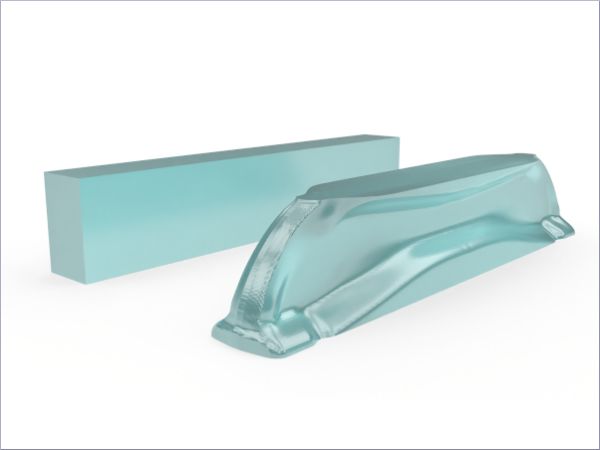
| Topology optimization could unlock the architectural potential of cast glass by reducing material usage by up to 38%, making larger and more efficient structural glass components economically viable.
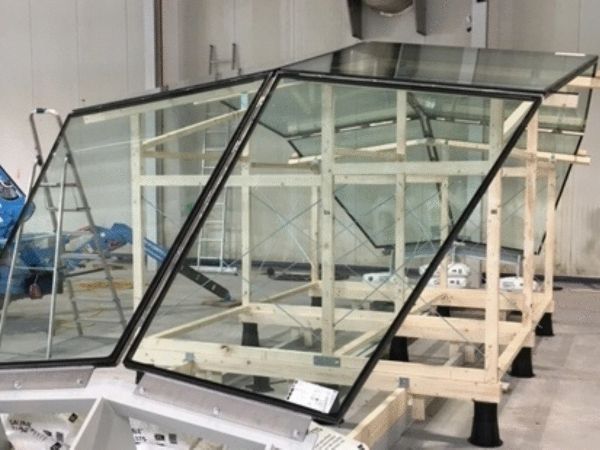
| This research explores how load-bearing glass can move beyond infill applications through an innovative linear metal edge fitting integrated into insulated glazing units.

| As glass increasingly takes on structural roles in modern architecture, ensuring its fire resistance has become a critical challenge for safe building design.
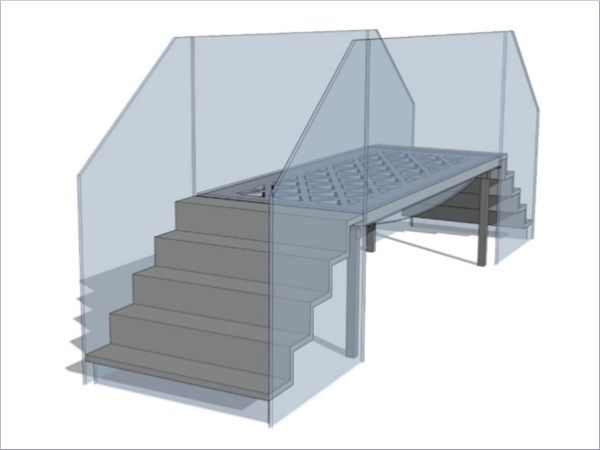
| This article presents how the pioneering G2C (Glass-to-Concrete) project is redefining construction by successfully integrating bonded glass and concrete into a full-scale pedestrian bridge demonstrator.
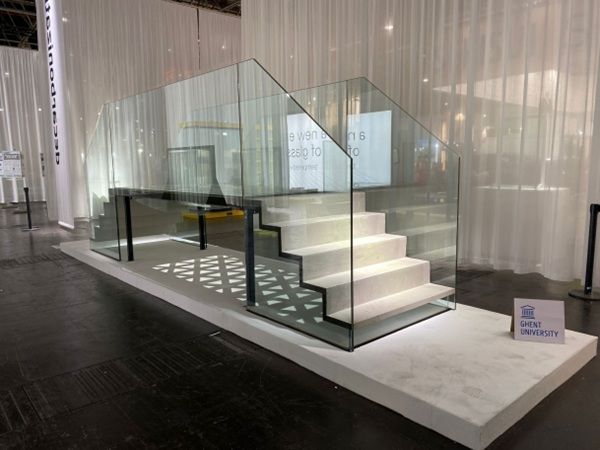
| This study demonstrates how fibre-reinforced and ultra-high-performance concretes enable structurally bonded glass-to-concrete systems, opening new possibilities for efficient, sustainable, and visually striking hybrid structures.
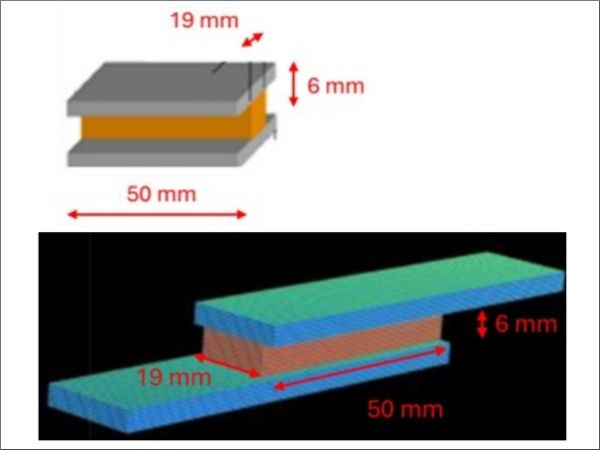
| A new study explores how smarter structural design and adhesive optimization in glass-metal façades can significantly cut embodied carbon while maintaining performance and integrity.
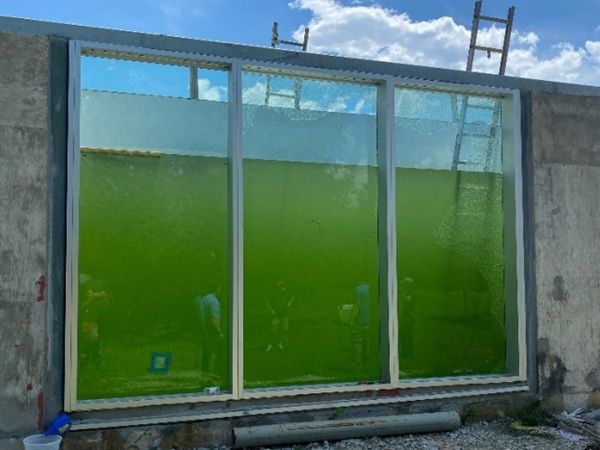
| ASTM has introduced a new standard, ASTM E3401, to guide the safe use of laminated glass in swimming pools, aquariums, and other applications subject to hydrostatic loads.
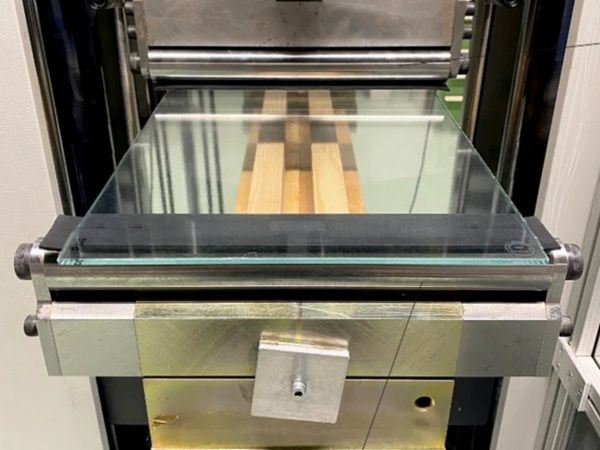
| Thermal stress relief treatment offers a promising solution for enabling the reuse and remanufacturing of end-of-life tempered glass, paving the way for more circular economy practices in the flat glass industry.

| By Errol Bull, P.E., CSI, an Application Development Leader at Momentive Performance Materials Inc. Member: IIBEC, ASTM C24, ISO TC59/SC8
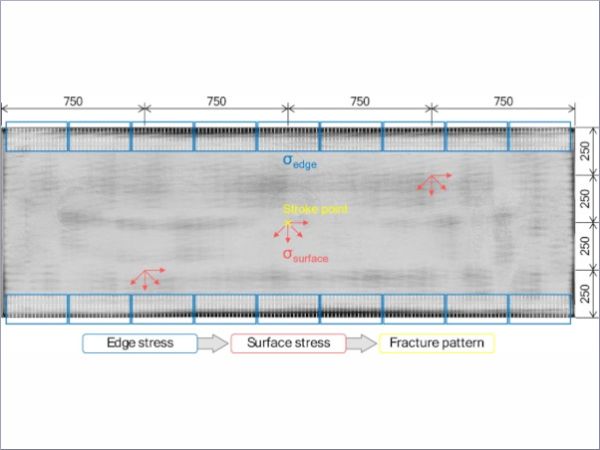
| New research explores how non-destructive photoelastic methods could improve quality control for large-format thermally toughened glass, reducing reliance on costly and time-consuming destructive testing.
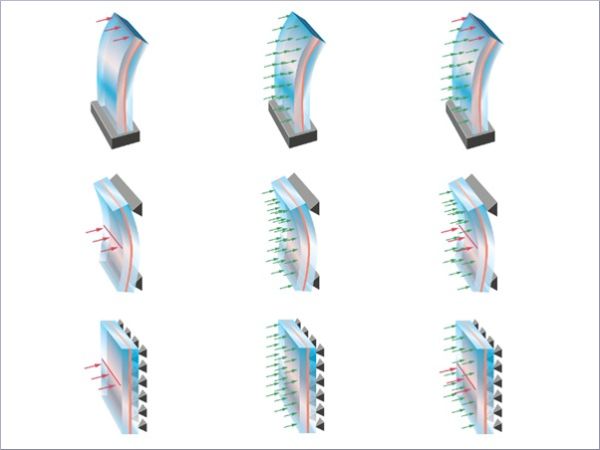
| A new AI-powered tool is set to transform the structural design and analysis of glass facades.
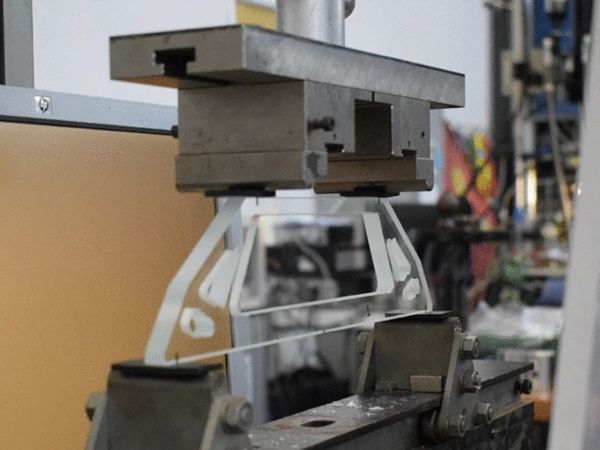
| This research proposes a suite of TO algorithmic frameworks that design specifically for structural glass.
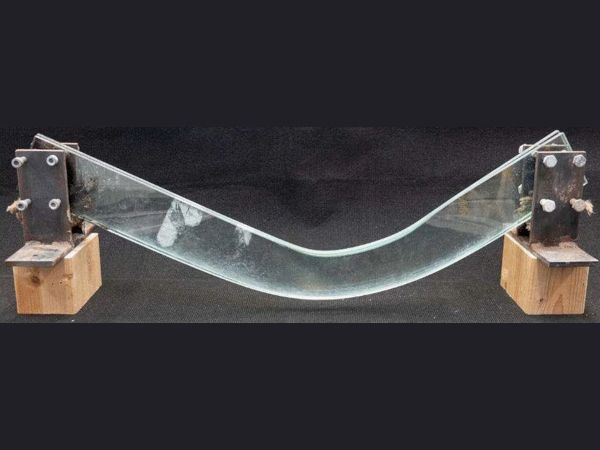
| Understanding how glass behaves under high temperatures is essential for improving the safety and performance of glass structures exposed to heat and fire.
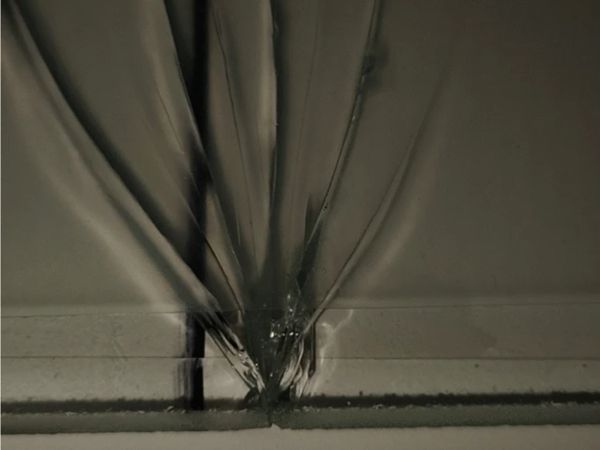
| This study explores the strength and fracture behavior of waterjet-cut glass, comparing it to traditionally cut glass through detailed testing and analysis.
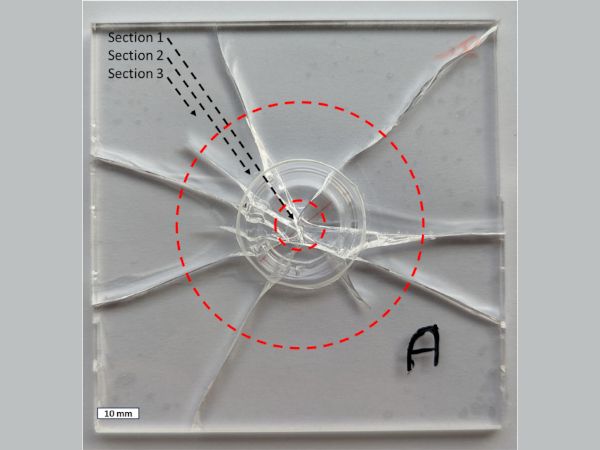
| The present paper and the related research provide insight into the possibilities to further process glass by additive manufacturing methods and thereby exploring the potential for the built environment.
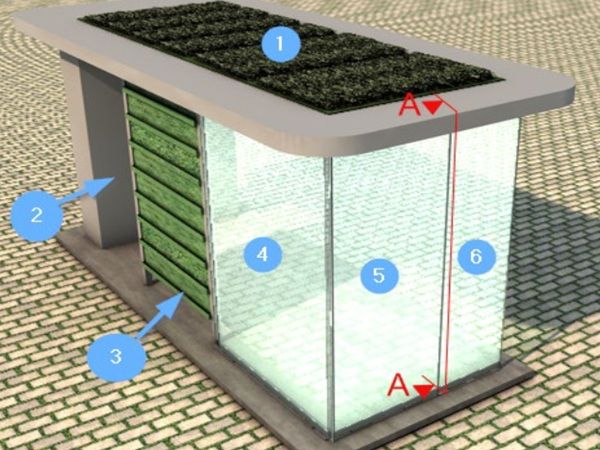
| Understanding the structural behavior of glass under combined static and dynamic loads is crucial for safety and stability.
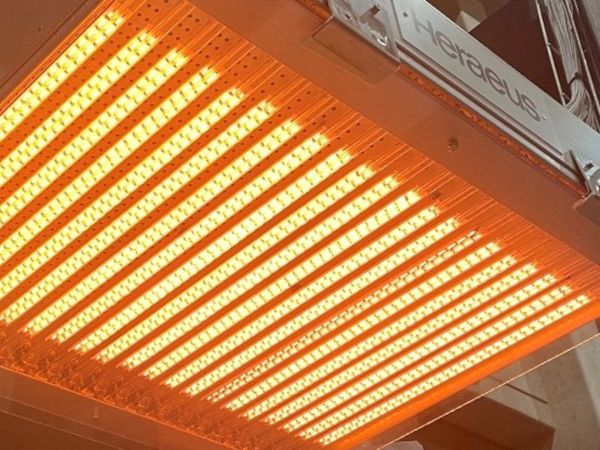
| This paper presents an experimental campaign employing an electric radiant panel as the heat source to investigate the heat transfer phenomena in glass.
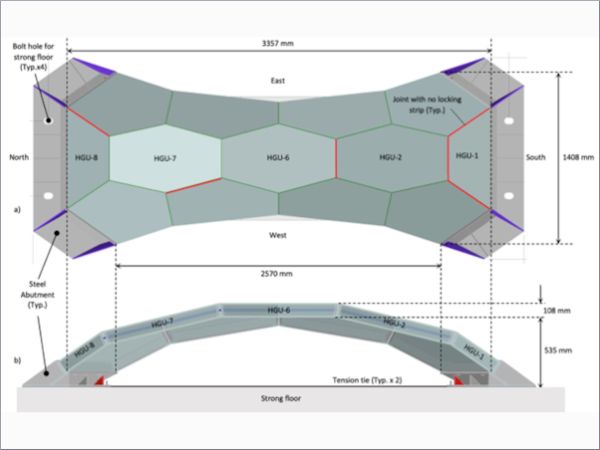
| This research is related to the structural performance of a shell-type system made of hollow glass units (HGU) that utilizes glass as the primary structural material.
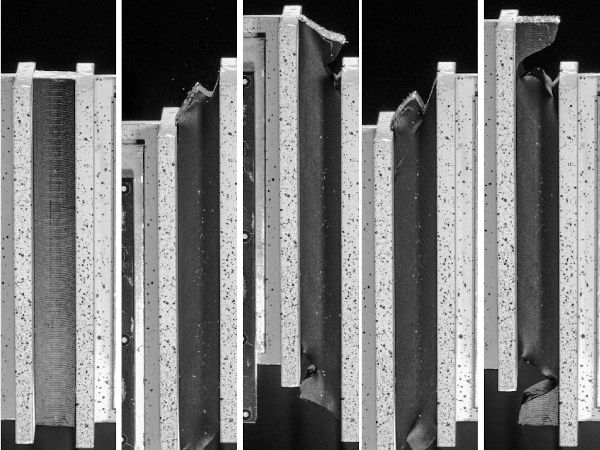
| In this paper, relevant parameters influencing the seismic loading of structural glazing joints are determined, evaluated, and narrowed down to areas of practical relevance as part of a theoretical stress analysis.
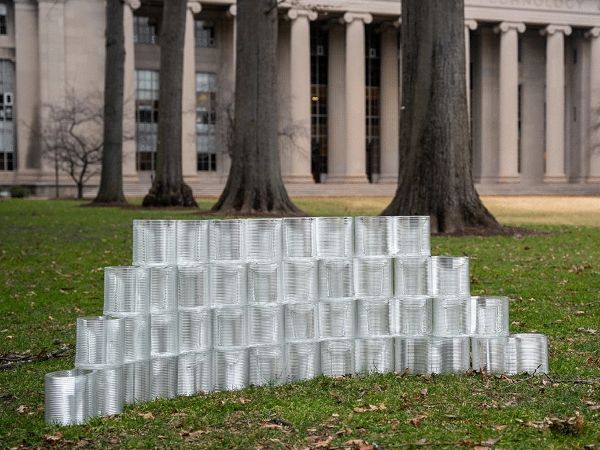
| This paper encompasses design, manufacturing, and experimental testing to assess the feasibility of using glass AM to produce interlocking masonry units for the construction industry.
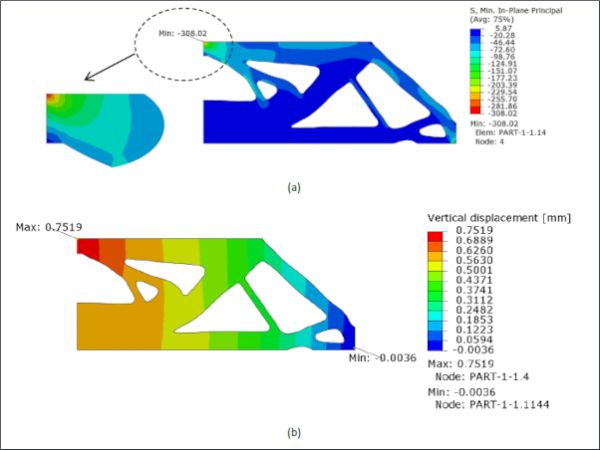
| The purpose of this work is to implement an algorithm to perform topology optimization for glass structures fabricated by the AWJ cutting method.
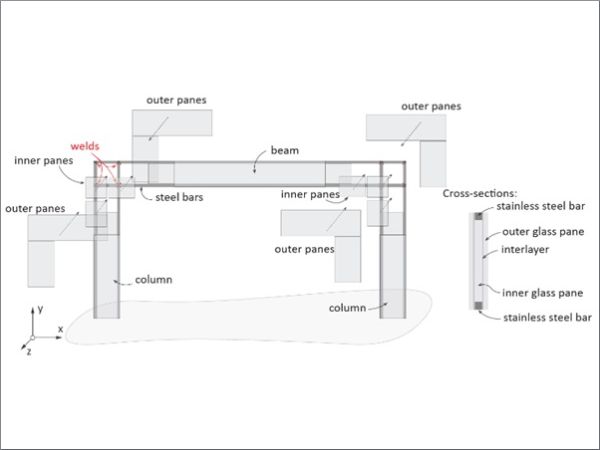
| This paper focuses on a numerical investigation of the in-plane behavior of an innovative steel-reinforced glass frame prototype, designed to incorporate (partially) UV-curable beam-column connections.
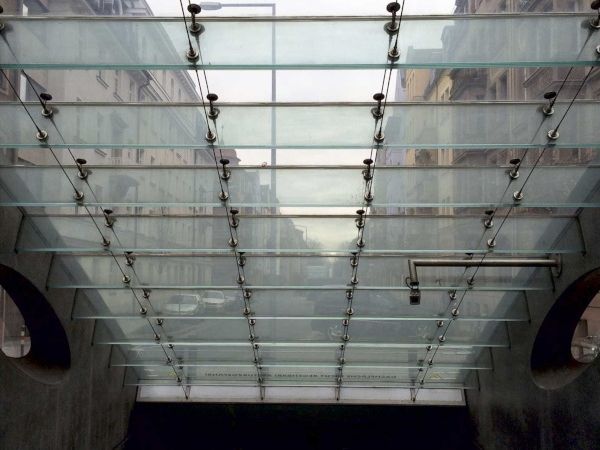
| This paper presents investigations on a novel approach for post-tensioning laminated glass beams with adhesively bonded iron-based shape memory alloy tendons along both longitudinal glass beam edges.
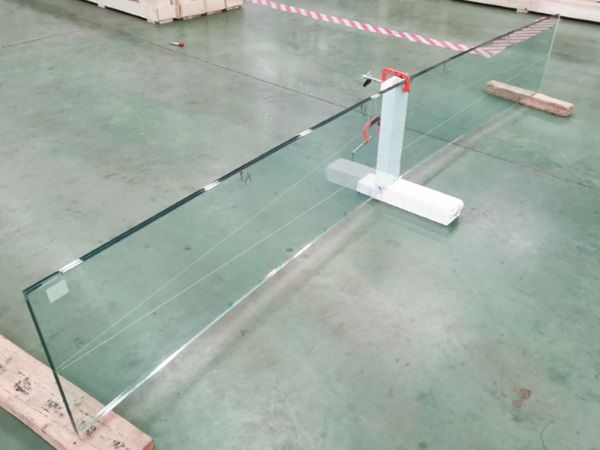
| This paper investigates the post-fracture spring-back effect and the post fracture behaviour in warm bent glass, aiming to assess its safe use in structural glass applications.