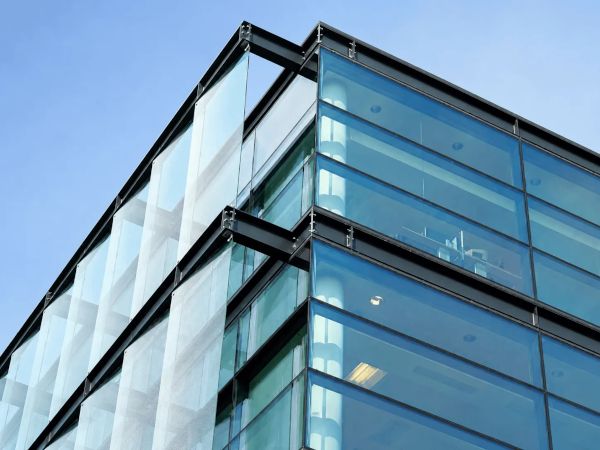
However, fixed shading can block the view, while conventional SPD solutions may increase project costs and complicate glass fabrication.
Why should you have to choose between a beautiful view and effective sun protection? REACHBUILDING's EPC opens up a new possibility: a fresh approach to light control that brings clear views, effective shading, and greater project cost efficiency together. Developed as an independent alternative to conventional suspended particle device (SPD) technology, EPC pairs adjustable tint with practical film, glass and control solutions. In this article, we'll compare EPC with SPD, explore its benefits in real-world projects, and look at where the technology is headed.
EPC vs. SPD: What Makes the Difference?
The Real-World Bottlenecks of Traditional SPD Glass
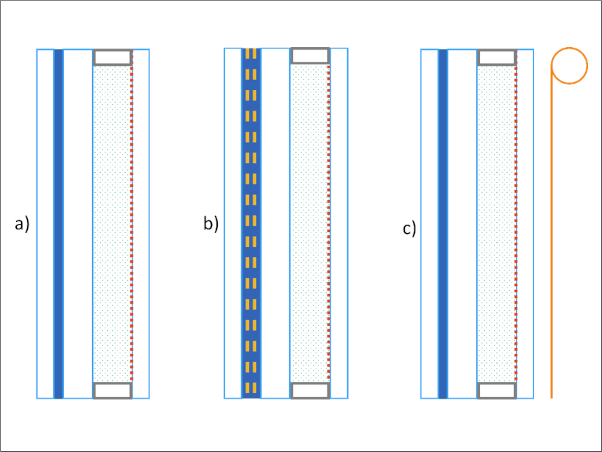
SPD smart glass electrically aligns suspended particles to shift between dark and clear states. However, conventional SPD solutions can present several challenges in real-world projects. Depending on the product, specific lamination requirements may make processing more difficult, affect production yield, and increase costs. A limited light-transmission range and higher haze in the dark state can also affect visual clarity and the sense of openness. Power consumption can add to operating costs, while prolonged exposure to high temperatures and harsh weather may challenge long-term durability.
EPC: A Smarter, More Efficient Way to Control Light
It is precisely to address some of the practical challenges associated with traditional dynamic glazing that EPC (Electrochromic Particle Control) technology was developed. Offering an independent, next-generation technical route, EPC uses a different approach to regulating light without relying on conventional suspended particle architectures.
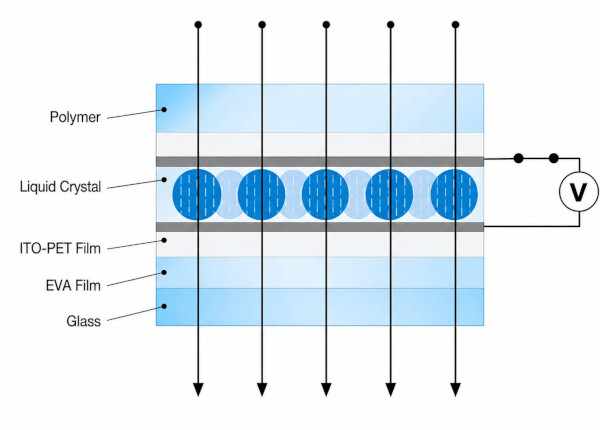
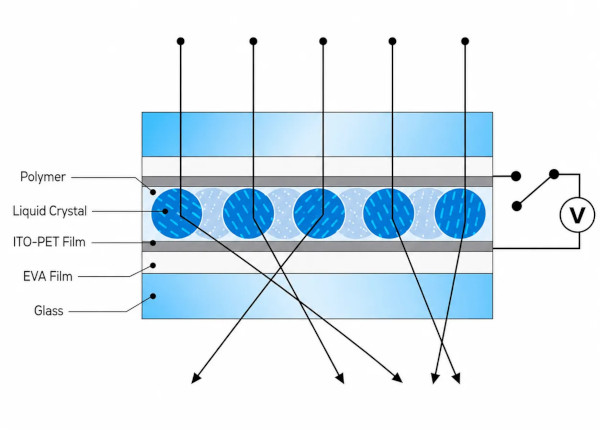
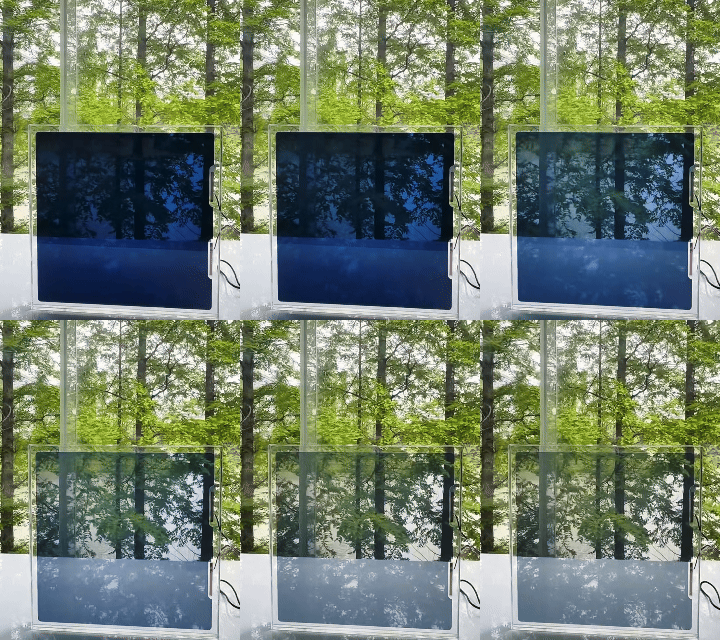
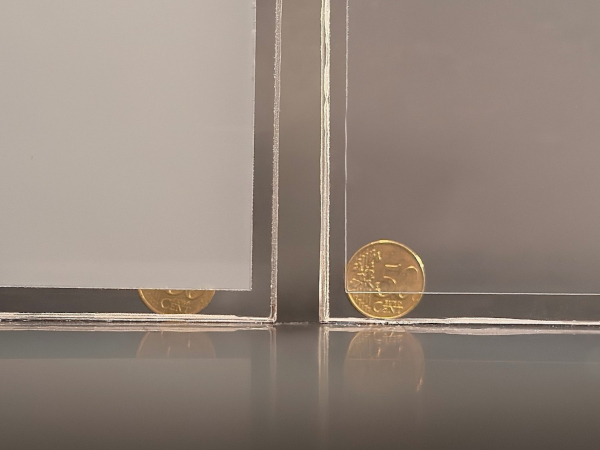
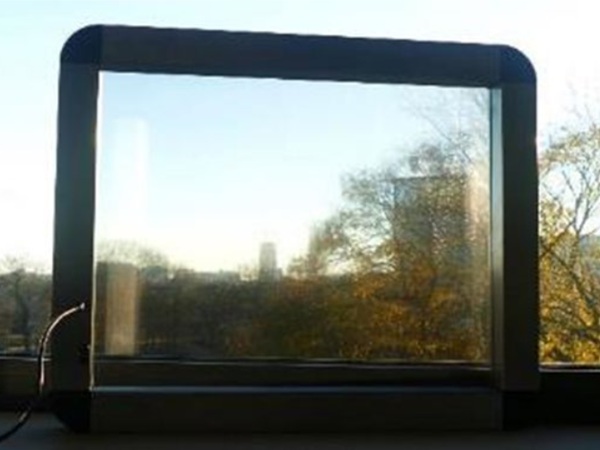
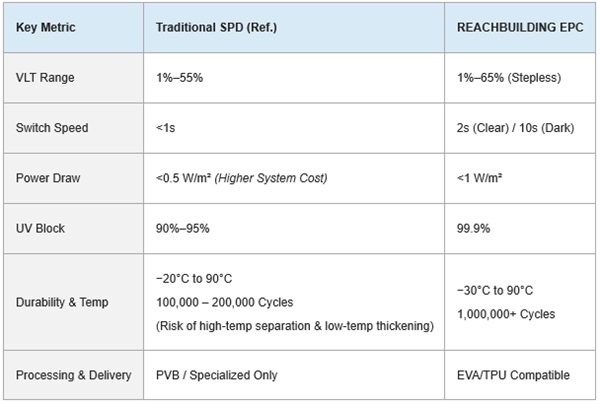
At its core, EPC operates through a precise, field-driven rearrangement of specialized active particles, adjusting transparency seamlessly in seconds—achieving a swift 2-second move from dark to clear, and a 10-second transition from clear to dark. Rather than a rigid binary state, EPC enables precise, stepless dimming based on voltage levels. With options spanning 1% to 65% visible light transmission (VLT), it fine-tunes light intensity and infrared transmission, helping reduce harsh glare while maintaining panoramic outdoor views.
This refined optical management is supported by high levels of protection and structural resilience:
- 99.9% UV Blocking: Helps safeguard high-end interior furnishings, artwork, and vehicle cabin interiors from UV-related fading and thermal aging.
- All-Weather Durability (−30°C to 90°C): Designed for use in a range of climates, maintaining stable optical properties under hot or cold conditions.
- 1,000,000+ Switching Cycles: Indicates long-term switching capability and supports reliable operation over an extended service life.
Power consumption is one factor to consider when comparing dynamic-glazing systems. The reference figures in the comparison table list less than 0.5 W/m² for traditional SPD and less than 1 W/m² for EPC. Actual power requirements can vary by product and control configuration. Furthermore, EPC film is compatible with standard EVA and TPU interlayers, helping simplify processing for glass fabricators. Combined with flexible smart controls (touch panels, remotes, apps, or light sensors), EPC gives project teams a flexible dynamic shading option supported by integrated manufacturing and technical expertise.
When evaluating dynamic glazing, the underlying technology can influence performance, fabrication requirements, and long-term project value. The comparison grid below highlights selected reference specifications for traditional SPD and EPC.
Core Differences: EPC vs. Traditional SPD
Table 1. EPC vs. Traditional SPD Comparison Grid.
EPC Solutions for New Builds and Existing Buildings
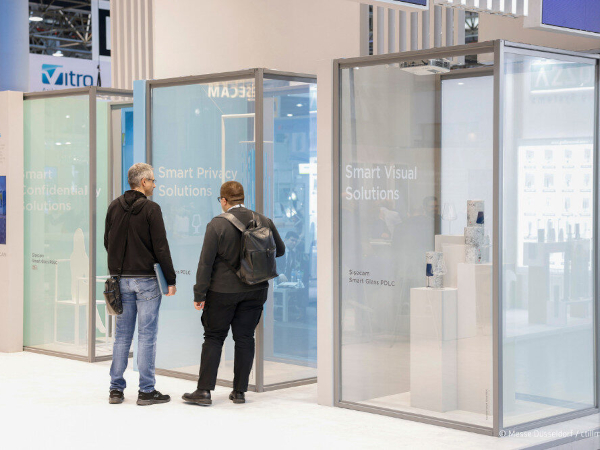
Whether you're planning a new glass facade or upgrading an existing building, EPC offers flexible ways to bring dynamic shading into your project. Available solutions range from smart film for glass fabrication and retrofits to finished glazing units and integrated control systems, supported by manufacturing capabilities and technical support for real-world applications.
Versatile Product Deployments: Film, Laminated Glass & Integrated Control
A range of EPC product formats is available to suit different architectural workflows and retrofit requirements:
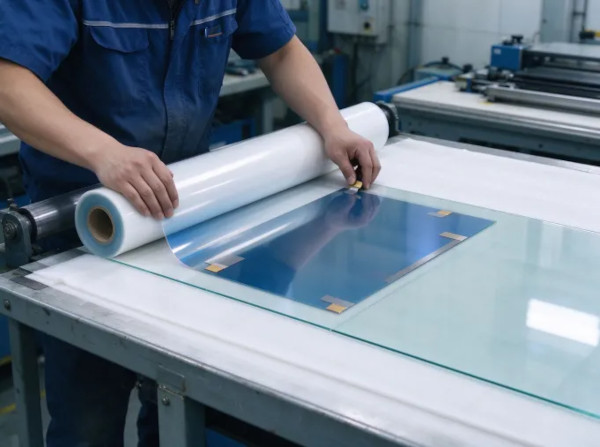
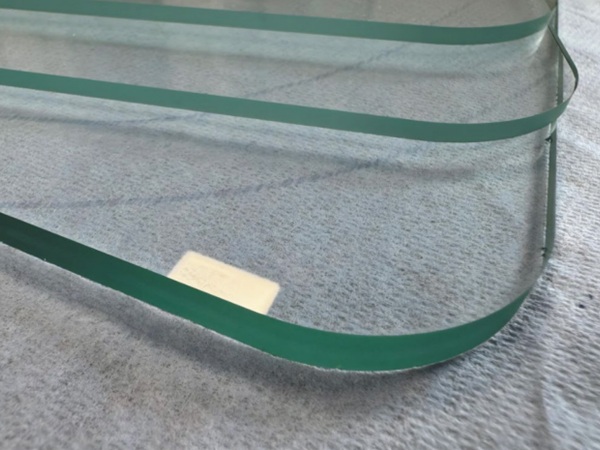
- EPC Smart Laminated Film: Designed for new glass facades and automotive sunroofs. Compatible with standard EVA and TPU interlayers, it simplifies glass lamination, helps reduce material waste, and makes production more cost-efficient for fabricators.
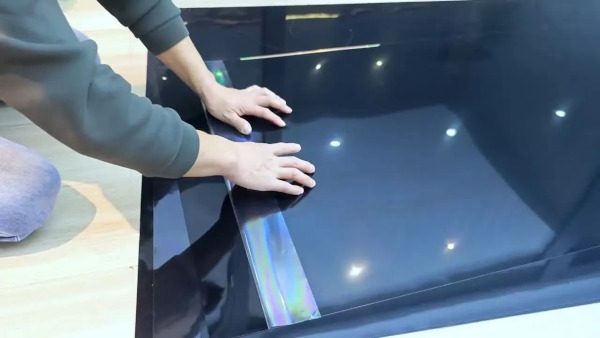
- EPC Self-Adhesive Smart Film: Ideal for glass retrofits, enabling dynamic shading upgrades without replacing existing window assemblies or interrupting facility operations.
- Finished Double-Laminated IGUs: Factory-assembled multi-cavity units that deliver acoustic insulation and solar heat control, providing a turnkey solution for modern curtain walls.
Additionally, all product formats offer flexibility in control integration. Project teams can choose from touch panels, handheld remotes, smartphone apps, ambient light sensors, or full Building Management System (BMS) automation. Beyond uniform dimming, custom segmented circuit engineering is available to enable zone-by-zone light control and dynamic, active brand LOGO displays directly on the glass.
Reliable Supply & Project Support
As an architectural glass manufacturer, REACHBUILDING combines optical innovation with industrial-scale production, turning manufacturing strength into direct commercial value:
- Guaranteed 7–15 Day Delivery: Agile production cycles help reduce project delays, minimize jobsite downtime costs, and accelerate project completion schedules.
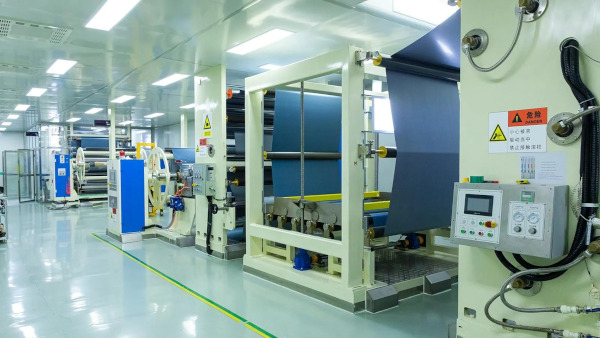
- 50,000 m²/Month Capacity: Mass production capacity supports a steady supply for large-scale commercial developments.
- Complete Technical Guidance: Engineering support includes wiring layout design, autoclave parameter optimization for local fabricators, and custom driver protocol matching.
EPC in Action: The YPL Building Project
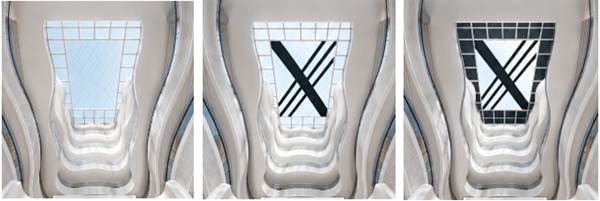
The YPL Building Project provides an example of how EPC technology and customized smart glass solutions can be applied in real architectural projects.
To move beyond traditional static glass facades, the YPL Building integrated custom switchable smart glass technology to enhance architectural flexibility and occupant experience. By dynamically adjusting transparency, the building balances natural daylight, glare reduction, and privacy without requiring mechanical blinds.
Working closely with the project team, REACHBUILDING supported multiple customized facade design concepts. The installation demonstrates how smart glass technology can create distinct visual expressions across different elevation styles, delivering a sleek, modern aesthetic alongside functional performance.
Macro Market Drivers: Moving Toward Active Glazing
Three key market forces are accelerating the transition from traditional static glass to active dynamic shading:
- Supporting ESG and Net-Zero Building Goals: Modern green building frameworks increasingly emphasize effective building-envelope management. By dynamically balancing solar heat gain and visible light, active smart glass can support solar control and may help reduce annual HVAC operating costs, depending on the building design and operating conditions.
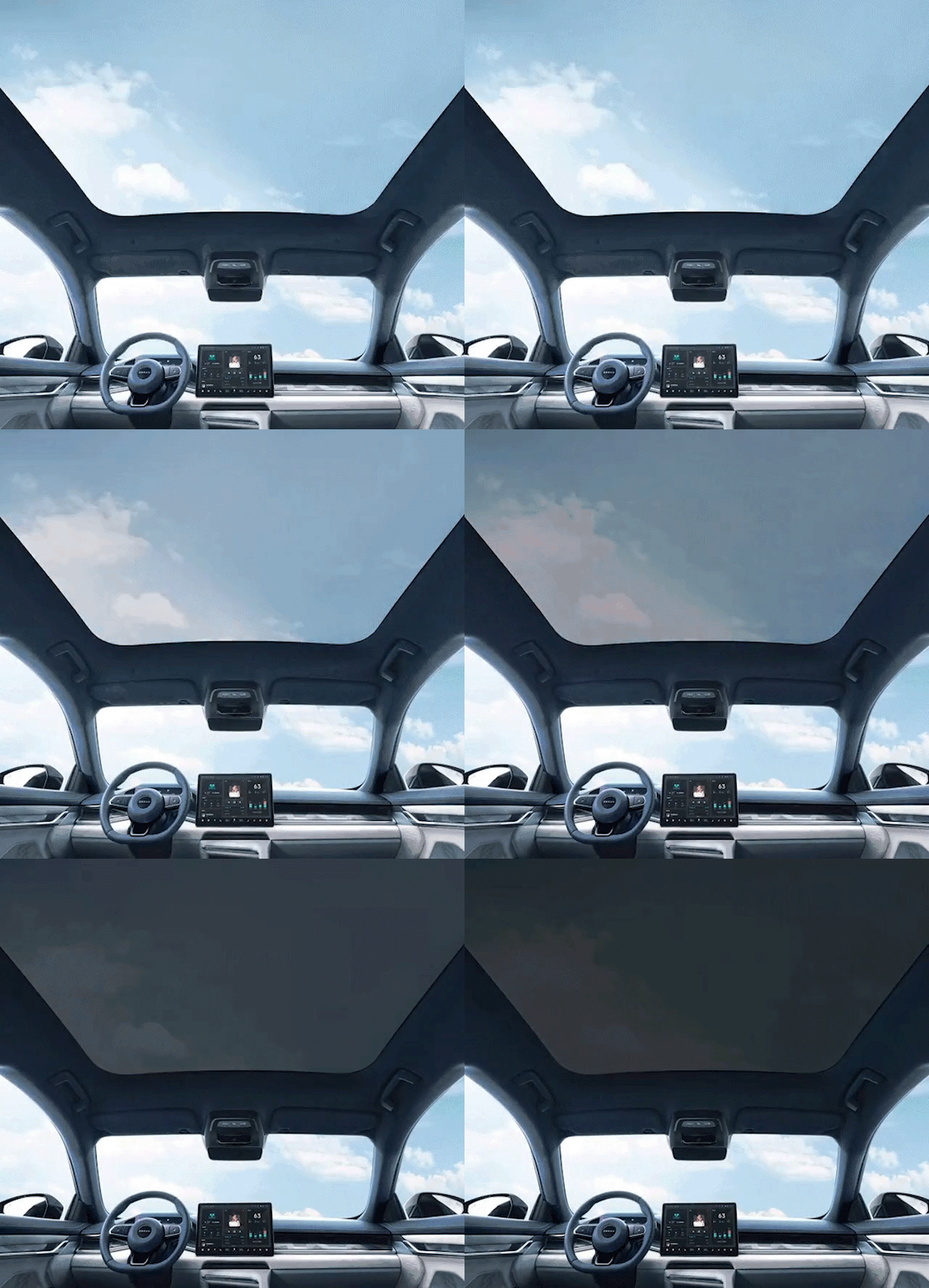
- Eliminating Heat Challenges in Sunroofs: High-end electric vehicles increasingly feature panoramic roofs. Dynamic light control can help maintain thermal comfort inside the cabin while preserving an open roof design; the overall impact on weight and headroom depends on the vehicle and glazing system.
- Transforming Facades into Connected IoT Nodes: Integrated smart glass can connect with automated building management systems, allowing facilities to use scheduled or sensor-based adjustments and support more responsive building operation.
Conclusion
The transition toward active light control is gaining momentum, and the technology selected will influence a project's long-term suitability. EPC technology is more than an incremental update to traditional SPD; it offers an alternative approach that combines adjustable light transmission, optical performance, low power consumption, and manufacturing flexibility. By addressing practical engineering and fabrication considerations, EPC can help make dynamic daylighting a practical option for modern architecture and mobility.
REACHBUILDING is positioned to support this transition at different scales—delivering everything from raw EPC films and specialized interlayers to fully integrated glass units and smart control systems. We invite facade consultants, architectural glass fabricators, and automotive OEMs to evaluate the technology firsthand. Contact our engineering team to request a standard 300 × 300 mm evaluation sample kit or to discuss technical specifications for your upcoming project.
Source and Image Credit
This article is adapted from REACHBUILDING’s original publication. Images and technical illustrations are reproduced from the original article.
Original article: Beyond SPD: How EPC Technology Is Redefining Dynamic Smart Glass – REACH BUILDING