
Others also read
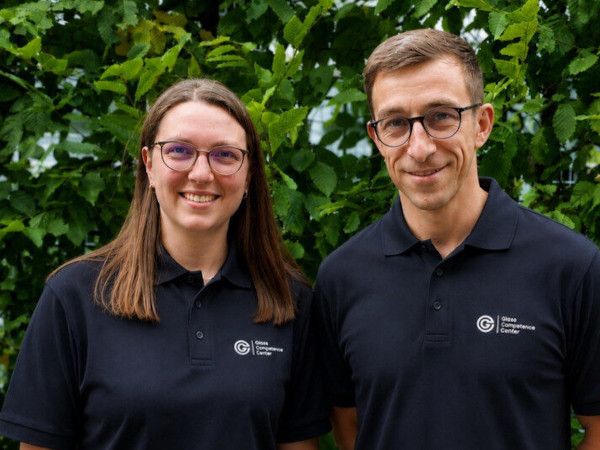
How can glass achieve higher performance while keeping construction simple? Researchers at TU Darmstadt explore this question through innovations in thin, thick, vacuum-insulating and curved glass, with a growing focus on reuse over recycling.
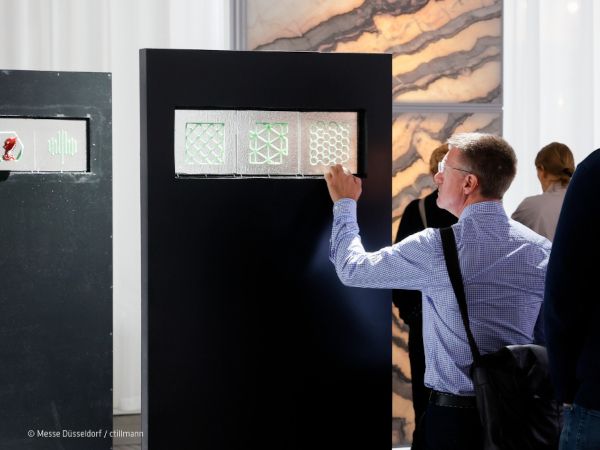
How must glass façades respond to climate change, new digital possibilities and human health requirements? Ahead of his appearance at the architecture forum at glasstec 2026, Prof. Stefan Behling of Foster + Partners discusses the building envelope…
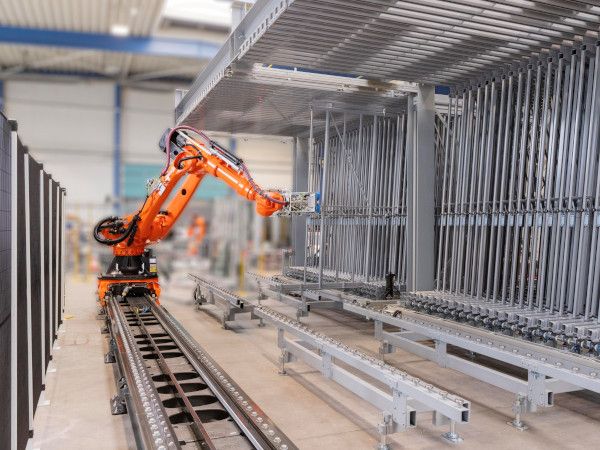
At the glasstec 2026, LiSEC will present a comprehensive portfolio of automation, robotics, and logistics solutions designed to optimize material flow throughout the entire value chain.
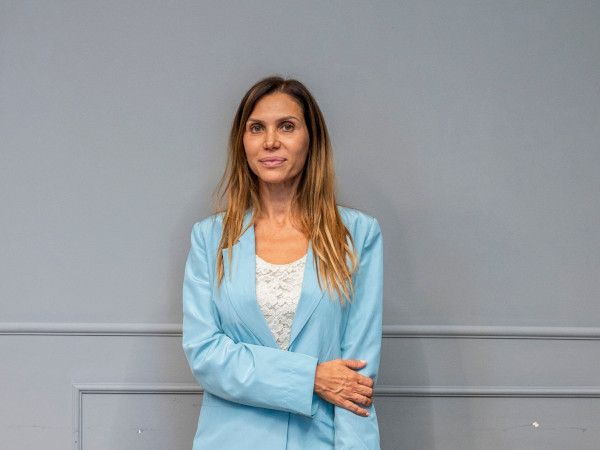
VITRUM 2027 President Barbara Antonini shares her vision for a new event format connecting glass technologies, industries and markets through the concept of the Glass Economy.
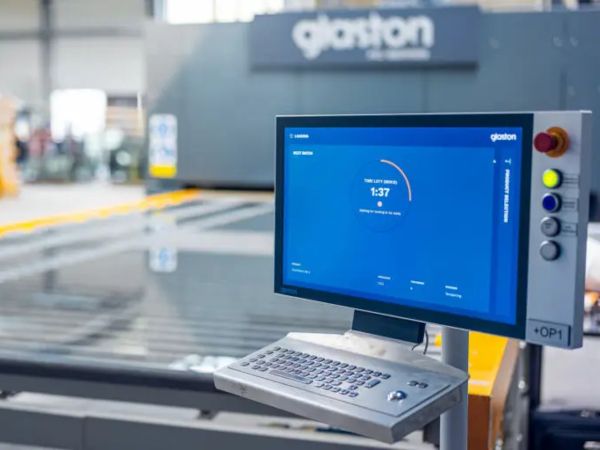
Best Glass Oy in Finland automated its tempering process with Glaston Autopilot and Glaston AutoLoad with an ERP-integrated Batch Optimizer upgrade.

As glasstec 2026 approaches, Director Daniel Feische shares his vision for the world-leading trade fair, highlighting AI, decarbonisation, circular economy and the power of industry connections.
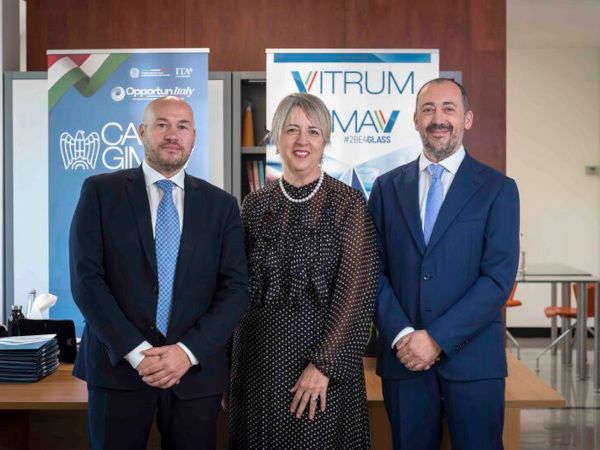
With the appointment of Matteo Padovan as Vice President of GIMAV, the association and the Italian glass industry are entering a new phase of discussion on the sector’s future.

At glasstec 2026, the LiSEC Group is presenting LiTROS, a new portfolio designed to provide a simpler and more cost-effective entry into industrial flat glass processing.

Michael Engelmann from the Institute of Building Structures at TU Dresden is conducting research into adaptive structures made from thin glass.
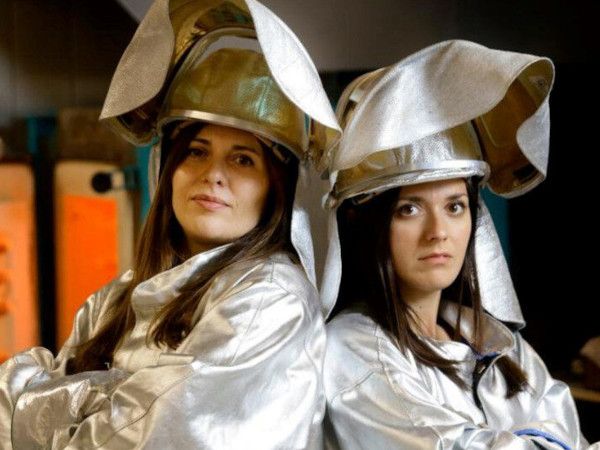
Cast glass opens up entirely new possibilities for architects and redefines our conception of glass in buildings. So say Faidra Oikonomopoulou and Telesilla Bristogianni from Delft University of Technology.

As demand for high-performance glass grows, processors face mounting pressure to increase output, reduce costs and manage an ever-wider product mix.
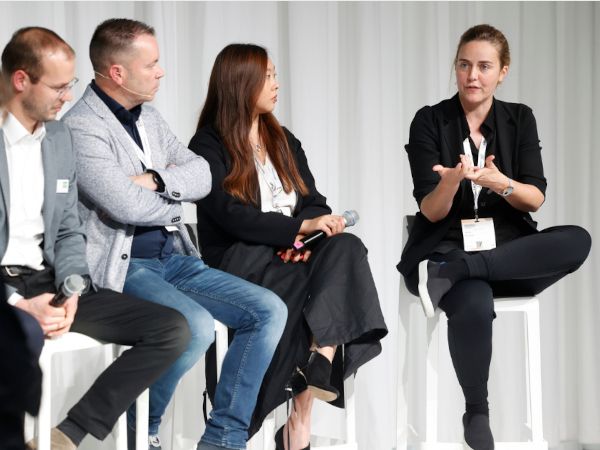
Sophie Pennetier (Digne) spoke about glass recycling in the construction sector at CircuClarity at glasstec in 2024. In this interview she explains why post-consumer glass rarely finds its way back into the cycle and who has to rethink matters first…
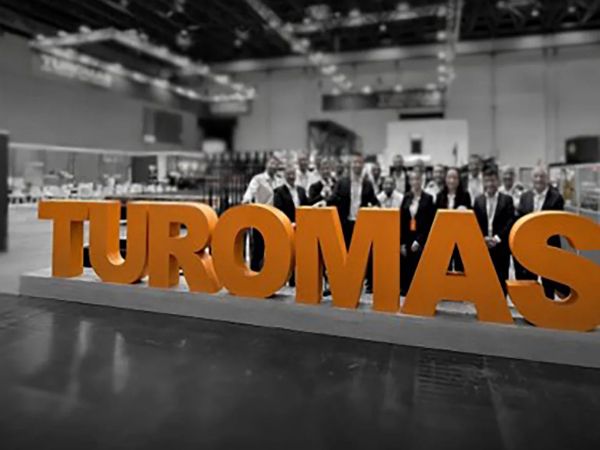
At glasstec 2026 in Düsseldorf, TUROMAS will demonstrate how automation and process integration can increase production capacity and improve workflow in glass processing plants.

With our latest generation of products, we follow a clear approach: complete transparency across the entire material and information flow, from order entry and production control through logistics to final delivery.
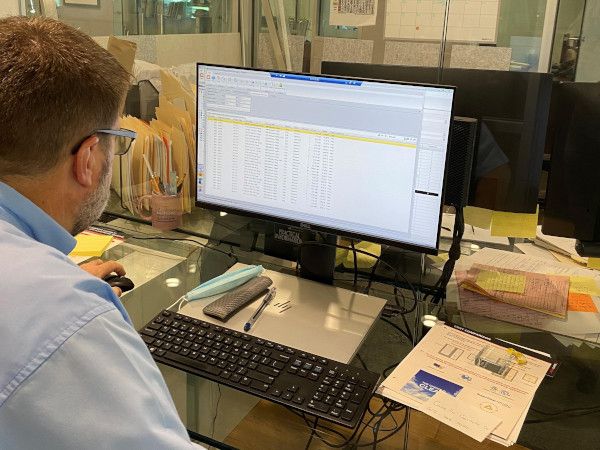
The question smaller fabricators are asking right now is, “Should we automate?” That is a fair question. Instead, you should be asking the better question, “Are we actually ready to automate?”
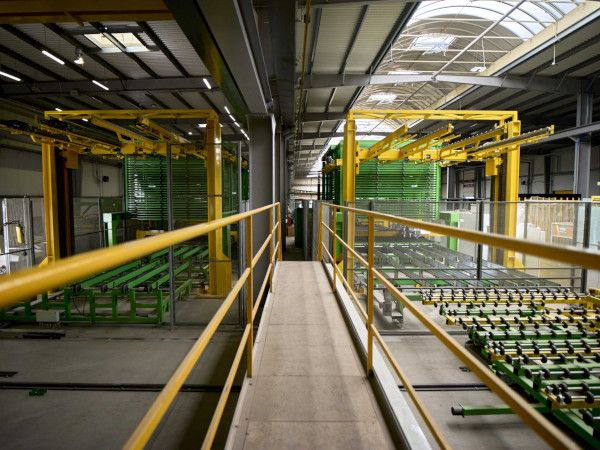
With HEGLA solutions at the heart of its glass cutting, storage and residual glass management processes, WOOD GLASS TEAM continues to combine automation, precision and quality to meet increasingly demanding market requirements.
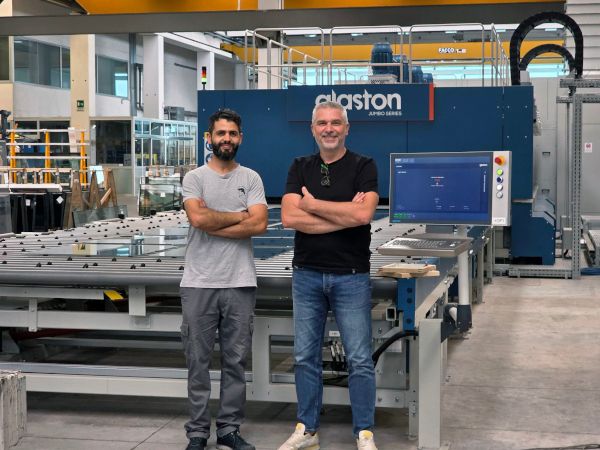
Automation streamlines production of oversized architectural glass

Glass shops are under pressure to do more with less. A+W Software has the tools to help.

At glasstec 2026, LiSEC will present a complete insulating glass line with a focus on thermoplastic and rigid spacers, as well as innovative solutions for secondary sealing.

Two years after CircuClarity One, the initiators take stock: what has really changed in the glass sector and what does it take for good ideas to make a real impact?
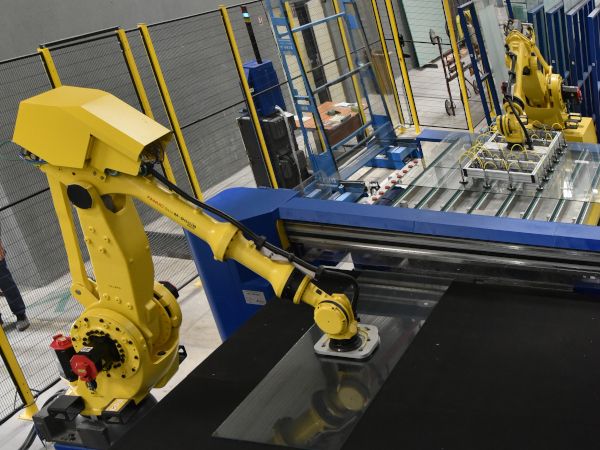
Automation and AI are no longer optional in glass manufacturing. Discover how they reduce risk, improve decision-making, and help fabricators shift from reactive operations to proactive control.
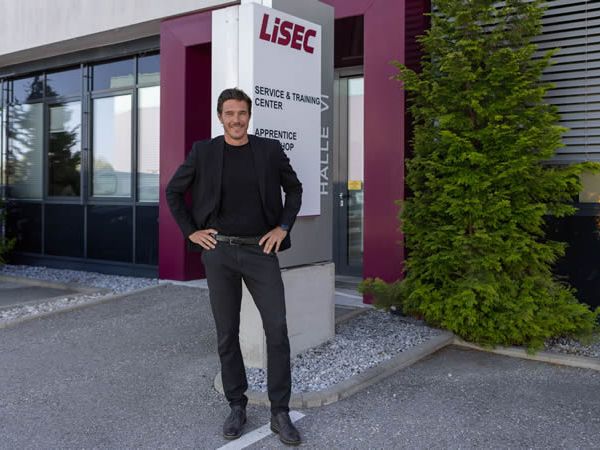
At glasstec 2026 in Düsseldorf, LiSEC will demonstrate the concrete contribution service makes to stability in glass production.
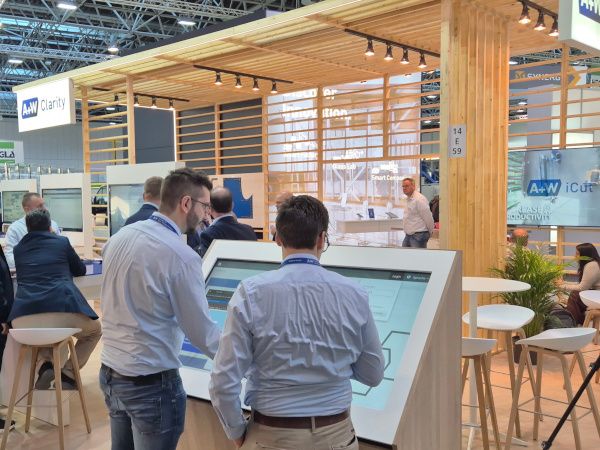
From October 20–23, 2026, A+W Software will be exhibiting in Hall 14, Booth E59, how processes in flat glass processing can be organized more easily and better integrated.

Artificial intelligence is playing an increasingly practical role in the glass industry, helping manufacturers simplify processes, reduce errors and improve operational efficiency.
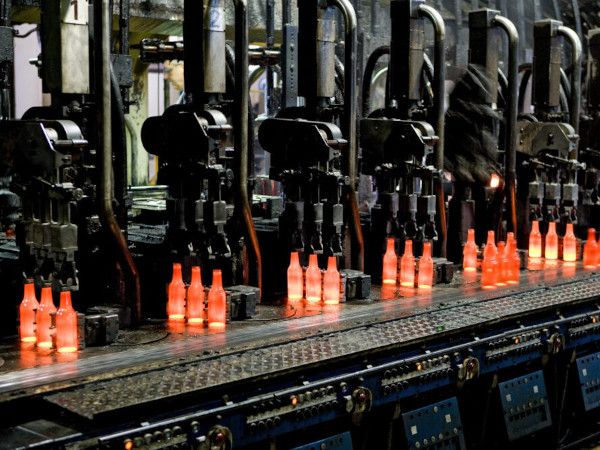
How can the energy-intensive glass industry, so far heavily dependent on natural gas, become CO2-neutral by 2045?