
Date: 19 June 2026
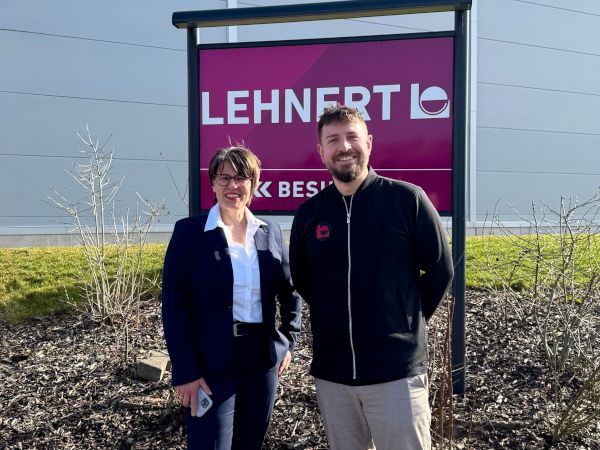
Lehnert GmbH, an established manufacturer of modern office partition systems, has further enhanced its quality assurance processes by implementing the Viprotron ECO Scanner. For the family-owned company, now managed in its third generation by Managing Director Robert Köppen together with his father Lutz Köppen, glass quality plays a central role. In doing so, the company continues the tradition of its grandfather and founder, Detlef Lehnert, while consistently adapting to the requirements of modern working environments in recent years.
Where glass once served primarily as a supplementary element, it has now become an essential component of modern partition systems. Large glass surfaces create transparency and openness, but at the same time place high demands on appearance, safety, and acoustic performance. Especially in sophisticated office projects, every detail is closely examined. Even the smallest scratches, inclusions, or bubbles are noticed by customers and are not accepted.
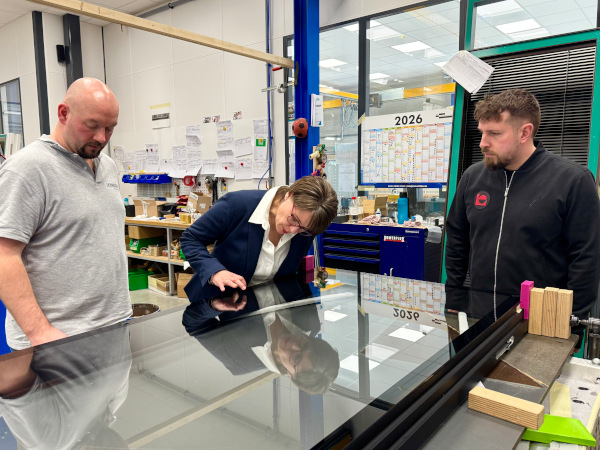
In addition, Lehnert sources glass from various suppliers. Quality levels can vary, while each supplier brings its own strengths. For the company, this means organizing its quality control processes in such a way that consistently high quality can be ensured regardless of the supplier.
For a long time, glass surface inspection was carried out exclusively through manual visual checks. Employees inspected the glass directly at the washing machine during the production process. However, with increasing production volumes and growing quality requirements, this approach increasingly reached its limits. Defects were sometimes only detected after the glass had already been further processed or even delivered to the construction site. The result was rework, delayed replacement deliveries, and additional effort in project execution.
The path to a solution emerged directly from day-to-day operations. As quality expectations continued to rise, it became clear that an additional, reliable inspection process was necessary. Experience within the company also played an important role. Both Robert Köppen and Production Manager Dennis Weitmann had previous contact with Sandra Kugler from Viprotron. In particular, Dennis Weitmann brought extensive knowledge of scanner solutions from his previous work in the glass industry and knew exactly what was required in everyday production environments.
Based on this foundation, a shared understanding quickly developed regarding the requirements an automated solution needed to fulfill. Discussions focused specifically on how such a technology could be integrated into the existing production environment without disrupting workflows. The key objective was to find a solution that was not only technically convincing but also practical for everyday use.
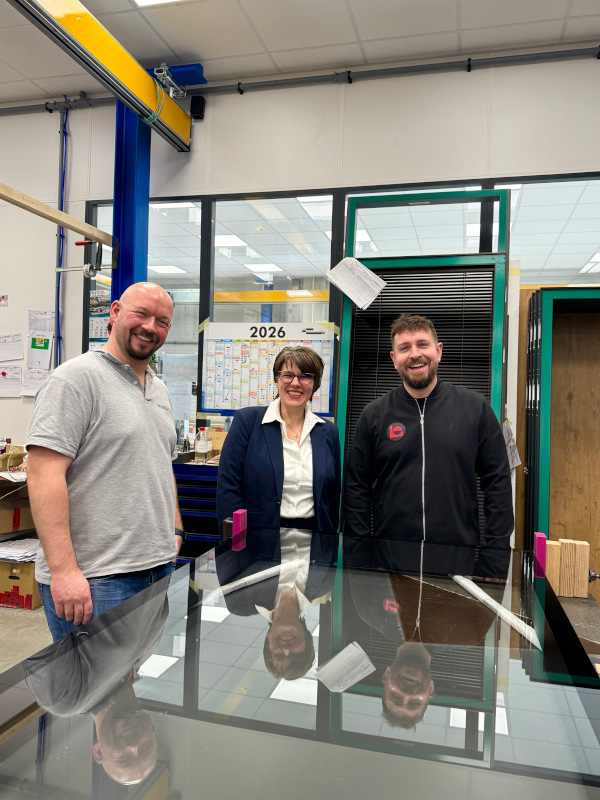
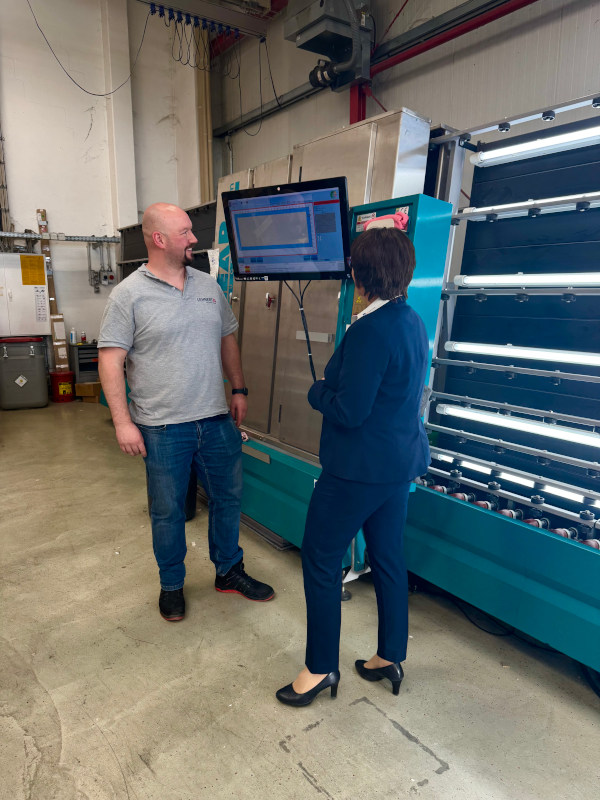
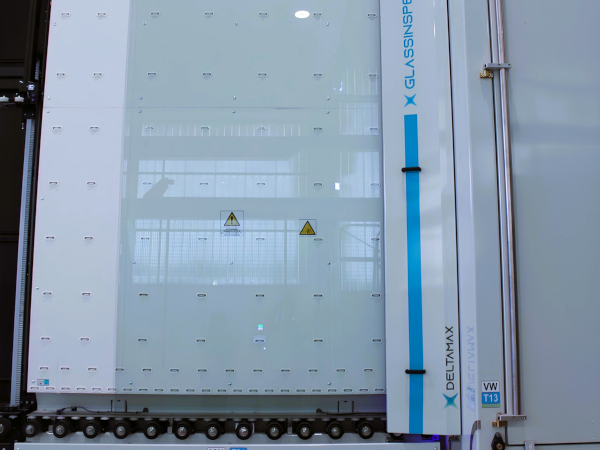
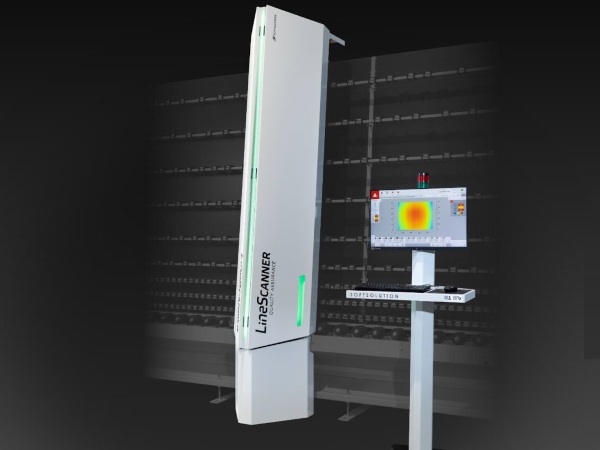
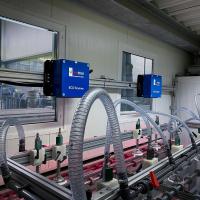
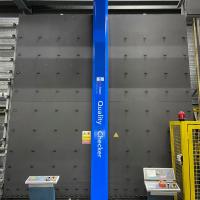
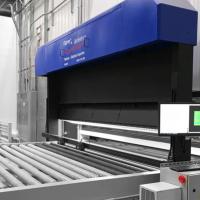
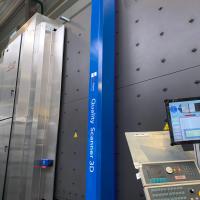
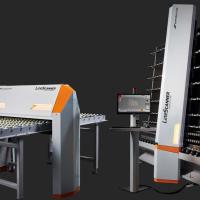
Lehnert ultimately chose the Viprotron ECO Scanner, a system that fully meets the requirements of daily production operations. In addition to its attractive price-performance ratio, the compact system design and ease of integration were decisive factors. In Lehnert’s case, the camera module was installed behind the washing machine, while the reflector belt was positioned in front of the system, differing from the standard configuration. This made it possible to implement a particularly space-saving solution that could be integrated into the existing production line without major modifications. As a standard setup, the ECO Scanner is installed in front of the system, eliminating the need for an additional gap in the production line or conveyor system.
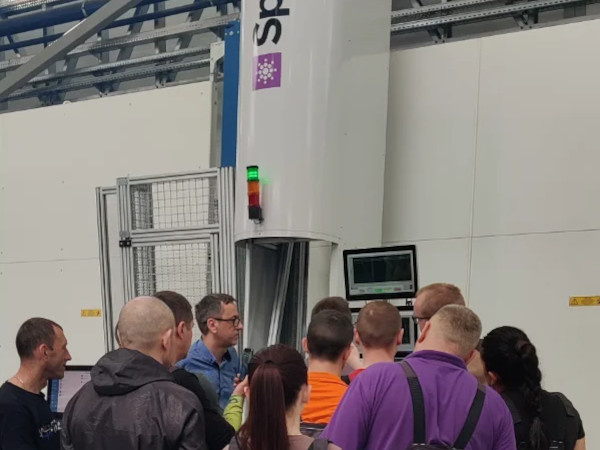
After commissioning, the system was configured by a service technician and the employees received the necessary training. Thanks to its intuitive operation, the ECO Scanner was already being used in daily production on the same day.
Since then, the ECO Scanner has continuously monitored the quality of glass surfaces. Defects are detected at an early stage and displayed visually, allowing immediate decisions on whether a pane can be further processed or not. As a result, issues are identified directly within the process rather than during later production stages or at the construction site.
For Lehnert, the introduction of automated inspection has delivered clear benefits. Process reliability has increased significantly, and the complaint rate has been reduced. In addition, the visual display of defects enables quick assessment during production. This allows operators to determine whether a pane can be reworked or whether a supplier complaint is necessary.
This provides additional security, especially for larger construction projects. Lehnert can rely on the fact that only flawless glass proceeds to further processing, ensuring projects can be completed reliably. At the same time, greater transparency is created within the quality process, which can also be communicated to customers.
Lehnert already recognizes today that automated quality control will continue to gain importance in the future. Particularly in times of increasing requirements and limited resources, it represents a key factor for long-term business success.
The collaboration demonstrates how important experience, personal exchange, and a strong network are. With the Viprotron ECO Scanner, Lehnert has found a solution that sustainably ensures quality, stabilizes processes, and efficiently supports daily operations.
 600450





Add new comment