
Photo source
glassforeurope.com
Date: 18 March 2019
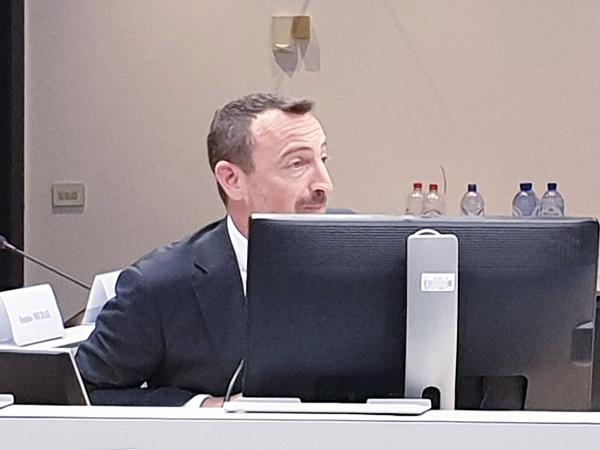
Friday March 15th, Bertrand Cazes, Secretary General of Glass for Europe, intervened at the Energy Efficiency Expert Group meeting on the calculation of energy savings under Article 7.
The aim of the meeting was to discuss the possibility to develop non-binding lifetime values for calculating energy savings and to assess if applying a declining rate to the measures undertaken by Member States in the context of the Article 7 of the Energy Efficiency Directive
Glass for Europe sustained that it is more appropriate to exclude windows from the calculation of a declining rate of savings in the 10 year horizon provided by the EED, for the reasons below:
- As confirmed by studies and market analysis and indicated in standards, windows have a lifetime of more than 30 years
- As windows’ lifetime is longer than the measure supporting window retrofitting, the risks of “no retention effects” (e.g. products removed due to obsolescence) is almost inexistent
- If any decrease in performance were to occur, it will be only at the end of the lifetime of window. Energy performance does not substantially decline over time as stated in product standard for IGU (hEN 1279)
 600450
glassforeurope.com
2019-03-18T09:53:25
Insignificance of window performance declining rate under EED article 7 | Glass for Europe
glassonweb.com 



Add new comment