
Date: 8 March 2024
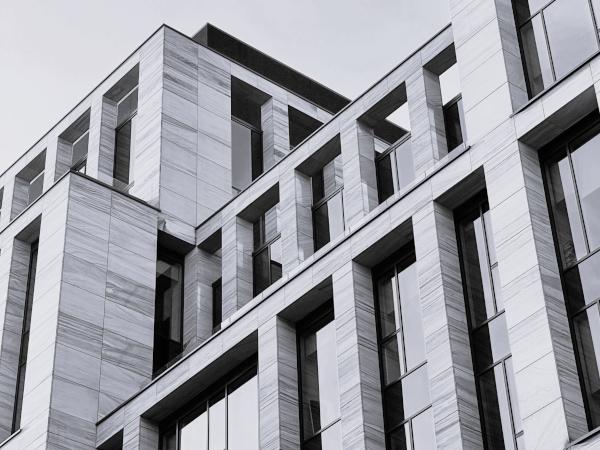
Glass for Europe has published a Q&A on the role of glass in sustainable buildings. Structured around three main questions, the Q&A helps to approach the issue of carbon from different angles. As the operational carbon of buildings (generated by the heating and cooling systems) is increasingly understood and addressed in policies, the focus is shifting to the embodied and whole life carbon of the built environment to ensure the full decarbonisation of buildings. In these debates, glass will prove that it’s not just a building material, but a key component of facades with a primary role to play in reducing the carbon footprint of buildings.
Based on existing literature, the Q&A provides an overview of the latest research and examples of contribution of glass to improving the sustainability of buildings. However, the specifics of each project and many parameters other than the glazing characteristics have a direct impact on energy efficiency, such as the façade materials, the insulation of the envelope (roof, walls and windows), but also the design of the building and its geographical location.
A number of sub-questions have been added to further explore each aspect. These allow us to look more specifically at the sustainable aspects of raw materials, transport, innovation and the availability of lower carbon products…
Read the Q&A on the Sustainable Buildings dedicated webpage accessible here.
 600450







Add new comment