Glass for Europe: Energy Balance at CA EPBD Plenary Meeting

Glass for Europe: Energy Balance at CA EPBD Plenary Meeting
Photo source
glassforeurope.com

Date: 14 June 2019

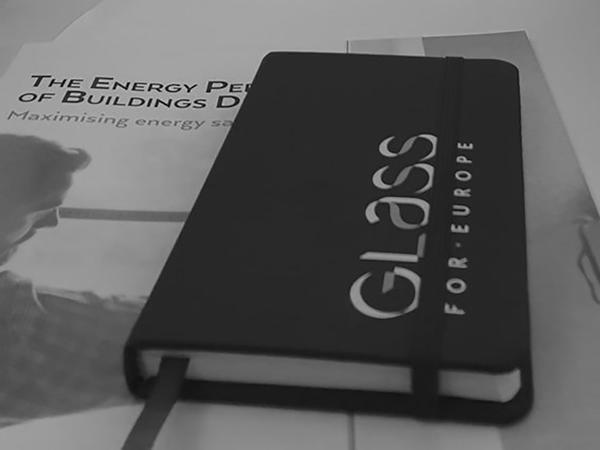
On 5 June, Glass for Europe was in Riga, to meet national delegates from all EU members (and Norway) who gathered to discuss the EPBD implementation during the CA EPBD – Plenary Meeting.

The European flat glass association took part in the informal session “How could calculation methods improve national savings on existing building stock and how to implement it in practice?”, organised by Eurowindoor to support the application of the energy balance while assessing the energy performance of windows.

Luca Oggianu presented to an audience of EPBD experts from EU Member States the main outcome of the recent study Glass for Europe commissioned to TNO on the potential impact of high-performance glazing on energy and CO2 savings in Europe.

The intervention focused on the urgency of increasing the renovation rate and the necessity of equipping the EU buildings with the adequate type of glazing to ensure long-term energy savings and CO2 emission reduction.
600450 Glass for Europe: Energy Balance at CA EPBD Plenary Meeting glassonweb.com

Others also read

More than a trade show, China Glass 2026 will help define the future direction of the global glass industry.
On 11 March, the Board of Directors of Glass for Europe convened for the association’s General Assembly, where members confirmed the leadership of Davide Cappellino (AGC Glass Europe) for another term.
Time is running out to secure an in-person or online place at the Next Generation Industry Conference, being staged on Wednesday 18 March 2026 by Glass Futures.
GGF President Mike Butterick has issued a clear warning to the glass and glazing sector on the business-critical impact of regulation and the need to adapt fast to an era of unprecedented change.
HEGLA’s IG2Pieces system has been nominated for the prestigious Fensterbau Innovation Award, highlighting its contribution to advancing circular solutions in the glass industry.
Glass can be molten indefinitely without losing quality – a property that makes it a key material for circularity. But the distance to cover towards a genuine circular economy varies by glass segment.

Add new comment