
Others also read
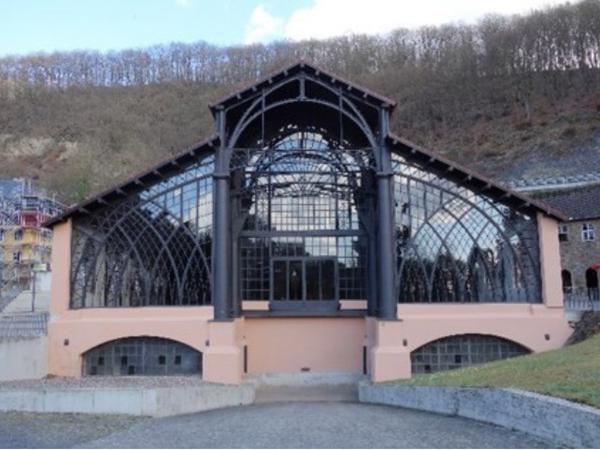
| The present work presents the investigation of historical glass and glass constructions in a suburb of Dresden.

| Laminating glass together with a PVB or ionoplast interlayer can help mitigate security threats that range from smash and grab burglary, forced entry, ballistics, to even bomb blast.
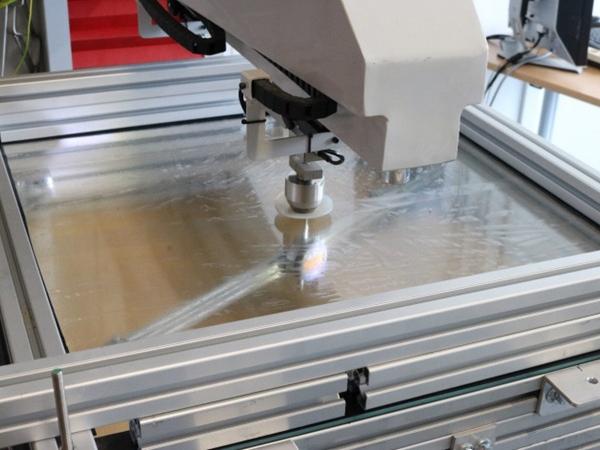
| A novel approach to generate a flat plate with enhanced stiffness has been identified. This approach is scalable, offering the potential for improved stiffness for both large-format glass and thin, chemically tempered glass.

| With increasing concern over plant conservation, there has been a renewed interest in large-scale, enclosed botanical garden structures.
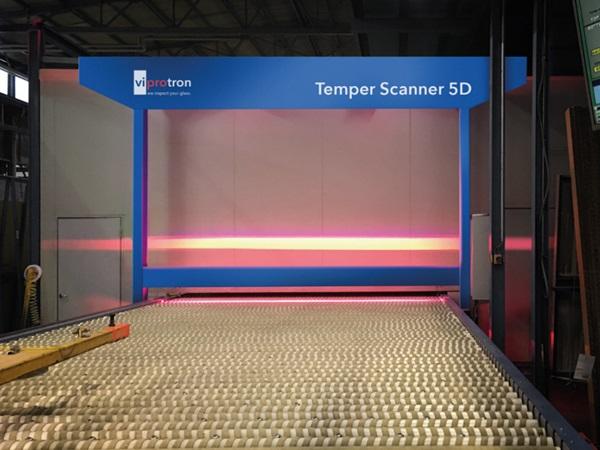
| The new complete metrology scanner after furnace exit and its capabilities for furnace optimization and quality control.
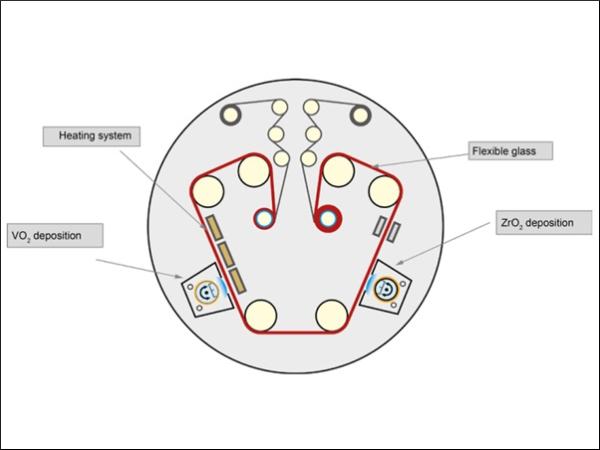
| The authors present results achieved in a roll-to-roll deposition process of vanadium oxide on flexible glass of 0.1 mm thickness.

| Curved glass is fundamental in advanced architecture which incorporates a magnitude of glass with organic forms throughout these cutting-edge design structures.

| In the latest Glastory blog post, Antti Aronen analyzes the transformative potential of automated glass tempering.
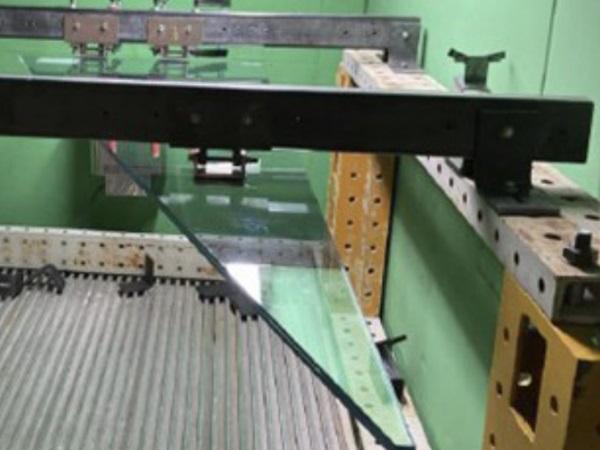
| Glass is a brittle material. After the stress due to loading exceeds the resistance, a breakage occurs, and the glass is no longer intact.
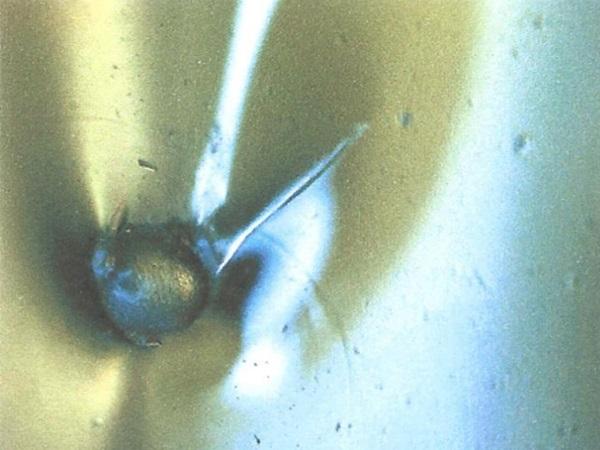
| Spontaneous breakage of fully tempered glass in facades is under control today when the heat soak process according to EN 14179-1 (2006/2016) is rigorously carried out.
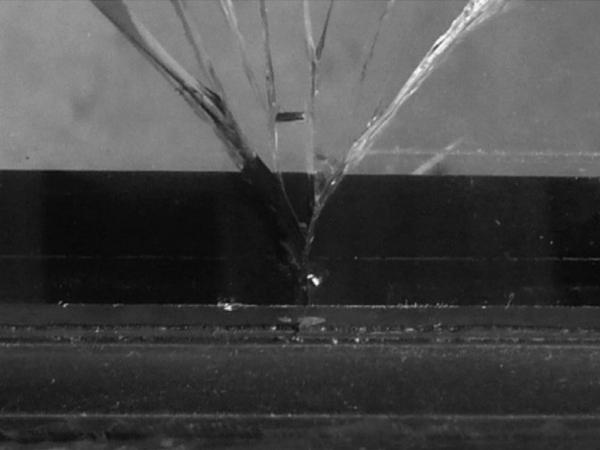
| Identification and optimisation of cutting process parameters
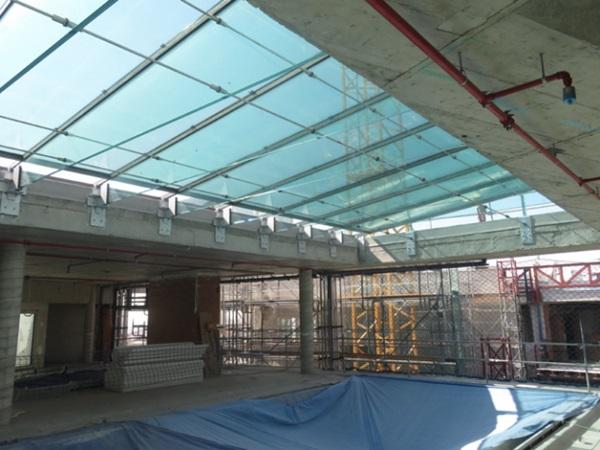
| This paper describes the lessons learned when using structural glass to carry out a canopy design integrated into a new façade.
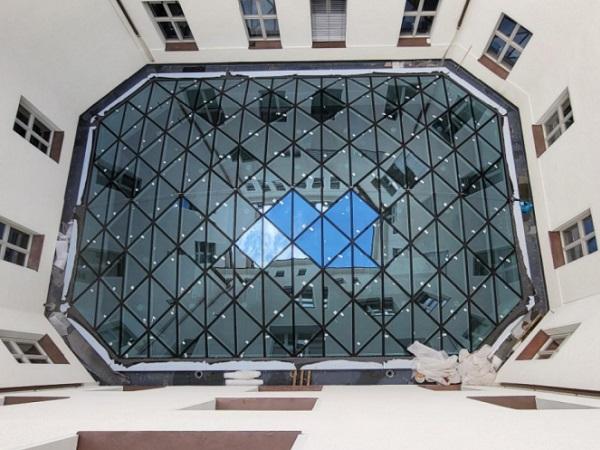
| New fire-resistant load-bearing glass beams are under development and examined within a joint research project between Hero-Fire GmbH, Taupitz GmbH & Co. KG and Technische Universität Dresden.

| Read about Uwe Risle's presentation at Glass Performance Days 2023, "Thermoplastic spacer (TPS) - process requirements for optimal application"

Unlocking energy efficiency potential: vacuum-insulated glazing for sustainable buildings - Glastory
| Read more about Antti Aronen's presentation at Glass Performance Days (GPD) 2023, "An enhanced model of thermomechanical loading on a Vacuum Insulated Glazing".

| In the new Glastory post by Matthias Loppacher, we explore the evolving landscape of automotive glazing and display processing – and discuss strategies for keeping up with the changes.
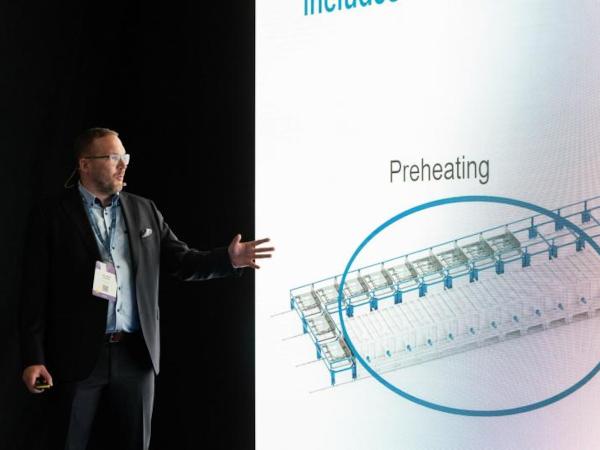
| In the latest Glastory blog post, Antti Aronen introduces how the complexity of automotive windshields and sunroofs has significantly increased with evolving modern car designs.

| In this episode, Gennadi Schadrin, Director Research & Development IG, shares insights into its creation and the remarkable benefits it brings to glass processors.
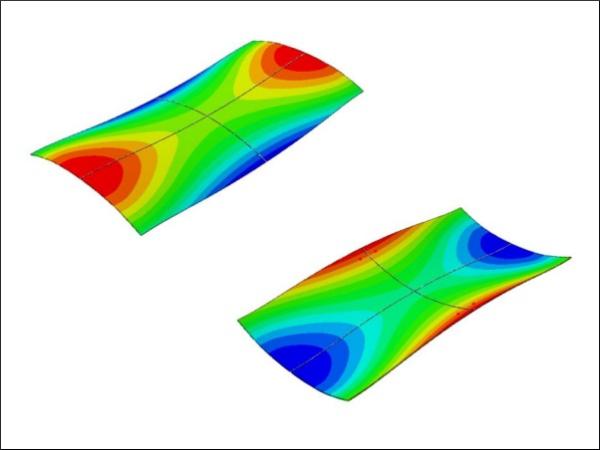
| This study provides important design guidance to the Photovoltaic (PV) solar panel development efforts using the finite element based computations of the PV module under the mechanical loadings.
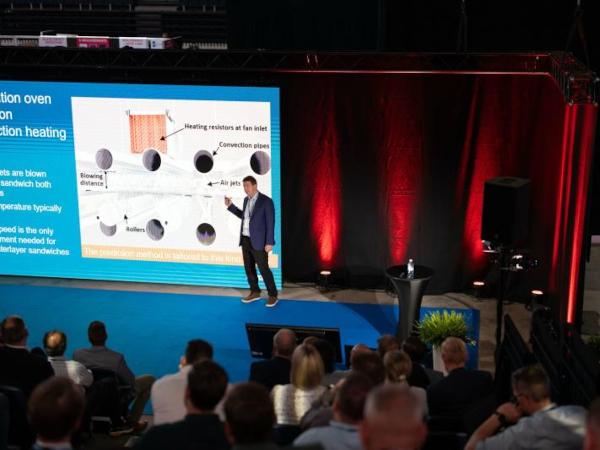
| The latest Glastory blog presents how to overcome interlayer temperature hurdles in laminated glass processing with the prediction method. More of the presentation by Mikko Rantala at GPD 2023.

| This is the first video in Glaston's new #AskGlaston Insulating Glass Manufacturing Series.
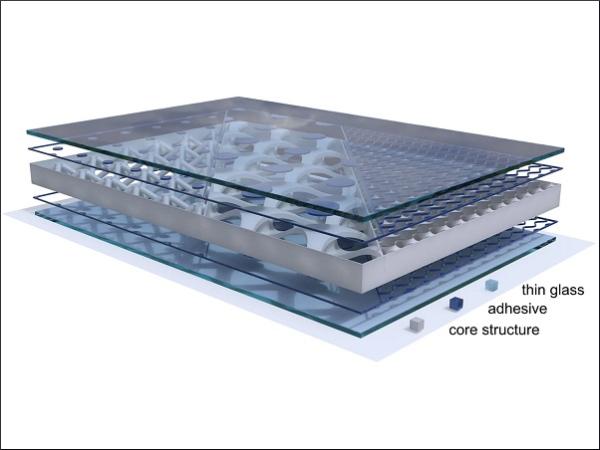
| The current paper explores how digital techniques can be used in the design and manufacturing of an innovative composite façade panel consisting of an additively manufactured polymer core and adhesively bonded thin glass outer sheets.
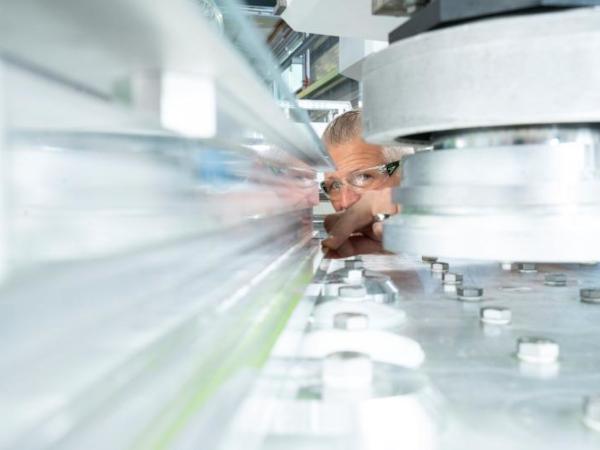
| In the latest Glastory blog, Jukka Immonen shares some practical tips for optimizing energy consumption in automotive glass production. From preprocessing to final inspection, there is huge potential every step of the way.
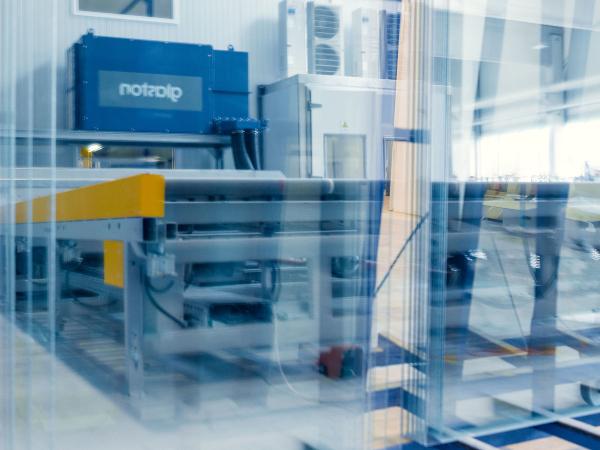
| Gain multiple benefits with upgrades to the glass laminating furnace

| Dow has a strong commitment to sustainability and recently introduced the first externally PAS2060-verified carbon neutral silicones for façades.