
Others also read

Unlocking energy efficiency potential: vacuum-insulated glazing for sustainable buildings - Glastory
| Read more about Antti Aronen's presentation at Glass Performance Days (GPD) 2023, "An enhanced model of thermomechanical loading on a Vacuum Insulated Glazing".

| In the new Glastory post by Matthias Loppacher, we explore the evolving landscape of automotive glazing and display processing – and discuss strategies for keeping up with the changes.
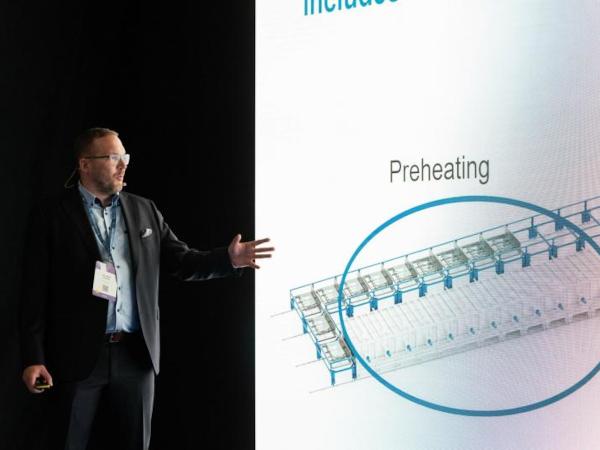
| In the latest Glastory blog post, Antti Aronen introduces how the complexity of automotive windshields and sunroofs has significantly increased with evolving modern car designs.

| In this episode, Gennadi Schadrin, Director Research & Development IG, shares insights into its creation and the remarkable benefits it brings to glass processors.
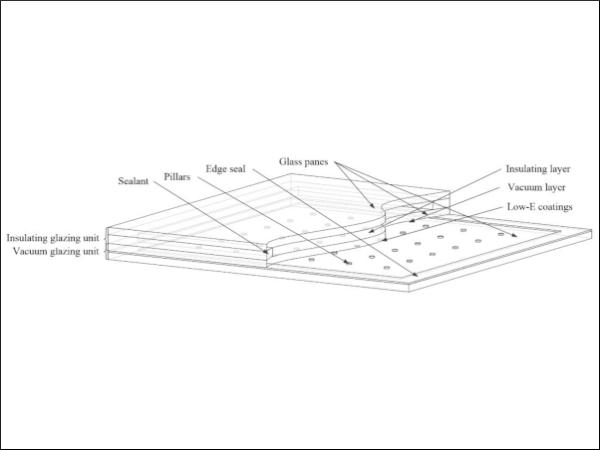
| In this paper, a prediction method of the heat transfer coefficient of composite vacuum glazing (CVG) is proposed.
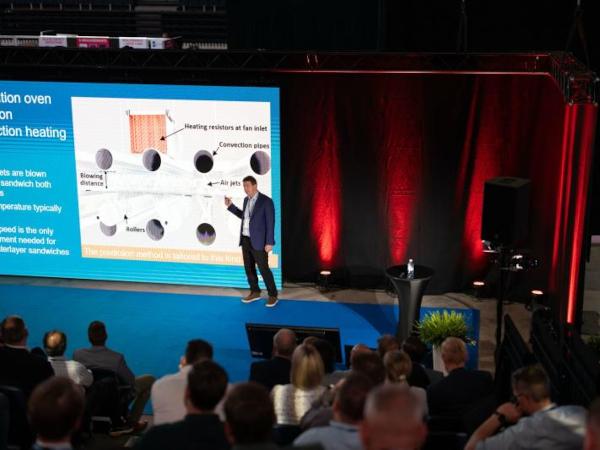
| The latest Glastory blog presents how to overcome interlayer temperature hurdles in laminated glass processing with the prediction method. More of the presentation by Mikko Rantala at GPD 2023.

| This is the first video in Glaston's new #AskGlaston Insulating Glass Manufacturing Series.

| In the latest Glastory blog, Jukka Immonen shares some practical tips for optimizing energy consumption in automotive glass production. From preprocessing to final inspection, there is huge potential every step of the way.
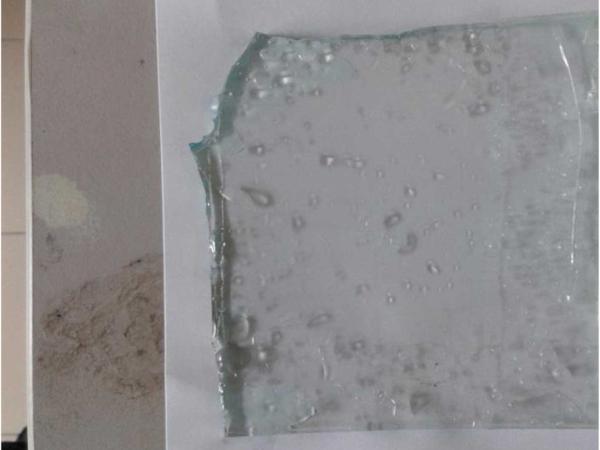
| In this study, the superhydrophilic coating behavior on glass substrate has been developed.
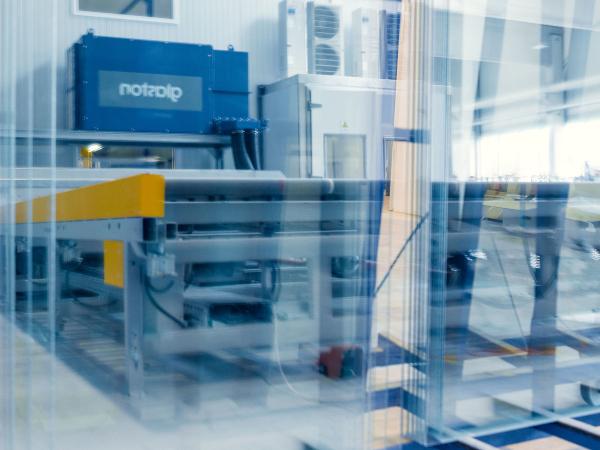
| Gain multiple benefits with upgrades to the glass laminating furnace
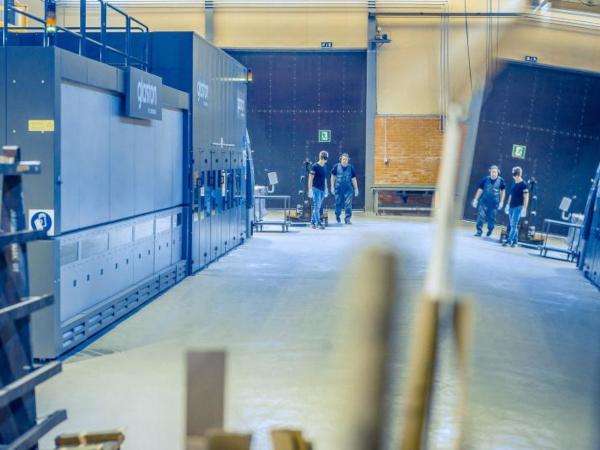
| Read the latest Glastory blog by Taneli Ylinen.
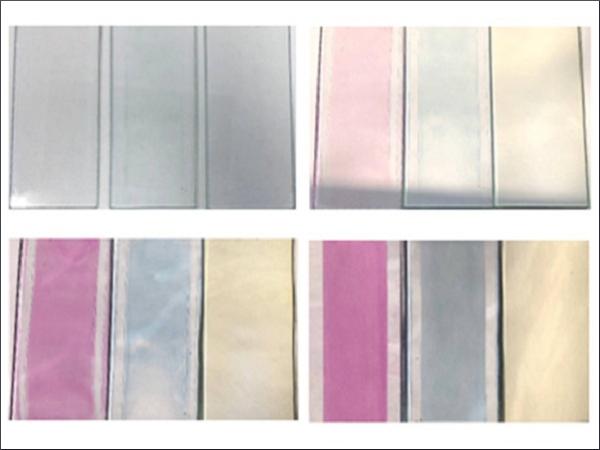
| This paper examines the visual performance of building facades that utilize windows with different photochromic-coated glass.
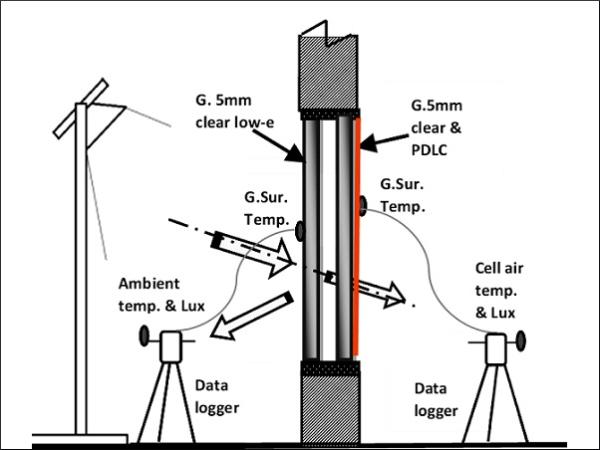
| This paper aims to contribute to this topic by examining the potential of a smart window system that has double dynamic insulated glazing in preventing heat gain and maximising daylight indoors.
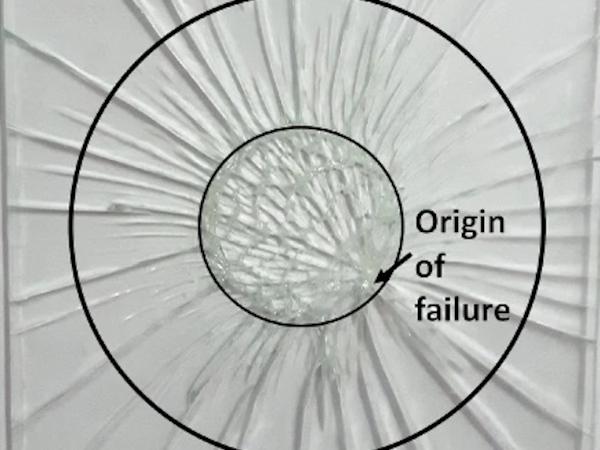
| The durability of an innovative polymeric coating recently developed by the authors to prevent stress corrosion in annealed glass is herein examined.

| In this third episode of the #AskGlaston flat tempering series, Taneli Ylinen deals with the commonly asked question of how to handle the issues with mixed production.
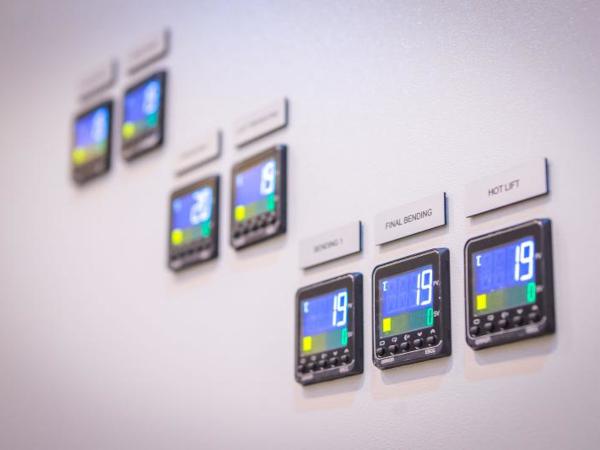
| In this post, we discuss what emerging designs require and how automotive glass processors can meet these requirements.
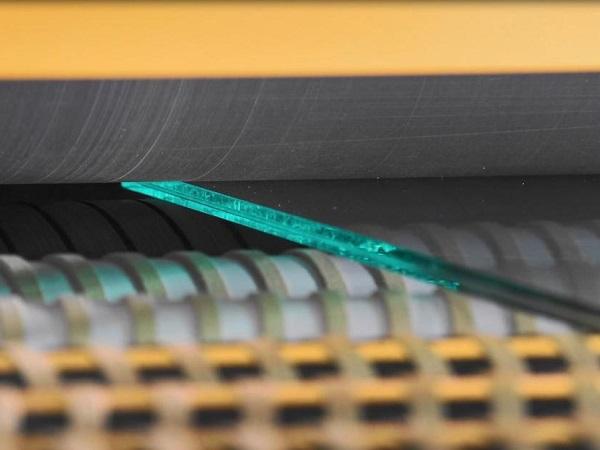
| This Glastory blog by Kalle Kaijanen is dealing with the processing of high-strength / structural laminates.
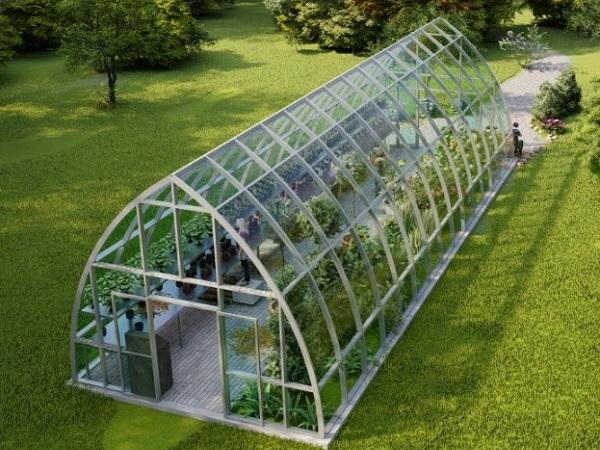
| The results of the classification of hail resistance classes for different materials for greenhouse enclosures are presented in this paper.

| Color Depth is a material-based research project investigating the optical and structural properties of thick glass.
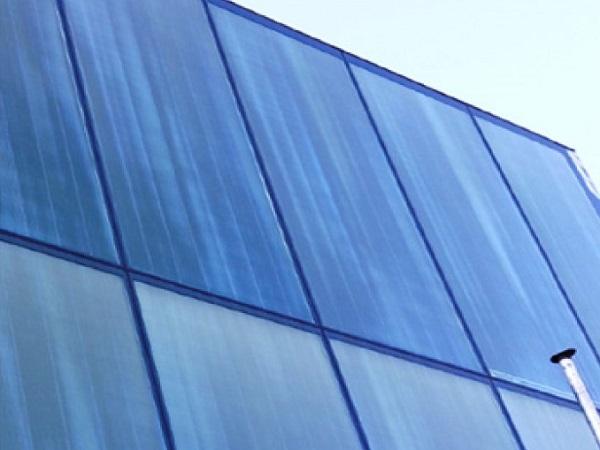
| In this paper, we present the development of an intrinsic parameter σQM characterizing the sensitivity of a coating (or configuration) to the quench marks.
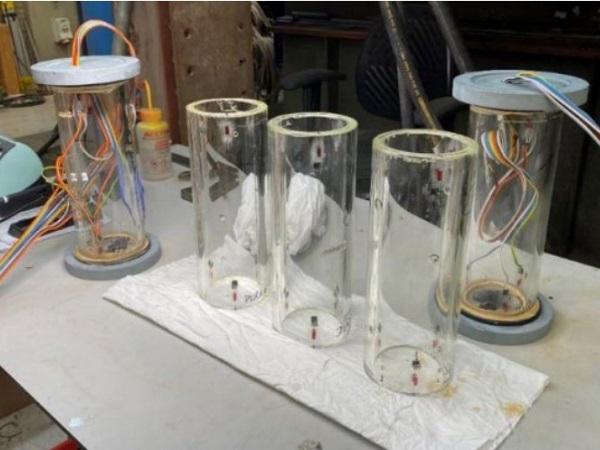
| This research revolves around the design, fabrication and testing of tubular glass columns, with particular focus on their redundancy and fire-safety mechanisms.

| In the second episode of #AskGlaston Flat Tempering Series, we will talk about the new solution to estimate the stress level in glass – online.

| This first episode is devoted to the white haze phenomenon – one of the most asked about issues in the history of #AskGlaston.
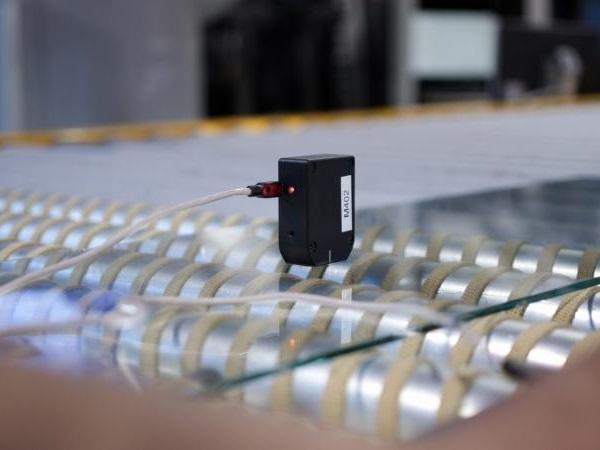
| This latest Glastory blog by Miika Äppelqvist is dealing with the areas of the tempering process that can be improved to make operations more efficient.
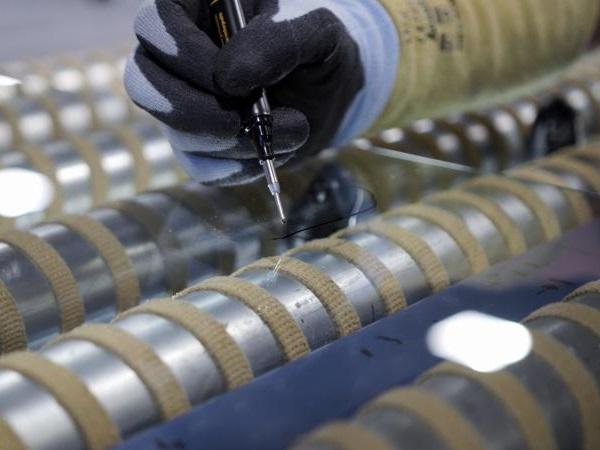
| Industry demand for impeccable glass quality has increased notably over the last years. Customer expectations run high, forcing glass processors to strive for ever-stricter quality control and ensure minimal rejection rates for finished products.