
Others also read
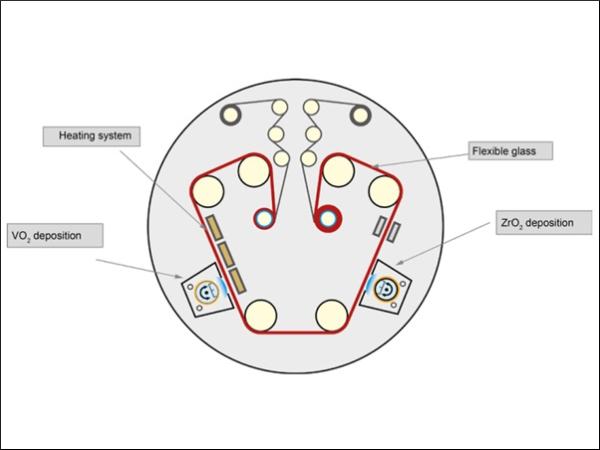
| The authors present results achieved in a roll-to-roll deposition process of vanadium oxide on flexible glass of 0.1 mm thickness.
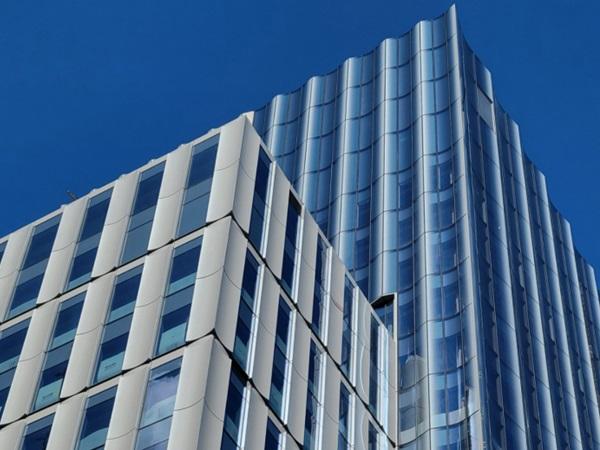
| Curved glass is fundamental in advanced architecture which incorporates a magnitude of glass with organic forms throughout these cutting-edge design structures.

| In the latest Glastory blog post, Antti Aronen analyzes the transformative potential of automated glass tempering.
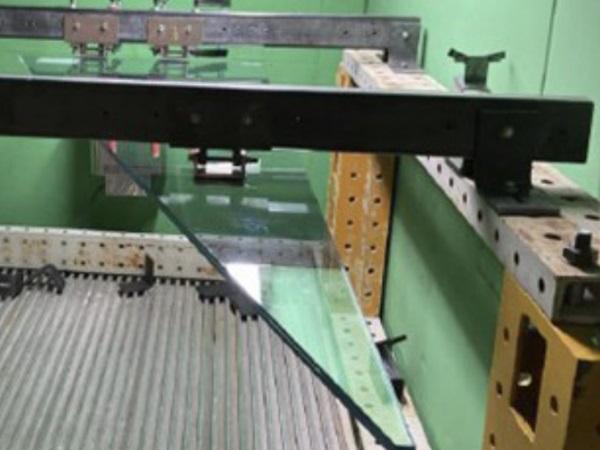
| Glass is a brittle material. After the stress due to loading exceeds the resistance, a breakage occurs, and the glass is no longer intact.
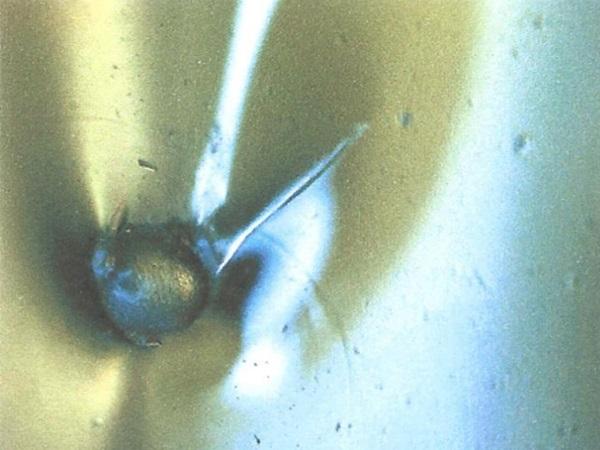
| Spontaneous breakage of fully tempered glass in facades is under control today when the heat soak process according to EN 14179-1 (2006/2016) is rigorously carried out.
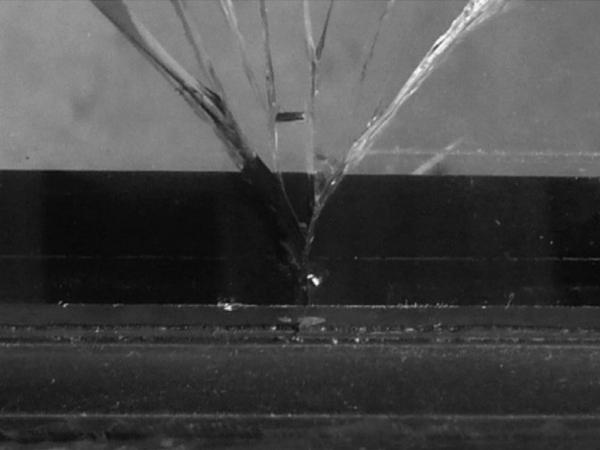
| Identification and optimisation of cutting process parameters
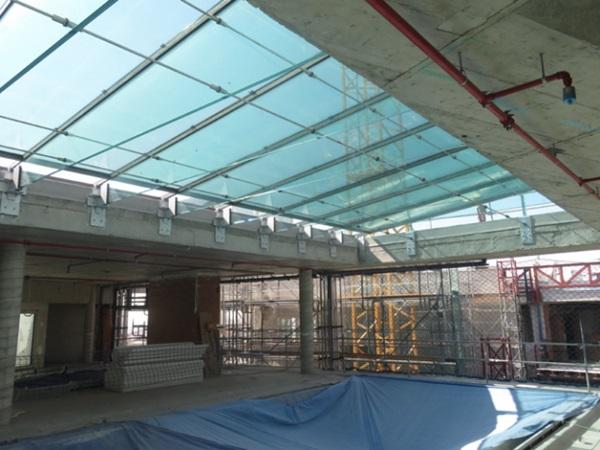
| This paper describes the lessons learned when using structural glass to carry out a canopy design integrated into a new façade.
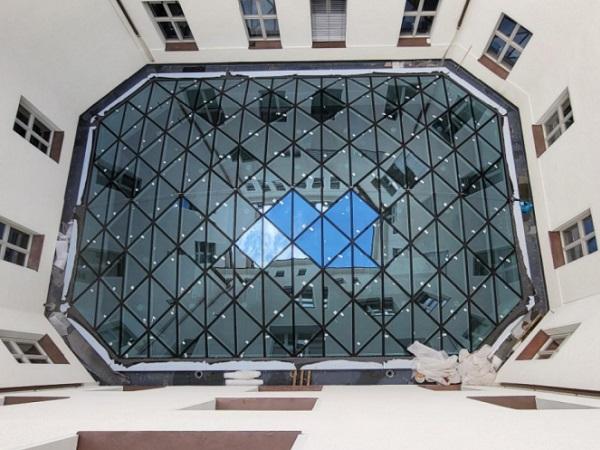
| New fire-resistant load-bearing glass beams are under development and examined within a joint research project between Hero-Fire GmbH, Taupitz GmbH & Co. KG and Technische Universität Dresden.

Unlocking energy efficiency potential: vacuum-insulated glazing for sustainable buildings - Glastory
| Read more about Antti Aronen's presentation at Glass Performance Days (GPD) 2023, "An enhanced model of thermomechanical loading on a Vacuum Insulated Glazing".

| In the new Glastory post by Matthias Loppacher, we explore the evolving landscape of automotive glazing and display processing – and discuss strategies for keeping up with the changes.
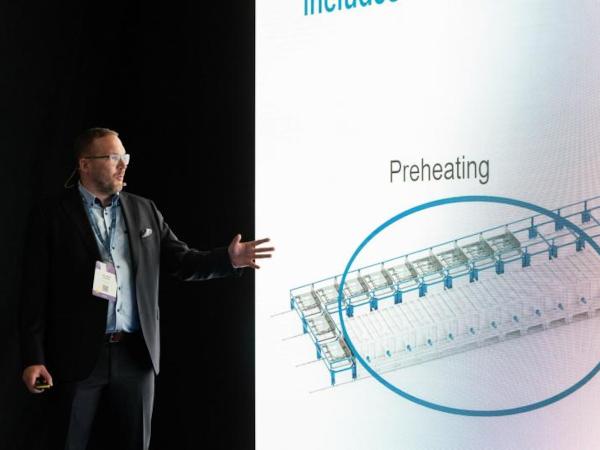
| In the latest Glastory blog post, Antti Aronen introduces how the complexity of automotive windshields and sunroofs has significantly increased with evolving modern car designs.
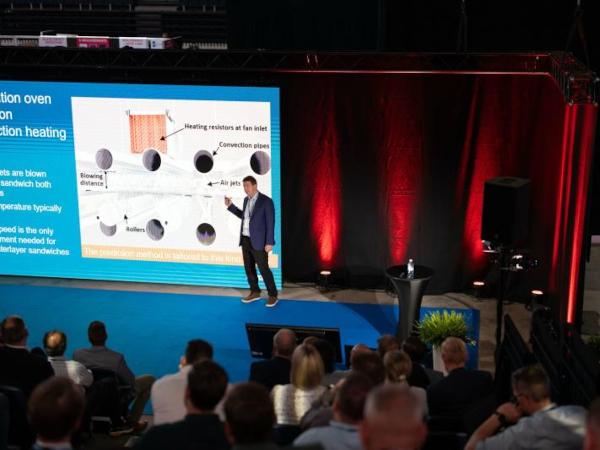
| The latest Glastory blog presents how to overcome interlayer temperature hurdles in laminated glass processing with the prediction method. More of the presentation by Mikko Rantala at GPD 2023.

| In his blogs, Luc Moeyersons covered various subjects related to laminated glass, whether it is automotive, architectural, or photovoltaic.
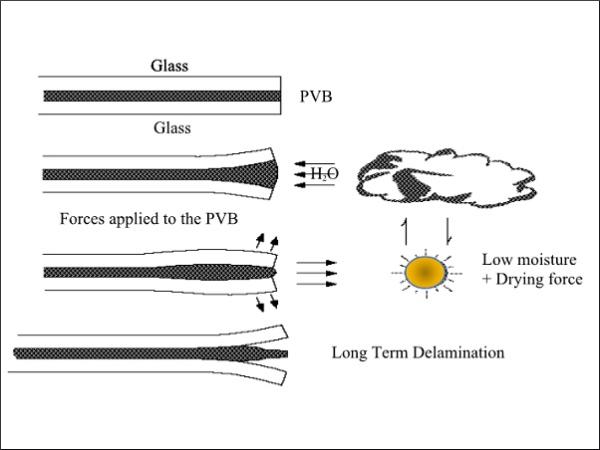
| Automotive Glass Laminating Guide – Part 5
| Read the latest Glastory blog by Taneli Ylinen.

| Dow has a strong commitment to sustainability and recently introduced the first externally PAS2060-verified carbon neutral silicones for façades.
| In this third episode of the #AskGlaston flat tempering series, Taneli Ylinen deals with the commonly asked question of how to handle the issues with mixed production.
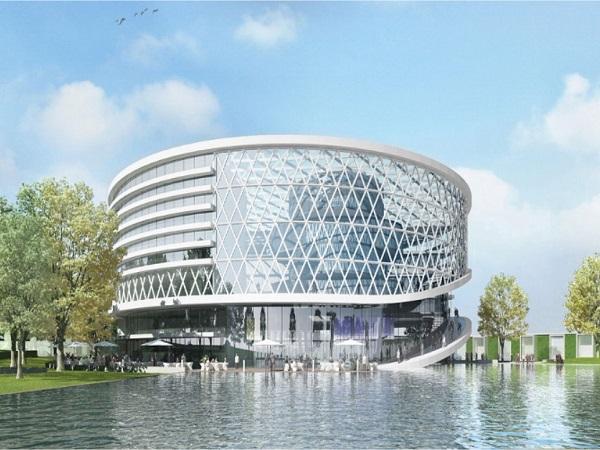
| This article explores the various aspects of PVB Preparation, handling, and assembly. It explains how to store, transport, and handle PVB in order to ensure optimal performance and adhesion.
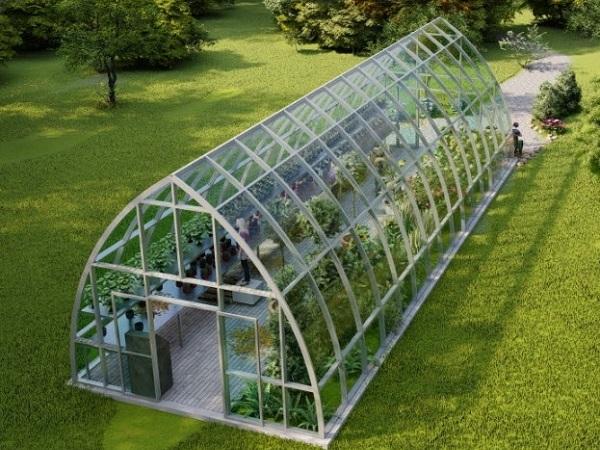
| The results of the classification of hail resistance classes for different materials for greenhouse enclosures are presented in this paper.
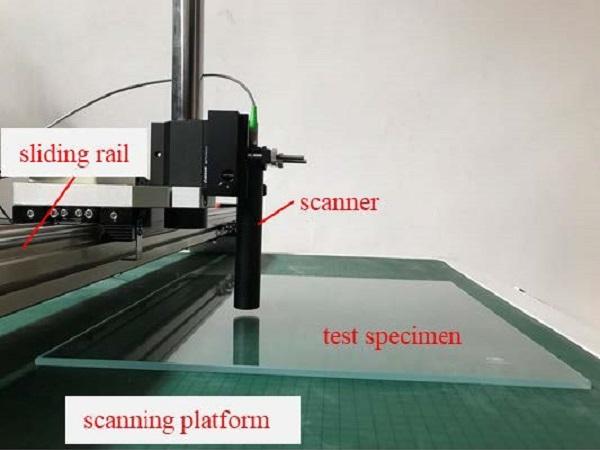
| This study aims to develop a non-contact stage-wise scanning method to extract 3D damage characteristics on glass surface, which can further facilitate the investigation into the associated influences on the flexural strength of glass.
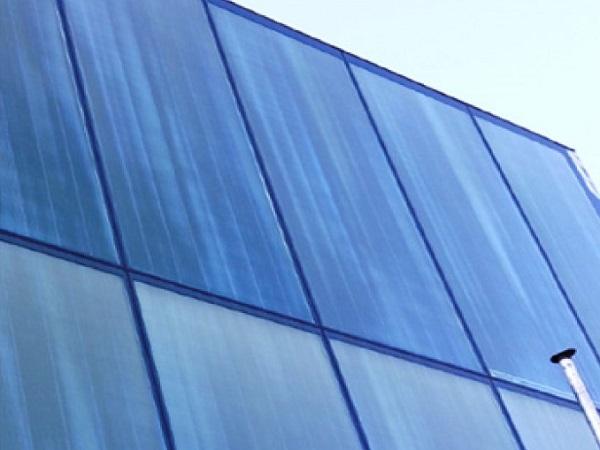
| In this paper, we present the development of an intrinsic parameter σQM characterizing the sensitivity of a coating (or configuration) to the quench marks.
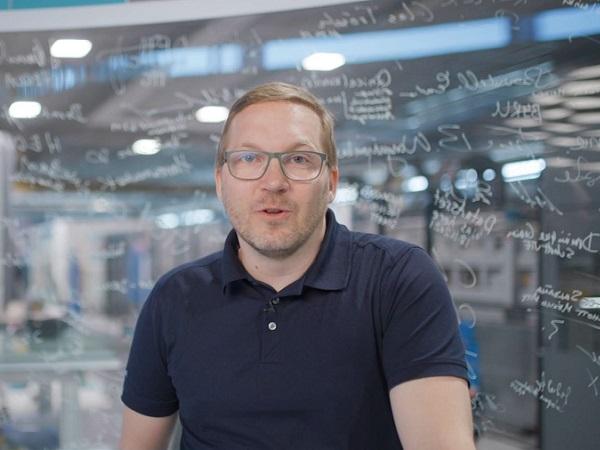
| In the second episode of #AskGlaston Flat Tempering Series, we will talk about the new solution to estimate the stress level in glass – online.
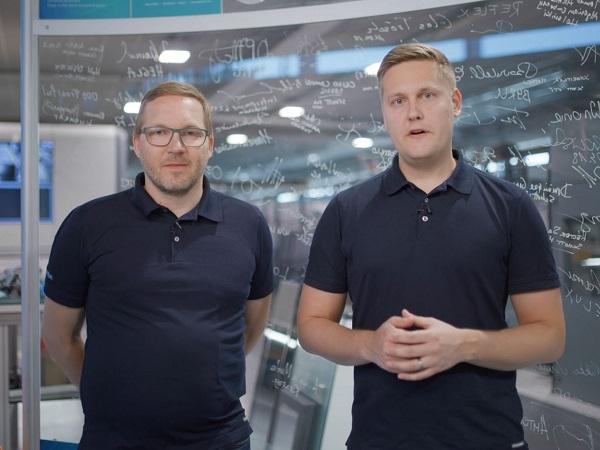
| This first episode is devoted to the white haze phenomenon – one of the most asked about issues in the history of #AskGlaston.
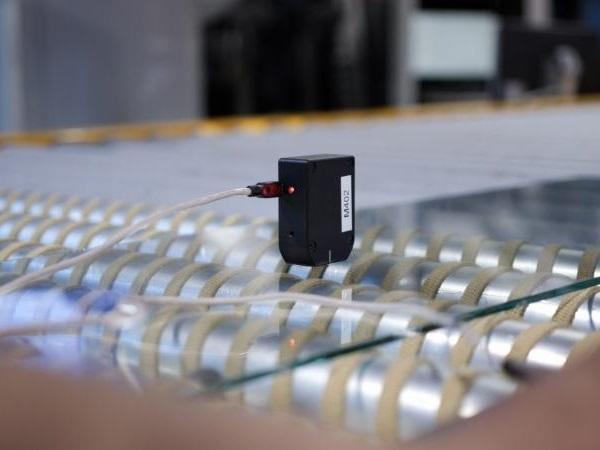
| This latest Glastory blog by Miika Äppelqvist is dealing with the areas of the tempering process that can be improved to make operations more efficient.
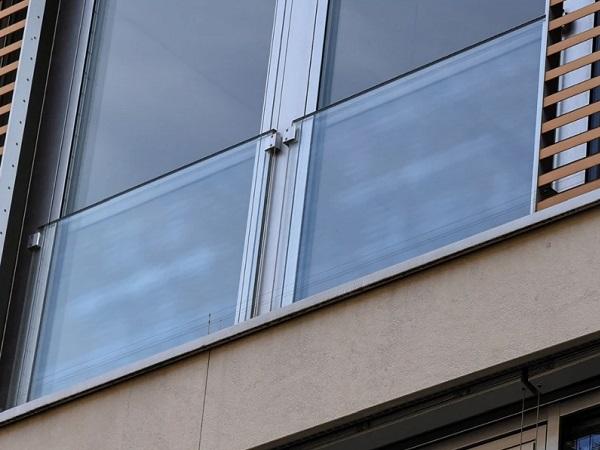
| In the present paper, optical anisotropy effects in architectural glass are evaluated using digital image processing.