Windows replacement in National Recovery Plan | Glass for Europe

Windows replacement in National Recovery Plan | Glass for Europe
Photo source
glassforeurope.com

Date: 16 July 2020

In the document released today, Glass for Europe calls on Member States to develop specific roadmaps for replacing single and early uncoated double glazing.

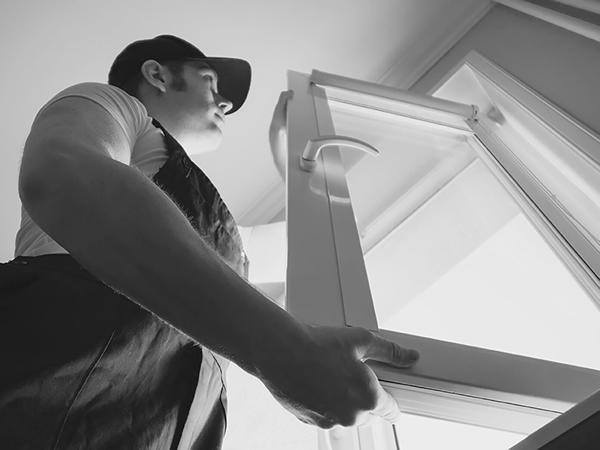
Windows replacement ticks all the boxes of the recovery fund: relaunching the economy in a sector deeply impacted by the COVID-19 crisis, creating jobs, delivering energy efficiency e CO2 cuts, improving EU citizen lives (e.g. energy poverty). Member States should be encouraged to allocate part of the Recovery Fund to finance building renovation and window replacement.

To prevent business from failing and keep the flat glass value-chain afloat, it is essential to safeguard a minimum level of activity in window and glazing replacement. While designing their national recovery plans, European governments should incorporate measures to incite consumers to upgrade their windows and glazing. This will not only generate long-lasting CO2 cuts that will support the transition toward climate-neutrality, but will also meet citizen expectations of a healthier and more comfortable indoor environment.

In the document released today, Glass for Europe calls on Member States to develop specific roadmaps for replacing single and early uncoated double glazing. Minimum energy-performance criteria should at the basis of these retrofitting plans, as only the installation of the best performing products available on the market would guarantee the energy and CO2 savings Europe needs to meet its climate objectives.

Download Glass for Europe’s call for dedicated roadmap for window and glazing replacement.
 

600450 Windows replacement in National Recovery Plan | Glass for Europe glassonweb.com

Others also read

The Fenestration and Glazing Industry Alliance (FGIA) has released an updated trio of documents sharing recommend test methods for three different types of movement during seismic-related events.
The challenges facing the glass and glazing industry continue to evolve. From changing regulations and product safety reforms to energy efficiency targets and skills development, businesses are navigating an increasingly complex landscape.
Glass can be recycled indefinitely, and using glass cullet in production reduces the need for virgin raw materials, energy consumption and greenhouse gas emissions.
The Fenestration and Glazing Industry Alliance (FGIA) has released an updated technical information report describing what sound is, how it is transmitted, how it is measured and how its transmission can be controlled.
Gain valuable insights from industry experts at the 2026 FGIA Fall Conference in Calgary, AB, where timely education and practical solutions will take center stage.
The 2026 edition of AAMA/WDMA 100 introduces updated best practices for window installation.

Add new comment

From industry