Date: 23 January 2026
Every winter, installers experiences a familiar spike in complaints. As temperatures drop, phones start ringing with reports of draughts, condensation, water ingress and “faulty” windows. But what may appear to be product failure can be something far more complex – and far more likely to escalate into a payment dispute if handled poorly.
Cold weather does not create problems in windows and doors – it reveals them. Greater thermal contrast, driving rain and increased indoor humidity place installations under stresses that simply don’t exist in summer. Small gaps that were previously undetectable can produce draughts, condensation can appear alarming, and tolerances that were acceptable months earlier may now be questioned.
For installers, this seasonal shift often means that technical performance comes under closer scrutiny, even where the installation itself has not changed.
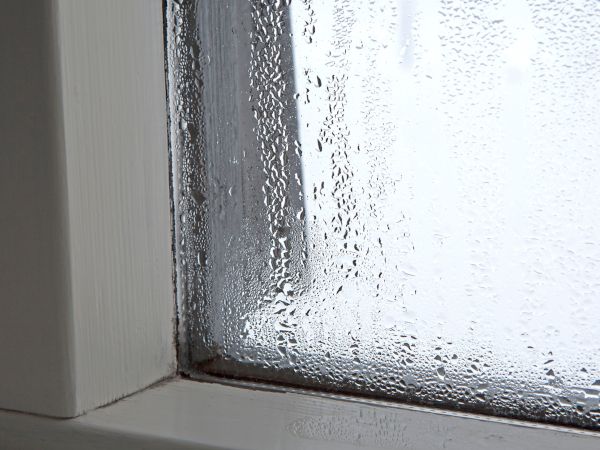
Condensation is a good example. As RISA frequently highlights, condensation is rarely caused by the window alone. Changes in occupancy, reduced ventilation, drying clothes indoors and increased heating all play a significant role.
“Very often, the window is simply the coldest surface in the room, so that’s where moisture shows itself first,” explains Lee Galley, Inspection Manager at RISA. “That doesn’t mean the window has failed.”

The same applies to draughts and water ingress. These can originate from surrounding structure, installation interfaces or detailing, rather than from the frame or glazing unit itself. Without clear explanation, however, homeowners often assume the window is at fault – and that assumption can quickly shape the conversation.
This is where winter complaints can start to drift into disputes. Once uncertainty creeps in, trust can erode, payments may be delayed, and what began as a technical query risks becoming contractual.
“A lot of the disputes we see aren’t about poor workmanship,” Lee says. “They’re about expectation, misunderstanding, or a lack of independent evidence to explain what’s actually going on.”
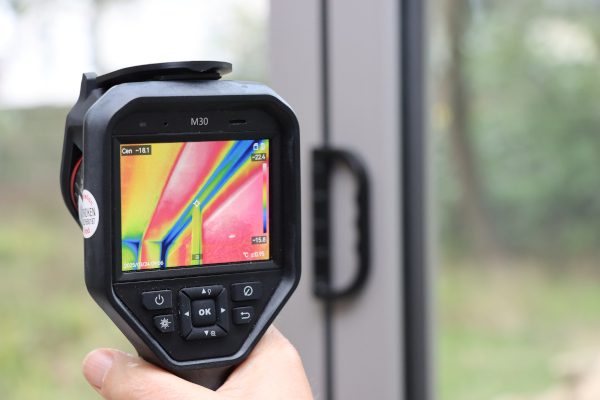
Independent inspection plays a vital role in restoring balance at this stage. By assessing installations against relevant standards, specifications and environmental factors, an independent expert can establish what is – and just as importantly, what is not – wrong. That clarity often prevents issues from escalating unnecessarily.
RISA’s inspection services are designed to do exactly that. Its inspectors come from operational backgrounds as fitters, surveyors and technical managers, so reports are rooted in real-world understanding rather than theory.
“Our job isn’t to take sides,” Lee explains. “It’s to remove emotion from the process and focus purely on the facts.”
In many cases, a RISA Condition Report confirms that an installation is acceptable and compliant, providing installers with the independent reassurance needed to move discussions forward and unlock payment. Where issues are identified, reports set out proportionate, practical remedial actions – avoiding the tendency for problems to be overstated or written off entirely.
Winter is also the point at which acting early makes the biggest difference.
“Once positions harden, everything becomes more difficult and more expensive,” Lee notes. “Bringing in independent inspection at the right time can save months of back-and-forth and significant legal costs.”
For more entrenched disputes, Expert Determination offers installers a structured alternative to litigation. The process delivers a binding, technically-led decision based on evidence rather than legal argument, typically resolving disputes in weeks rather than years.
“It’s faster, more focused and far more cost-effective than court,” Lee says. “And it protects everyone’s time, money and reputation.”
Ultimately, RISA’s role is to provide clarity at moments when uncertainty is highest. As winter exposes issues that might otherwise remain hidden, the value of independent assessment becomes more pronounced.
Installers who take a proactive approach – addressing concerns with evidence rather than assumption – are far better placed to maintain trust, protect margins and keep projects moving.
For more information about the RISA, please visit www.risaltd.co.uk or call 0207 939 9301 or email enquiries@risaltd.co.uk
 600450



Add new comment