
Others also read
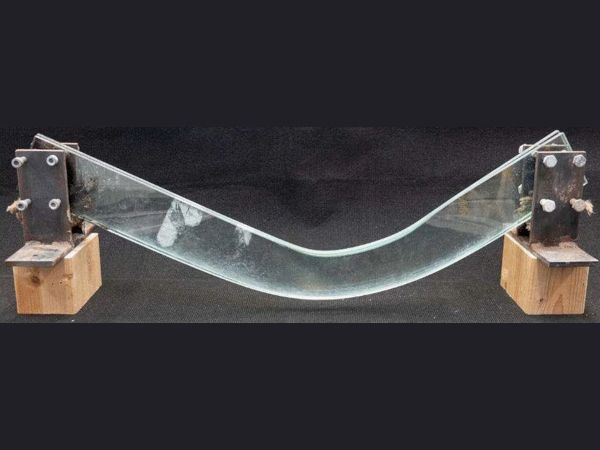
| Understanding how glass behaves under high temperatures is essential for improving the safety and performance of glass structures exposed to heat and fire.
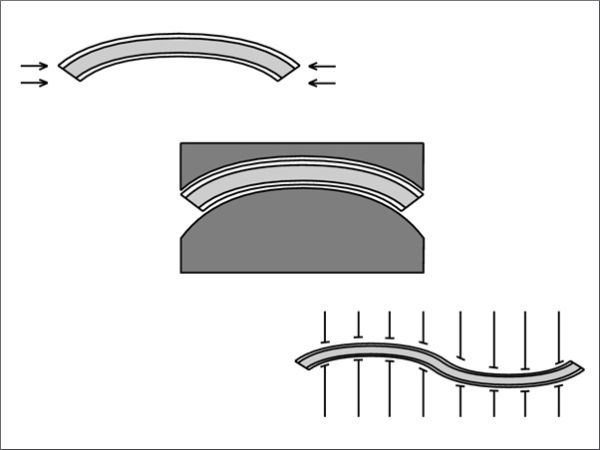
| This paper presents the investigation of three LOCA for application as interlayers in laminated glass. Within a comprehensive experimental study, essential material properties were investigated.
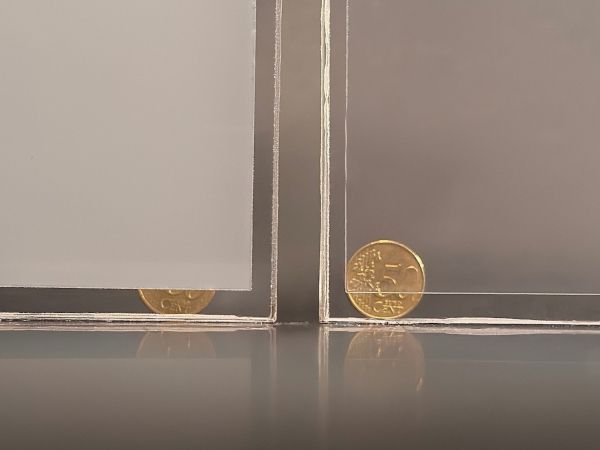
| This paper presents an overview of the initial stages of developing a switchable laminated safety glass made of thin glass, polycarbonate, and polyurethane interlayers.
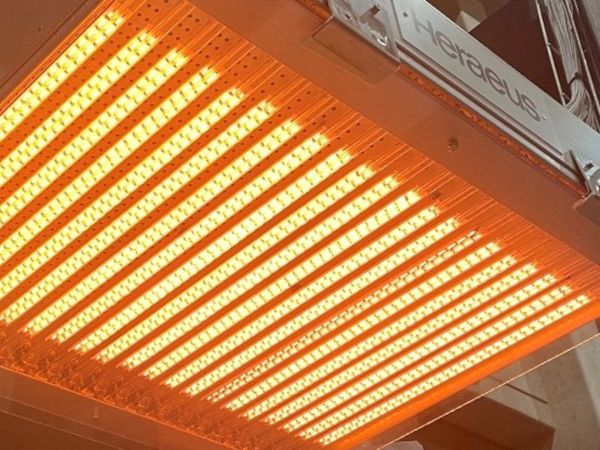
| This paper presents an experimental campaign employing an electric radiant panel as the heat source to investigate the heat transfer phenomena in glass.
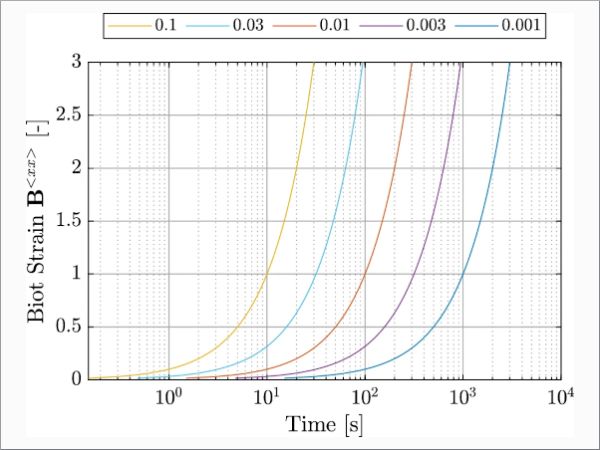
| The aim of this work is the mechanical description of the time-dependent behavior of Polyvinylbutyral (PVB) under large deformations considering quasi-static loading.
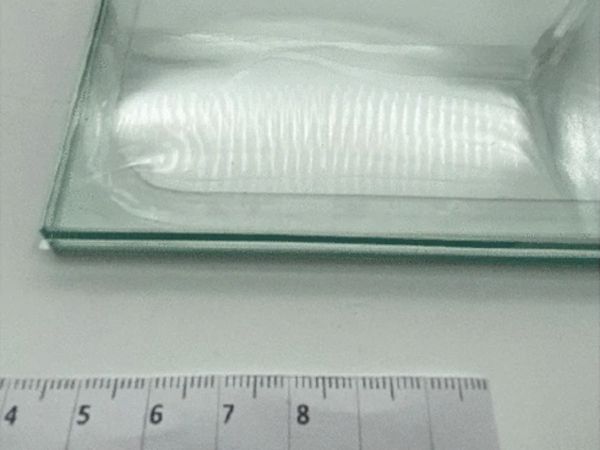
| In this paper, two specific liquid cold-poured interlayer adhesives are investigated for their mechanical material properties in an extensive test regime.
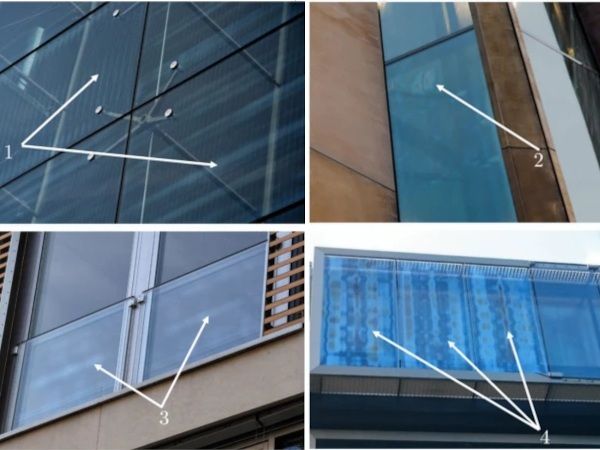
| Minor fluctuations in the tempering process of architectural glass lead to residual stress differences resulting in birefringence and undesired optical iridescence, also known as anisotropy effects.
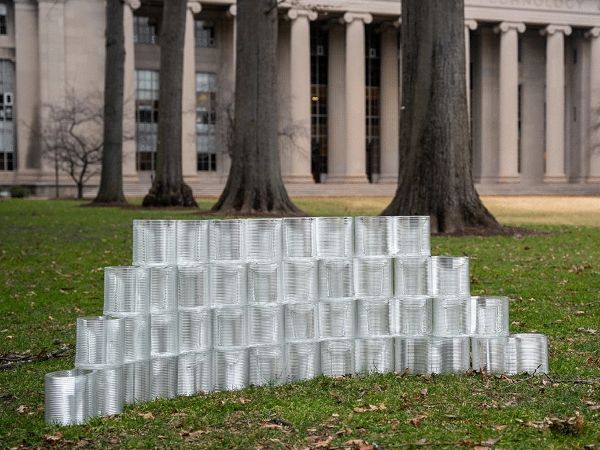
| This paper encompasses design, manufacturing, and experimental testing to assess the feasibility of using glass AM to produce interlocking masonry units for the construction industry.
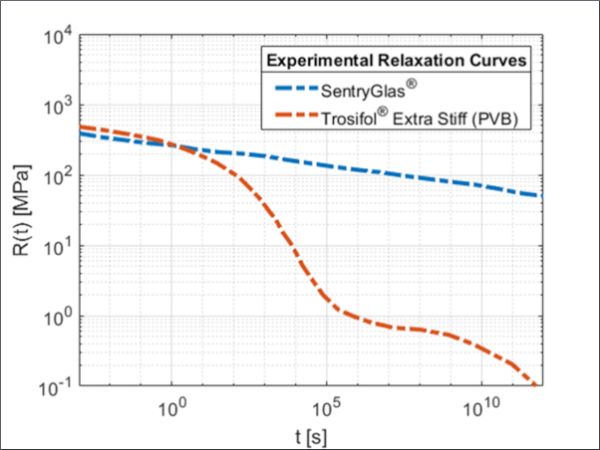
| We discuss a novel approach, based on fractional calculus with a non-uniform time discretization, to numerically simulate interlayer viscoelastic behaviour and associated time-dependent deformation of laminated glass.
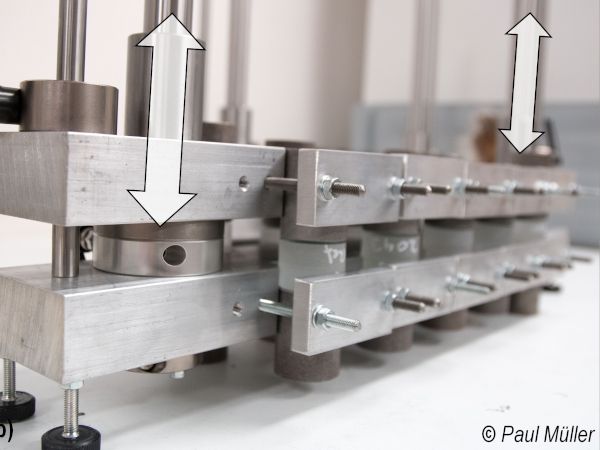
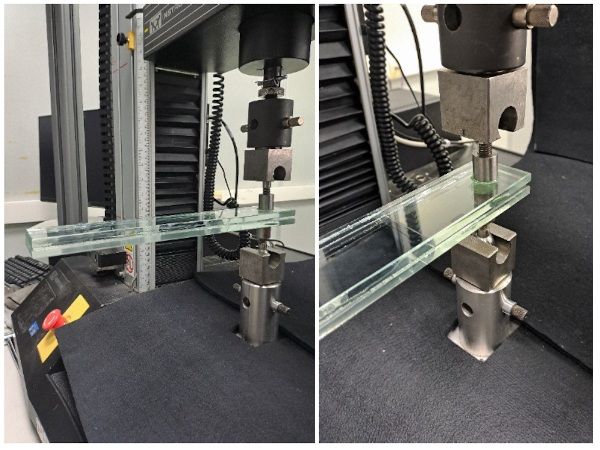
| Adhesion tests conducted on laminated glass include pure shear and tensile loading tests.
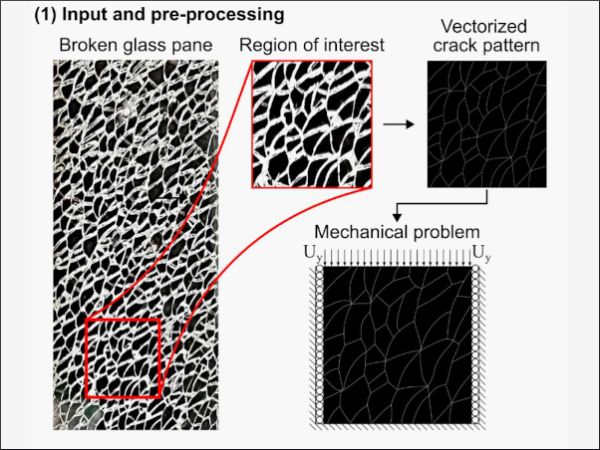
| The objective of the present work is the development and testing of a robust numerical model that can naturally introduce the generated crack pattern into virtual specimens and manage the interaction among many fragments.
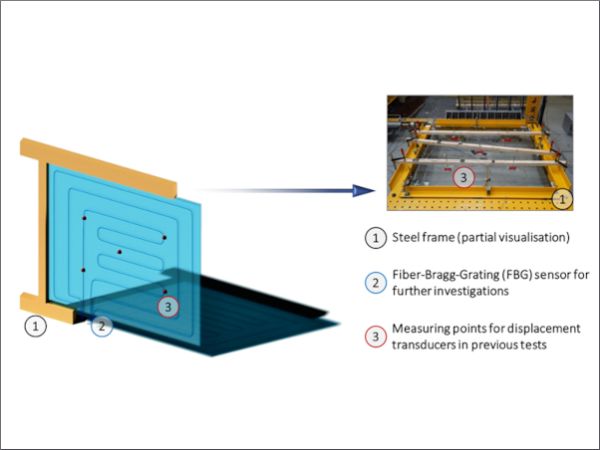
| This paper introduces the concept of a numerical sensor as a key element for creating a hybrid digital twin focused on the monitoring of load-bearing glass façades.
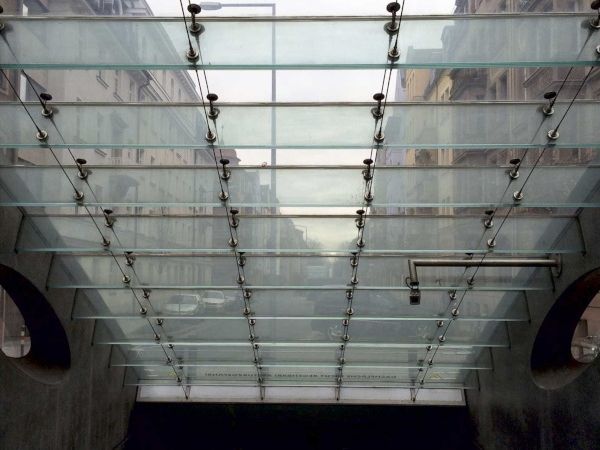
| This paper presents investigations on a novel approach for post-tensioning laminated glass beams with adhesively bonded iron-based shape memory alloy tendons along both longitudinal glass beam edges.
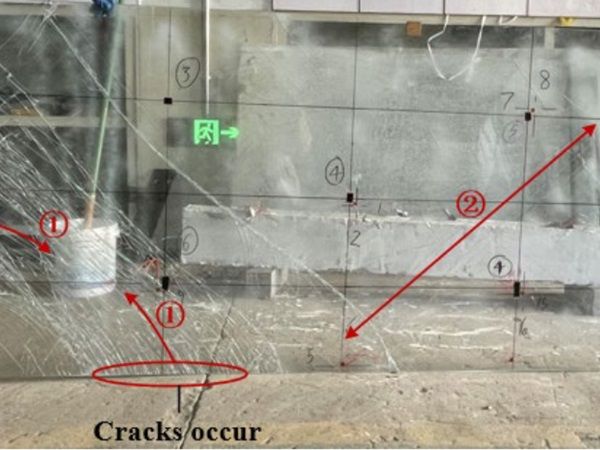
| In this paper, the anticlastic cold bending test was conducted to explore the influence of various factors, including aspect ratio, scale and composition of the plates.
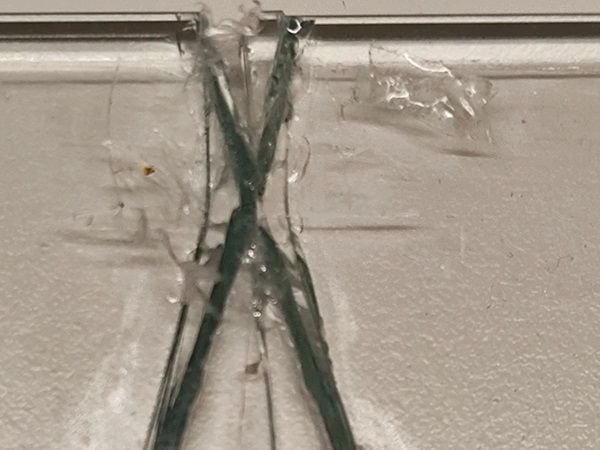
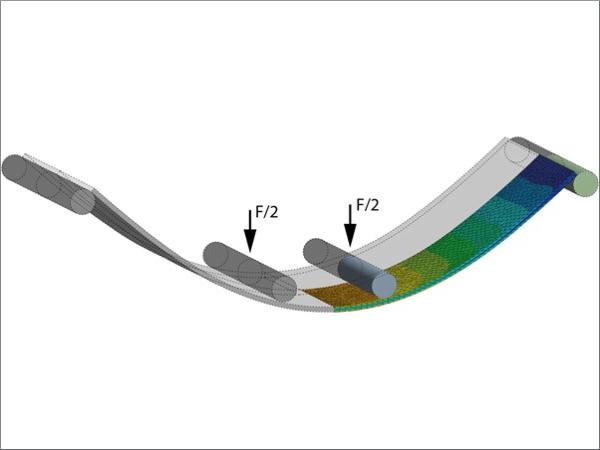
| The four point bending test is one of the most commonly used and standardised tests to determine the mechanical properties of materials.
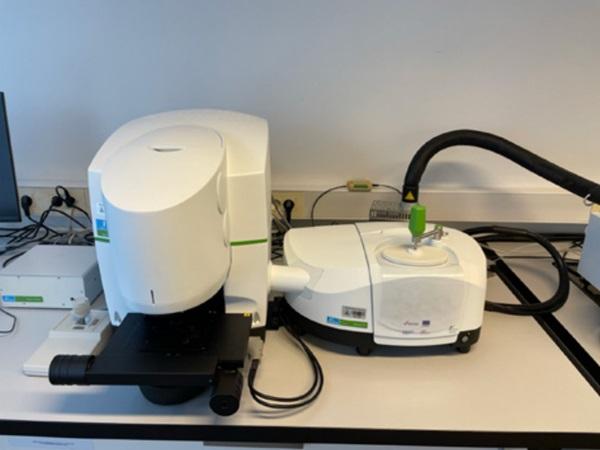
| The research presents advantages and disadvantages for each different load type regarding interlayer chemical response.
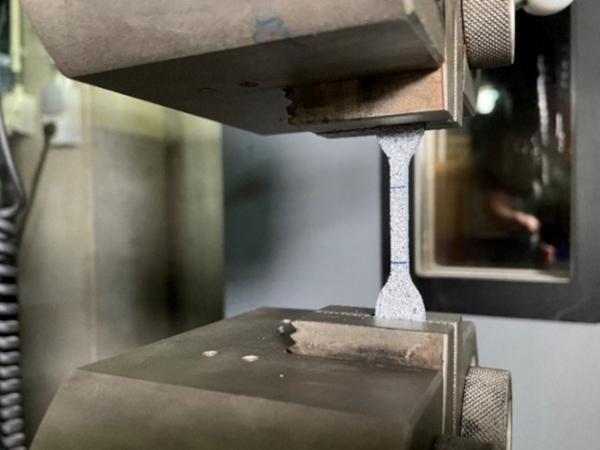
| This paper presents the findings of the evaluation of an epoxy adhesive for structural glass to steel continuous bonds.
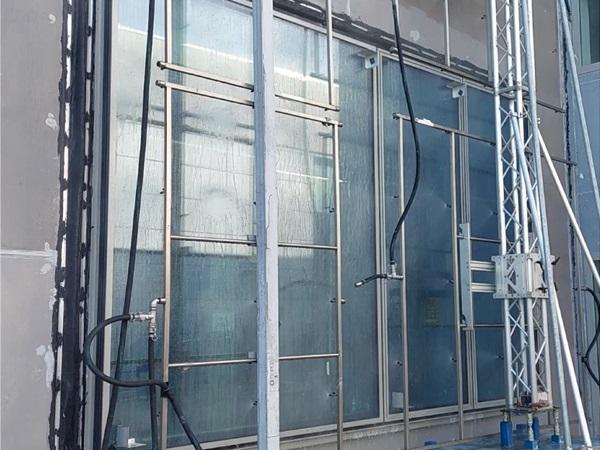
| The study is based on an extensive experimental campaign and an associated parametric study to test alternative designs under both quasi-static and dynamic loading conditions.
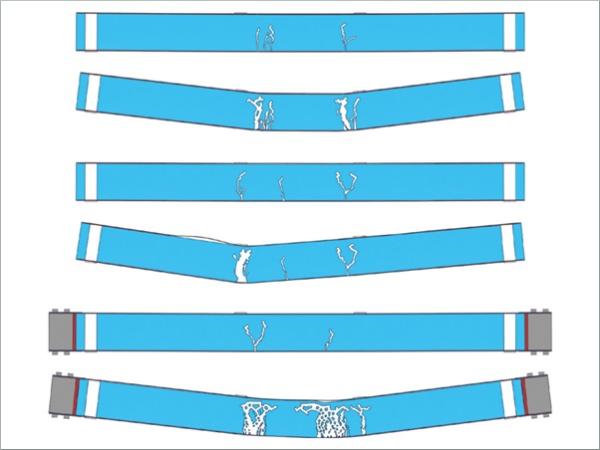
| This contribution introduces concepts for prestressing laminated glass beams with Fe-SMA tendons adhesively or mechanically connected to the glass beams.
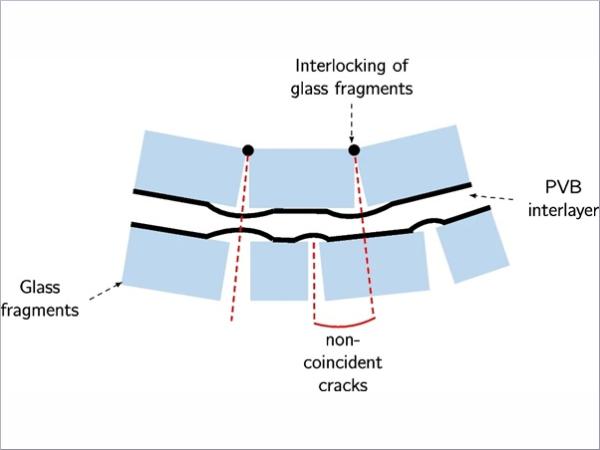
| The objective of this study is to understand the response of laminated glass under high-rate bending in the laboratory at rates representative of blast loading.
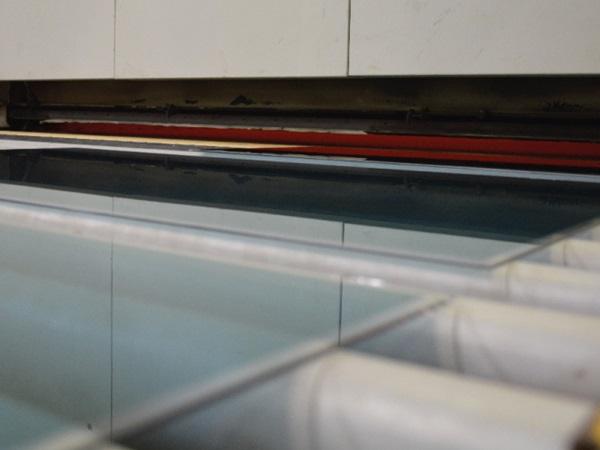
| Implementing quality controls and checkpoints during production and inspecting 100% of the tempering process, guarantees less rejections in the field converting into more profit.
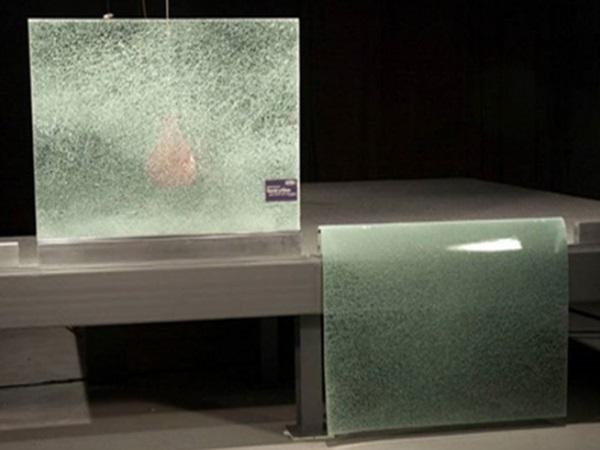
| The use of laminated glass with PVB and ionoplast interlayers not only offers improved safety but can also be designed to help mitigate security threats ranging from basic safety to burglary and forced entry resistance and even ballistic protection.
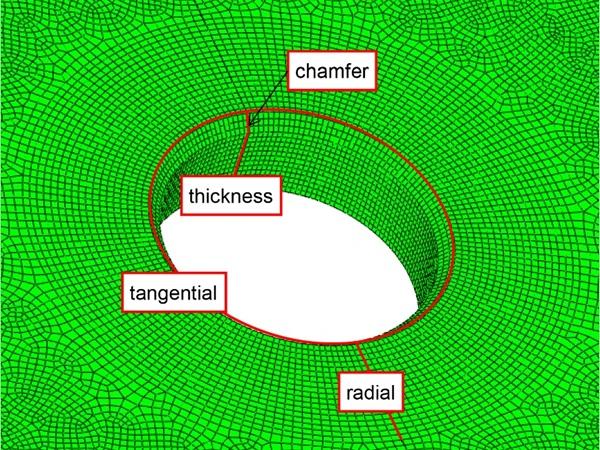
| This study experimentally investigated the strength behavior of toughened glass with cylindrical near-edge holes via photoelasticity and destroying four-point bending test.
| Correction of factor kₑ in EN1288-3