
Others also read
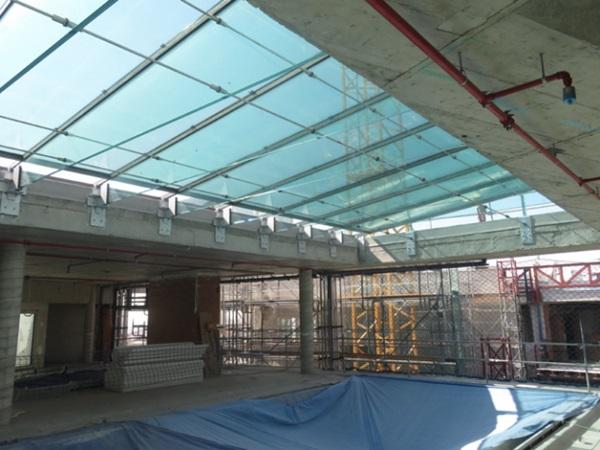
| This paper describes the lessons learned when using structural glass to carry out a canopy design integrated into a new façade.
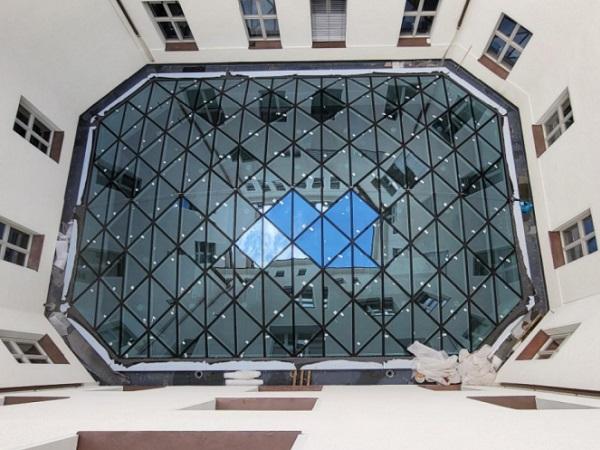
| New fire-resistant load-bearing glass beams are under development and examined within a joint research project between Hero-Fire GmbH, Taupitz GmbH & Co. KG and Technische Universität Dresden.

Unlocking energy efficiency potential: vacuum-insulated glazing for sustainable buildings - Glastory
| Read more about Antti Aronen's presentation at Glass Performance Days (GPD) 2023, "An enhanced model of thermomechanical loading on a Vacuum Insulated Glazing".

| In the new Glastory post by Matthias Loppacher, we explore the evolving landscape of automotive glazing and display processing – and discuss strategies for keeping up with the changes.
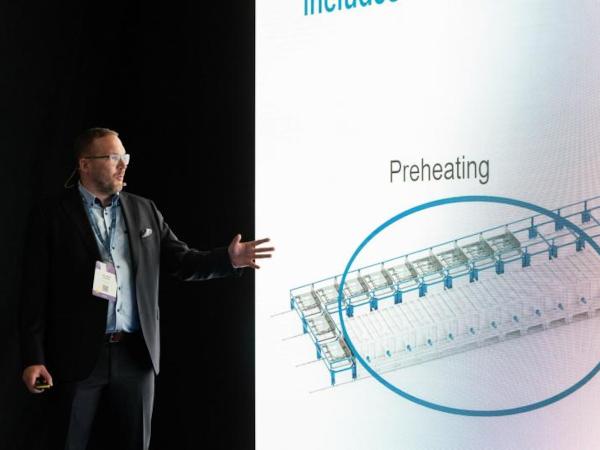
| In the latest Glastory blog post, Antti Aronen introduces how the complexity of automotive windshields and sunroofs has significantly increased with evolving modern car designs.
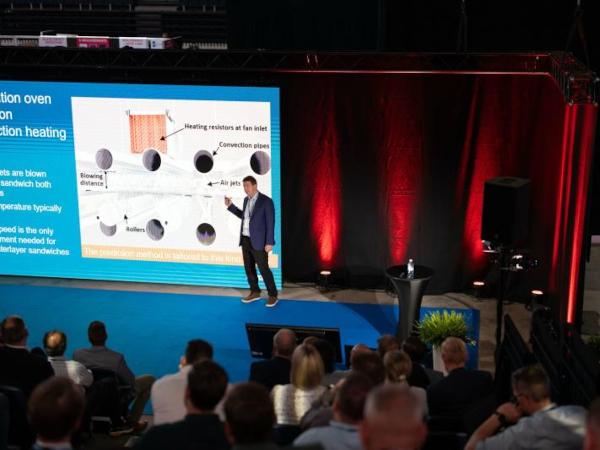
| The latest Glastory blog presents how to overcome interlayer temperature hurdles in laminated glass processing with the prediction method. More of the presentation by Mikko Rantala at GPD 2023.

| In the latest Glastory blog, Jukka Immonen shares some practical tips for optimizing energy consumption in automotive glass production. From preprocessing to final inspection, there is huge potential every step of the way.
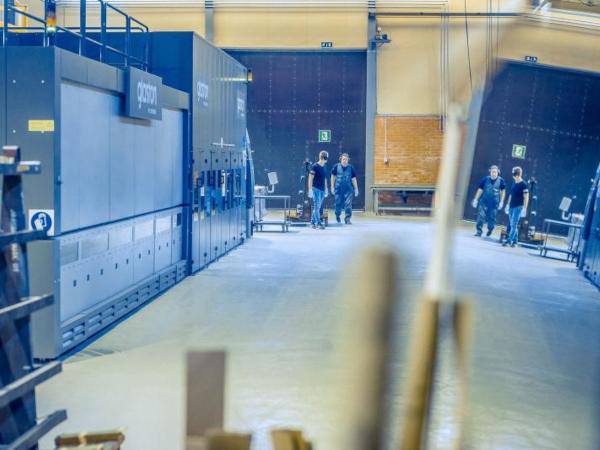
| Read the latest Glastory blog by Taneli Ylinen.

| Dow has a strong commitment to sustainability and recently introduced the first externally PAS2060-verified carbon neutral silicones for façades.

| In this third episode of the #AskGlaston flat tempering series, Taneli Ylinen deals with the commonly asked question of how to handle the issues with mixed production.
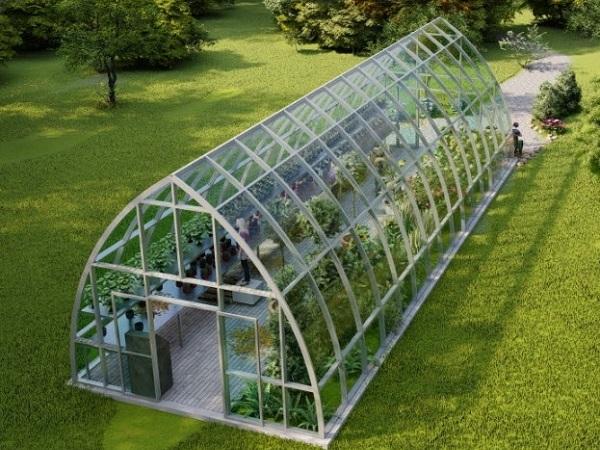
| The results of the classification of hail resistance classes for different materials for greenhouse enclosures are presented in this paper.
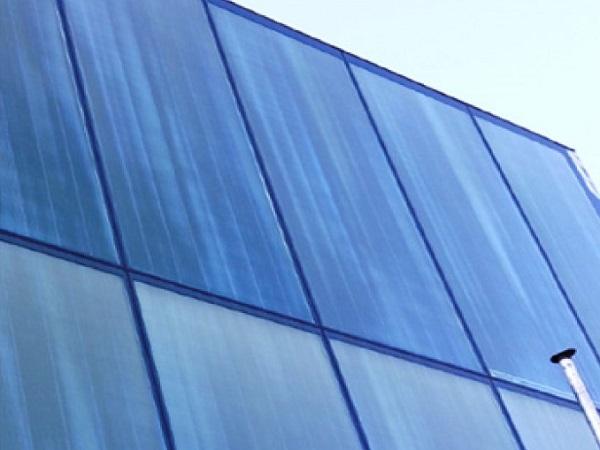
| In this paper, we present the development of an intrinsic parameter σQM characterizing the sensitivity of a coating (or configuration) to the quench marks.

| In the second episode of #AskGlaston Flat Tempering Series, we will talk about the new solution to estimate the stress level in glass – online.

| This first episode is devoted to the white haze phenomenon – one of the most asked about issues in the history of #AskGlaston.
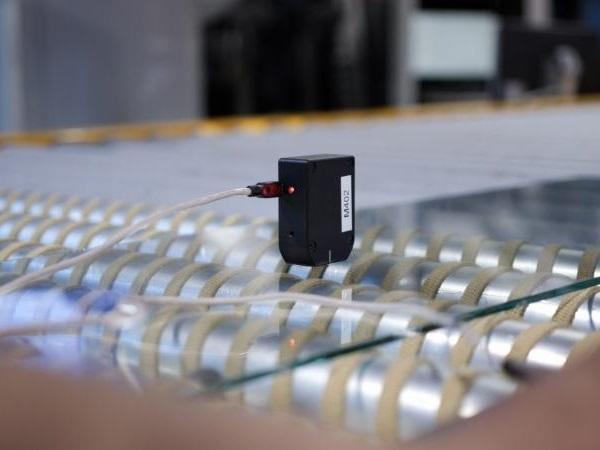
| This latest Glastory blog by Miika Äppelqvist is dealing with the areas of the tempering process that can be improved to make operations more efficient.
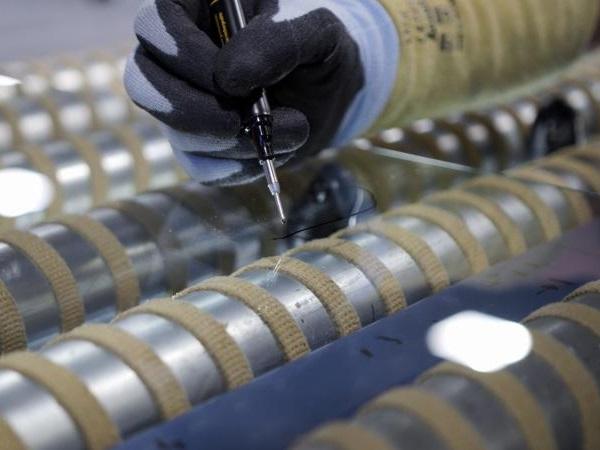
| Industry demand for impeccable glass quality has increased notably over the last years. Customer expectations run high, forcing glass processors to strive for ever-stricter quality control and ensure minimal rejection rates for finished products.
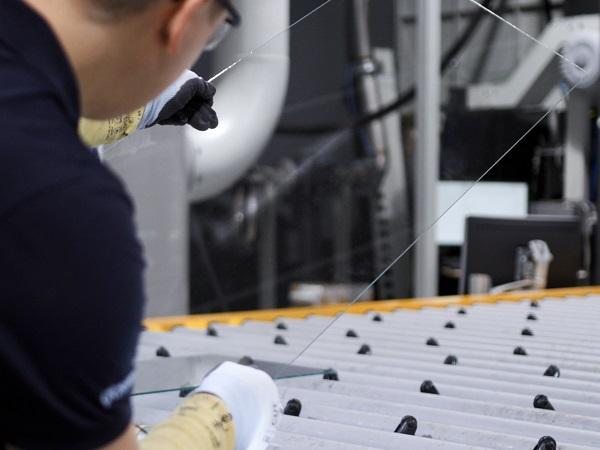
| The most common quality issues that arise in tempered glass are roller waves, glass distortion, bad anisotropy and white haze. In this post, we want to focus on white haze and ways to control it.
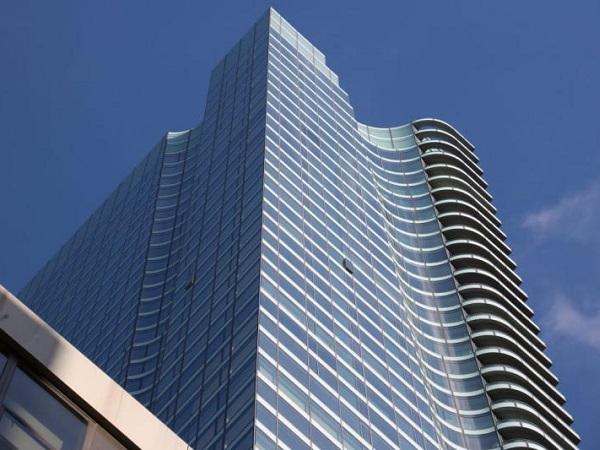
| In 2015, the bold concept of a curvy tower at 252 East 57th Street, New York, was presented to an audience at the Glass Performance Days conference. At that time, building construction was just beginning, and no one was certain such a novel idea could be realized.
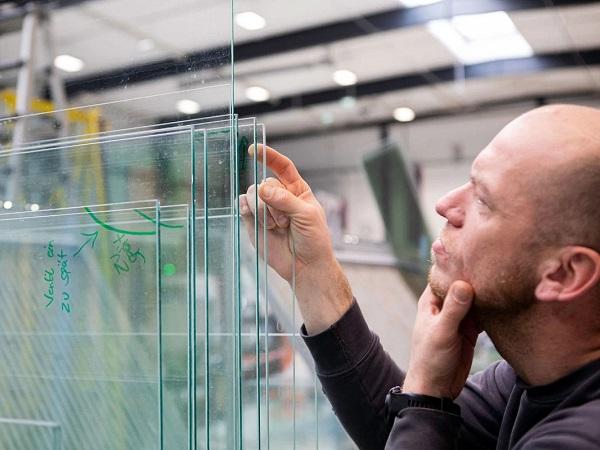
| In glass edge processing, the requirements for the finished components can vary greatly depending on the location and purpose.

| In glass tempering, we look for equipment that uses less energy, leading to fewer emissions. But sometimes, the numbers are too good to be true.
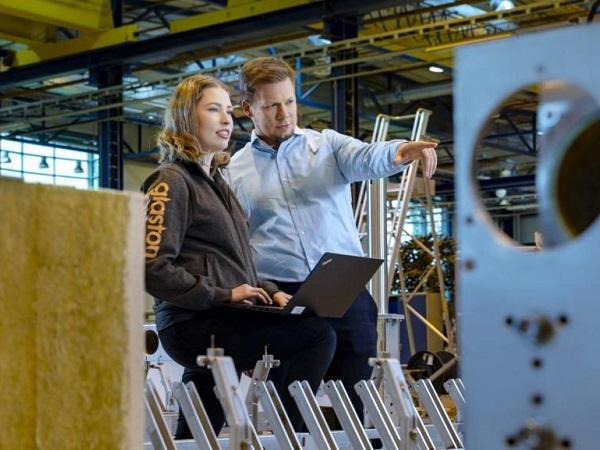
| Global environmental concern is motivating efforts to improve energy efficiency in all industrial sectors. And glass tempering is no exception.
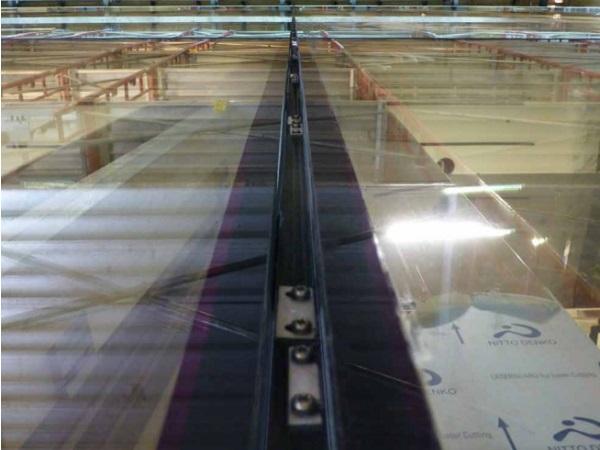
| Five commercial glazing system analysis and a project study show the advantages of using Insulated Glass Unit (IGU) edges to mechanically attach glass to buildings.

| Analysis of worldwide glass industry developments and trends.
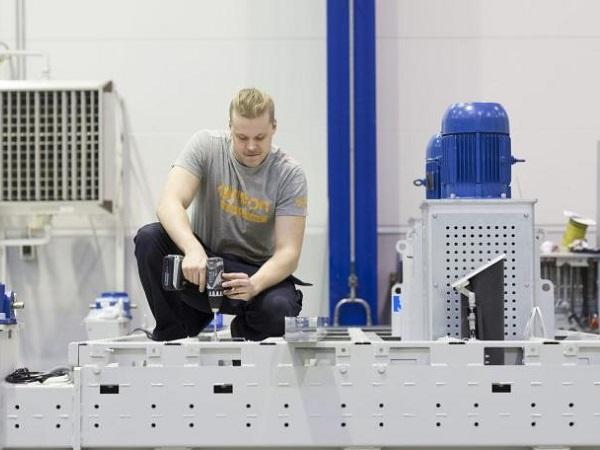
| Full convection, forced convection, focused convection, recirculated convection – the list of terms goes on and on.
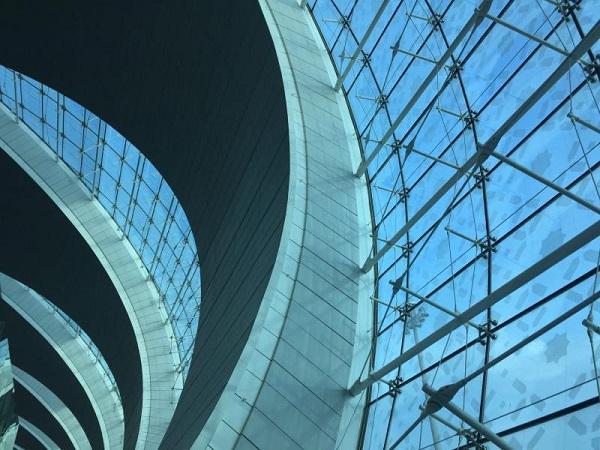
| Bent and tempered glass has long been of great interest to the market. The process of creating high-quality tempered bent glass has evolved over the years.