
Others also read
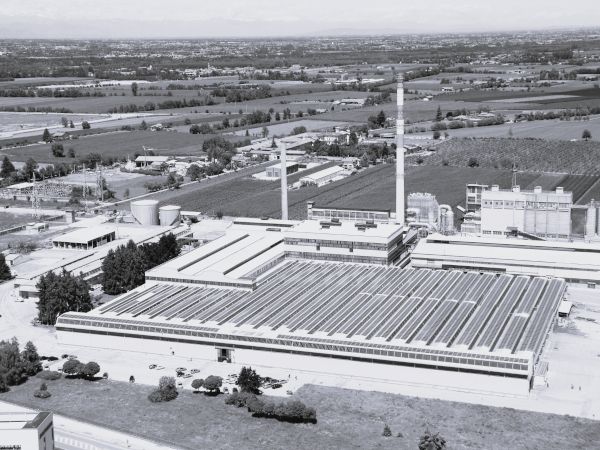
GlassKote FGI secures AUD 1.2B to build two next-generation low-iron float glass plants, setting new global standards for innovation and sustainability.
On 9 October, Glass for Europe contributed to two Calls for Evidence on the future ‘Electrification Action Plan’ and ‘Heating and Cooling Strategy’.
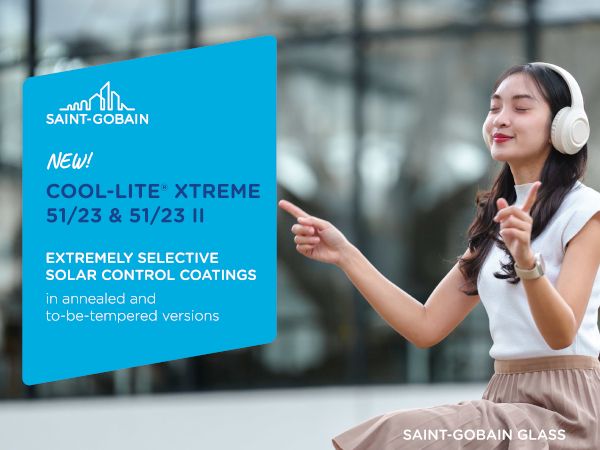
SAINT-GOBAIN GLASS unveils its latest advancement in solar control: COOL-LITE® XTREME 51/23 and COOL-LITE® XTREME 51/23 II, the newest triple silver solar coated glass in annealed and to-be-tempered versions respectively.

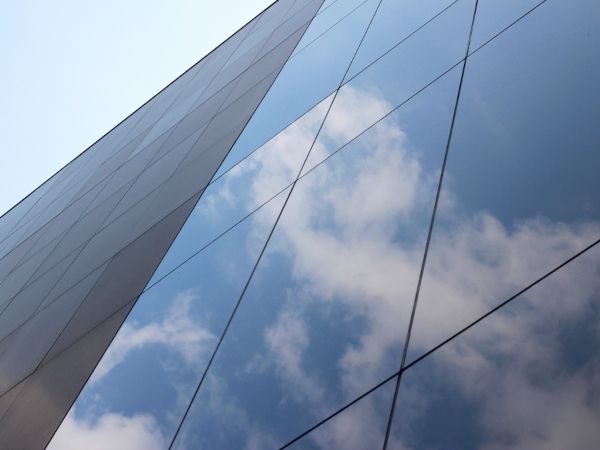
The canyon-inspired tower in Denver’s RiNo District merges nature and architecture, featuring Vitro’s high-performance glass for beauty, comfort, and energy efficiency.
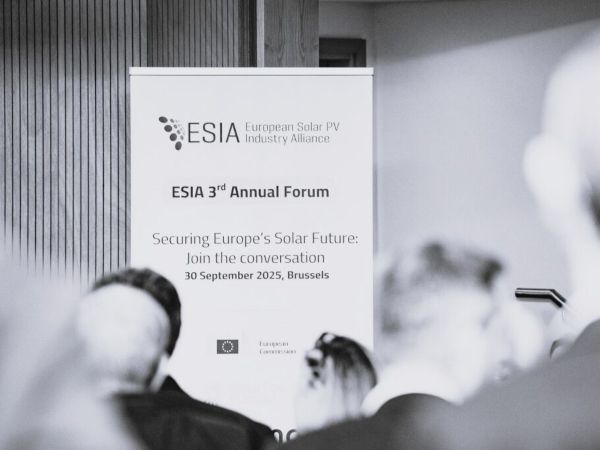
The European Solar PV Industry Alliance (ESIA) held its third annual forum on 30 September, uniting industry leaders and policymakers to advance Europe’s solar manufacturing and strategic autonomy.
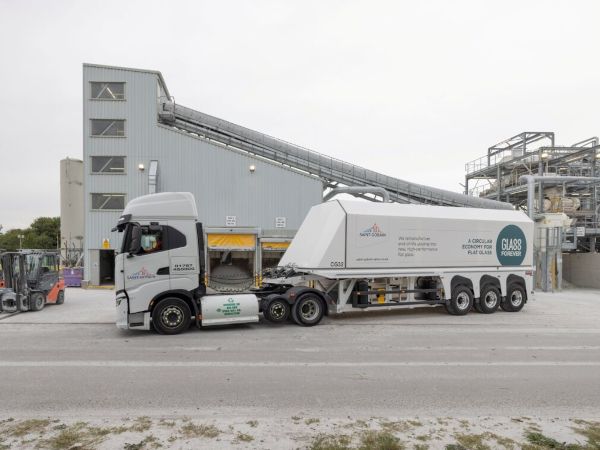
Saint-Gobain Glass has been shortlisted in two categories of the prestigious G25 Awards, recognising its industry-leading commitment to sustainability and circularity in flat glass manufacturing and recovery.
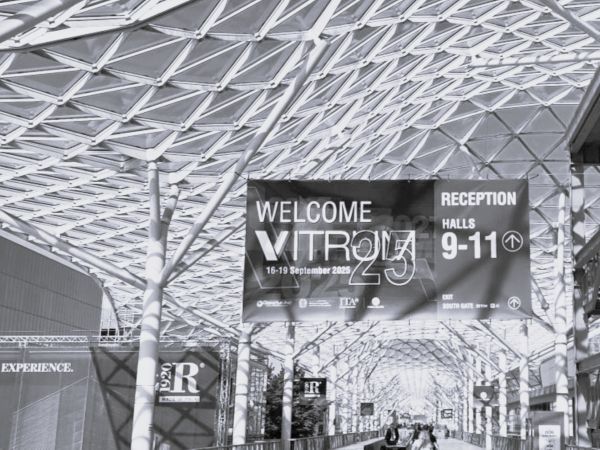
On 17 September, Bertrand Cazes, the Secretary General of Glass for Europe, attended Vitrum25, an event which brought together the international glass and glazing machinery community.
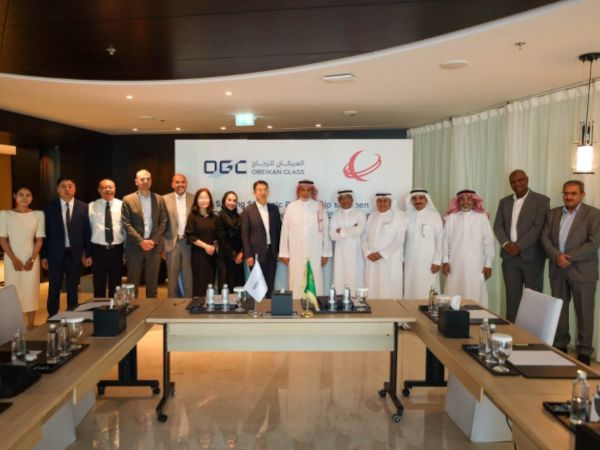
Obeikan Glass and Chinese technology company Liaoning Zhongyuan signed an agreement to launch a second float glass line in Yanbu, Saudi Arabia.
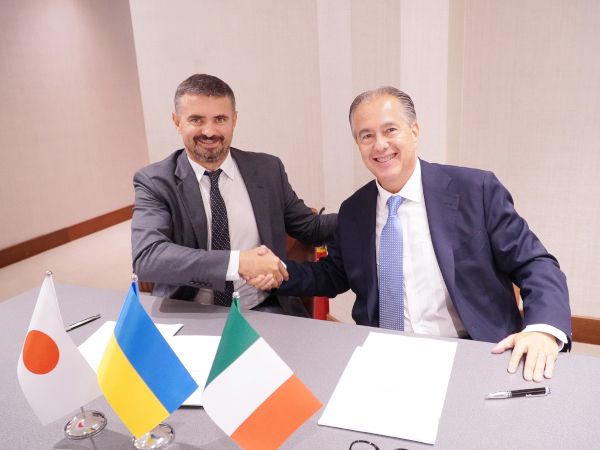
NovaSklo signed an agreement with Pilkington Technology Management Limited (NSG Group), the global leader in glass manufacturing technologies.
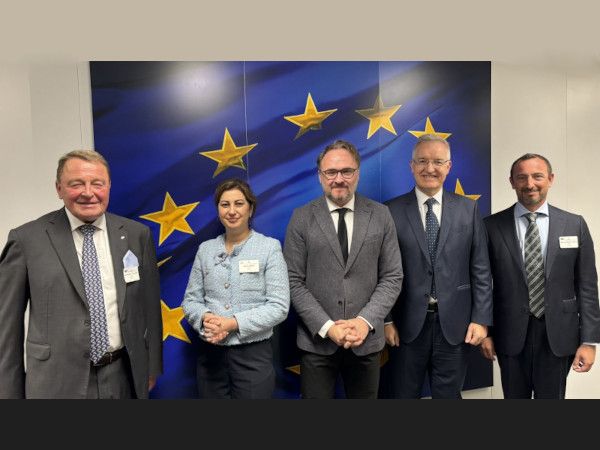
On 18 September, Glass for Europe, held a high-level meeting with European Commissioner for Energy and Housing, Dan Jørgensen.
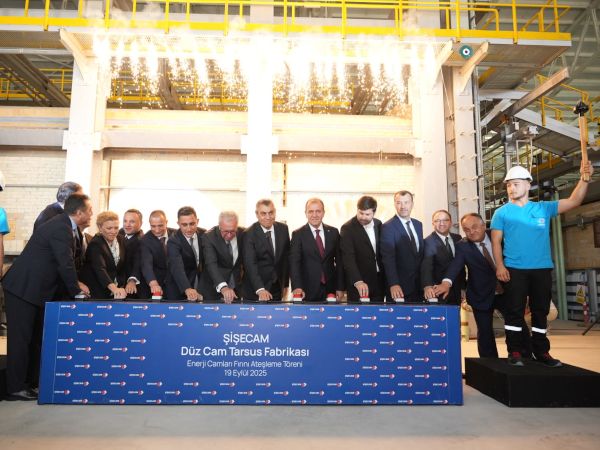
Şişecam has officially commissioned its new energy glass production line in Tarsus, marking a significant milestone in its global growth strategy in the energy glass sector.

Last week, the European Parliament voted in plenary on the report for the End-of-Life Vehicles Regulation (ELVR). The adopted text mirrors the compromise reached earlier this year in the Parliament’s committees.

On 10 September, Ursula von der Leyen, President of the European Commission, delivered her first State of the Union address of her second term.
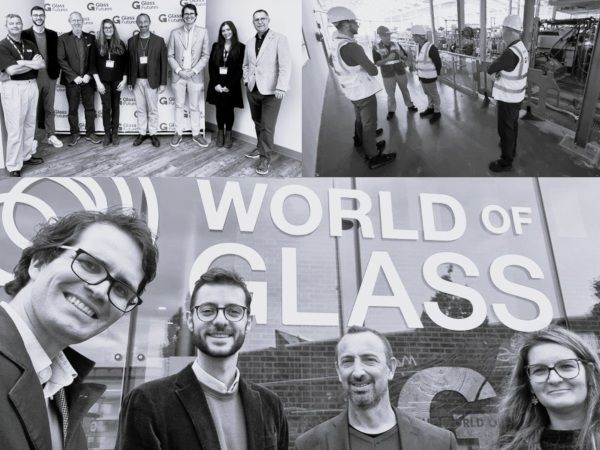
On September 2 and 3, the Glass for Europe secretariat moved out of Brussels to the St Helens region in the UK for inspiring visits and meetings aiming at gearing up for a busy advocacy programme in the coming months.
Glass for Europe is proud to launch its newly redesigned website, offering a modern and engaging platform to explore the dynamic world of flat glass in Europe.
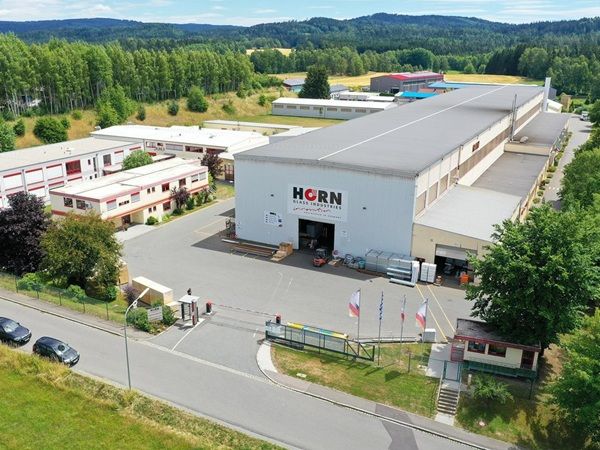
Focusing on Sustainable Future Technologies
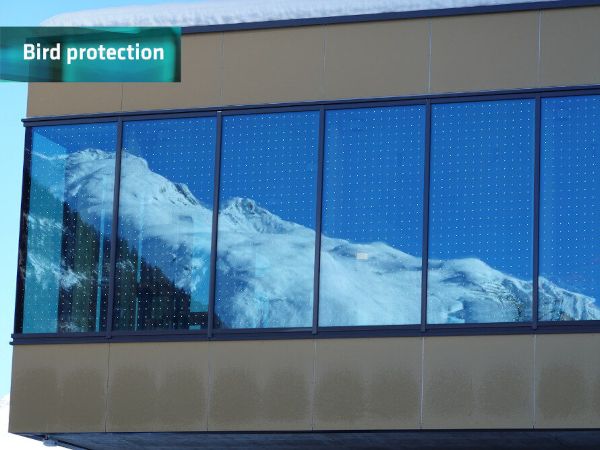
Balancing daylight and design with bird safety is a growing challenge in modern architecture.
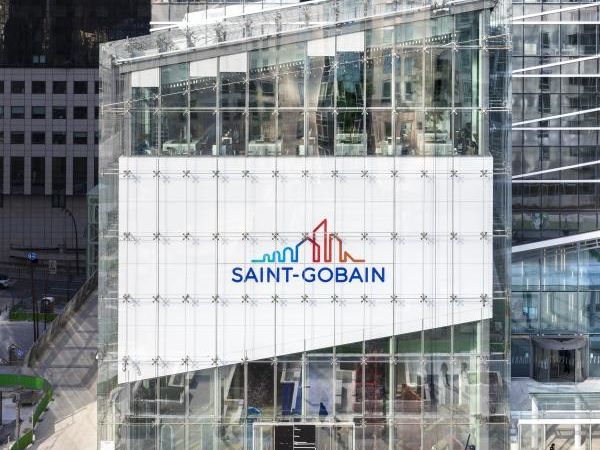
Saint-Gobain has begun building its 7th float glass line and 5th mineral wool insulation line in Oragadam, Chennai.

Glass for Europe is actively shaping EU policy: the association is preparing key contributions to public consultations on affordable housing, construction strategy, and circular economy legislation.
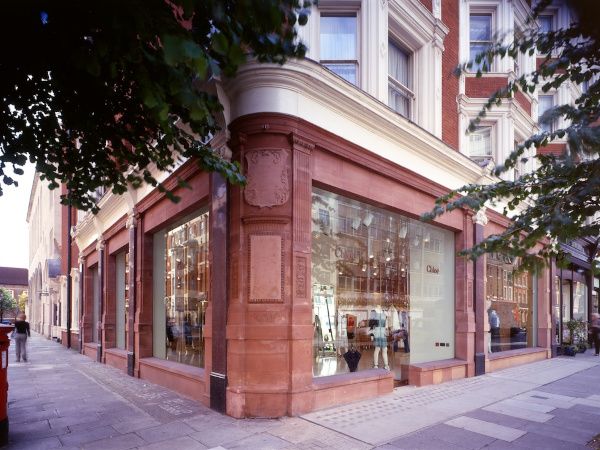
At Chloé’s London flagship, KAPILUX glass partitions shape an elegant, light-filled space that reflects the brand’s youthful and sophisticated spirit.
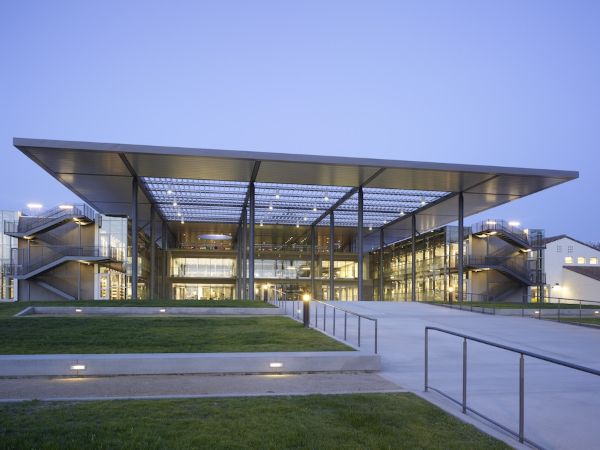
At the heart of CSU Channel Islands, OKALUX glass helps create a bright, comfortable study environment by softly diffusing natural light throughout the library.
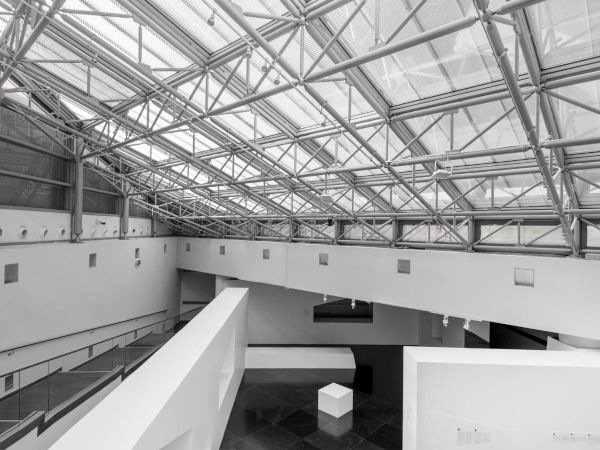
In the heart of Thessaloniki, OKALUX daylighting systems enhance the timeless architecture of the Archaeological Museum, balancing heritage preservation with intelligent, glare-free natural light.
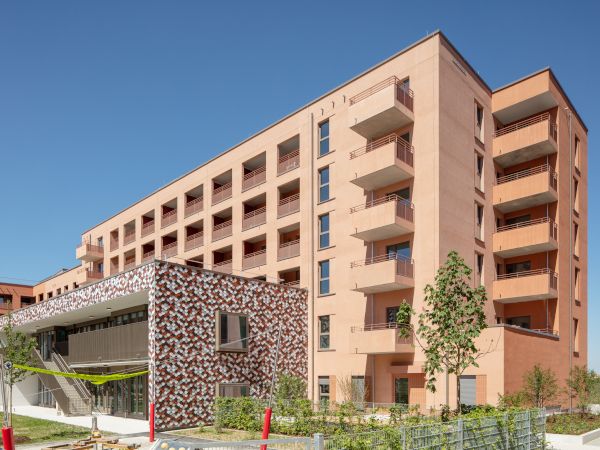
As Munich expands westward, Glas Trösch plays a key role in the Freiham WA 16 residential project, delivering high-performance glass solutions that balance design, comfort, and energy efficiency.

The implementation of the Digital Product Passport (DPP) for construction products, which is anchored in the revised EU Construction Products Regulation (CPR), is progressing.
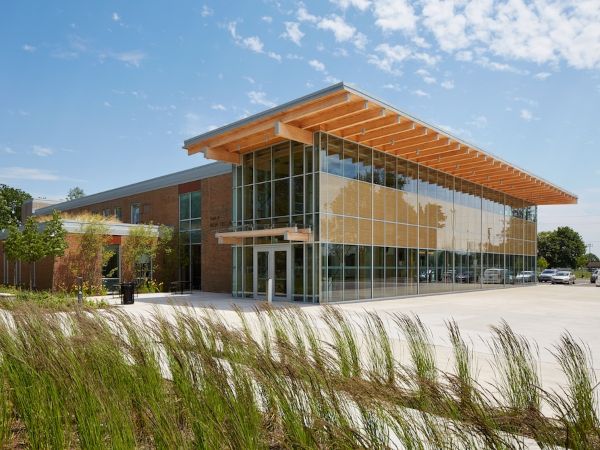
A former school becomes a modern town hall, with OKAWOOD glass bringing daylight, warmth, and a strong sense of community.