Euroglas now using environmentally friendly separating agent

Euroglas now using environmentally friendly separating agent
Photo source
Glas Trösch Group

Date: 7 April 2023

As part of the sustainability initiative “Green for Generations”, the Glas Trösch Group is working constantly on becoming even more efficient and environmentally friendly in all areas.

Here, it is often the seemingly little things that have the greatest impact. A prime example of this can be seen at Euroglas, which has switched to a more sustainable alternative for its glass separating agent and has thus taken on a pioneering role in the glass industry.

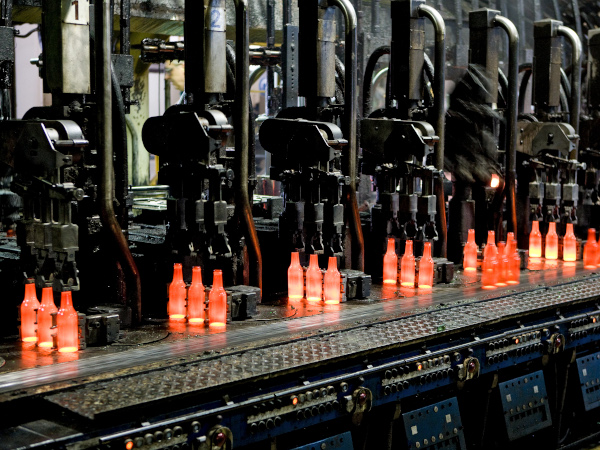
In order to prevent panes of glass from sticking together, powder is applied to all float glass immediately after the cooling process. However, not all separating agents are the same. The products used in the industry up to now usually contain small quantities of microplastics. With this in mind, Euroglas set out to find a more environmentally friendly alternative. Following intensive discussions with the manufacturer and a test phase lasting several months, a new separating agent was found that is completely free from microplastics. As a result, Euroglas is already meeting the planned EU regulation on limiting microplastic use.
600450 Euroglas now using environmentally friendly separating agent glassonweb.com

See more news about:

Others also read

ECCC's Jamie Hulan outlined upcoming ENERGY STAR Canada changes and market transformation strategy at the FGIA Fall Conference.
An environmental psychologist reported on the latest lighting research and the impact of lighting on human health during the Fenestration & Glazing Industry Alliance (FGIA) Fall Conference in Calgary, AB.
Two years after CircuClarity One, the initiators take stock: what has really changed in the glass sector and what does it take for good ideas to make a real impact?
In Düsseldorf international decision-makers will encounter innovations, knowledge and concrete solutions for the glass sector
A new roadmap explores how Germany's glass industry can achieve CO₂ neutrality by 2045, outlining the technologies and strategies needed to drive decarbonisation.
NGA calls on representatives from glass fabricators and manufacturers to participate in the PCR guidance development process

Add new comment

NEWS RELATED PRODUCTS