
Others also read

In the week of 16 September, Bertrand Cazes, Secretary General of Glass for Europe and Adrien Carton, Sustainable Construction and Industrial Policy Manager travelled to Strasbourg to meet with representatives of the European Parliament.

On 16 September, Glass for Europe chairman Davide Cappellino published an opinion piece in Euractiv entitled “Time for the flat glass industry’s decarbonisation efforts to pay off”.
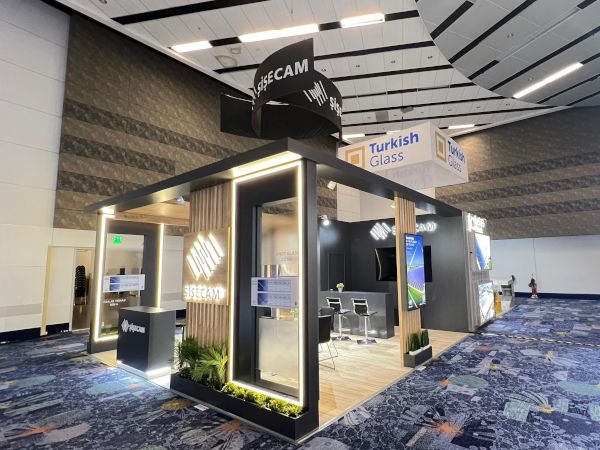
Şişecam, the only global company active in all core glass segments, showcased its products at the RE+ Solar Energy Trade Show in Anaheim, California.

In a recent statement, the UK Minister for Building Safety and Homelessness, Rushanara Ali, confirmed that the recognition of CE marking for construction products will be extended beyond the previously set deadline of 30th June 2025.

TurkishGlass is excited to announce its debut at RE+, the largest clean energy event in North America which will take place in Anaheim from September 9-12.

Our Environment and Climate Policy Manager, Iva Ganev, attended the seminar on Performance-Based Façade Design which took place on 5-6 September 2024 in Venice.

Şişecam, the only global player in all core areas of glass, will participate in the RE+ Solar Energy Trade Show, which will be held in Anaheim, United States on September 9-12, 2024. Şişecam will showcase its solar glass products.

On 29 August, Bertrand Cazes took part to the ‘Glass Termin / Journée d’échanges du verre’ organised by SIGAB, the technical department of SFV/ASVP, the Swiss glazing association.

Glass for Europe welcomes the decision from the European Council to include flat glass products as part of the extension of the scope of sanctions on Belarus to fight circumvention.
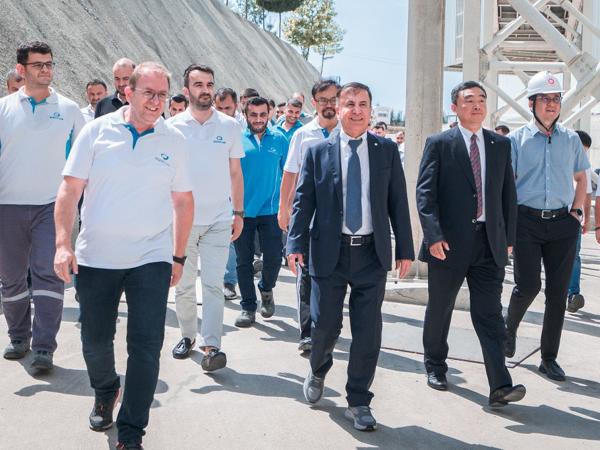
Düzce Float Glass took an important step towards the renewable energy sector and opened the DCS Solar Glass Line into production with a ceremony.

This week, Bertrand Cazes, Secretary General of Glass for Europe and, for this year, of Glass Alliance Europe, led a series of pivotal meetings to address the future of the EU glass industry.
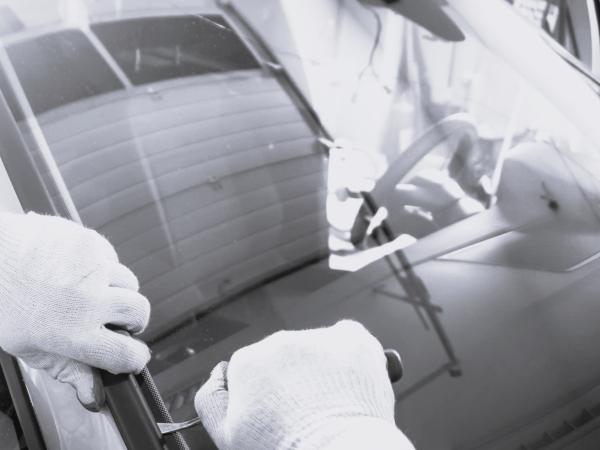
The latest trends and issues in automotive recycling were discussed this week at the International Automotive Recycling Congress 2024, with a focus on the work on the End-of-life of vehicles Regulation (ELVR).
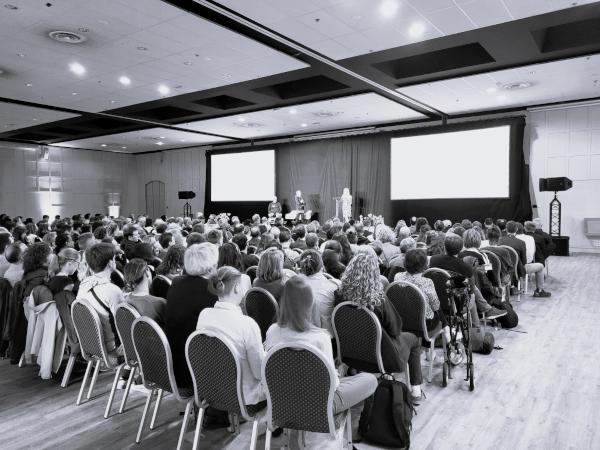
From 10 to 14 June, Glass for Europe is attending the summer study of European Council for an Energy Efficient Economy (ECEEE) to exchange on building energy efficiency and the role that glazing plays in it.

In its new informative paper, Glass for Europe introduces the issue of bird collisions with glass surfaces and the wide range of technologies developed by the flat glass industry to prevent them and preserve biodiversity.
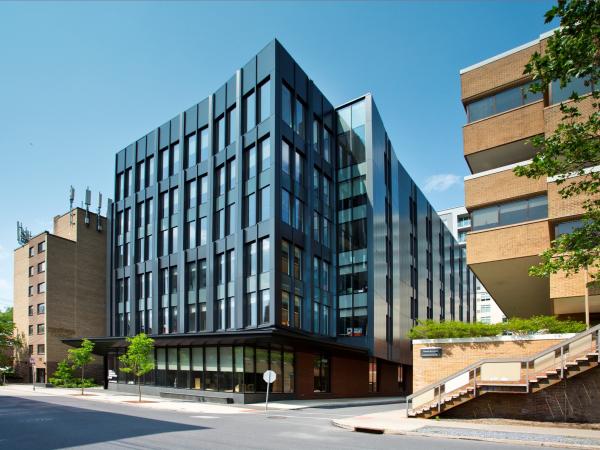
As Penn State’s first ground-up building in downtown State College, Pa., the new LEED® Gold-targeting Eric J. Barron Innovation Hub, formerly known as the James Building, maximizes daylighting with precisely sized openings and a ground-floor…
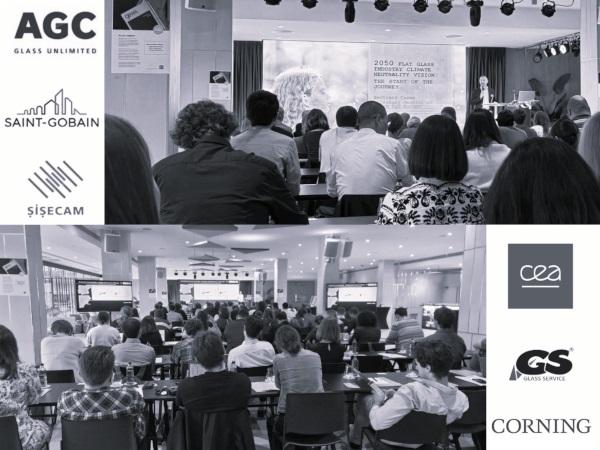
From 29 April to 3 May, Glass for Europe has attended the ICG – International Commission on Glass Spring School 2024.
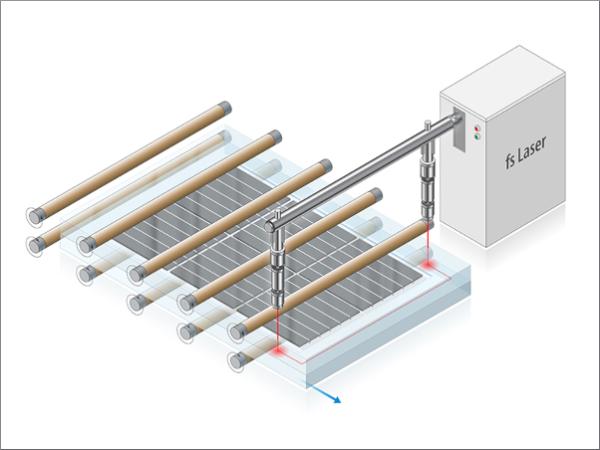
Use of Lasers To Melt Edges of Glass Together Eliminates Troublesome Polymers
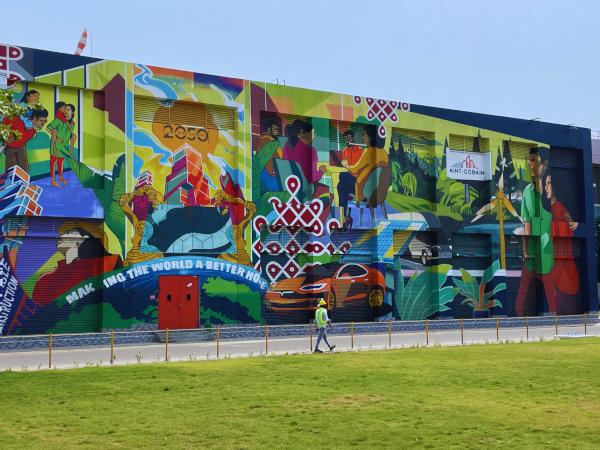
In the intricate world of glass manufacturing, precision, and quality assurance stand as pillars of success.
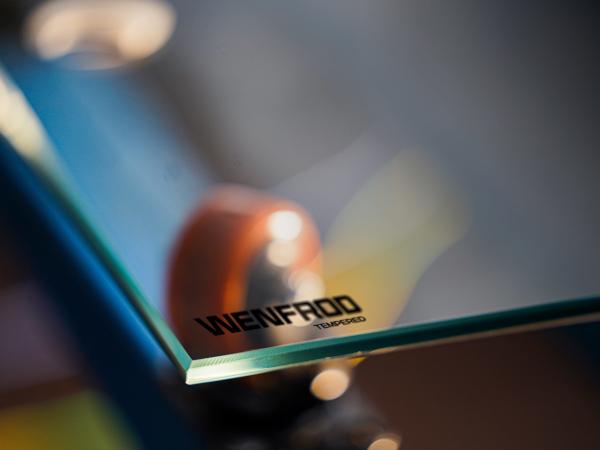
As part of AYD Group Glass Industry, Wenfrod reinforces its leadership position in the industry through innovative products and sustainable business models.
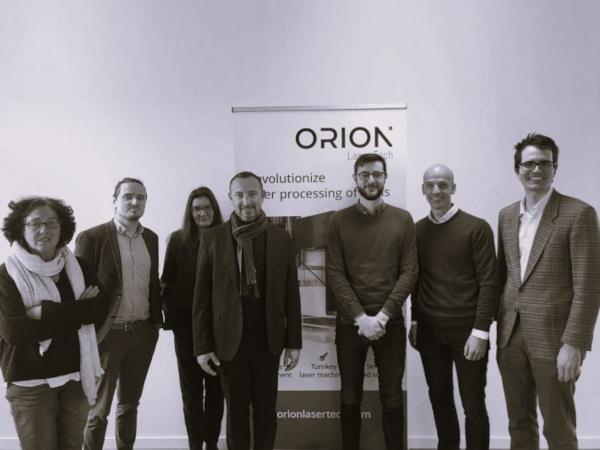
On 25 April, the Glass for Europe secretariat visited Orion Laser Tech to learn about their technology for bird-friendly glass production.

On 16 April, Glass for Europe participated in a workshop on the “Extended Producer Responsibility in the Construction Sector” organised by the Buildings Performance Institute Europe (BPIE).
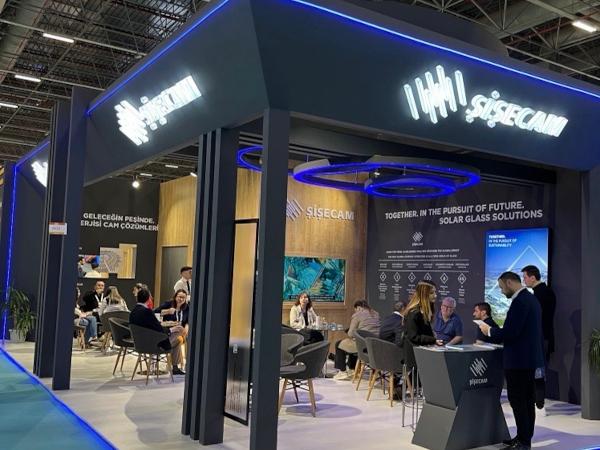
Şişecam, among the world's top five largest global manufacturers in the Flat Glass sector, participated in the International Solar Energy and Technologies Fair, Solarex Istanbul, held at the Istanbul Fair Center.

In addition to the five-part video series, Glass for Europe is thrilled to unveil a two-pager Manifesto outlining its priorities and policy recommendations for the 2024-2029 mandate of the European institutions.
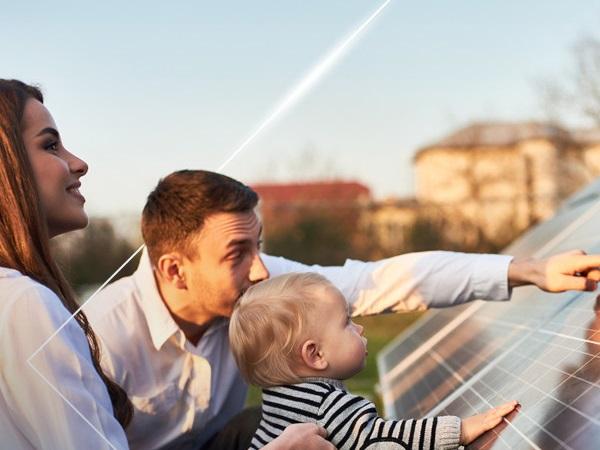
Şişecam will take part in the International Solar Energy and Technologies Fair Solarex Istanbul, held at the Istanbul Expo Center from April 4th to 6th.
On 20 March 2024, Glass for Europe held its annual General Assembly in Brussels, bringing together senior executives and committee chairs from EU-based float manufacturers.