Date: 21 April 2026
Working in collaboration with the Icon Stained Glass Group Working Party, the GGF have been supporting engagement with the Health and Safety Executive (HSE) on proposed changes to acceptable workplace action an suspension lead levels under the Control of Lead at Work Regulations (CLAW) - proposals that could have significant consequences for those working with just traditional lead-based materials, particularly women of reproductive capacity.
Whilst the general feedback is in support of lower levels there are concerns about how this can be achieved - particularly within the suggested timeframe, and when accounting for existing background and long-term body burden levels.
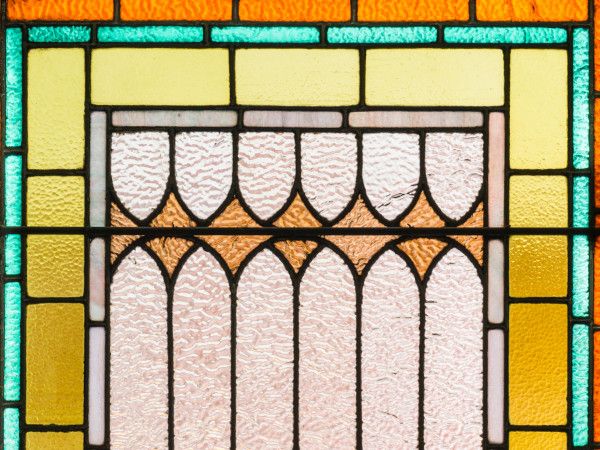
The proposed changes come at a pivotal time for the stained-glass sector, which has recently been recognised as an endangered craft in the UK, highlighting the urgent need to protect the specialist skills and craftspeople that remain.
Against this backdrop, the GGF is stressing that any regulatory changes must carefully balance improved health and safety with the long-term sustainability of the craft, ensuring that expectations placed on businesses are both realistic and deliverable.

“This is an issue that is both professionally and personally important to me”, said John Mannell, Technical Officer at the GGF. “My own journey into the glass industry began with stained glass, so I understand first-hand the skill, care and tradition that underpins this part of the sector.
“Stained glass is not just a niche; it is a vital part of our sectors and nations heritage. With the craft now recognised as endangered, it is more important than ever that we protect the people and skills that sustain it.”
Early indications suggest that the proposed reductions in lead exposure limits may be difficult to achieve in practice, particularly women of reproductive capacity who will require significantly lower levels than the rest of the workforce. These challenges are compounded by two main concerns:
- Firstly, is the whole-body burden that previously acceptable levels will take time to leave the body
- Secondly, the risk that if background levels are not considered, that there are potentially people who cannot meet the targets even with the safest of working practices.
Taken together, these factors raise important questions about how quickly the proposed changes can realistically be implemented across the sector.
All these concerns show that the proposals could place additional pressure on an already fragile skills base.
Through its involvement in the Working Party, the GGF is helping to coordinate an industry response, ensuring that feedback to HSE is underpinned by robust, real-world data and not just anecdotal claims.
Given the uncertainties around achievability, gathering detailed industry data will be essential in helping regulators understand what is practical within the proposed timeframe and where adjustments may be required.
“We fully support the ambition to improve health and safety standards, but any changes must be grounded in evidence and be achievable in practice”, explained John. “Otherwise, there is a real risk, as already seen in Europe, of unintended consequences for businesses and craftspeople (most likely females) who rely on these materials every day.”
“It is critical that the proposed timelines and limits reflect real working conditions”.
To support this process, the GGF is urging businesses of all sizes, including SMEs, sole traders, training providers and heritage specialists, to complete the HSE Consultation and share it widely with relevant parties in their supply chain that work with lead.
A key objective is to build a comprehensive response that reflects real exposure levels across different roles, including where possible evidence of baseline readings for individuals with no prior occupational exposure. This data will be critical in ensuring that any future regulation is proportionate and reflective of real working conditions.
With regulatory decisions likely to be shaped by the strength of industry input, the GGF is emphasising the importance of broad participation.
“We need the full breadth of the industry to engage,” John added. “From specialist studios to those working with decorative glass, every perspective matters in ensuring a balanced and sustainable outcome.”
To respond to the consultation, click here. The deadline to complete the survey is Friday 28th November.
For more information about the GGF and how it can support your business’ growth, please visit www.ggf.org.uk or call 0207 939 9100.
 600450




Add new comment