Others also read
| Discover how float glass is transformed into high-performance architectural glazing through key processing stages, from precision cutting and tempering to lamination and insulated glass assembly.
| A more objective approach to coated glass colour could transform how architects and designers select and evaluate architectural façades.
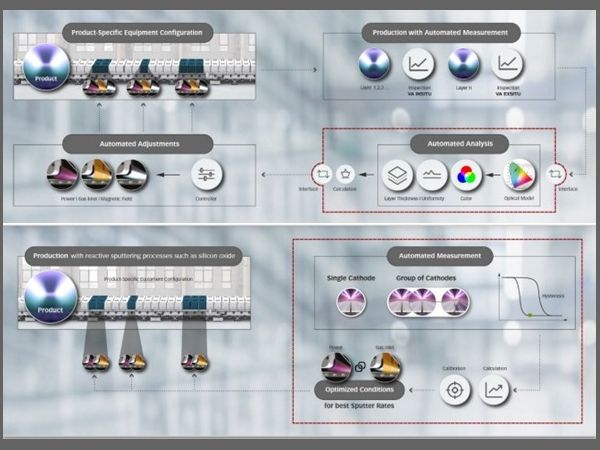
| Discover how digital software solutions are helping glass coating manufacturers reduce carbon emissions, improve production efficiency, and support the journey toward net-zero buildings and vehicles.
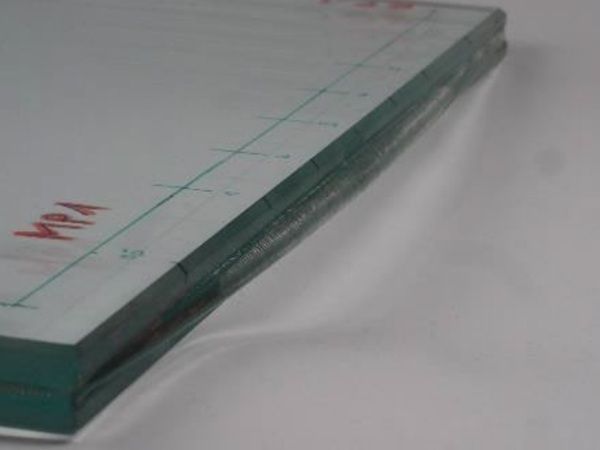
| The growing use of glass in modern architecture has increased the importance of laminated safety glass (LSG), prompting new research into how production processes impact its long-term durability and safety.
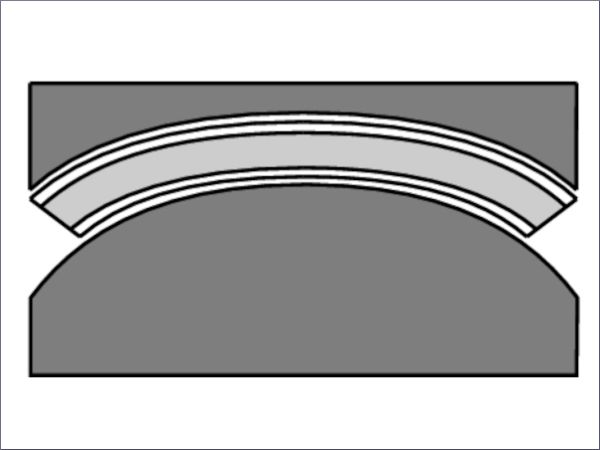
| A new study explores the potential of liquid optically clear adhesives (LOCA) as interlayers in laminated glass, offering promising solutions for complex curved designs and smart glazing applications.
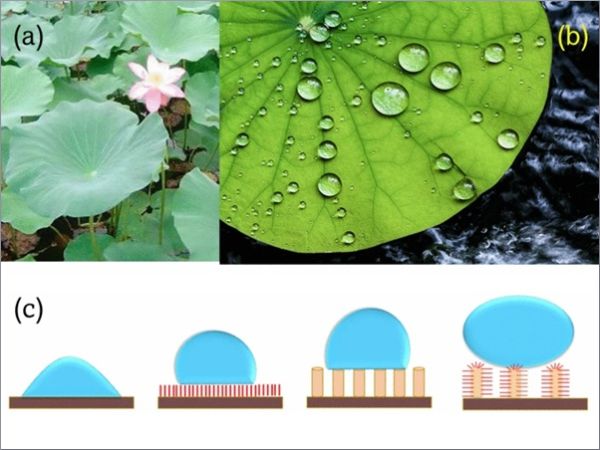
| Self-cleaning surfaces, enabled by advanced material design and additive manufacturing, are opening new possibilities for sustainable and multifunctional technologies.
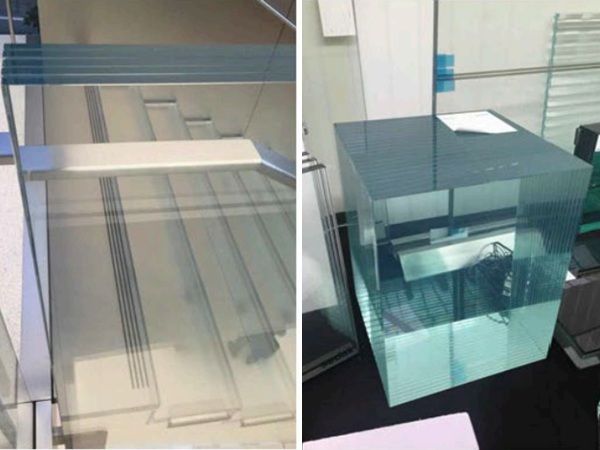
| This paper investigates the integration of colorimetric analysis into the architectural glass selection process, with a focus on utilizing spectral data to quantitatively characterize colour attributes.
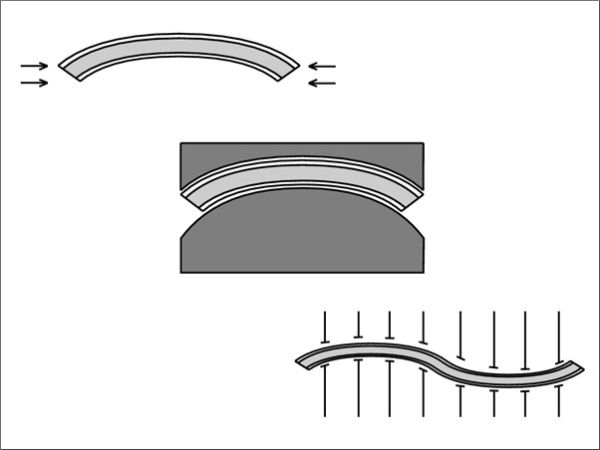
| This paper presents the investigation of three LOCA for application as interlayers in laminated glass. Within a comprehensive experimental study, essential material properties were investigated.
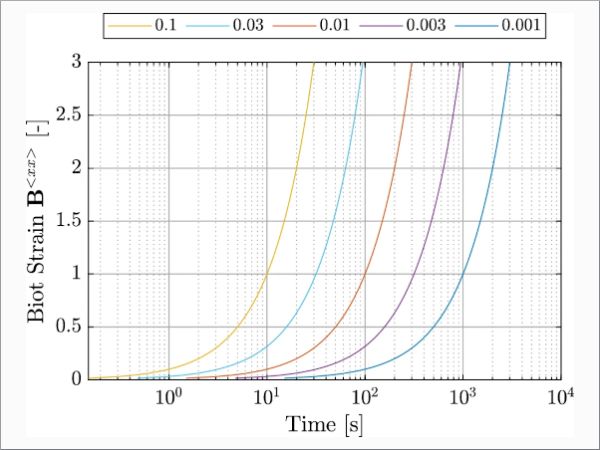
| The aim of this work is the mechanical description of the time-dependent behavior of Polyvinylbutyral (PVB) under large deformations considering quasi-static loading.
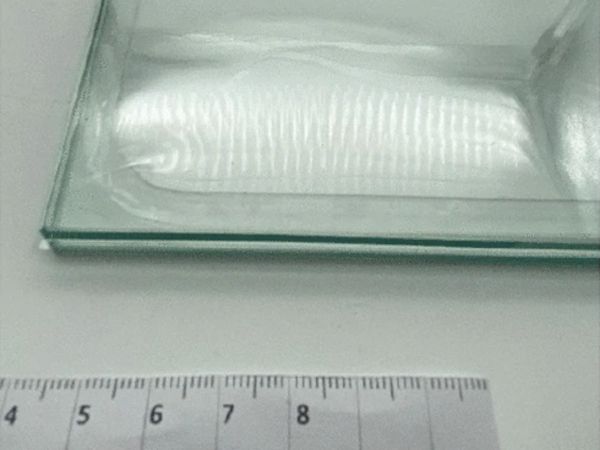
| In this paper, two specific liquid cold-poured interlayer adhesives are investigated for their mechanical material properties in an extensive test regime.
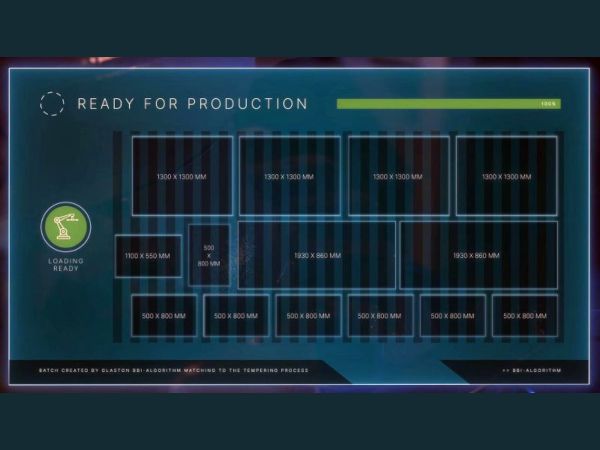
| What glass processes gain the most from automation? In this blog, we’ll focus on some of the particularly promising application areas.

| In this paper, an experimental program was conducted to evaluate and compare the performance of transparent bonded glass joints.
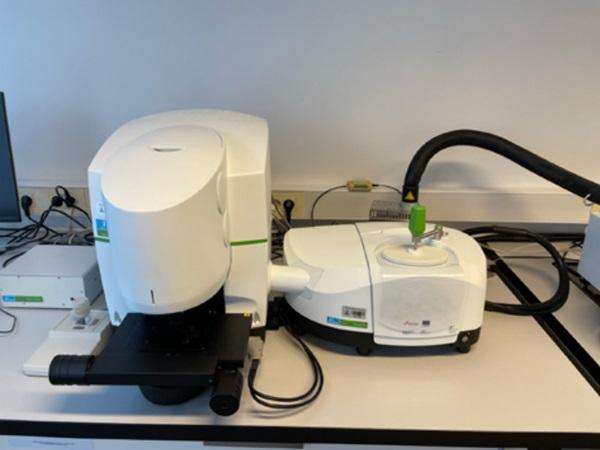
| The research presents advantages and disadvantages for each different load type regarding interlayer chemical response.
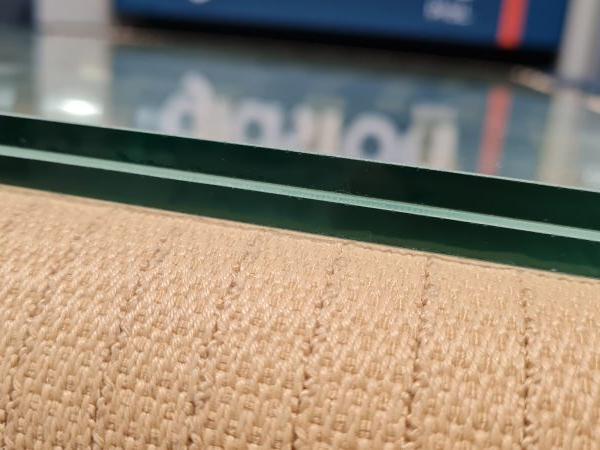
| Today talking about the trends, challenges, and innovations of flat glass lamination on Glastory.
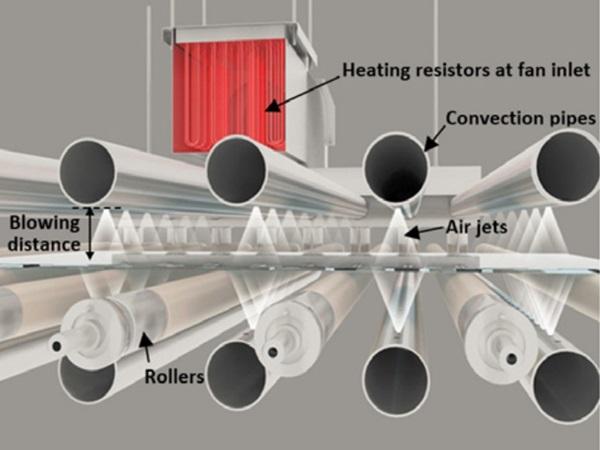
| The ability to predict interlayer and glass temperatures in the glass lamination process is the key factor for success.
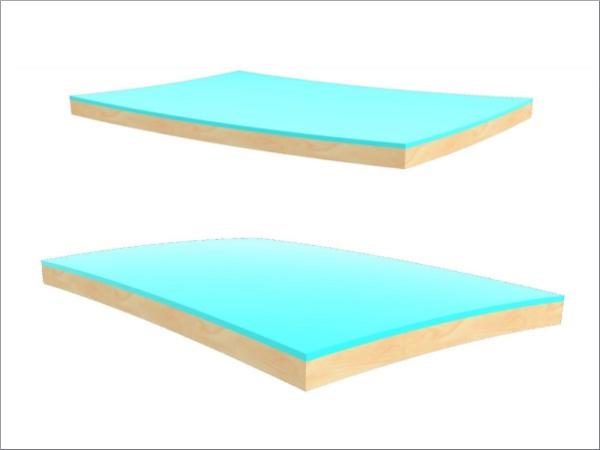
| Glass timber panels (GTP) combine the visual effect of noble and high-quality wood materials at the same time meet-ing the hygiene requirements for the health and welfare sector. This paper describes the fabrication requirements and techniques of GTP.
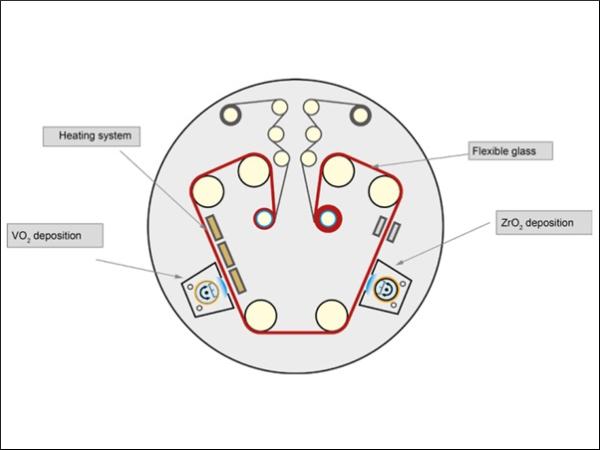
| The authors present results achieved in a roll-to-roll deposition process of vanadium oxide on flexible glass of 0.1 mm thickness.
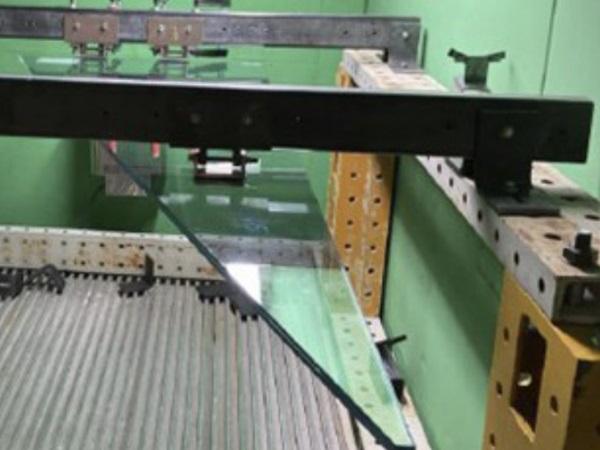
| Glass is a brittle material. After the stress due to loading exceeds the resistance, a breakage occurs, and the glass is no longer intact.
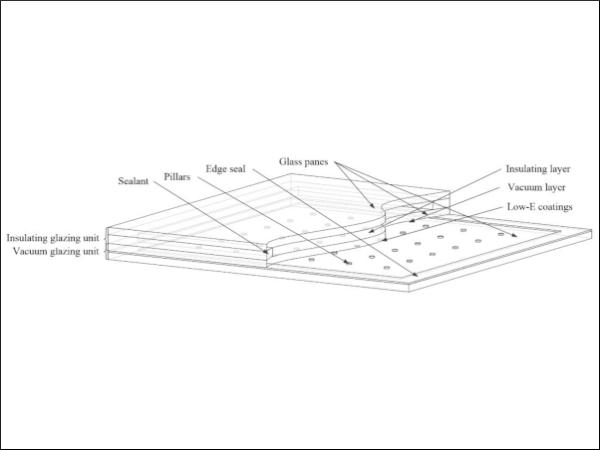
| In this paper, a prediction method of the heat transfer coefficient of composite vacuum glazing (CVG) is proposed.
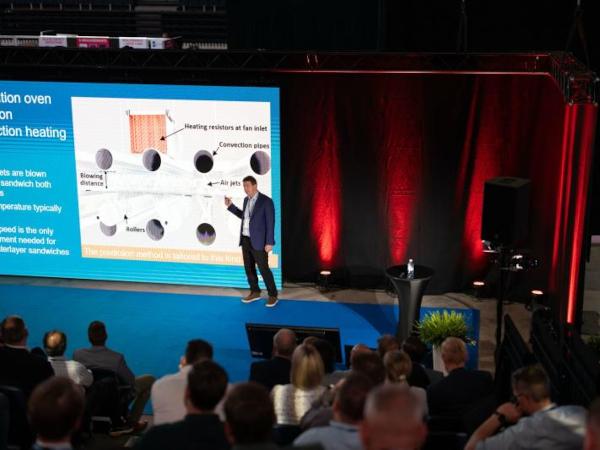
| The latest Glastory blog presents how to overcome interlayer temperature hurdles in laminated glass processing with the prediction method. More of the presentation by Mikko Rantala at GPD 2023.

| In his blogs, Luc Moeyersons covered various subjects related to laminated glass, whether it is automotive, architectural, or photovoltaic.
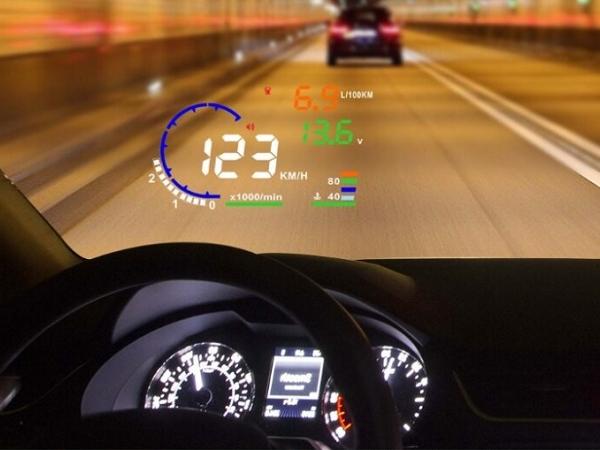
| Automotive Glass Laminating Guide – Part 6
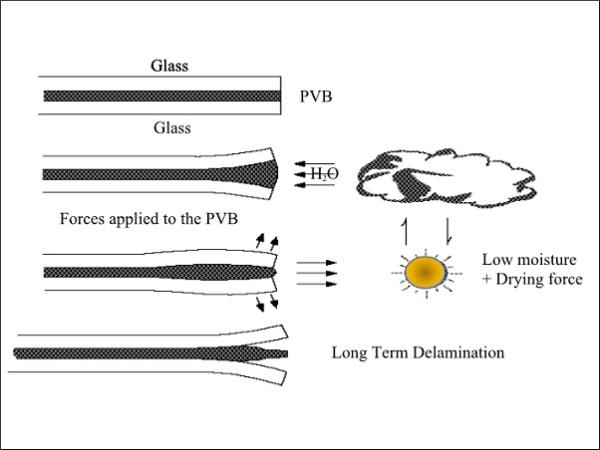
| Automotive Glass Laminating Guide – Part 5