
Others also read
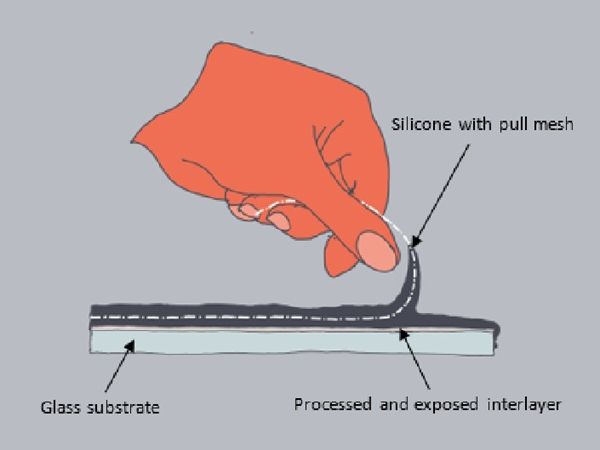
| Can silicone–interlayer adhesion make structural glass design more efficient? New research shows how strong, durable bonding between silicone sealants and laminated glass interlayers could help optimise SSG joints and reduce material use.

| How can structural silicone glazing help data centres combine sleek, city-friendly glass façades with the security, thermal efficiency and resilience required for mission-critical infrastructure?
| Discover how pre-applied silicone strips are transforming structural glazing, improving productivity, design flexibility, cost efficiency and sustainability in modern façades.
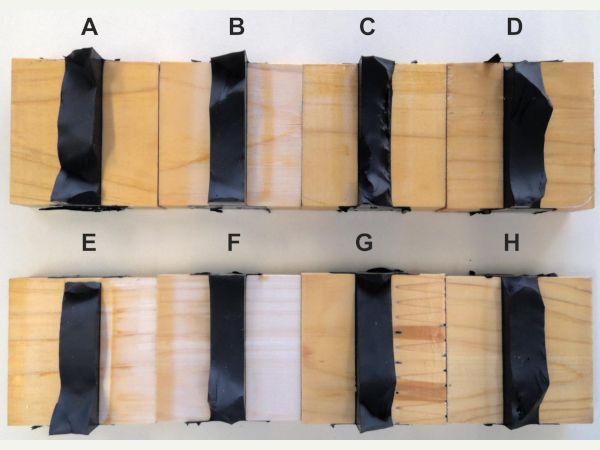
| Can timber sash systems replace aluminium? New research tests structural silicone glazing durability to find out.
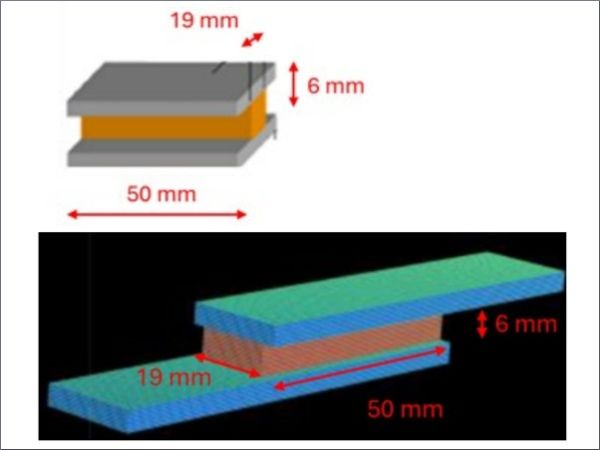
| A new study explores how smarter structural design and adhesive optimization in glass-metal façades can significantly cut embodied carbon while maintaining performance and integrity.
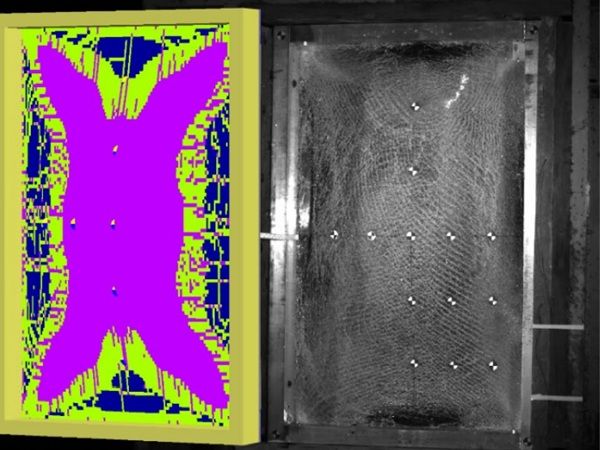
| Understanding how glazing systems behave under blast conditions is essential for designing safer, more resilient façades.
| By Errol Bull, P.E., CSI, an Application Development Leader at Momentive Performance Materials Inc. Member: IIBEC, ASTM C24, ISO TC59/SC8
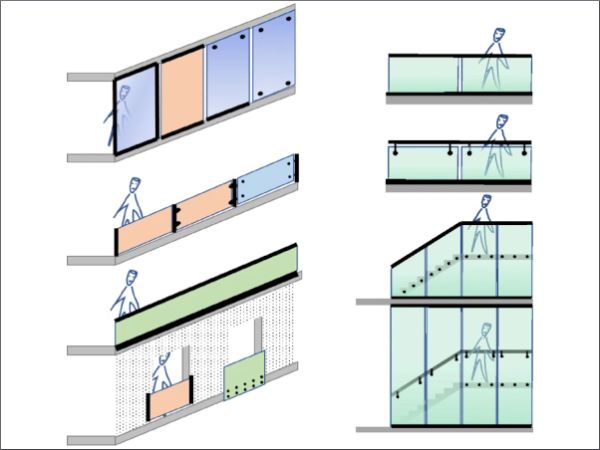
| The German code for the design of glass structures, DIN 18008, was first published in its final version in 2010 and 2013; as several major changes were suggested, the periodical revision took longer than expected.
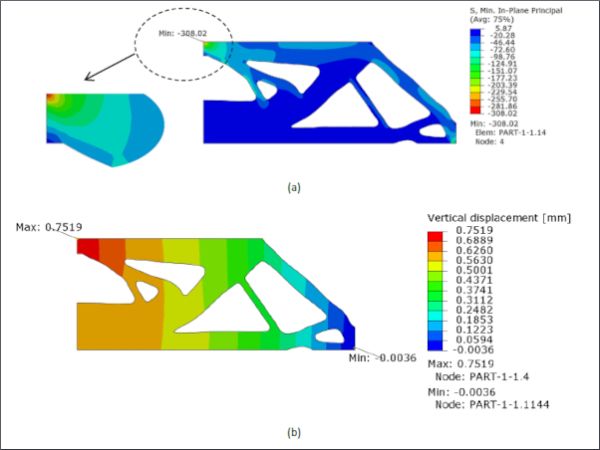
| The purpose of this work is to implement an algorithm to perform topology optimization for glass structures fabricated by the AWJ cutting method.
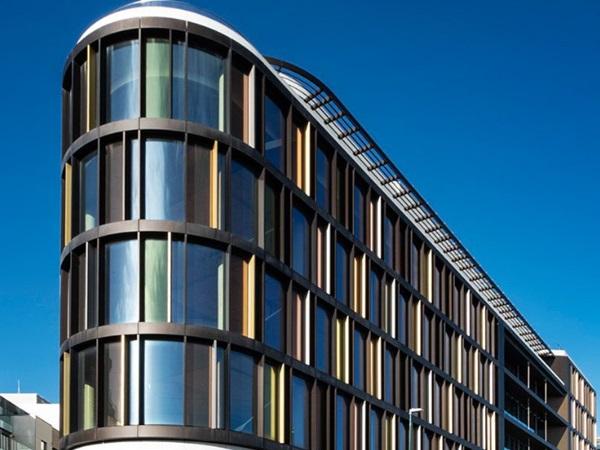
| The purpose of this study is to investigate the stress distribution along the sealant joint of a cylindrically curved glass panel subjected to wind pressure and to establish if the panel curvature influences the stress distribution along the joint length.
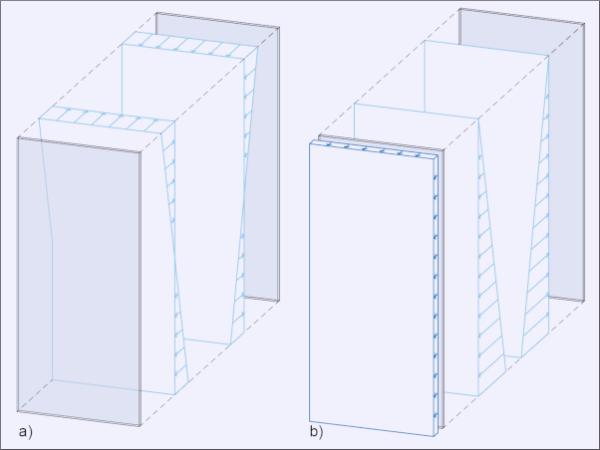
| This paper is concerned with the design of a load-bearing adhesive joint for use in a fluid-filled insulating glass unit.
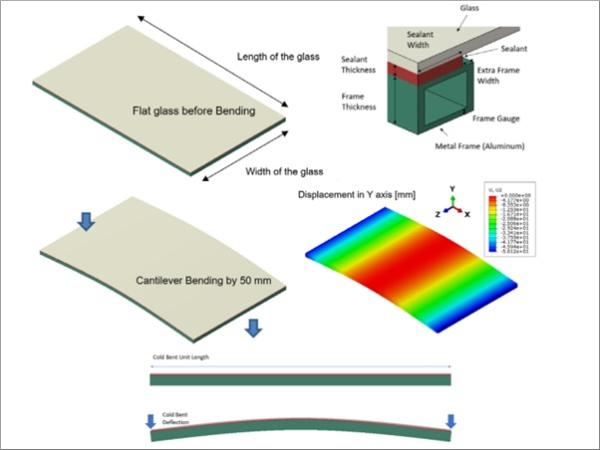
| Modern free form glass architecture has become increasingly popular in the structural sealant glazing application, as demonstrated by many iconic building projects, such as Allianz tower in Milan.

| This paper seeks to understand the outstanding questions around the potential carbon consequences and benefits of using insulating glass units (IGU) in facades.

| ‘Levitation Ledges at the Summit of the One Vanderbilt (NYC)’

| This document provides an overview of the causes of sunburst delamination in laminated glass.

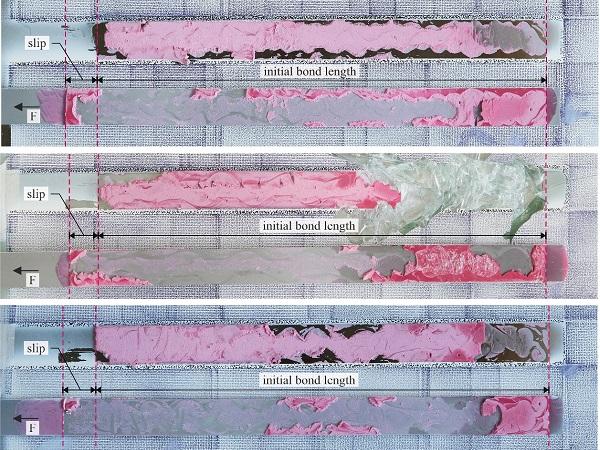
| This work discusses the results from first feasibility investigations dealing with the choice of adhesive and identifying a suitable activation procedure for Fe-SMA strips adhesively bonded to glass elements.
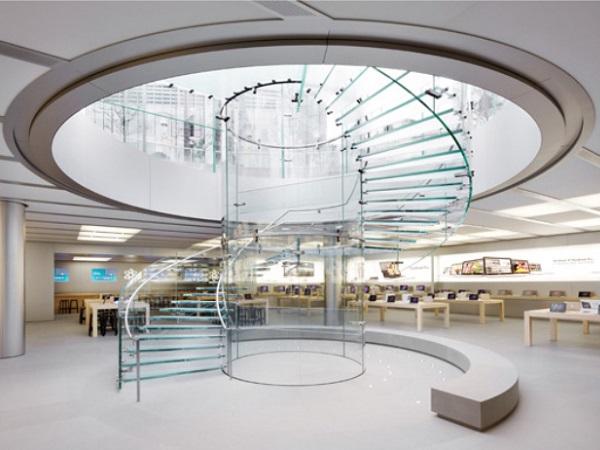
| The intention of this paper is to address this gap with the aid of photoelasticity as an indirect measuring method in a coordinated way with numerical simulation based on finite element analysis.
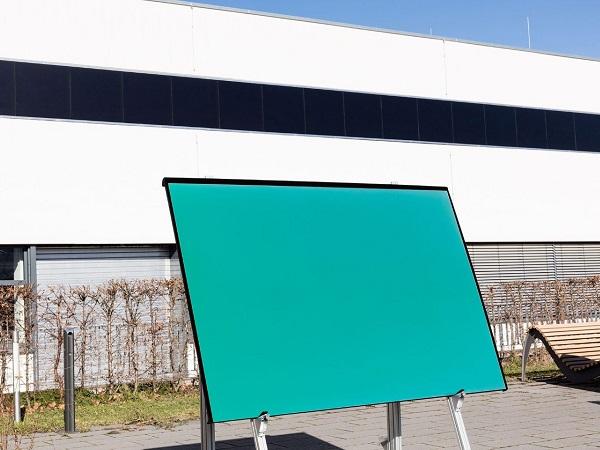
| Industrial manufacture of solar building components and their integration into the building planning process
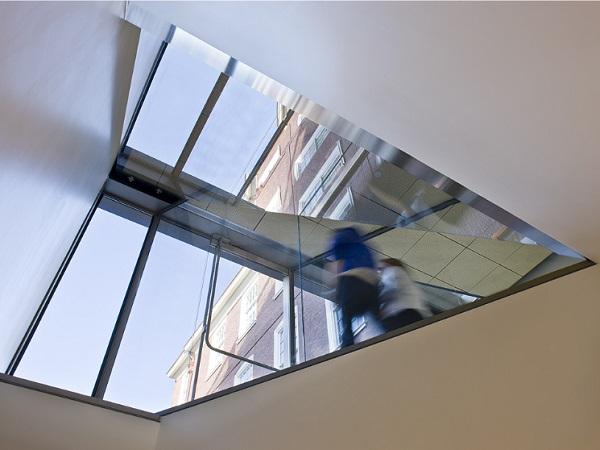
| The two case studies illustrate how the engineering of glass can fluctuate with design intent in unusual scenarios – when we cannot rely solely on conventional codes and standards to guide the analysis.
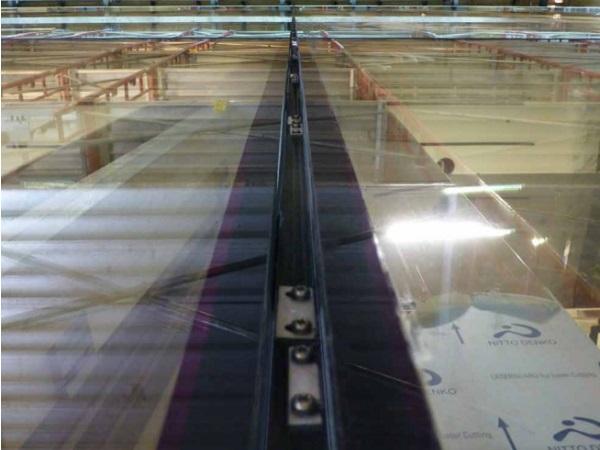
| Five commercial glazing system analysis and a project study show the advantages of using Insulated Glass Unit (IGU) edges to mechanically attach glass to buildings.
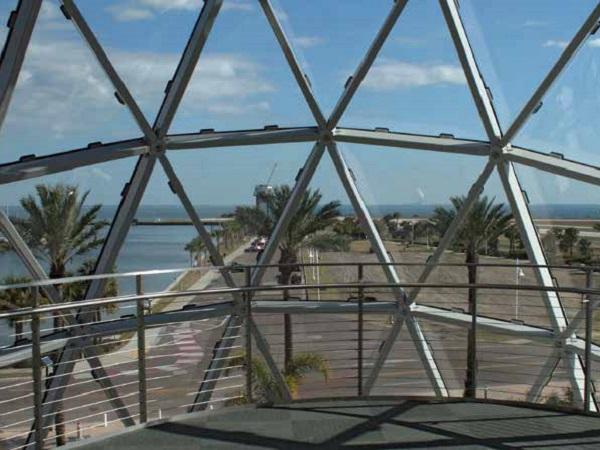
| To create spectacular Tampa Bay views from inside the museum, Novum Structures used hurricane-resistant safety glazing.

| Originally developed for glazing in hurricane zones, SentryGlas® ionoplast interlayers are significantly stiffer than standard PVBs such as Butacite®.
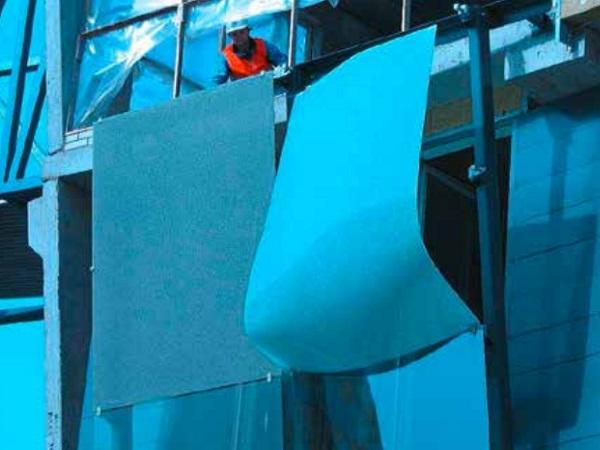
| Post breakage strength of glass is still an unknown area as analytical models for this are inconclusive so far and thus destructive testing is the only reliable solution.

| The present work uses non-linear material laws for FEA and exhibits the behavior of the sealant joint in various load scenarios on several projects.