
Others also read
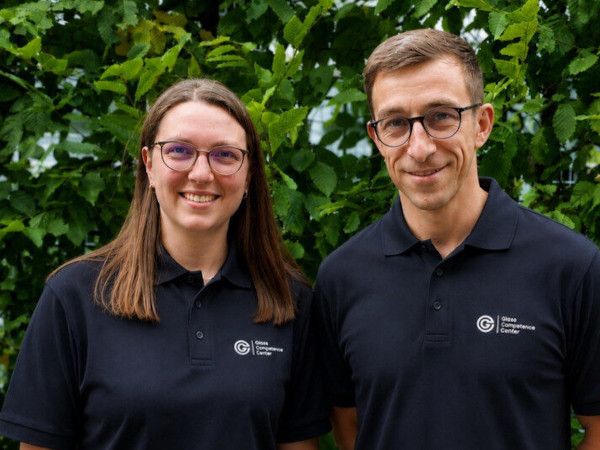
How can glass achieve higher performance while keeping construction simple? Researchers at TU Darmstadt explore this question through innovations in thin, thick, vacuum-insulating and curved glass, with a growing focus on reuse over recycling.

On the morning of September 12, NorthGlass Cast Glass Company held a firing ceremony for its second kiln.

As one of the conference’s strategic sponsors, Şişecam shared its insights into the evolving dynamics of the soda ash industry and its vision for the global market.
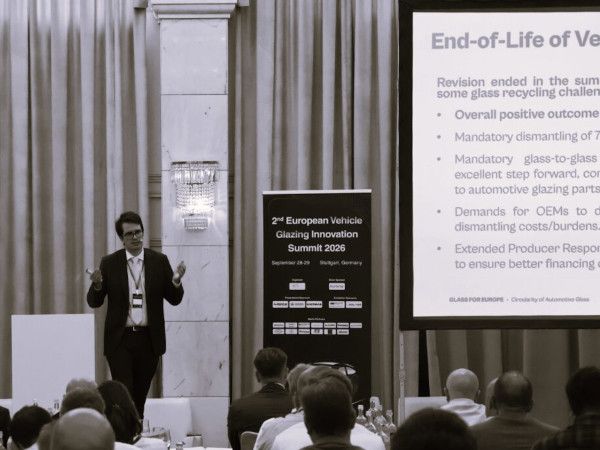
Exploring circularity and innovation across the automotive glass value chain.
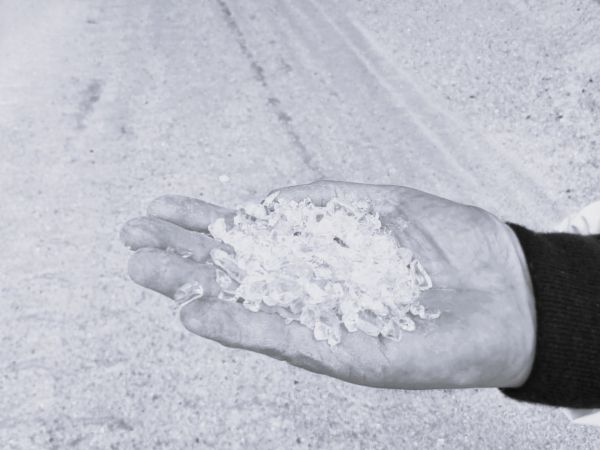
The flat glass industry’s priority is to increase the quality and quantity of crushed flat glass (cullet) that can be recycled.
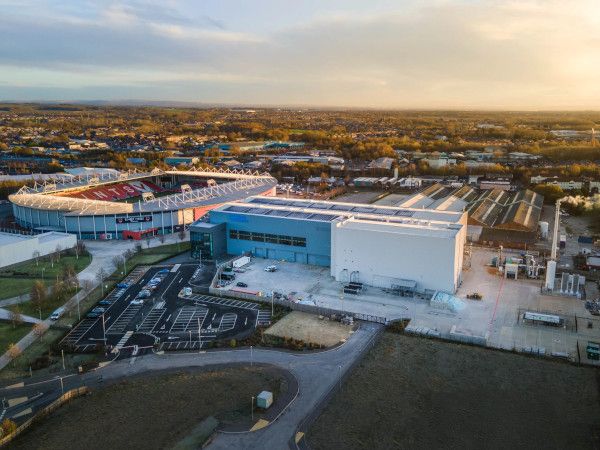
The collaboration aims to move promising technology from the lab towards real-world industrial applications.
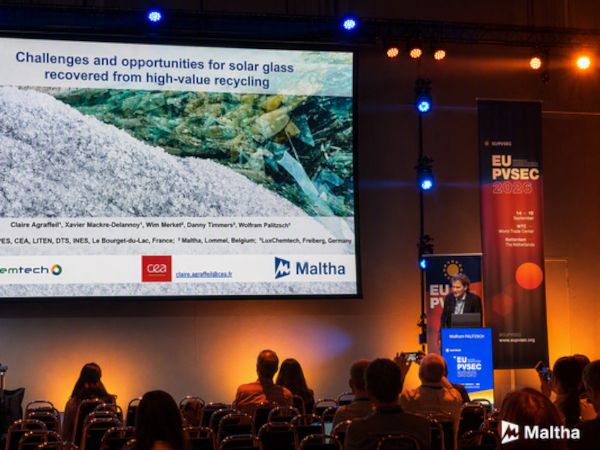
Maltha is advancing high-value solar panel glass recycling, helping turn end-of-life PV panels into valuable raw materials for a more circular glass industry.
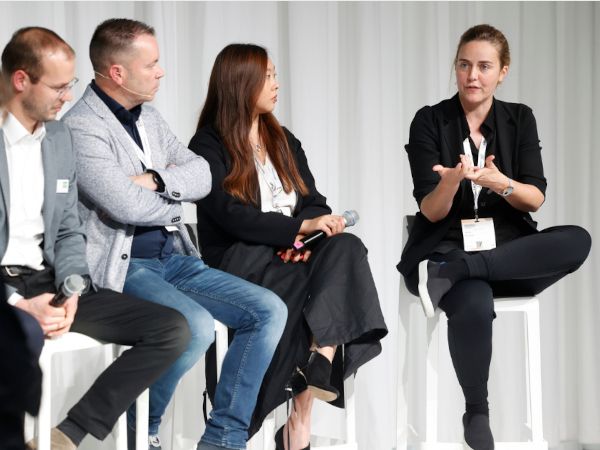
Sophie Pennetier (Digne) spoke about glass recycling in the construction sector at CircuClarity at glasstec in 2024. In this interview she explains why post-consumer glass rarely finds its way back into the cycle and who has to rethink matters first…
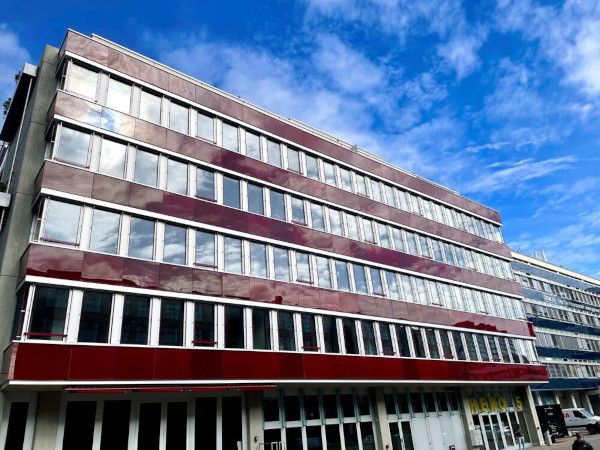

FunGlass is exploring innovative ways to recover hard-to-recycle glass waste, combining advanced processing technologies with glass science to support a more sustainable and circular glass industry.

A national think tank and SDIC Innovation recently visited NorthGlass to explore its High-Temperature Electric Kiln technology for energy saving and carbon reduction.

At GlassBuild America 2026, Booth #1945, Glaston is showcasing its full portfolio of automation solutions spanning tempering, lamination, insulating and mobility glass manufacturing, each built to help processors not just keep pace, but lead.
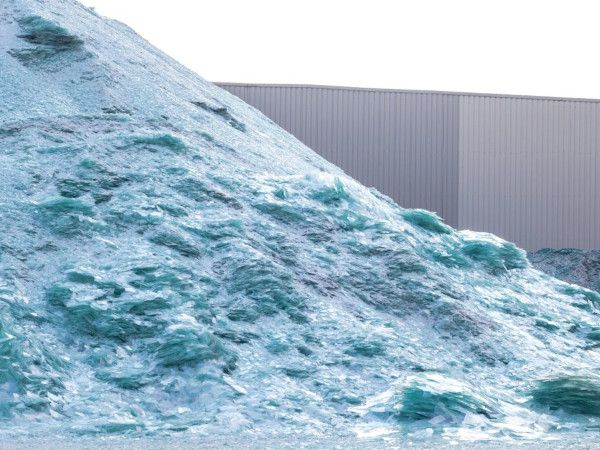
Glass can be recycled indefinitely, and using glass cullet in production reduces the need for virgin raw materials, energy consumption and greenhouse gas emissions.
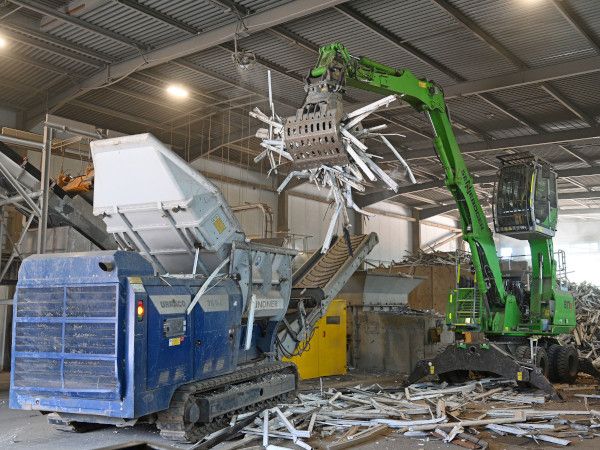
For many installers, waste removal has traditionally been viewed as little more than a necessary operational task, arrange a skip, clear the site, move onto the next job.
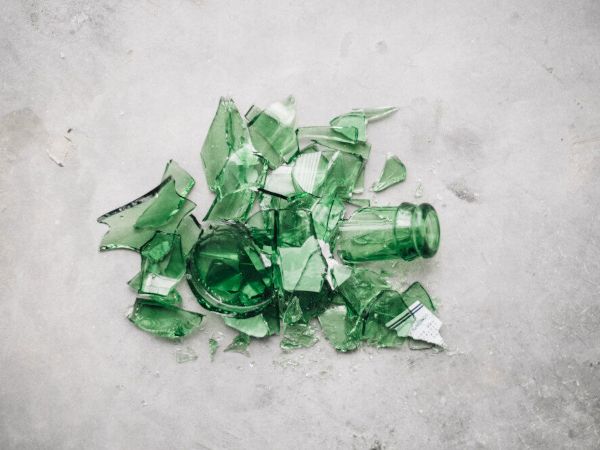
At glasstec 2026 circularity is one of the key three Hot Topics. Exhibitors will show how glass products are developed to be more suitable for recycling, how insulation glass units are separated automatically and how new sources of cullet can be…

Glass for Europe organised a workshop on the Packaging and Packaging Waste Regulation (PPWR).

RCN Solutions is set to showcase its innovation and Italian expertise at China Glass 2026, bringing advanced solutions and new opportunities to a global stage.
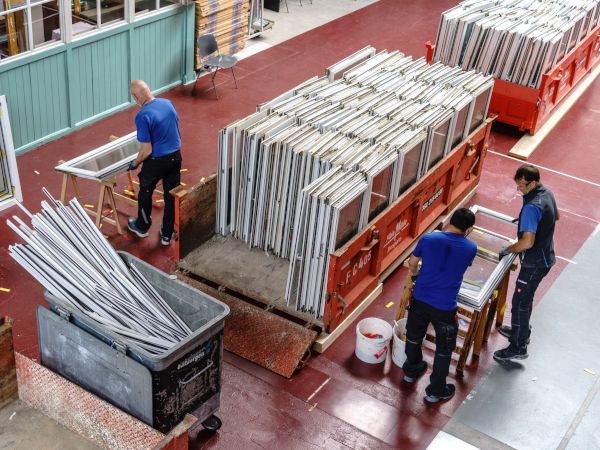
A pilot project led by ZHAW with Glas Trösch has demonstrated that recycling end-of-life windows into new float glass is technically feasible, paving the way toward a closed-loop recycling chain.
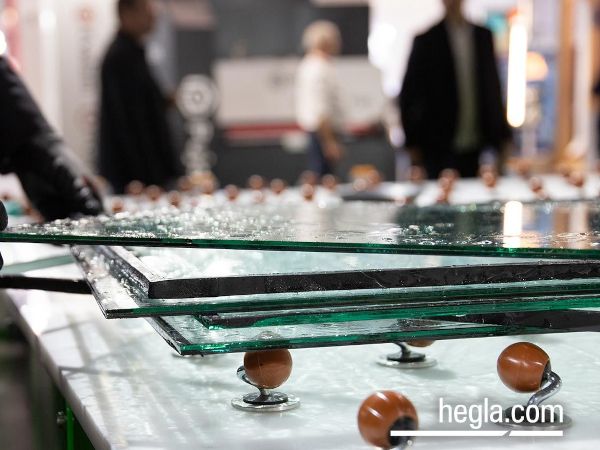
HEGLA’s IG2Pieces system has been nominated for the prestigious Fensterbau Innovation Award, highlighting its contribution to advancing circular solutions in the glass industry.
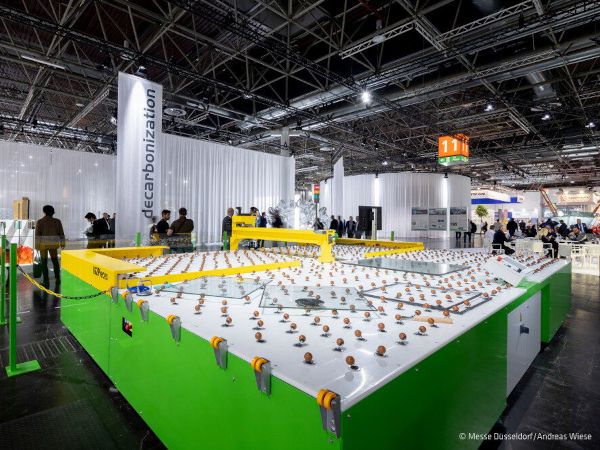
Glass can be molten indefinitely without losing quality – a property that makes it a key material for circularity. But the distance to cover towards a genuine circular economy varies by glass segment.
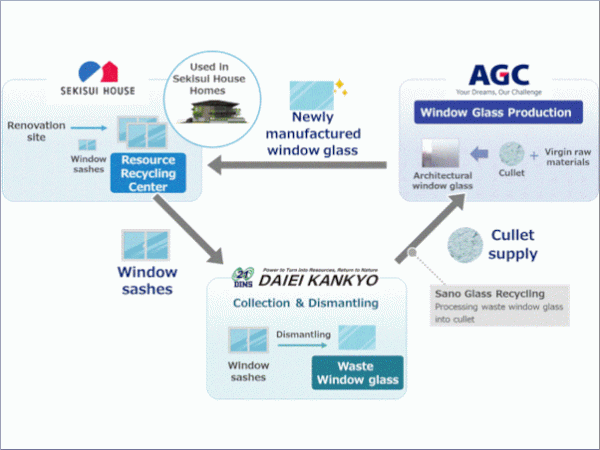
Japan’s first demonstration project for circular recycling of window glass from home renovation by Sekisui House, Daiei Kankyo and AGC

Satinal is proud to announce its participation to China Glass 2026, the premier international event for the glass industry.

On February 25, the European Parliament’s ENVI and IMCO committees voted on the agreement of the new End-of-Life Vehicles Regulation.

As sustainability expectations rise, installers are discovering that responsible recycling can be both compliant and cost-neutral.

Using the wrong waste collector could put your business at risk. FENSA highlights why installers must look beyond quick and cheap disposal options.