
Others also read

Glass for Europe publishes alongside nine other organisations the second part of the study The delivery challenge of NBRPs supported by CLIMACT.
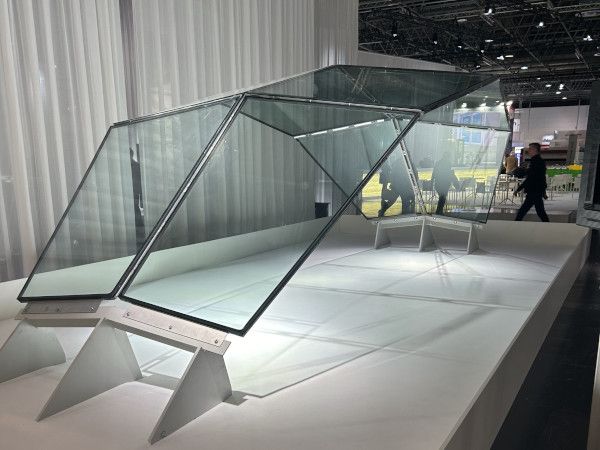
A collaborative project gives materials from the original exhibit a new purpose in a structural-glass demonstrator at Glass Technology Live
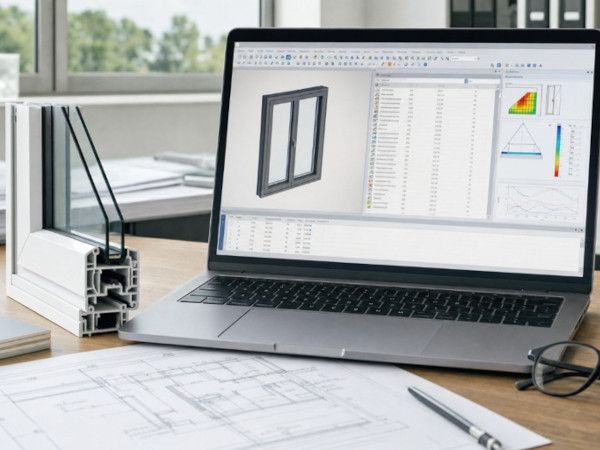
Five European associations have jointly urged the European Commission to establish a clear legal framework for the use of verified software tools to assess product performance under the revised Construction Products Regulation (EU) 2024/3110.
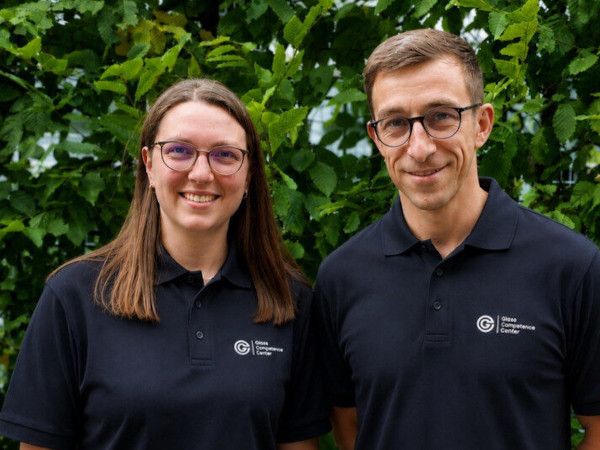
How can glass achieve higher performance while keeping construction simple? Researchers at TU Darmstadt explore this question through innovations in thin, thick, vacuum-insulating and curved glass, with a growing focus on reuse over recycling.
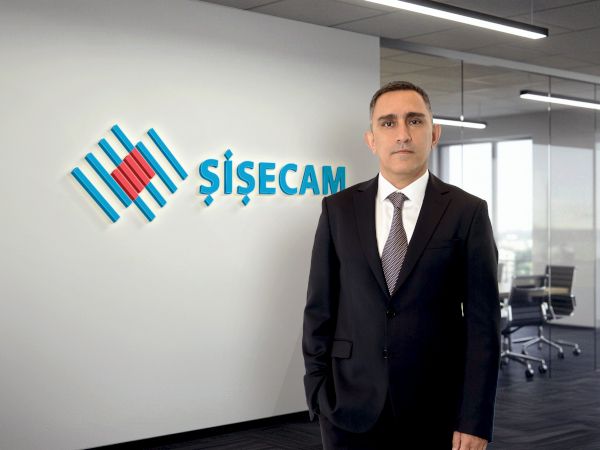
Şişecam, the only global player operating in all core areas of glass, has become the Climate Supporter of the 31st United Nations Climate Change Conference (COP31), which will be held in Antalya on November 9-20.
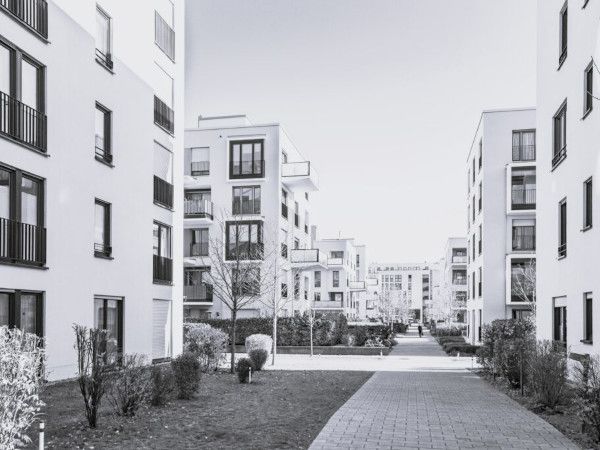
As part of the Affordable Housing Plan, the European Commission announced the Housing Simplification Package in 2027.
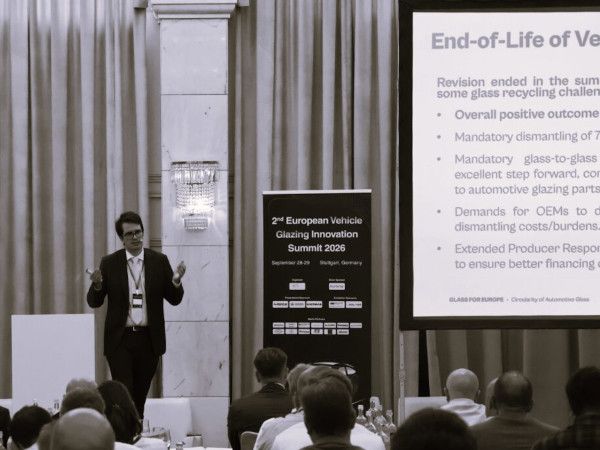
Exploring circularity and innovation across the automotive glass value chain.

Over the past two weeks of September, Glass for Europe launched its new #MoreThanYouSee campaign on LinkedIn, highlighting the essential role of flat glass in Europeans’ daily lives and its contribution to many of Europe’s policy priorities.
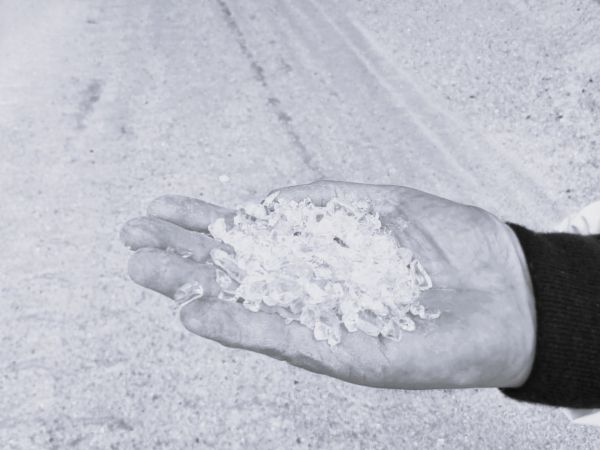
The flat glass industry’s priority is to increase the quality and quantity of crushed flat glass (cullet) that can be recycled.
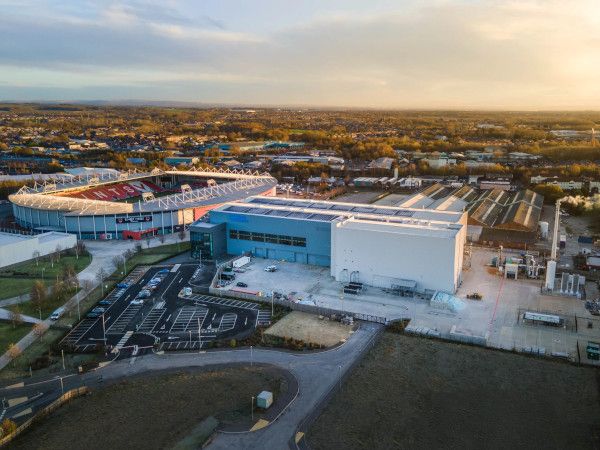
The collaboration aims to move promising technology from the lab towards real-world industrial applications.
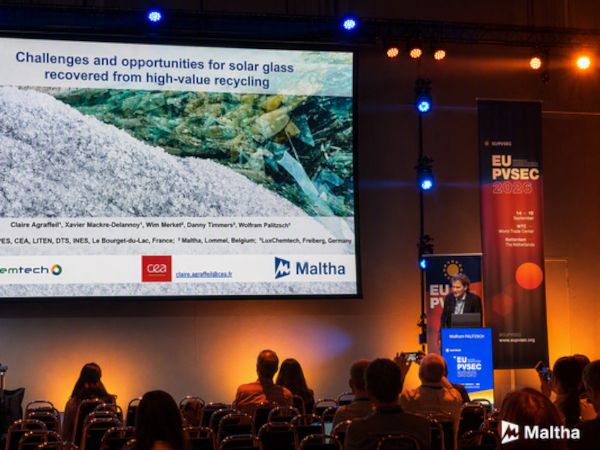
Maltha is advancing high-value solar panel glass recycling, helping turn end-of-life PV panels into valuable raw materials for a more circular glass industry.
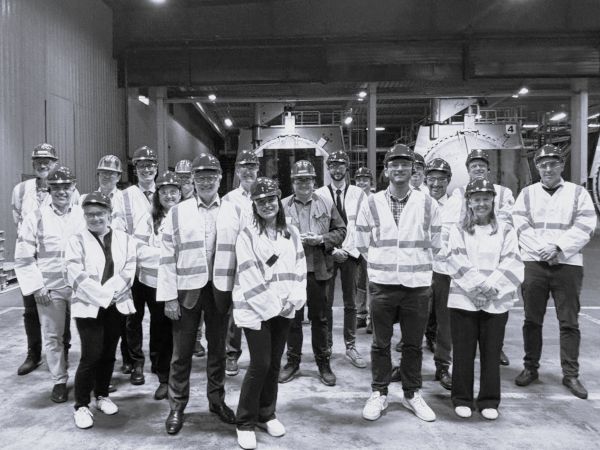
Glass for Europe welcomes a European Commission’s delegation to AGC Glass Europe’s plant in Moustier
On 17 September, Glass for Europe, in collaboration with Glass Alliance Europe, organised a visit for a delegation from the European Commission to AGC Glass Europe’s float glass plant in Moustier, Belgium.
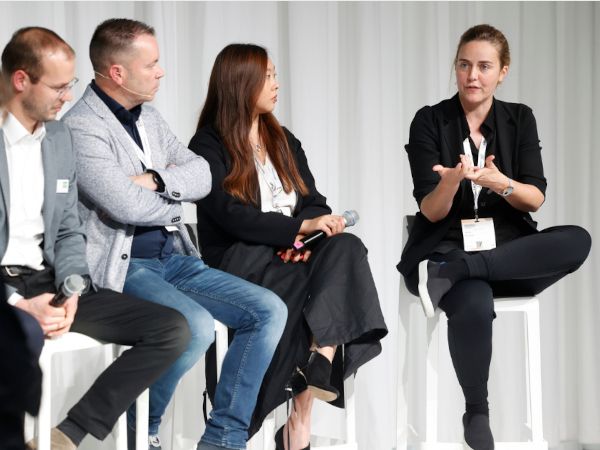
Sophie Pennetier (Digne) spoke about glass recycling in the construction sector at CircuClarity at glasstec in 2024. In this interview she explains why post-consumer glass rarely finds its way back into the cycle and who has to rethink matters first…
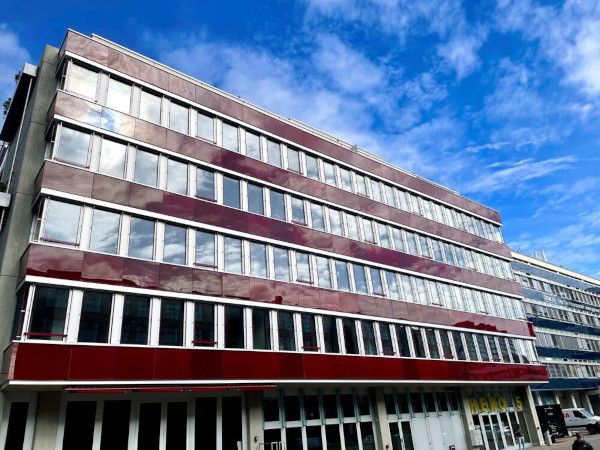

FunGlass is exploring innovative ways to recover hard-to-recycle glass waste, combining advanced processing technologies with glass science to support a more sustainable and circular glass industry.

The European Commission’s new Public Procurement Act proposal could reshape how quality, sustainability and EU-origin content are valued in public tenders, with important implications for the flat glass sector.
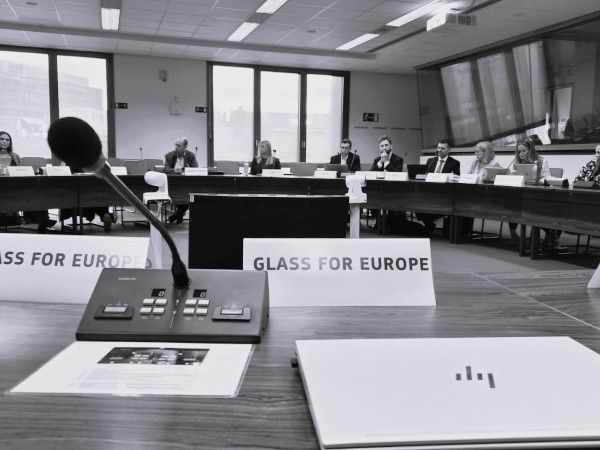
On 8 September 2026, Glass for Europe took part in a roundtable on energy organised by the European Commission’s DG ENER.

The transition from the GP19 to the new GP26 production statistics classification system introduces several changes affecting flat glass products.
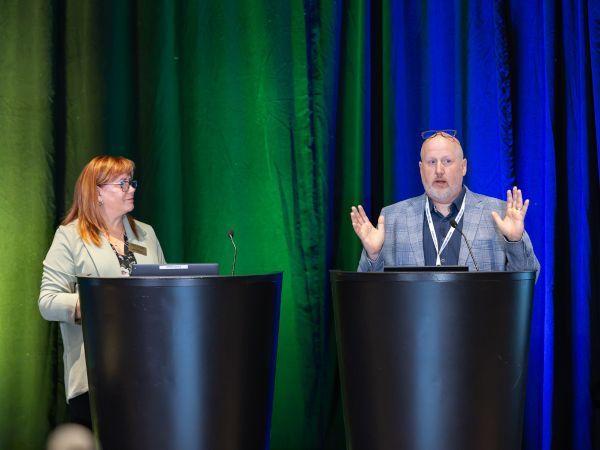
ECCC's Jamie Hulan outlined upcoming ENERGY STAR Canada changes and market transformation strategy at the FGIA Fall Conference.

An environmental psychologist reported on the latest lighting research and the impact of lighting on human health during the Fenestration & Glazing Industry Alliance (FGIA) Fall Conference in Calgary, AB.

Two years after CircuClarity One, the initiators take stock: what has really changed in the glass sector and what does it take for good ideas to make a real impact?

A review of EU import bans on flat glass products from Russia and Belarus
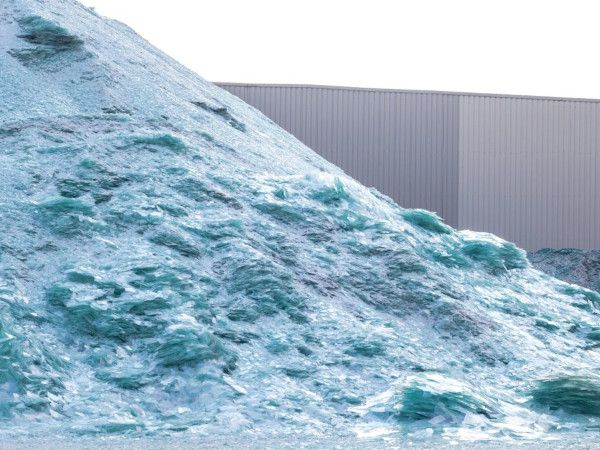
Glass can be recycled indefinitely, and using glass cullet in production reduces the need for virgin raw materials, energy consumption and greenhouse gas emissions.
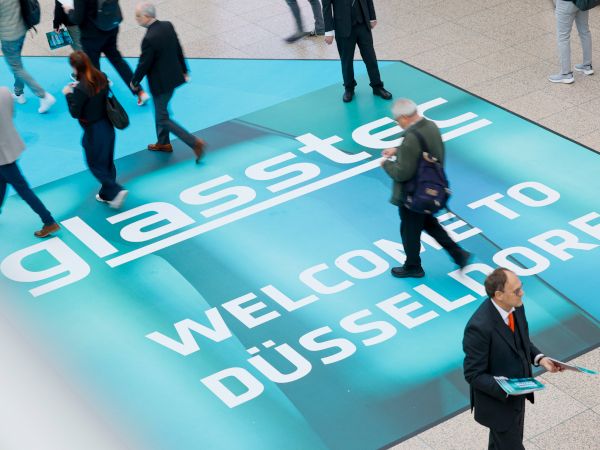
In Düsseldorf international decision-makers will encounter innovations, knowledge and concrete solutions for the glass sector

A new Glass for Europe series examines how national regulations integrate the solar factor in buildings.