
Others also read
How can glass achieve higher performance while keeping construction simple? Researchers at TU Darmstadt explore this question through innovations in thin, thick, vacuum-insulating and curved glass, with a growing focus on reuse over recycling.
As part of the Affordable Housing Plan, the European Commission announced the Housing Simplification Package in 2027.
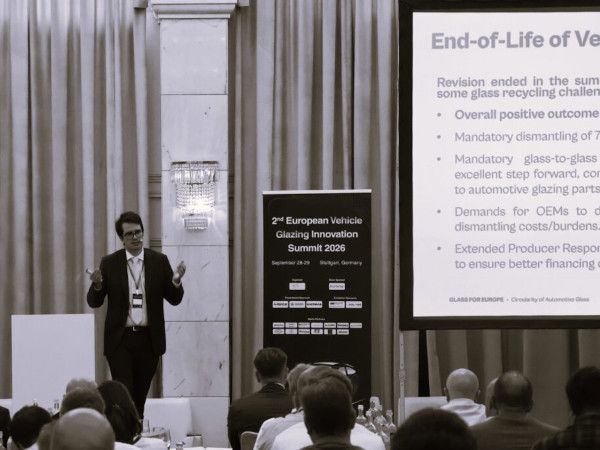
Exploring circularity and innovation across the automotive glass value chain.
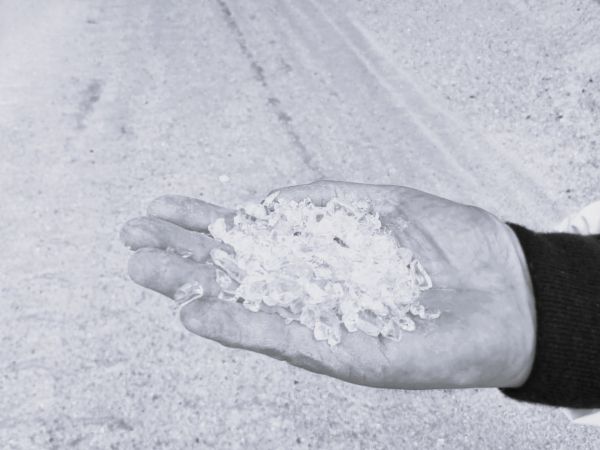
The flat glass industry’s priority is to increase the quality and quantity of crushed flat glass (cullet) that can be recycled.
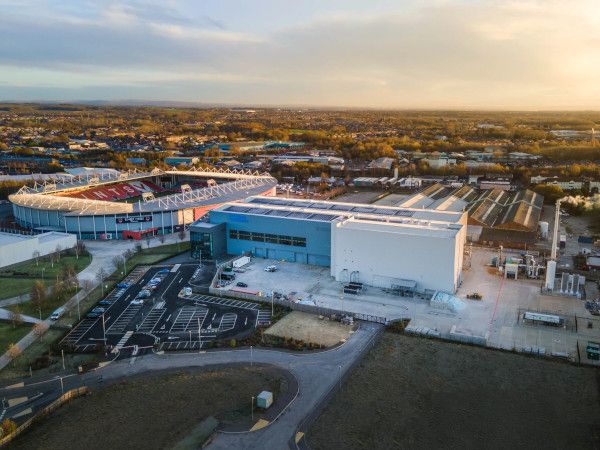
The collaboration aims to move promising technology from the lab towards real-world industrial applications.

Michael Engelmann from the Institute of Building Structures at TU Dresden is conducting research into adaptive structures made from thin glass.
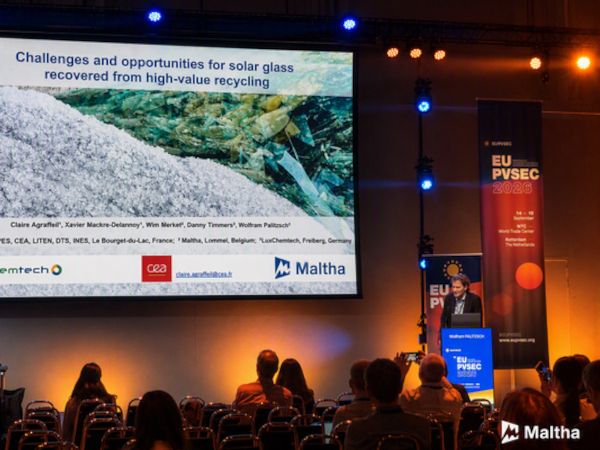
Maltha is advancing high-value solar panel glass recycling, helping turn end-of-life PV panels into valuable raw materials for a more circular glass industry.
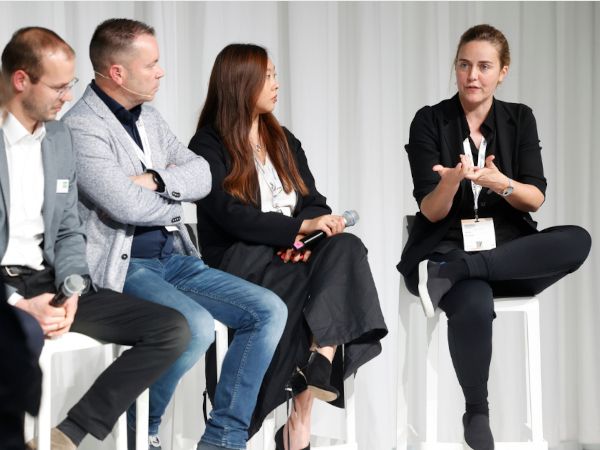
Sophie Pennetier (Digne) spoke about glass recycling in the construction sector at CircuClarity at glasstec in 2024. In this interview she explains why post-consumer glass rarely finds its way back into the cycle and who has to rethink matters first…
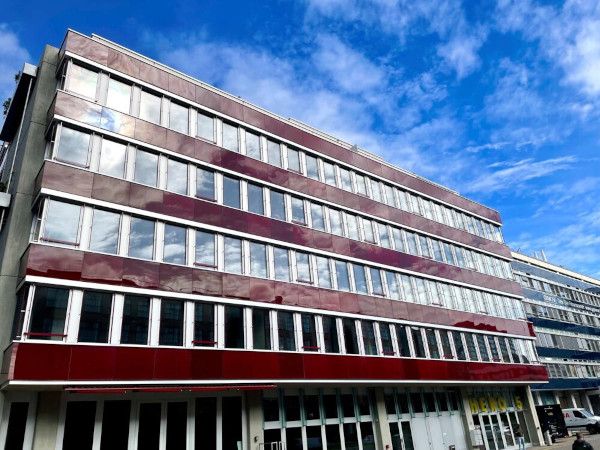

FunGlass is exploring innovative ways to recover hard-to-recycle glass waste, combining advanced processing technologies with glass science to support a more sustainable and circular glass industry.
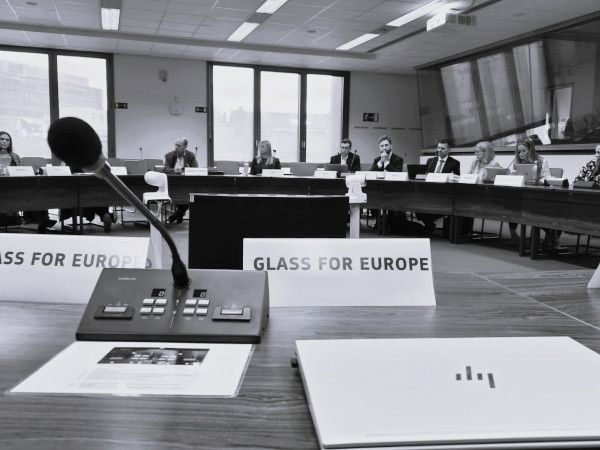
On 8 September 2026, Glass for Europe took part in a roundtable on energy organised by the European Commission’s DG ENER.

At GlassBuild America 2026, Booth #1945, Glaston is showcasing its full portfolio of automation solutions spanning tempering, lamination, insulating and mobility glass manufacturing, each built to help processors not just keep pace, but lead.

Glass can be recycled indefinitely, and using glass cullet in production reduces the need for virgin raw materials, energy consumption and greenhouse gas emissions.

The Fenestration and Glazing Industry Alliance (FGIA) has released an updated technical information report describing what sound is, how it is transmitted, how it is measured and how its transmission can be controlled.
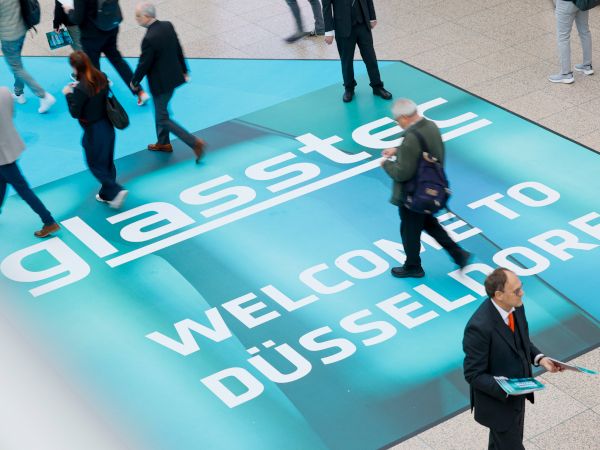
In Düsseldorf international decision-makers will encounter innovations, knowledge and concrete solutions for the glass sector

A new Glass for Europe series examines how national regulations integrate the solar factor in buildings.
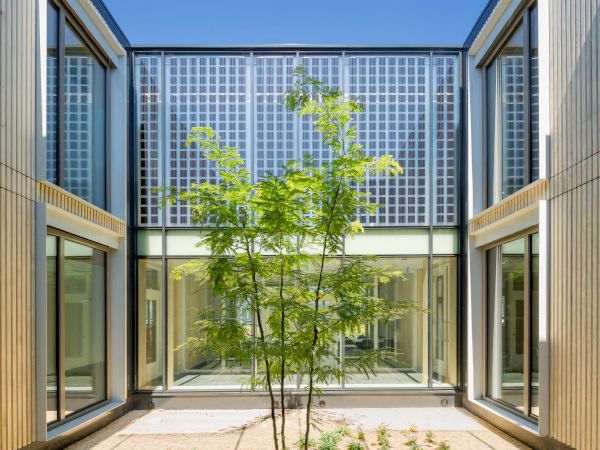
An innovative photovoltaic façade project has been developed in the Netherlands, integrating high-performance glass with 5BB monocrystalline technology.
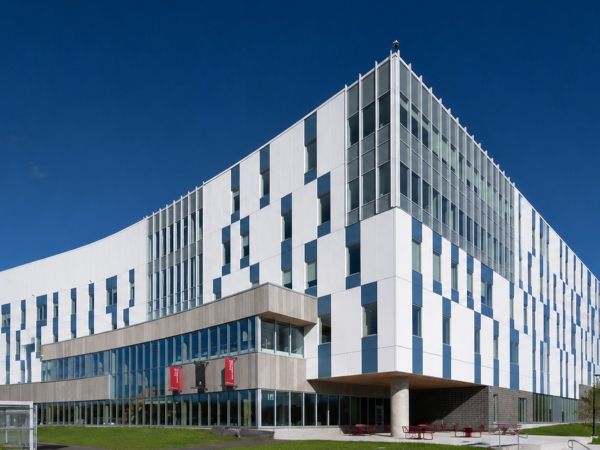
EnduroShield was applied to 2,200 m² of glass at the University of Ottawa Faculty of Health Sciences Building, supporting low-maintenance performance and bird-friendly design goals.

A smart retrofit can be just as transformative as a new investment—discover how AGC Interpane and Glaston modernized a tempering line to boost efficiency, flexibility, and sustainability for the future.
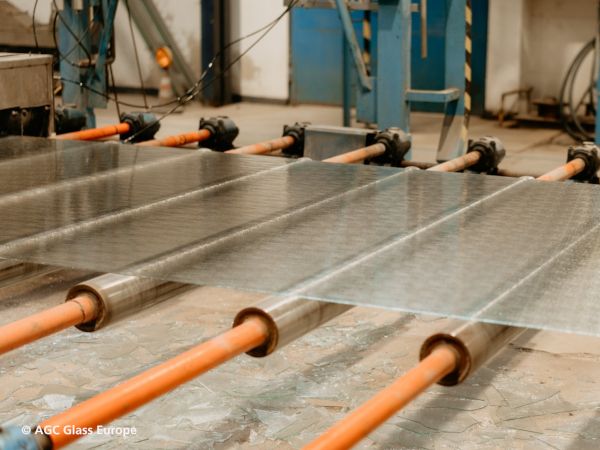
The VOLTA pilot furnace marks a decisive milestone in the demonstration of hybrid melting for flat glass, following one full year of continuous operation.

From 20 March to 12 June, the European Commission organised a public consultation on the energy efficiency framework post-2030.
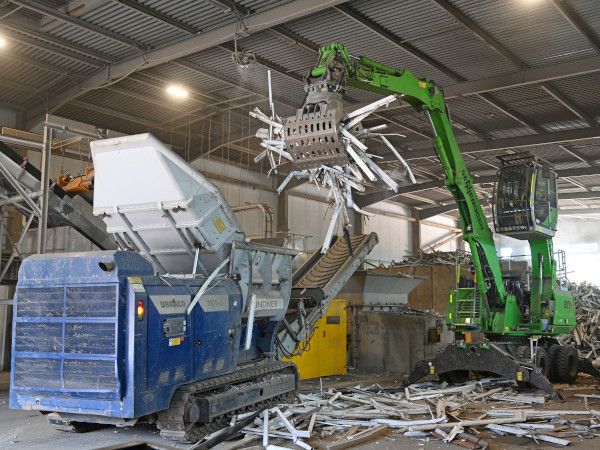
For many installers, waste removal has traditionally been viewed as little more than a necessary operational task, arrange a skip, clear the site, move onto the next job.
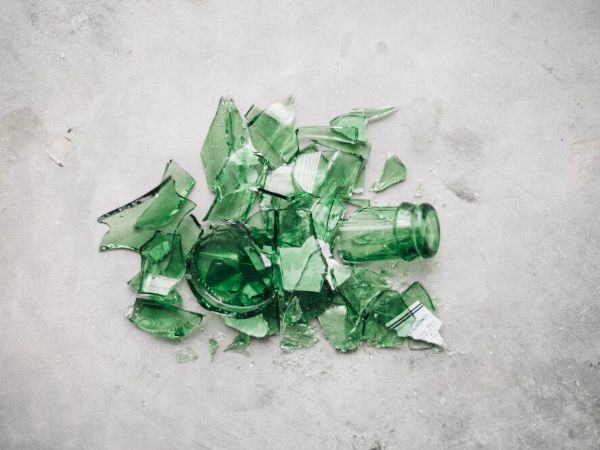
At glasstec 2026 circularity is one of the key three Hot Topics. Exhibitors will show how glass products are developed to be more suitable for recycling, how insulation glass units are separated automatically and how new sources of cullet can be…

Verified, product‑level EPDs for Eastman Saflex™ & Vanceva™ PVB interlayers are live — download ready‑to‑use data to improve embodied‑carbon assessments and Scope 3 reporting.

A People’s Daily report highlights how NorthGlass is driving innovation and sustainability in China’s rapidly evolving glass industry.