
Others also read
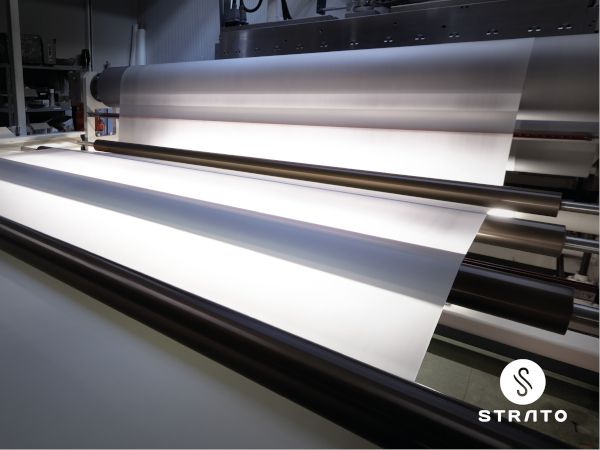
In a highly competitive landscape, especially undermined by Asian competitors, Satinal S.p.A. stands out by offering a premium alternative completely manufactured in its headquarters in Italy.
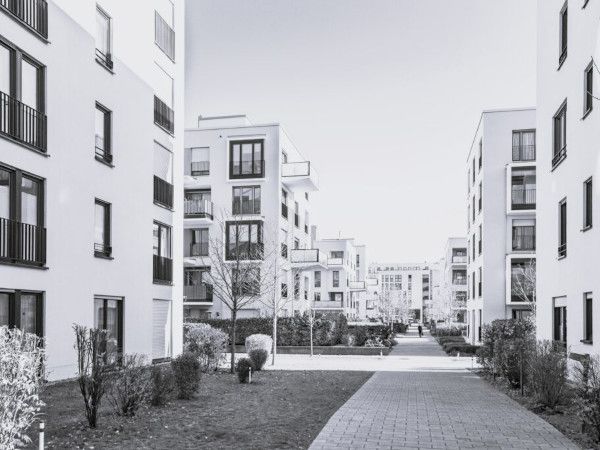
As part of the Affordable Housing Plan, the European Commission announced the Housing Simplification Package in 2027.
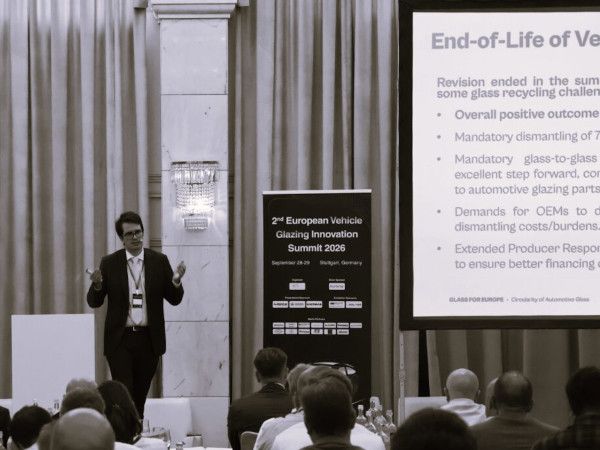
Exploring circularity and innovation across the automotive glass value chain.

Over the past two weeks of September, Glass for Europe launched its new #MoreThanYouSee campaign on LinkedIn, highlighting the essential role of flat glass in Europeans’ daily lives and its contribution to many of Europe’s policy priorities.

The flat glass industry’s priority is to increase the quality and quantity of crushed flat glass (cullet) that can be recycled.
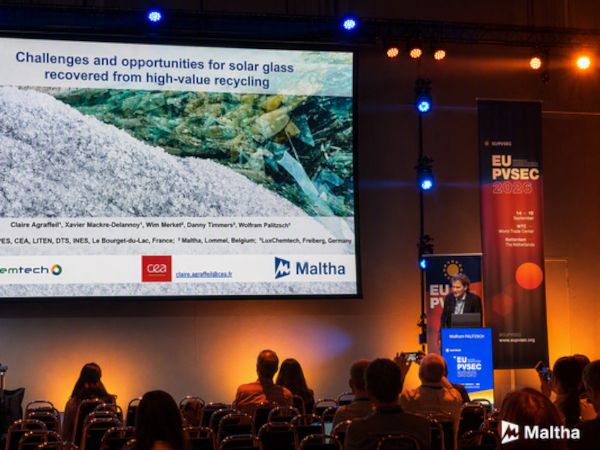
Maltha is advancing high-value solar panel glass recycling, helping turn end-of-life PV panels into valuable raw materials for a more circular glass industry.
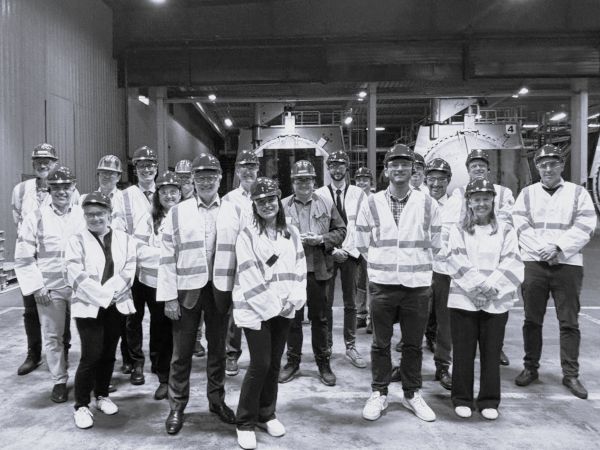
Glass for Europe welcomes a European Commission’s delegation to AGC Glass Europe’s plant in Moustier
On 17 September, Glass for Europe, in collaboration with Glass Alliance Europe, organised a visit for a delegation from the European Commission to AGC Glass Europe’s float glass plant in Moustier, Belgium.

The European Commission’s new Public Procurement Act proposal could reshape how quality, sustainability and EU-origin content are valued in public tenders, with important implications for the flat glass sector.
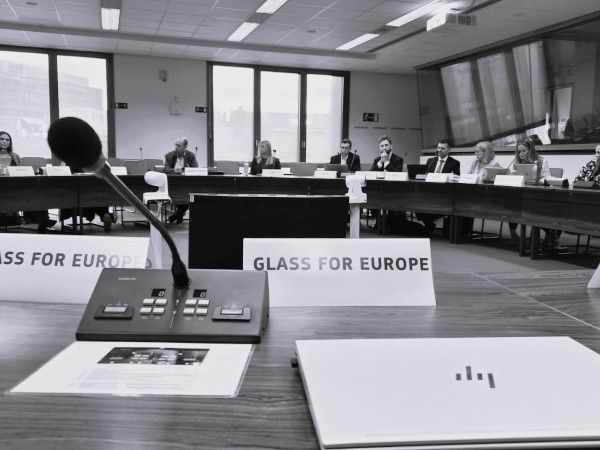
On 8 September 2026, Glass for Europe took part in a roundtable on energy organised by the European Commission’s DG ENER.

The transition from the GP19 to the new GP26 production statistics classification system introduces several changes affecting flat glass products.

A review of EU import bans on flat glass products from Russia and Belarus

Glass can be recycled indefinitely, and using glass cullet in production reduces the need for virgin raw materials, energy consumption and greenhouse gas emissions.

A new Glass for Europe series examines how national regulations integrate the solar factor in buildings.
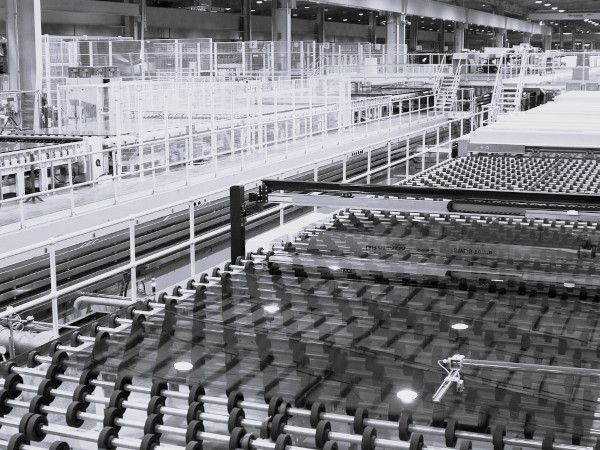
On 17 July, the European Commission adopted its proposal for the ETS reform. Glass for Europe is currently conducted a detailed assessment of the legislative proposal. The text below is the press release which was sent following the adoption.
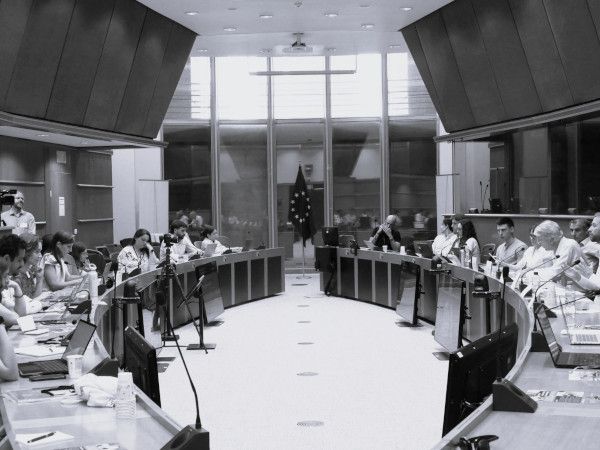
Smarter school buildings are key to a more sustainable future. Here's how Glass for Europe is supporting the conversation.

The world’s leading exhibition for the solar industry has opened the gates!

From 20 March to 12 June, the European Commission organised a public consultation on the energy efficiency framework post-2030.

From 1 to 5 July, the European Council for an Energy Efficient Economy (eceee) held its summer study around the Lac d’Ailette (France).
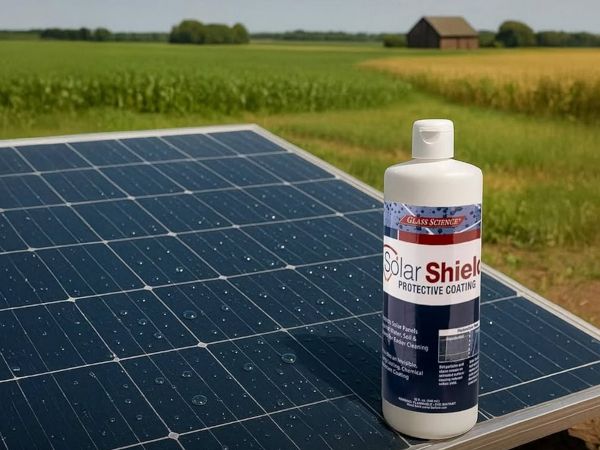
Unelko is helping improve solar panel efficiency and durability with advanced protective coatings for photovoltaic glass.
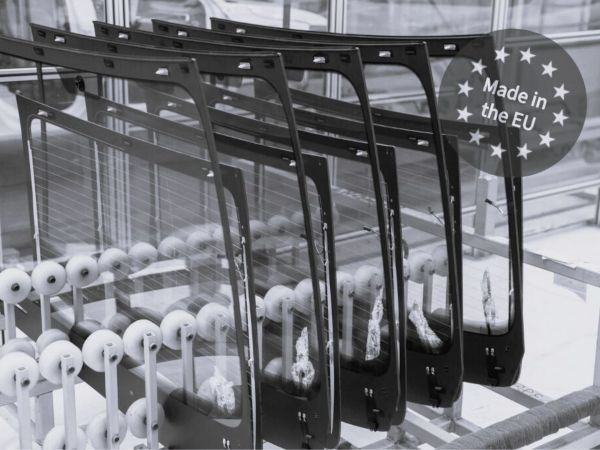
Glass for Europe is urging EU policymakers to strengthen support for locally made automotive glazing through upcoming automotive legislation.
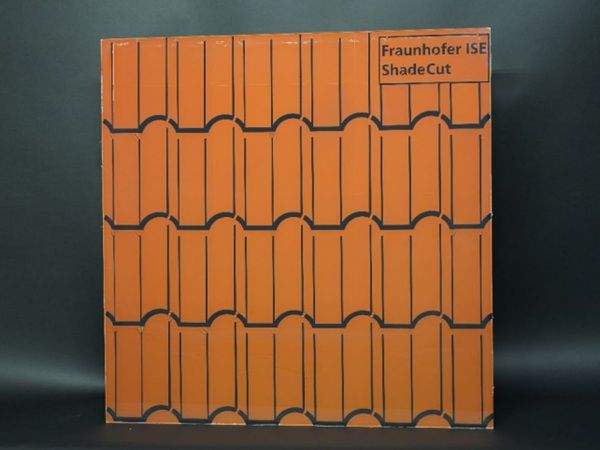
Scientists at the Fraunhofer Institute for Solar Energy Systems ISE have succeeded in creating colored films with transparent cutouts, thereby producing realistic-looking designs on photovoltaic modules.

At the fair, Şişecam showcased its innovative solar energy glass solutions, supported by its strong flat glass production capabilities and rapidly expanding capacity driven by new investments.

On 31 March, Glass for Europe visited the offices of Edgetech in Heinsberg, Germany, as part of its ongoing efforts to deepen industry knowledge and collaboration.

Glass for Europe organised a workshop on the Packaging and Packaging Waste Regulation (PPWR).

Şişecam will introduce its innovative solar glass solutions, Şişecam SolarMax and Şişecam Charger by ML System, to visitors.