
Others also read
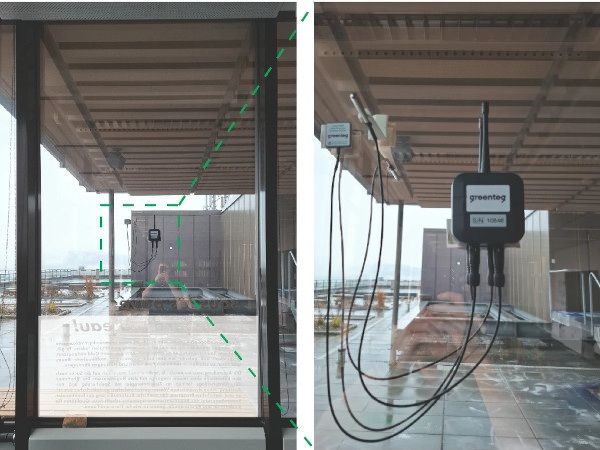
Reuse potential of insulating glass units based on in-situ measurements and comparative calculations
| Discover how a systematic assessment of existing glazing can help unlock its potential for reuse and support more circular façade design strategies.
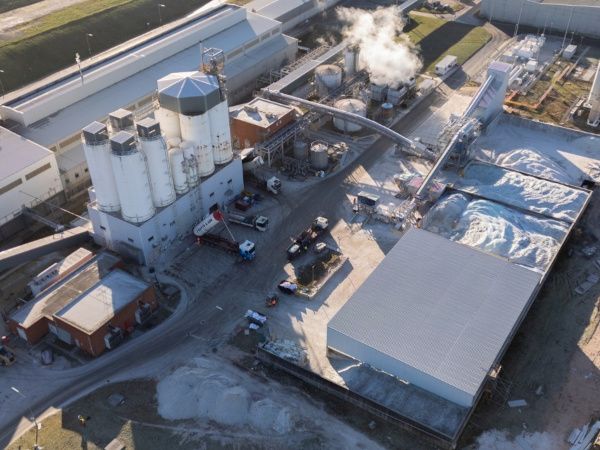
| Scalable Solutions to Address the Vast Quantities of Post-Consumer Glass Still not being Recovered from Commercial Buildings
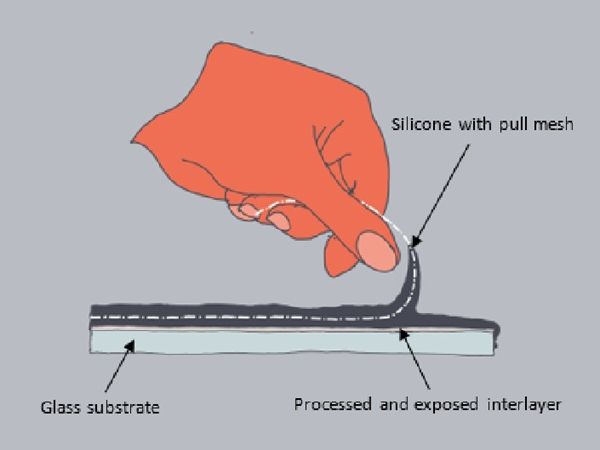
| Can silicone–interlayer adhesion make structural glass design more efficient? New research shows how strong, durable bonding between silicone sealants and laminated glass interlayers could help optimise SSG joints and reduce material use.
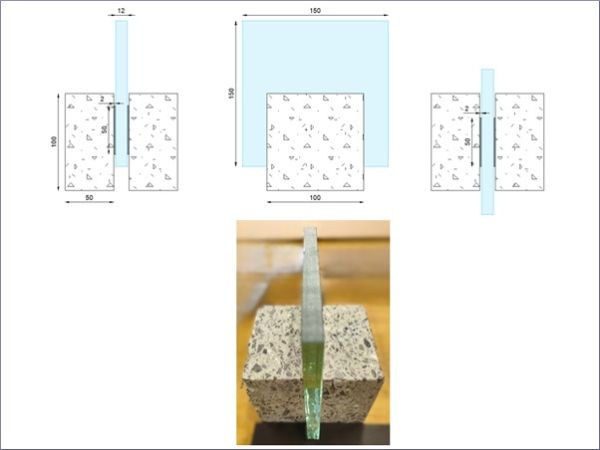
| Exploring the potential of epoxy adhesives for glass–concrete hybrid structures through experimental testing and finite element analysis.
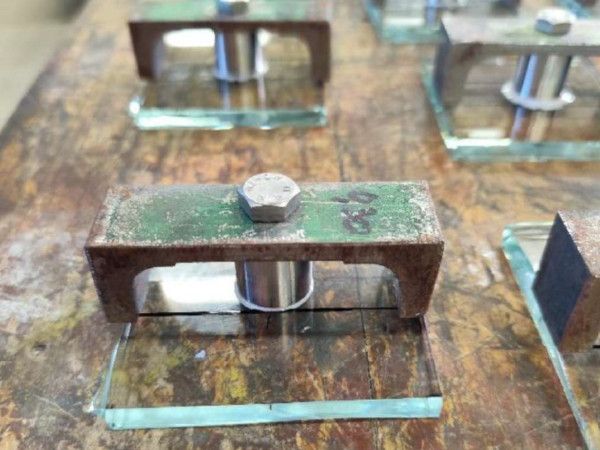
| How do temperature, humidity and water exposure affect the durability of bonded glass-steel joints? New research reveals significant differences between filled and unfilled epoxy adhesives under demanding environmental conditions.
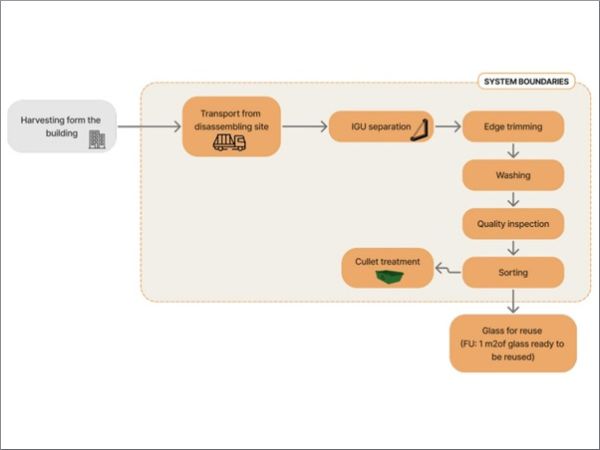
| A new study explores how scaling up glass reuse and remanufacturing in insulated glazing units could reduce emissions and resource consumption compared with conventional glass production.
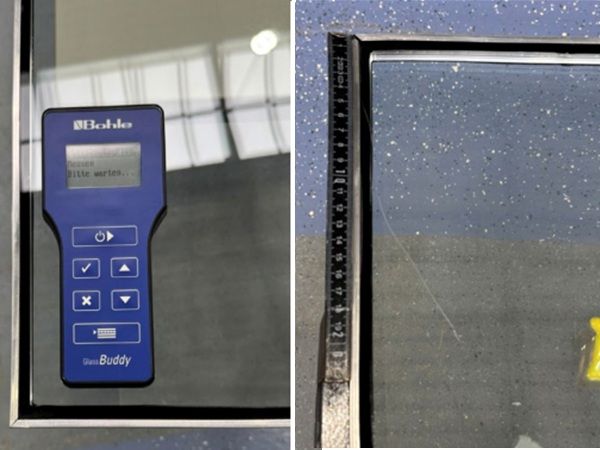
| Germany’s ageing building stock presents a major opportunity to reduce emissions by modernising windows while rethinking how used glazing is reused and recycled.

| A practice-led investigation into casting non-compatible glasses reveals new possibilities for kiln-cast art, including the use of recycled CRT glass and other contaminated waste materials.

| As glass increasingly takes on structural roles in modern architecture, ensuring its fire resistance has become a critical challenge for safe building design.
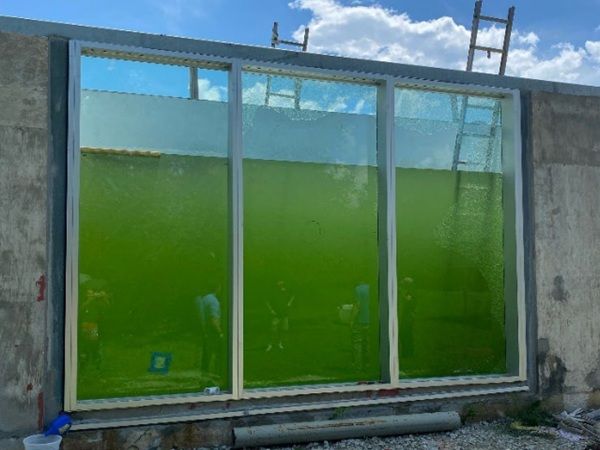
| ASTM has introduced a new standard, ASTM E3401, to guide the safe use of laminated glass in swimming pools, aquariums, and other applications subject to hydrostatic loads.
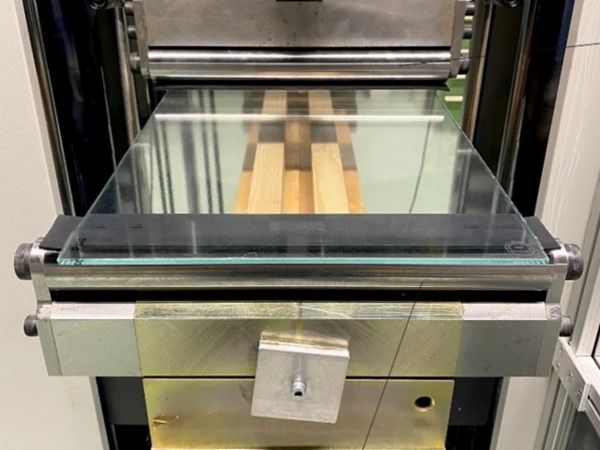
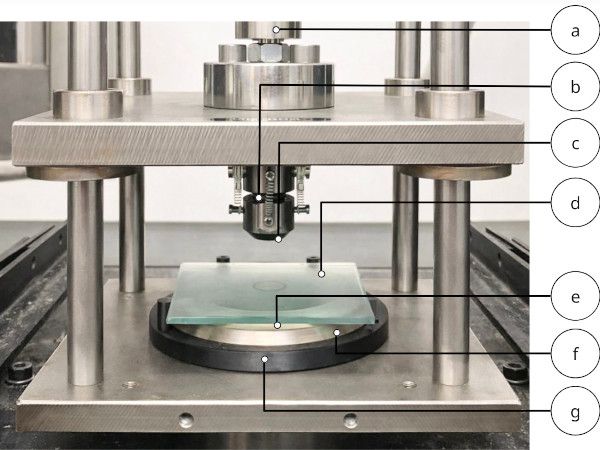
| Thermal stress relief treatment offers a promising solution for enabling the reuse and remanufacturing of end-of-life tempered glass, paving the way for more circular economy practices in the flat glass industry.
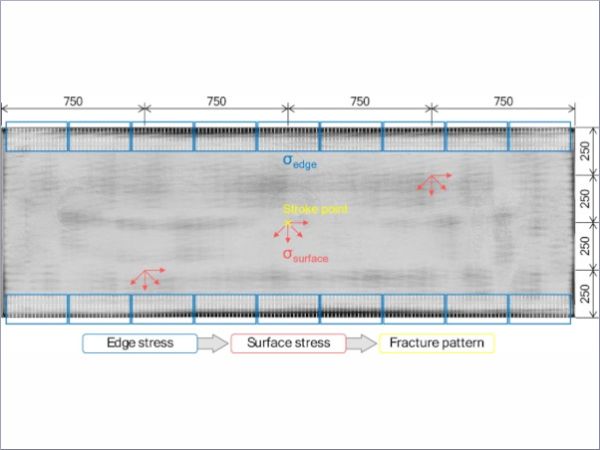
| New research explores how non-destructive photoelastic methods could improve quality control for large-format thermally toughened glass, reducing reliance on costly and time-consuming destructive testing.

| Demand for laminated safety glass is holding strong, driven by rising safety needs and new advances in sustainability and recycling.

| Fused recycled glass proves its strength: recent testing confirms its durability and suitability for architectural use in even the most demanding environments.
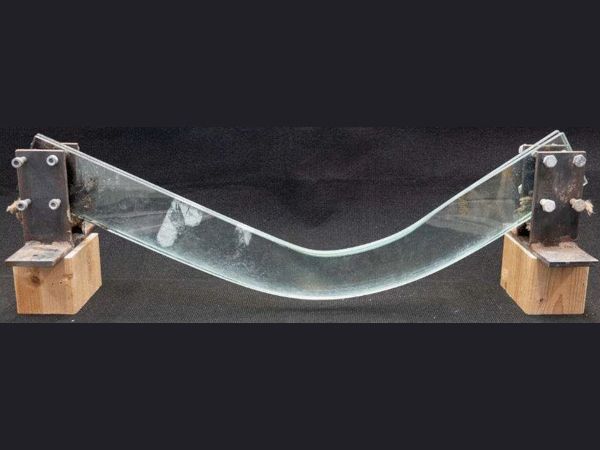
| Understanding how glass behaves under high temperatures is essential for improving the safety and performance of glass structures exposed to heat and fire.
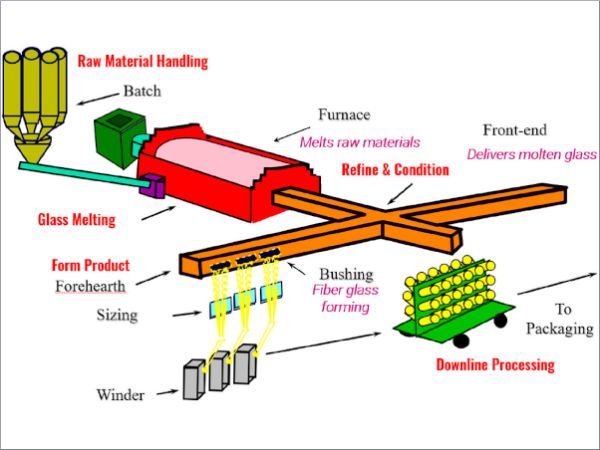
| There are ways to reduce the energy consumption and emissions of glass melting, such as recycling glass, using oxy-fuel burners, improving furnace insulation and design, and adopting electric melting technologies.

| This paper presents an experimental campaign employing an electric radiant panel as the heat source to investigate the heat transfer phenomena in glass.
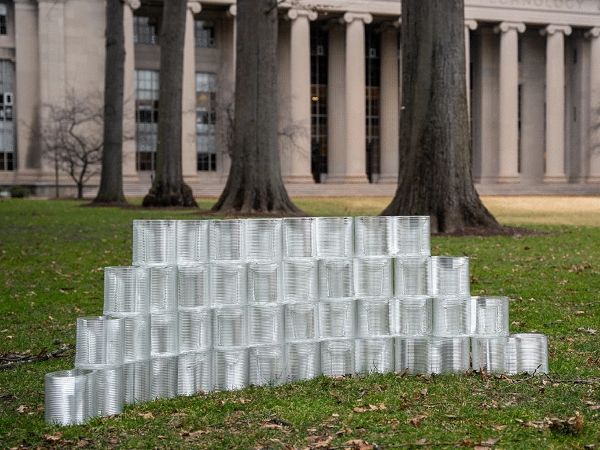
| This paper encompasses design, manufacturing, and experimental testing to assess the feasibility of using glass AM to produce interlocking masonry units for the construction industry.
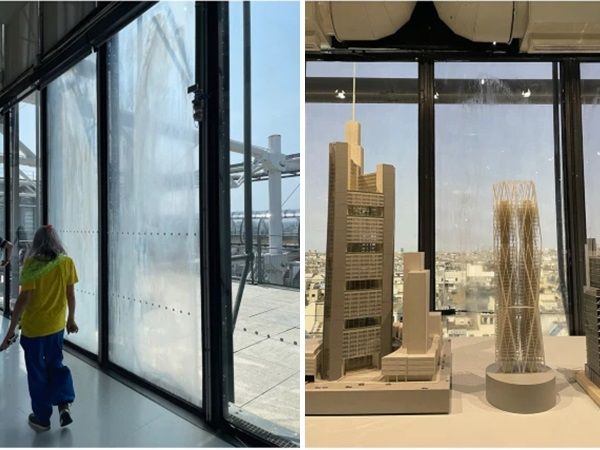
| The main objective of this paper is to explore the effects of ageing and exposure to indoor and outdoor environment on the strength of glass.
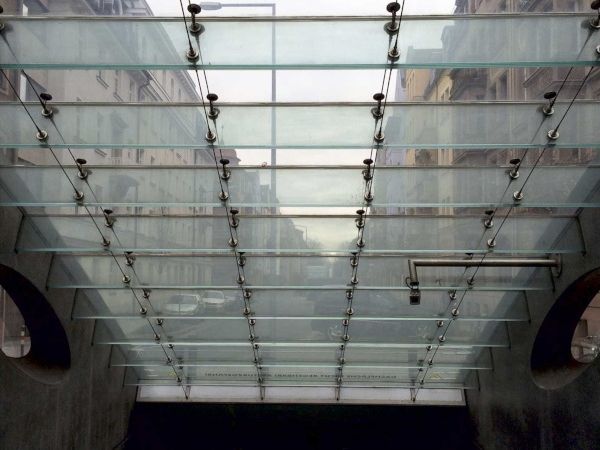
| This paper presents investigations on a novel approach for post-tensioning laminated glass beams with adhesively bonded iron-based shape memory alloy tendons along both longitudinal glass beam edges.

| This paper deals with the question of how old insulating glass units can be re manufactured to match the state of the art in terms of the energy efficiency.
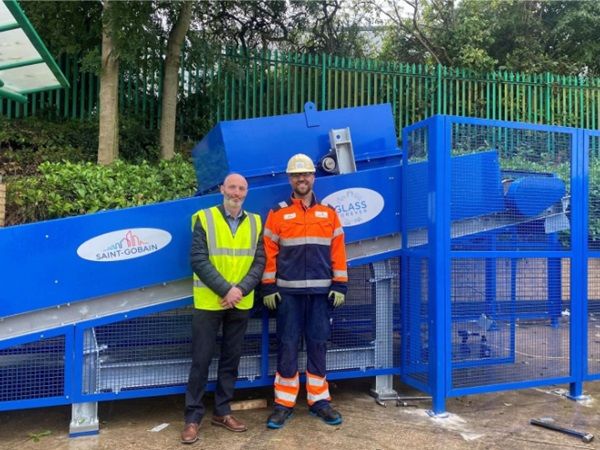
| The thesis examined the barriers to recovering end of life glass from commercial projects in London, and identified the drivers that will open pathways for glass to be recycled.
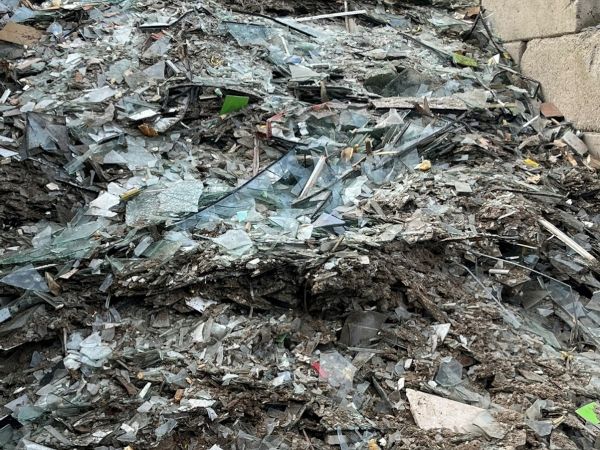
| Increasing the circularity of flat glass does not only mean to collect glass cullet from internal and pre- consumer processes. It also means to use glass cullet from the post- consumer applications, such as residential or commercial buildings.
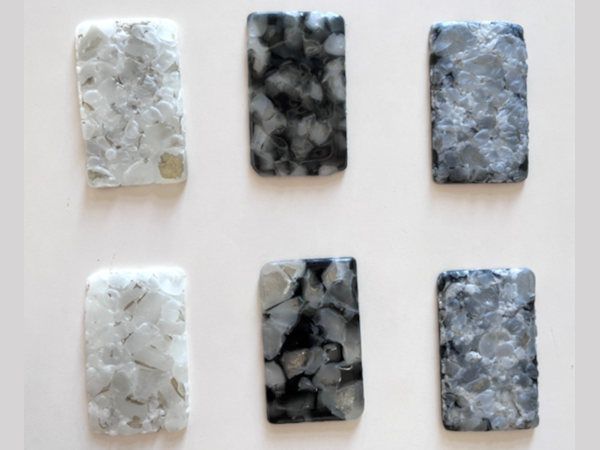
| This research examines the viability of recycling soda lime glass from post-consumer Insulated Glass Units (IGU), mixing various types of architectural glass cullet and fusing them into flat plates by using electric kilns.