
Others also read
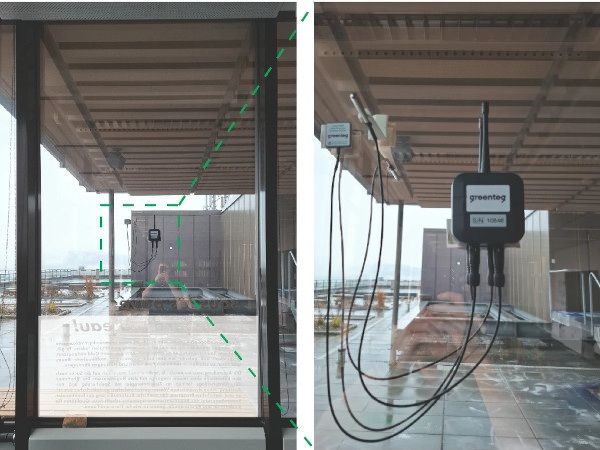
Reuse potential of insulating glass units based on in-situ measurements and comparative calculations
| Discover how a systematic assessment of existing glazing can help unlock its potential for reuse and support more circular façade design strategies.
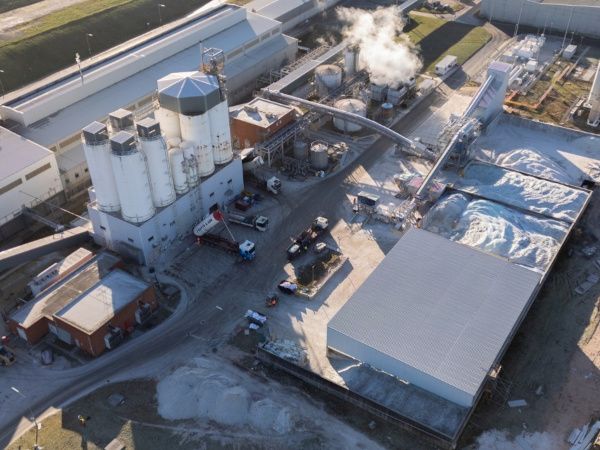
| Scalable Solutions to Address the Vast Quantities of Post-Consumer Glass Still not being Recovered from Commercial Buildings
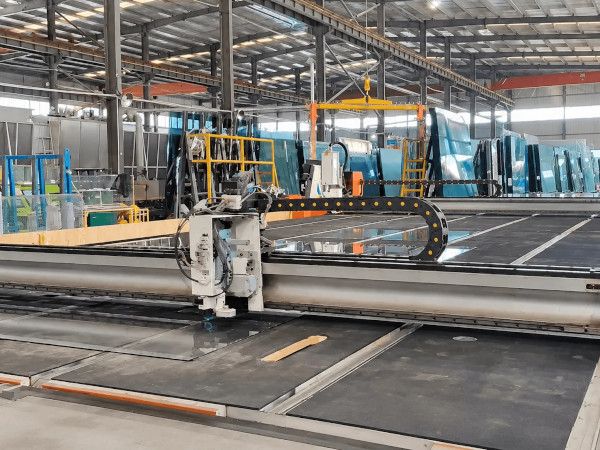
| Discover how float glass is transformed into high-performance architectural glazing through key processing stages, from precision cutting and tempering to lamination and insulated glass assembly.
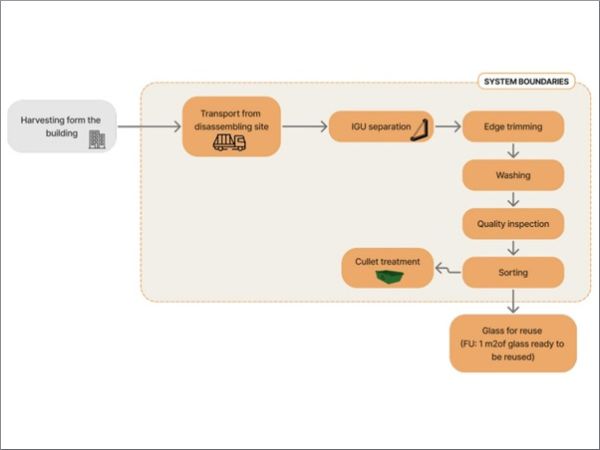
| A new study explores how scaling up glass reuse and remanufacturing in insulated glazing units could reduce emissions and resource consumption compared with conventional glass production.
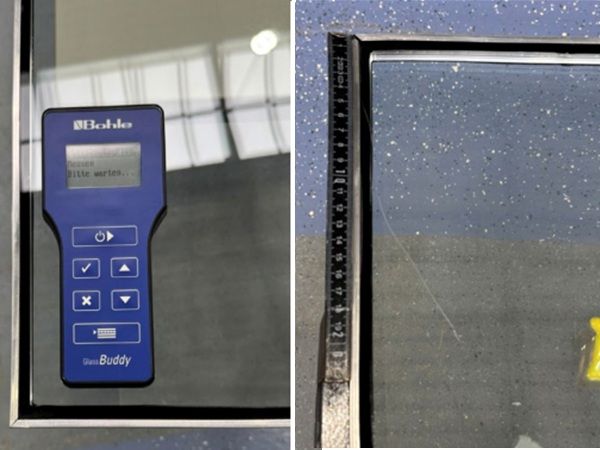
| Germany’s ageing building stock presents a major opportunity to reduce emissions by modernising windows while rethinking how used glazing is reused and recycled.
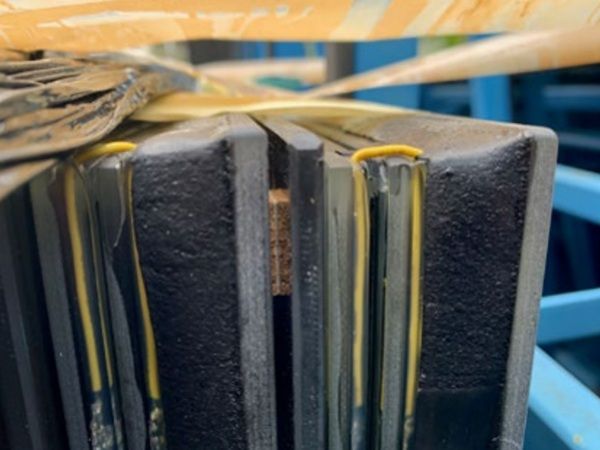
| Ultra-thin glass is opening new possibilities for high-performance insulating glass units, delivering improved energy efficiency, comfort, safety, and reduced weight for next-generation glazing solutions.
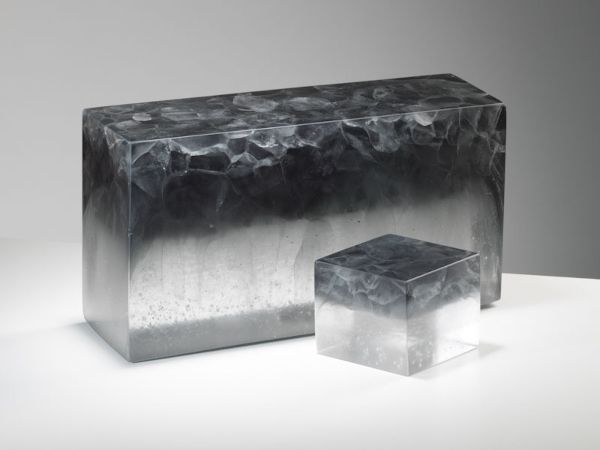
| A practice-led investigation into casting non-compatible glasses reveals new possibilities for kiln-cast art, including the use of recycled CRT glass and other contaminated waste materials.
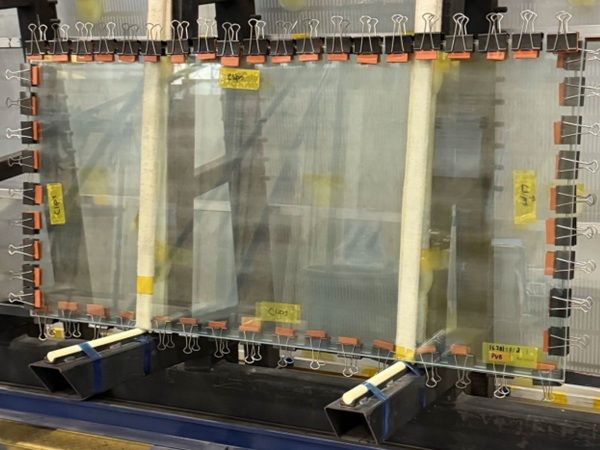
| Visual distortion in architectural glazing has emerged as a critical yet insufficiently regulated factor affecting both functional performance and visual comfort.
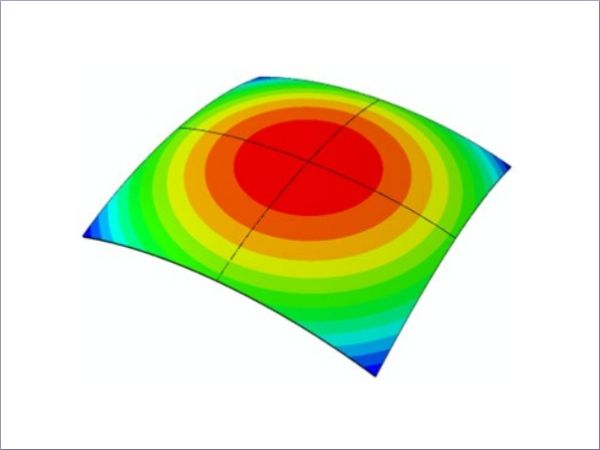
| Discover how Vacuum Insulated Glazing (VIG) is shaping the future of sustainable construction, combining outstanding thermal performance with innovative design solutions for residential, commercial, and heritage buildings.
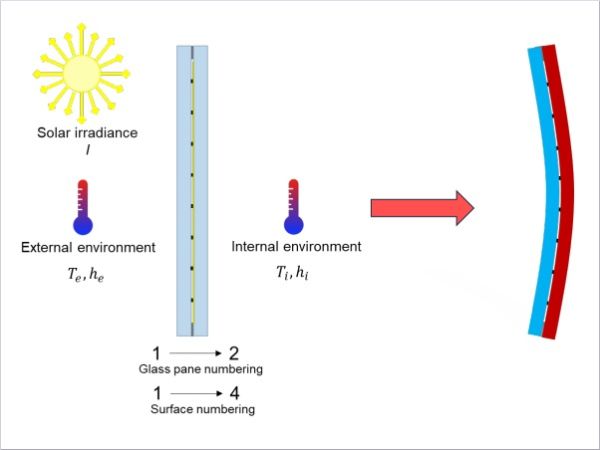
Design of a Test Setup for Experimental Investigation of Temperature Loads on Vacuum Insulated Glass
| A new study explores how Vacuum Insulated Glass (VIG) can support energy-efficient retrofits and new construction projects, while addressing the critical challenge of temperature-induced stress and future design standards.

| Ultra-thin center glass is redefining what’s possible for insulating glass units—delivering lighter, thinner, and more energy-efficient glazing solutions for modern buildings.
| In this sixth episode, the focus is on how to assemble and gas-fill IG units synchronously.
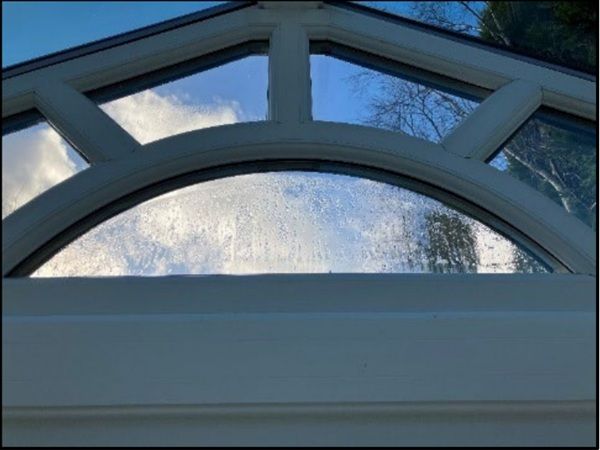
| The path to low-carbon, high-performance facades depends on mastering the long-term thermal behavior and lifecycle performance of Insulating Glass Units (IGUs).
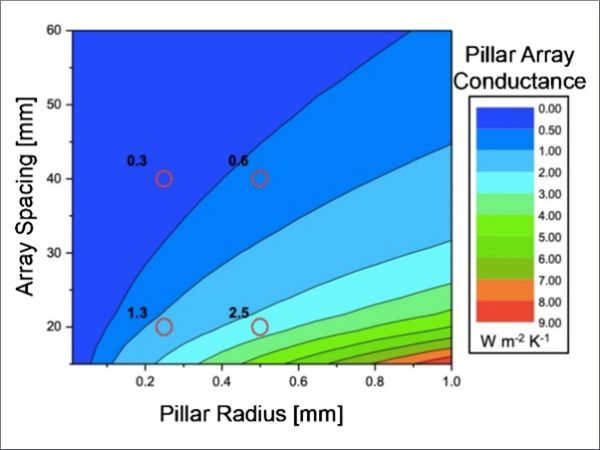
| A new study explores how the size, shape, and material of tiny support pillars in Vacuum Insulated Glass (VIG) impact both its thermal efficiency and mechanical strength — offering analytical tools to optimize VIG design for better performance.
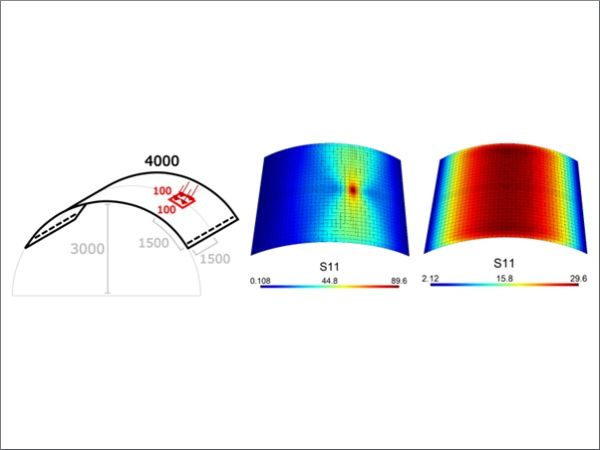
| A new advanced FEM model has been developed to accurately simulate the nonlinear behavior of Insulating Glass Units (IGUs), including curved configurations, offering higher precision and faster computation compared to commercial software.

| Viprotron has developed a new technology for the exit of the furnace, that allows the measurement of the distortion of tempered glass with high precision and unparalleled repeatability.
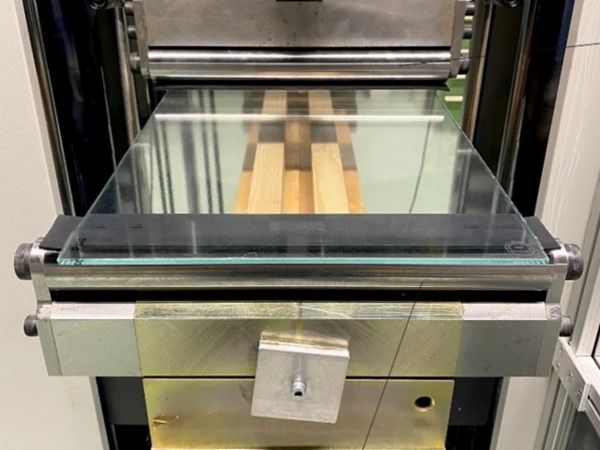
| Thermal stress relief treatment offers a promising solution for enabling the reuse and remanufacturing of end-of-life tempered glass, paving the way for more circular economy practices in the flat glass industry.
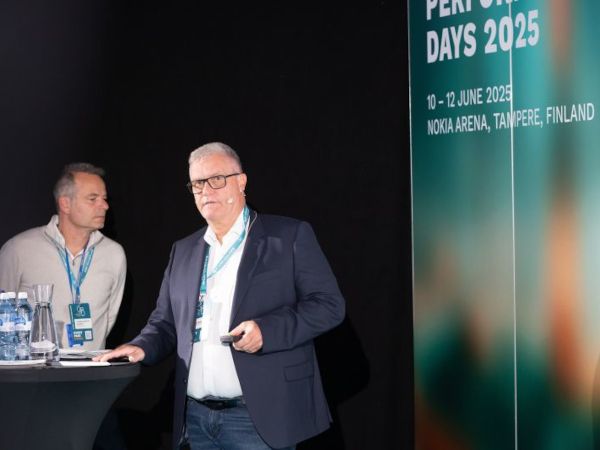
| Discover how TPS® boosts IGU longevity and energy performance in this Glastory blog and download the presentation.

| Demand for laminated safety glass is holding strong, driven by rising safety needs and new advances in sustainability and recycling.

| Fused recycled glass proves its strength: recent testing confirms its durability and suitability for architectural use in even the most demanding environments.
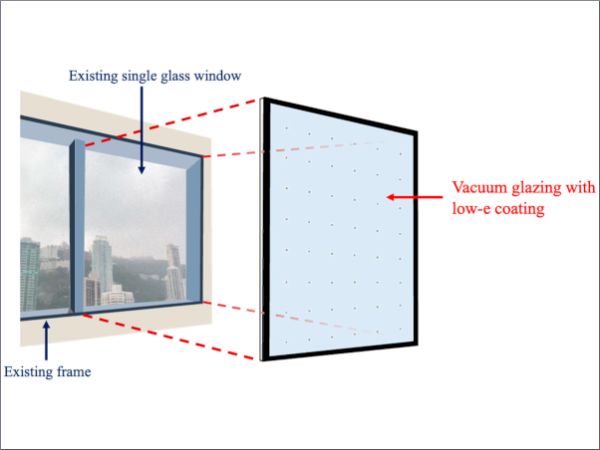
| Retrofitting buildings is key to boosting energy efficiency and climate resilience, especially in dense, subtropical cities like Hong Kong.
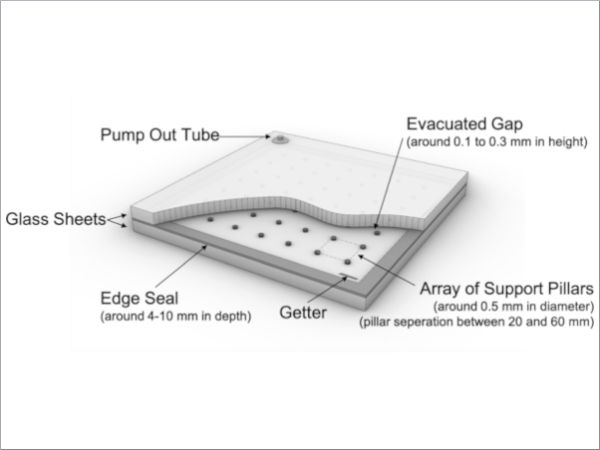
| Vacuum insulating glass (VIG) has demonstrated competitive Ug-values (heat transfer coefficients) which show promise to further reduce energy consumption from buildings.
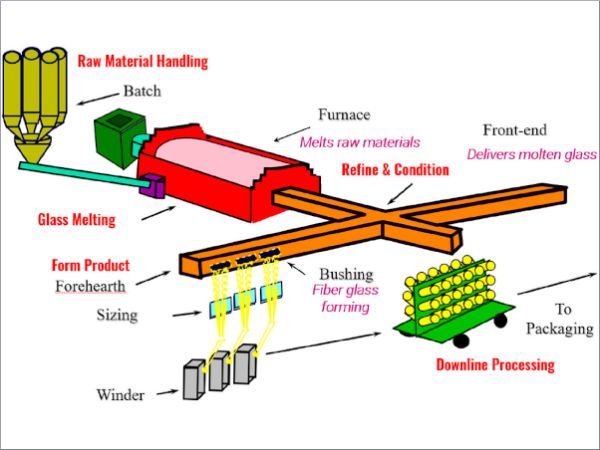
| There are ways to reduce the energy consumption and emissions of glass melting, such as recycling glass, using oxy-fuel burners, improving furnace insulation and design, and adopting electric melting technologies.
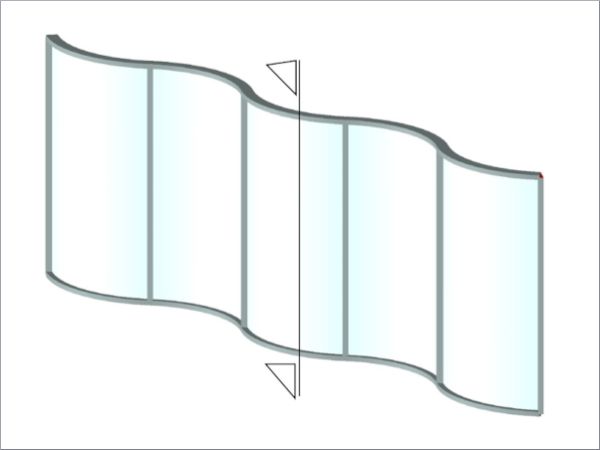
| This paper is a discussion about concepts to minimize the glass thickness as much as possible for a usage of thin glass for insulated glass.
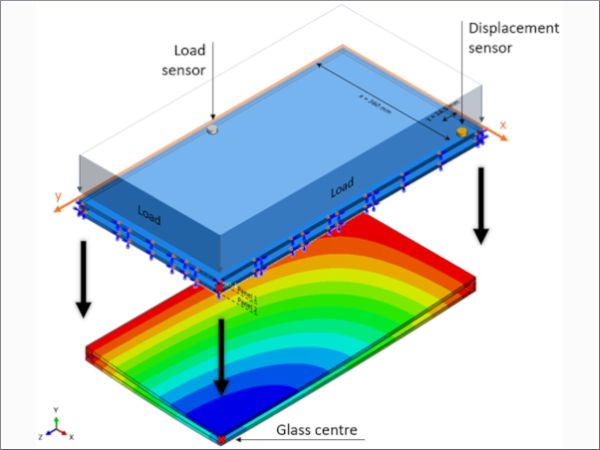
| In this paper, the behaviour of various Insulating Glass Units (IGUs) is examined under the influence of quasi-static uniform wind pressure and weather actions.