
Others also read
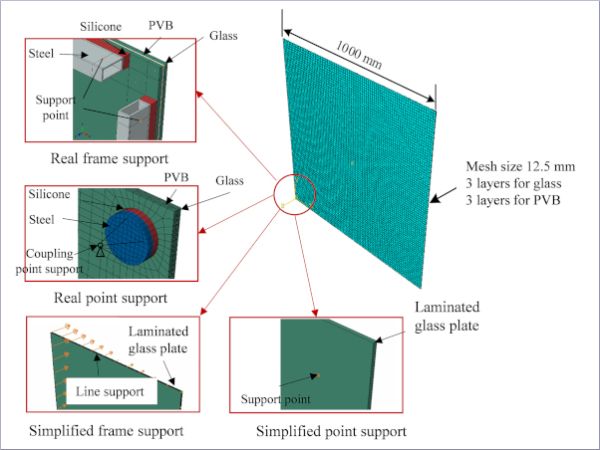
| New research investigates the load-bearing performance and failure mechanisms of anticlastic cold bent glass plates, combining physical testing with finite element modeling to examine the effects of support conditions, cold bending degree, and plate geometry.
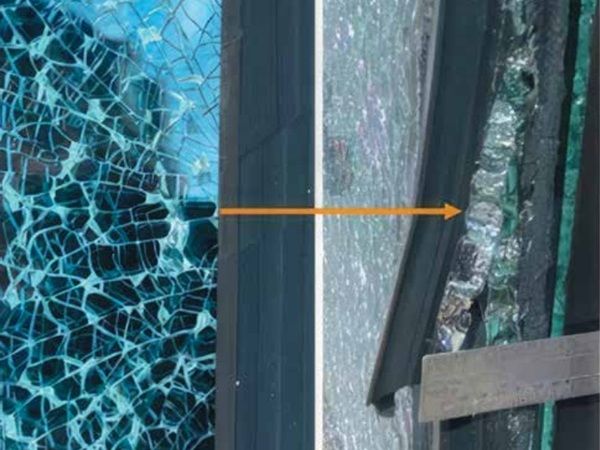
| Part One: Understanding and Identifying NiS Inclusions

| Spontaneous glass breakage caused by nickel sulfide (NiS) inclusions remains a hidden yet critical challenge in architectural glazing, raising important questions about safety, quality, and prevention in modern glass production.
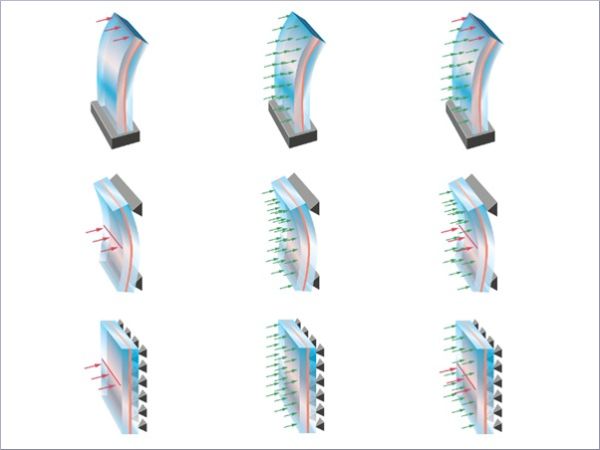
| A new AI-powered tool is set to transform the structural design and analysis of glass facades.
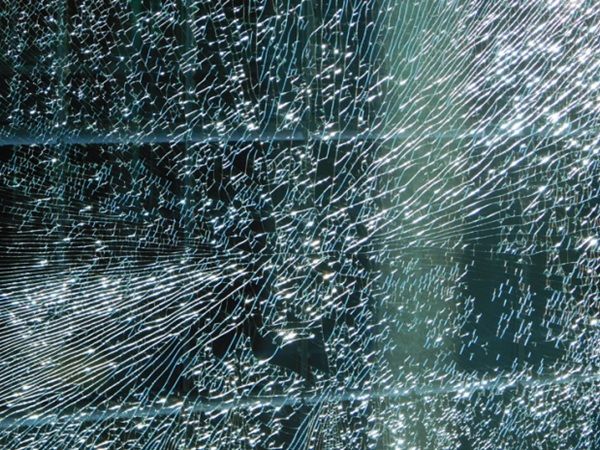
| Spontaneous breakage in tempered glass due to Nickel Sulfide (NiS) inclusions remains a critical topic in the industry—this paper examines the risks, benefits, and effectiveness of heat soaking as a preventive measure across different markets.
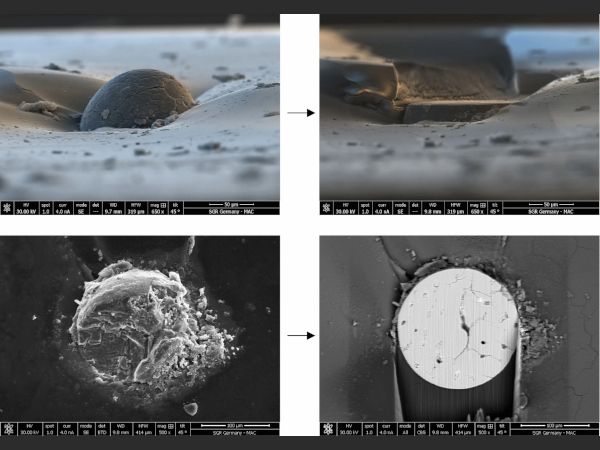
| Can we state if the Heat Soak Test (HST) was done according to EN14179-1:2005 or not?
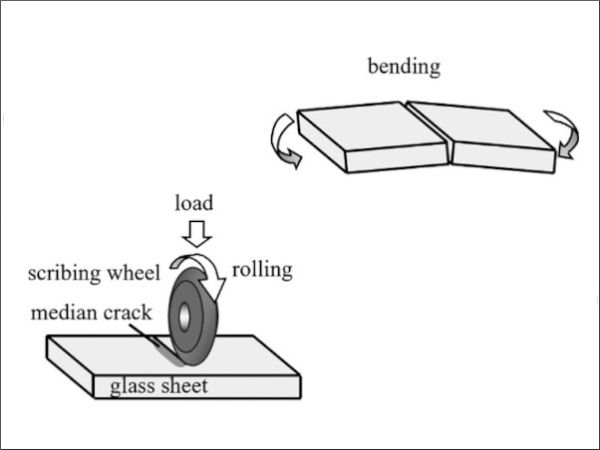
| This study used analytical and experimental methods to examine stress distribution and crack propagation behavior during wheel scribing.

| Scratches on aged glass can weaken its structural integrity, posing safety risks in architecture; this study evaluates the mechanical performance of scratched glass through experimental testing and numerical simulation.
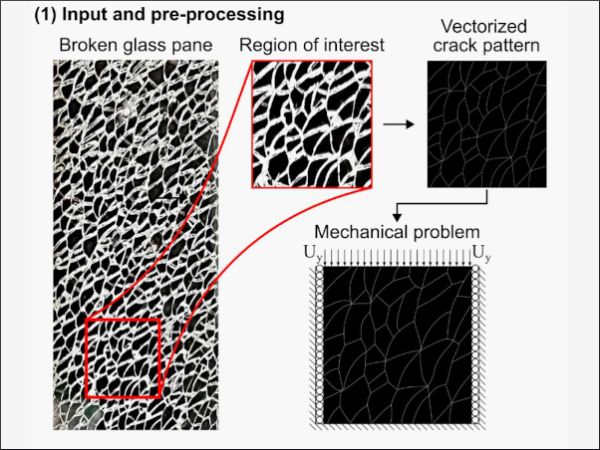
| The objective of the present work is the development and testing of a robust numerical model that can naturally introduce the generated crack pattern into virtual specimens and manage the interaction among many fragments.
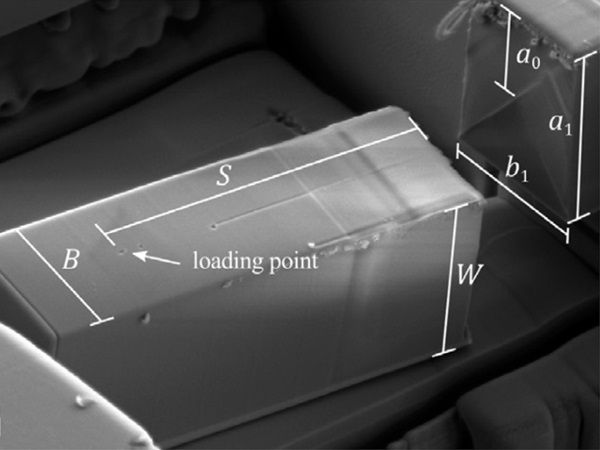
| This paper investigates the challenges and potentials of phase-field modelling in simulating glass fracture.
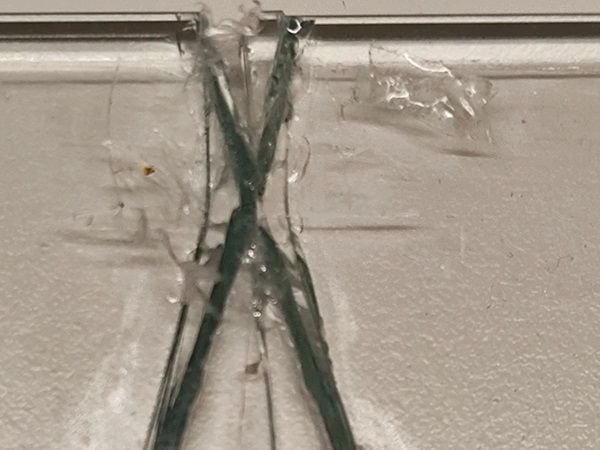
| The four point bending test is one of the most commonly used and standardised tests to determine the mechanical properties of materials.
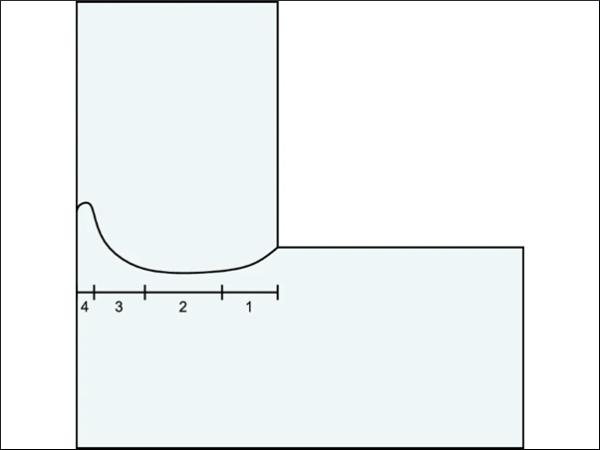
| The aim of this work is to investigate how the load level affects the crack propagation and to generate an experimental database for L-shaped soda-lime glass specimens with curved crack paths.

| The paper will show the critical aspect of using the right lighting and lenses and the settings needed to obtain high quality images of complex 3D damage.
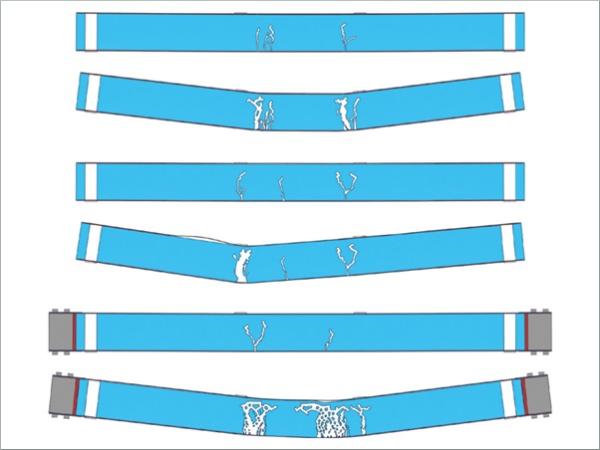
| This contribution introduces concepts for prestressing laminated glass beams with Fe-SMA tendons adhesively or mechanically connected to the glass beams.

| Proposal for a simplified engineering approach.
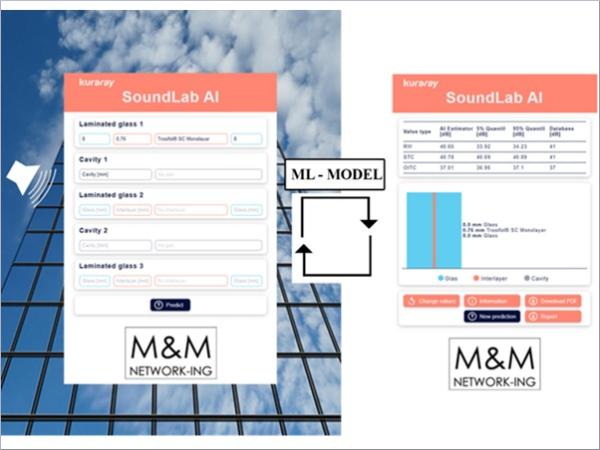
| This paper presents a Machine Learning approach for predicting the acoustic properties of different glazing systems.
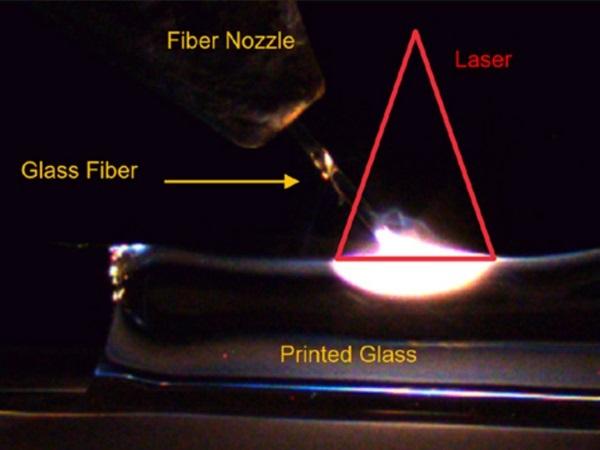
| The present study investigates the loadbearing capacity of additive manufactured components composed of glass.
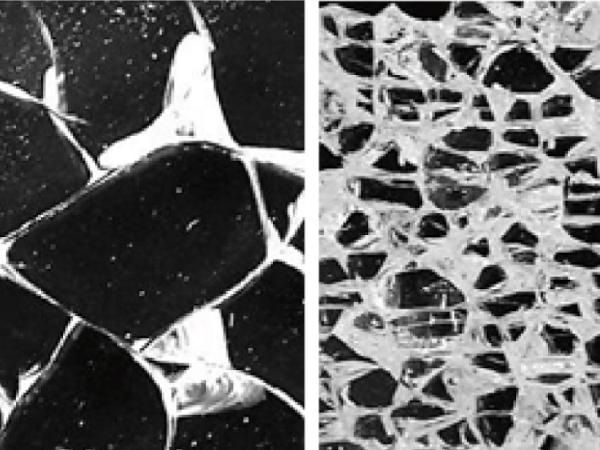
| An equivalent temperature difference model for engineering glass design
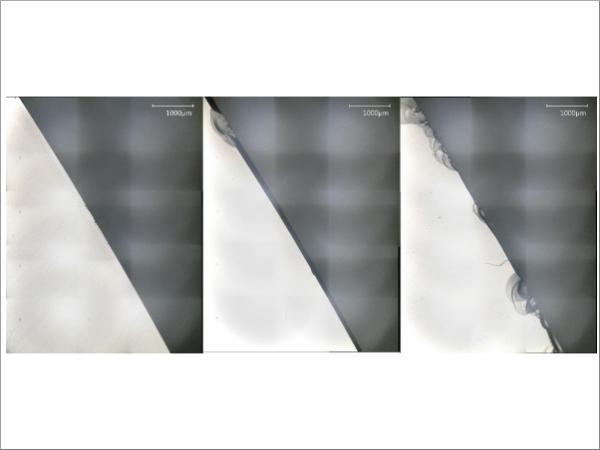
| Investigations of different positions of the sphere and the satellite and their effect on stress distribution are studied. Both, experimental observations and computational FEM simulations are compared.

| For the first time, a "laser upgrade" for façades, balustrades and windows in their installed state is possible by using mobile laser technology.
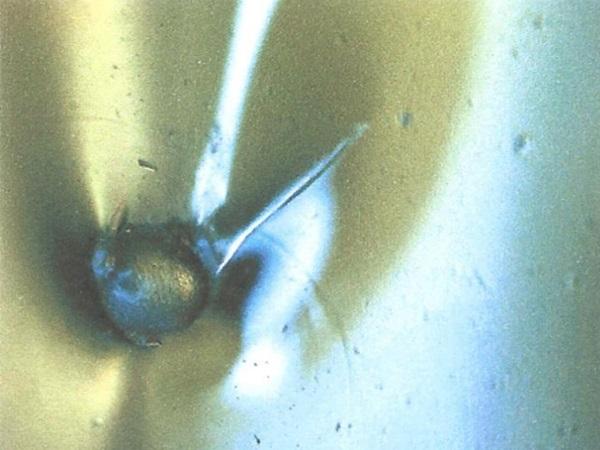
| Spontaneous breakage of fully tempered glass in facades is under control today when the heat soak process according to EN 14179-1 (2006/2016) is rigorously carried out.
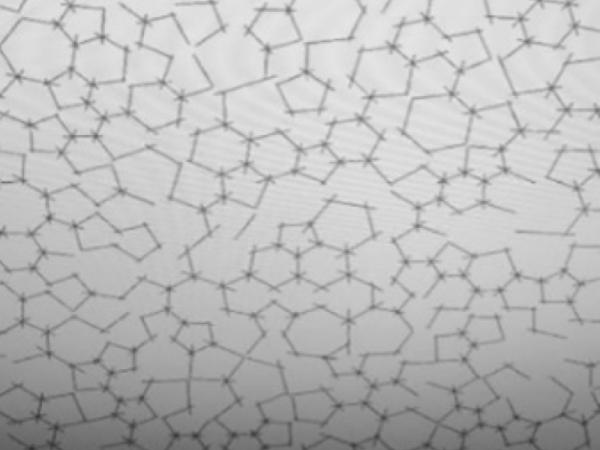
| The thermal rupture behavior of the frame-supported float glass subjected to thermal loading is carefully examined using a self-built experimental system.
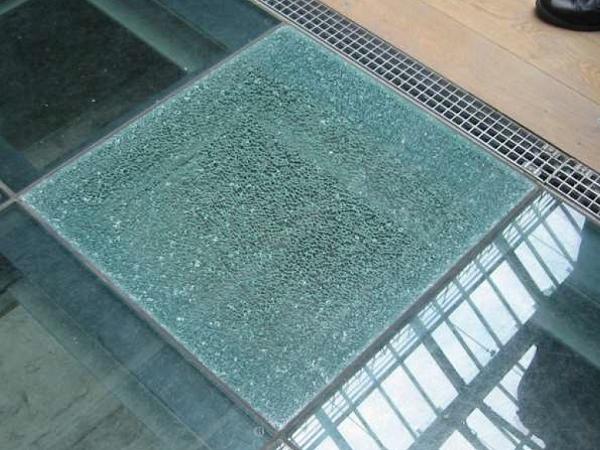
| In the present paper, attention is focused on the experimental and Finite Element (FE) numerical analysis of in-service LG modular units acting as pedestrian elements that are affected by partial glass fracture and ordinary walking conditions.

| Learn how EPDs can help you make environmentally friendly product selections.
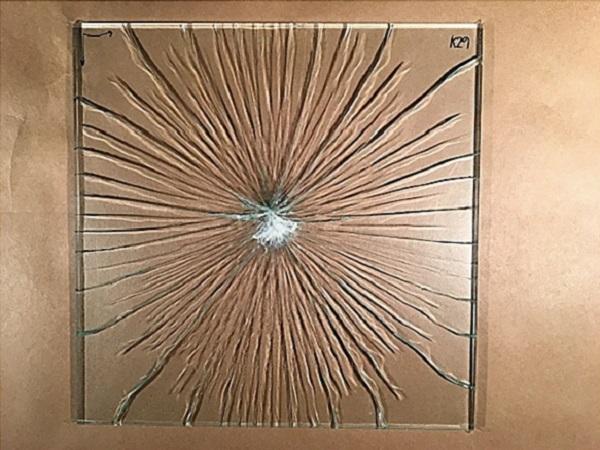
| Glass units are in demand in structural applications, however, the strength is challenging to predict.