
Others also read
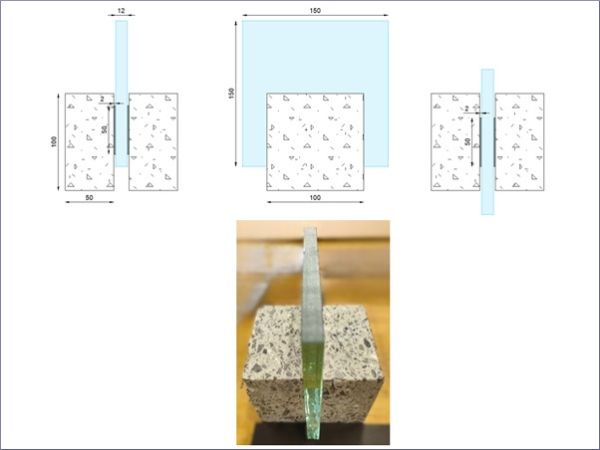
| Exploring the potential of epoxy adhesives for glass–concrete hybrid structures through experimental testing and finite element analysis.
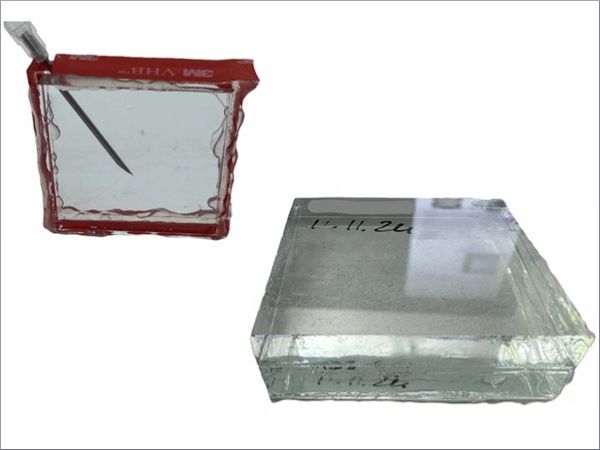
| Exploring LCPI adhesives as a promising alternative for stronger, more versatile laminated safety glass.
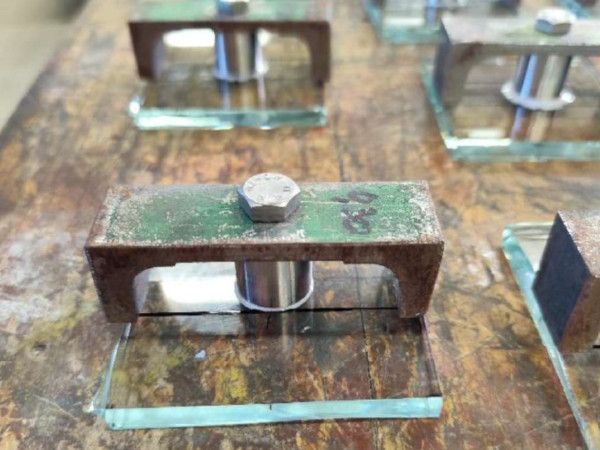
| How do temperature, humidity and water exposure affect the durability of bonded glass-steel joints? New research reveals significant differences between filled and unfilled epoxy adhesives under demanding environmental conditions.
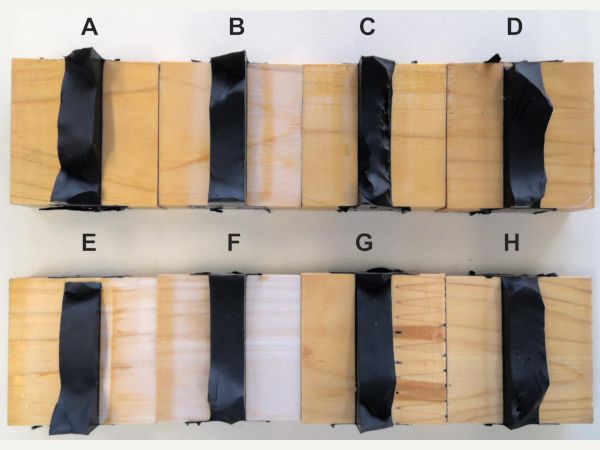
| Can timber sash systems replace aluminium? New research tests structural silicone glazing durability to find out.
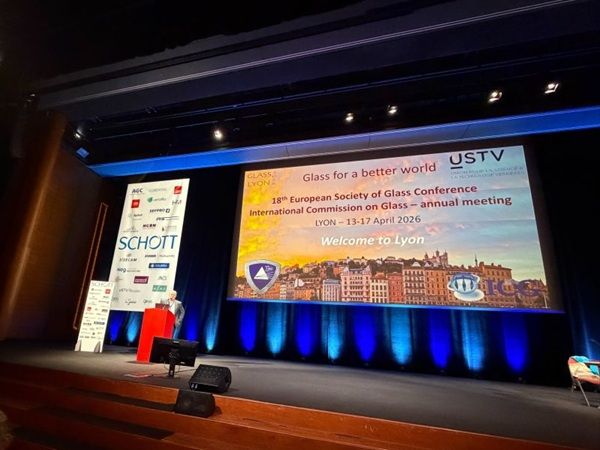
| Glass Lyon 2026 brought together leading researchers and industry experts from 32 countries to explore the latest advances in glass science, technology, and sustainable innovation.
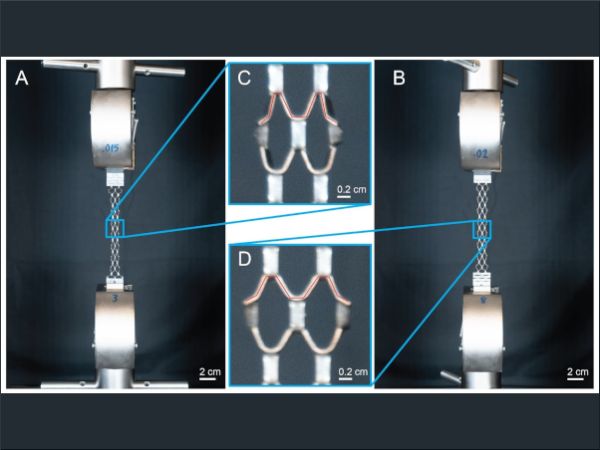
| Exploring a new approach to glass masonry, researchers demonstrate how metal kirigami interlayers can reduce weight, lower embodied carbon, and improve the performance of dry-assembled glass structures.
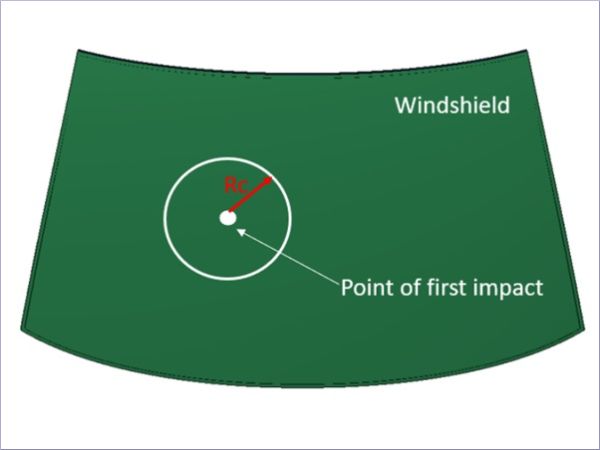
| An advanced FEM-based simulation approach enables accurate prediction of windshield performance in pedestrian protection tests across a wide range of designs and configurations.
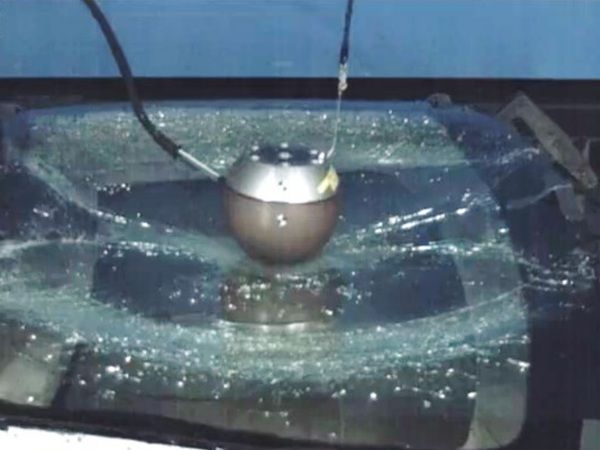
| A First Step to Characterize the Post-fracture Behaviour
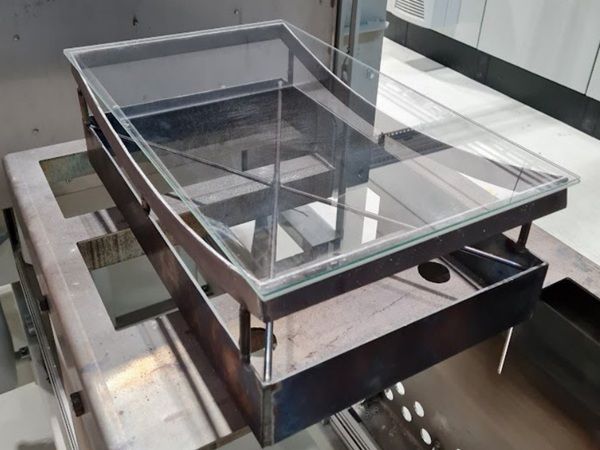
| This paper presents the challenges of combining borosilicate and soda-lime glasses in the windshield solution.
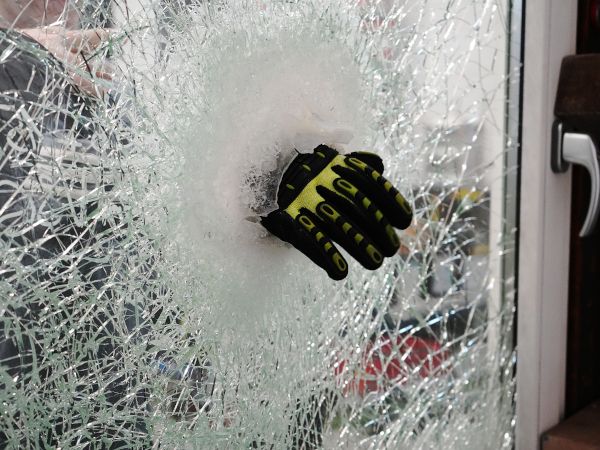
| Toughened glass: requirements on physical security, climate resilience and cyber security are rising
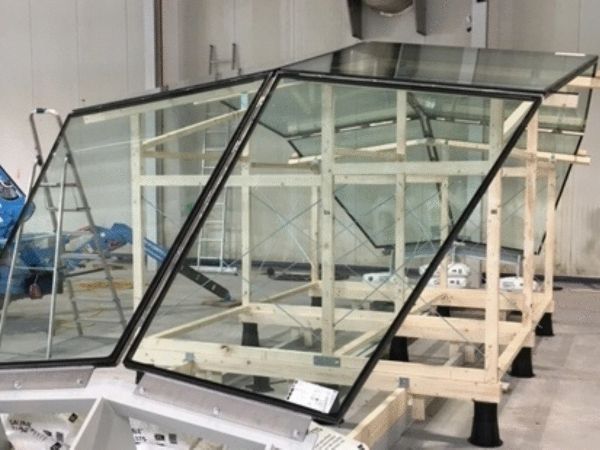
| This research explores how load-bearing glass can move beyond infill applications through an innovative linear metal edge fitting integrated into insulated glazing units.
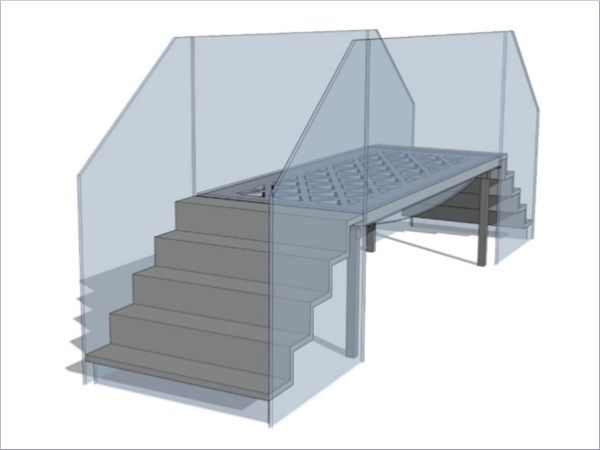
| This article presents how the pioneering G2C (Glass-to-Concrete) project is redefining construction by successfully integrating bonded glass and concrete into a full-scale pedestrian bridge demonstrator.
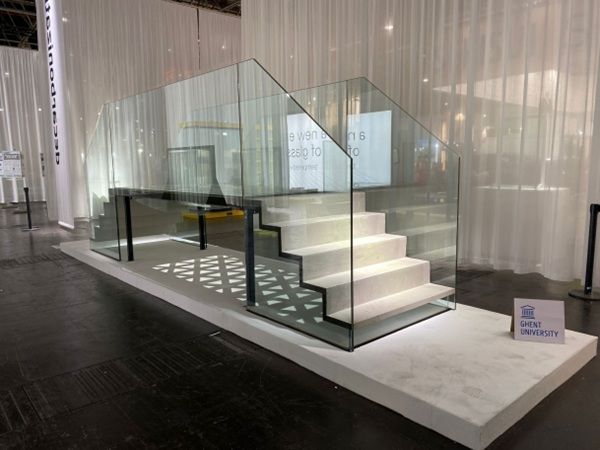
| This study demonstrates how fibre-reinforced and ultra-high-performance concretes enable structurally bonded glass-to-concrete systems, opening new possibilities for efficient, sustainable, and visually striking hybrid structures.
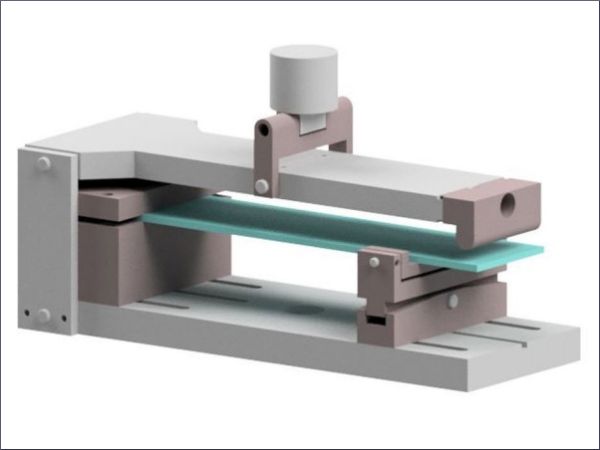
| This study explores how fibre optic sensors can accurately measure strain and temperature in laminated glass systems, revealing how adhesives, temperature, and load conditions influence the mechanical behaviour of PVB and embedded sensors.
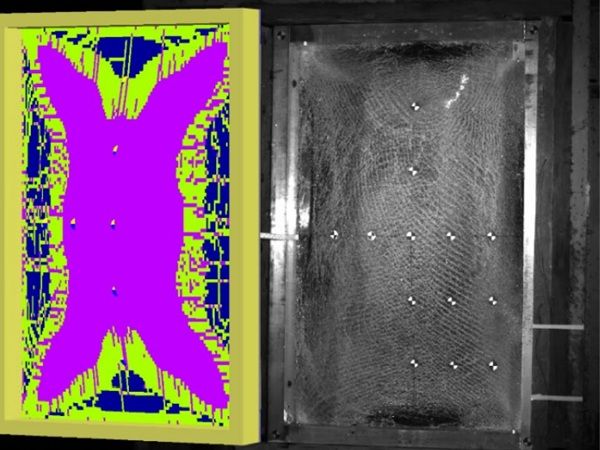
| Understanding how glazing systems behave under blast conditions is essential for designing safer, more resilient façades.

| Smart glass, simplified. Meet OSSE, Organic Semiconductor Materials for Sustainable Electronics, from the University of Turku.

| At Step Change 2025, ReViSalt demonstrated how its innovations are reshaping the future of glass strengthening.

| Fresh from Step Change 2025, Lithium Designers GmbH, the Frankfurt-based innovators transforming façade planning through parametric design and 3D-printed nodes, shared their insights on how technology is reshaping the future of architectural design.

| At Step Change 2025, in connection with Glass Performance Days 2025, eLstar Dynamics wowed us with their smart glass tech that dynamically shifts from ultra-dark (0.1% transparency!) to crystal clear (up to 70%).
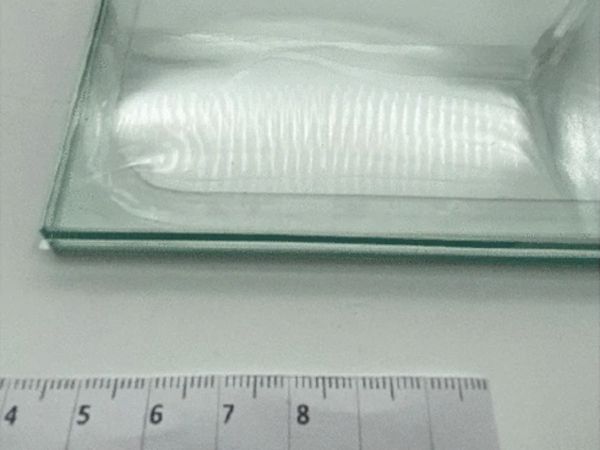
| In this paper, two specific liquid cold-poured interlayer adhesives are investigated for their mechanical material properties in an extensive test regime.
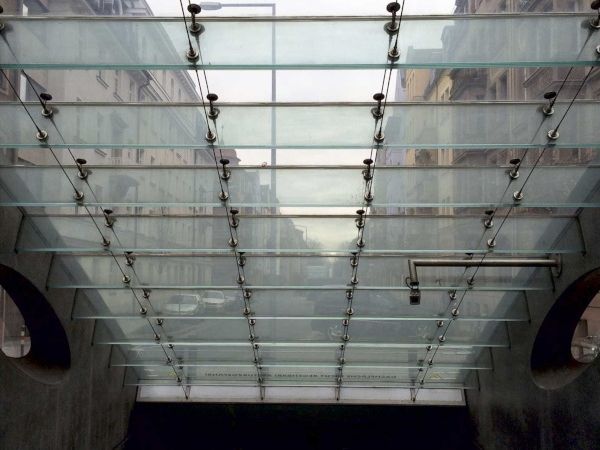
| This paper presents investigations on a novel approach for post-tensioning laminated glass beams with adhesively bonded iron-based shape memory alloy tendons along both longitudinal glass beam edges.
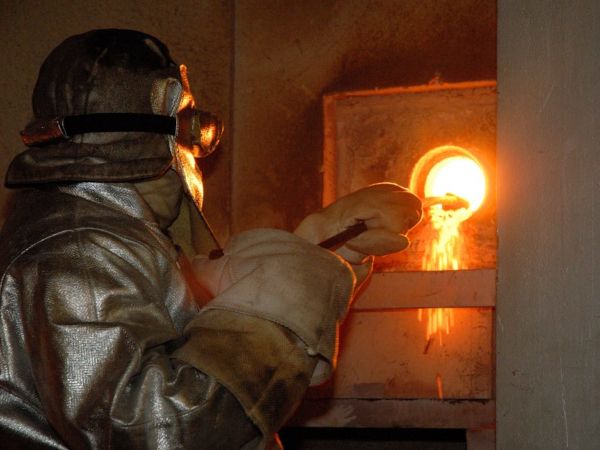
| A recent study by BV Glas and Stuttgart University outlines three pathways to achieve climate neutrality in the glass industry by 2045.
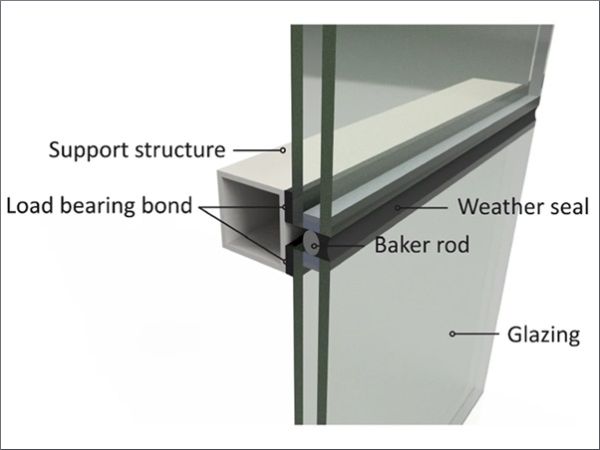
| Structural sealant glazing systems are increasingly used in transparent glass constructions, but designing bonded joints still relies on outdated safety concepts, despite recent research proving the reliability of hyperelastic silicone bonds.
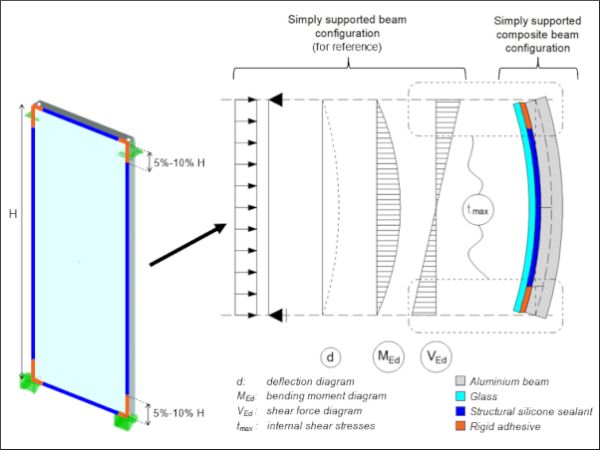
| A Composite Approach in the Design of Glass-Aluminium Facades to Minimise Embodied Carbon Emissions
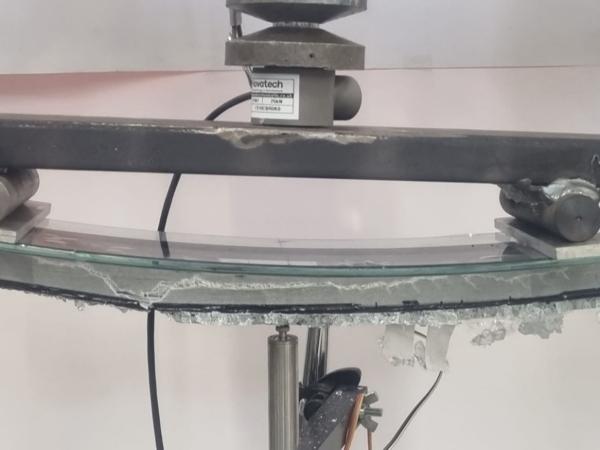
| This study is part of a comprehensive research to develop a better understanding of the structural performance of Glass-GFRP composite façade panels.