
Others also read
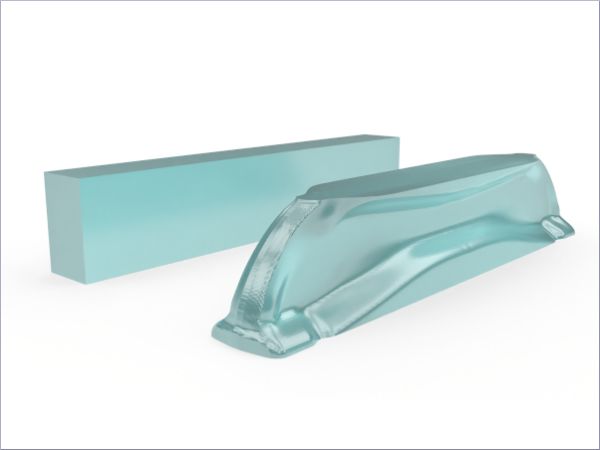
| Topology optimization could unlock the architectural potential of cast glass by reducing material usage by up to 38%, making larger and more efficient structural glass components economically viable.
| This paper explores practical solutions to reduce the high energy consumption of air jet quenching in glass tempering, highlighting existing technologies and opportunities for more efficient and sustainable processing.
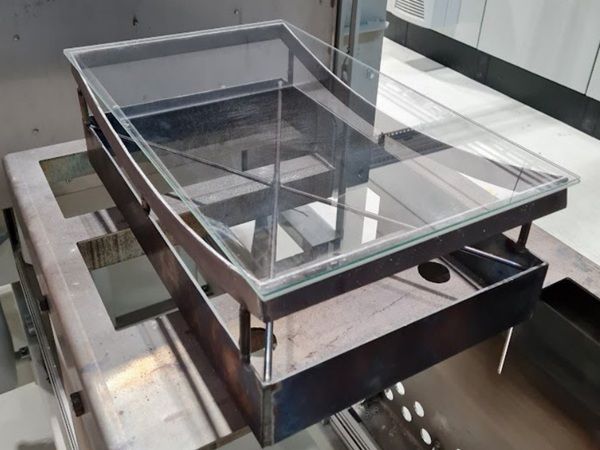
| This paper presents the challenges of combining borosilicate and soda-lime glasses in the windshield solution.

| Ultra-thin center glass is redefining what’s possible for insulating glass units—delivering lighter, thinner, and more energy-efficient glazing solutions for modern buildings.
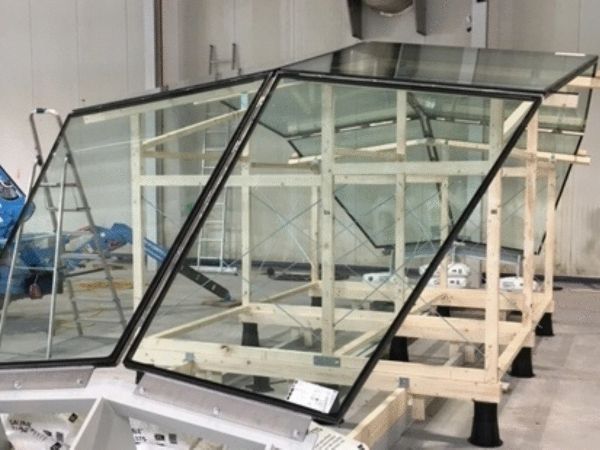
| This research explores how load-bearing glass can move beyond infill applications through an innovative linear metal edge fitting integrated into insulated glazing units.
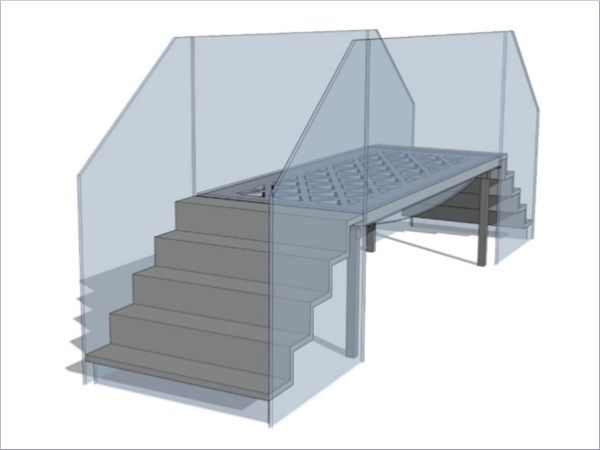
| This article presents how the pioneering G2C (Glass-to-Concrete) project is redefining construction by successfully integrating bonded glass and concrete into a full-scale pedestrian bridge demonstrator.

| Highly efficient building-integrated photovoltaics are entering a new phase, combining strong performance with expanded colour and design freedom.
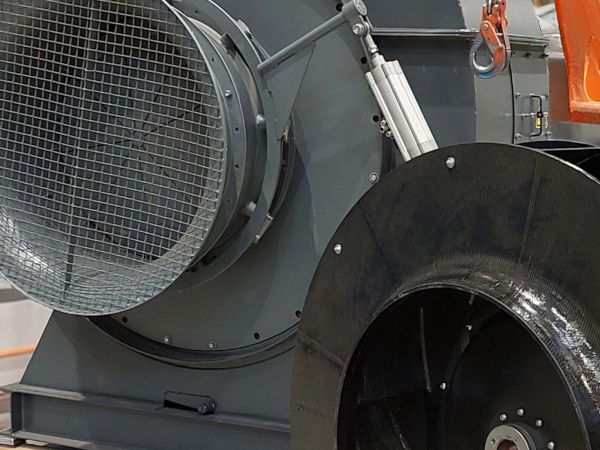
| Reducing energy consumption in glass tempering is no longer optional — and new cooling innovations are making it achievable.
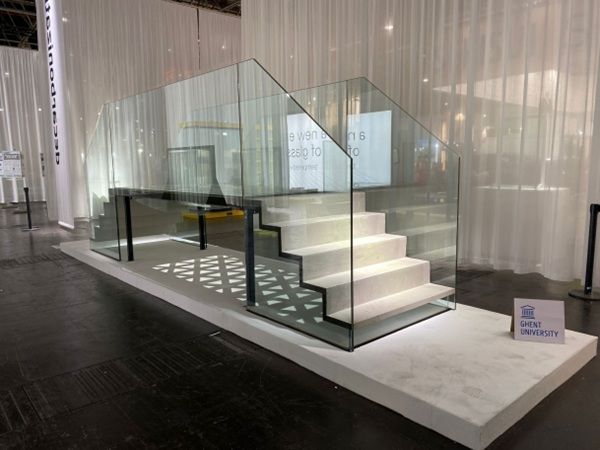
| This study demonstrates how fibre-reinforced and ultra-high-performance concretes enable structurally bonded glass-to-concrete systems, opening new possibilities for efficient, sustainable, and visually striking hybrid structures.
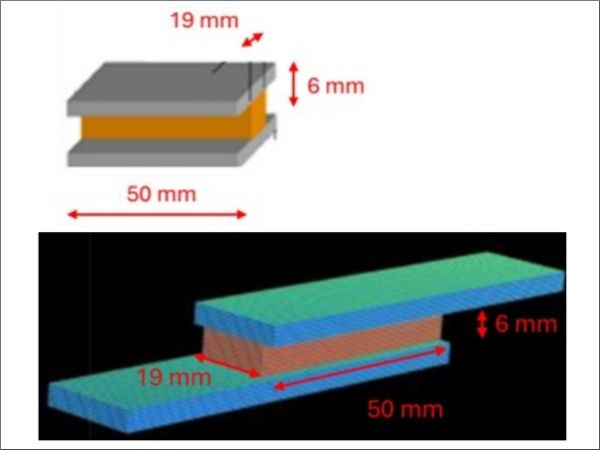
| A new study explores how smarter structural design and adhesive optimization in glass-metal façades can significantly cut embodied carbon while maintaining performance and integrity.

| Latest on Glastory by Robert Jenks: Improving your performance for a lifetime - Smart strategies for glass processing line success (Part 2/2)

| Smart glass, simplified. Meet OSSE, Organic Semiconductor Materials for Sustainable Electronics, from the University of Turku.

| In Part 1 of the new Glastory blog series, the article explores how production uptime becomes a competitive advantage and which strategies help keep operations smooth and businesses strong.
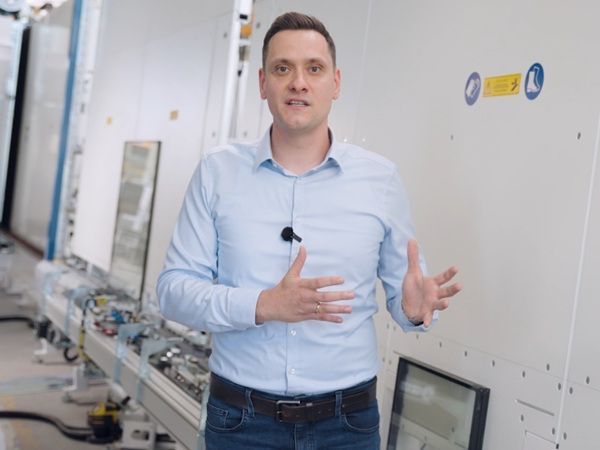
| In this seventh episode, we’re exploring how dynamic mixing enhances sealing quality and speed.

| At Step Change 2025, ReViSalt demonstrated how its innovations are reshaping the future of glass strengthening.
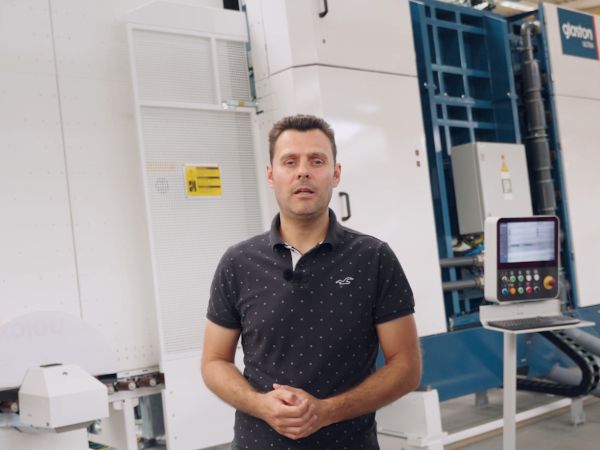
| In this sixth episode, the focus is on how to assemble and gas-fill IG units synchronously.

| Fresh from Step Change 2025, Lithium Designers GmbH, the Frankfurt-based innovators transforming façade planning through parametric design and 3D-printed nodes, shared their insights on how technology is reshaping the future of architectural design.

| At Step Change 2025, in connection with Glass Performance Days 2025, eLstar Dynamics wowed us with their smart glass tech that dynamically shifts from ultra-dark (0.1% transparency!) to crystal clear (up to 70%).

| In this fifth episode, the focus is on how the new TPS® PRO Applicator achieves up to 15% higher yield.
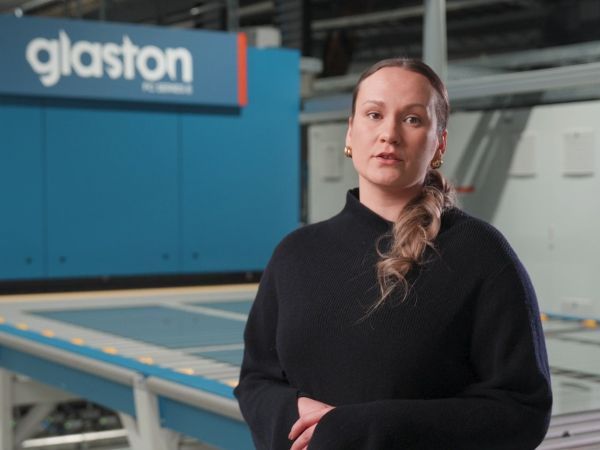
| In this ninth episode of #AskGlaston flat tempering series, we explore how to optimize energy efficiency in the case of short loadings.

| In this fourth episode, the focus is on how to clean glass plates efficiently.
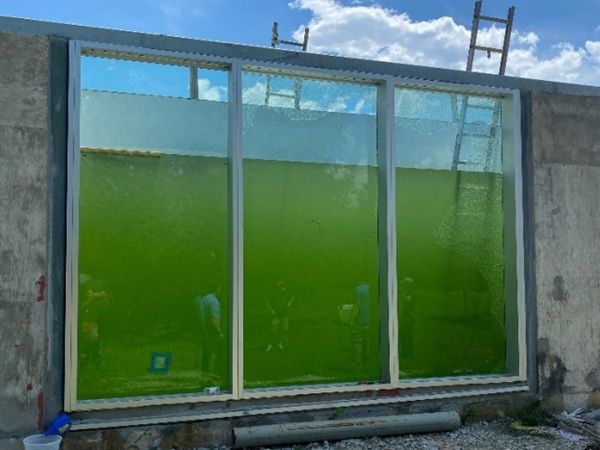
| ASTM has introduced a new standard, ASTM E3401, to guide the safe use of laminated glass in swimming pools, aquariums, and other applications subject to hydrostatic loads.

| In this eighth episode, we delve into optimizing energy efficiency in Low-E production.

| How do you move glass plates without a single scratch?

| By Errol Bull, P.E., CSI, an Application Development Leader at Momentive Performance Materials Inc. Member: IIBEC, ASTM C24, ISO TC59/SC8