
Others also read
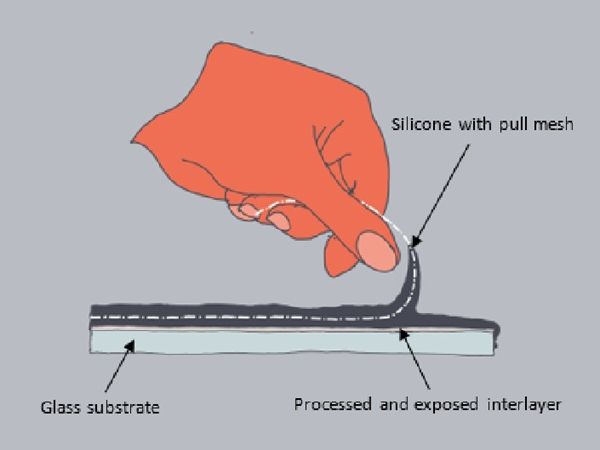
| Can silicone–interlayer adhesion make structural glass design more efficient? New research shows how strong, durable bonding between silicone sealants and laminated glass interlayers could help optimise SSG joints and reduce material use.

| How can structural silicone glazing help data centres combine sleek, city-friendly glass façades with the security, thermal efficiency and resilience required for mission-critical infrastructure?
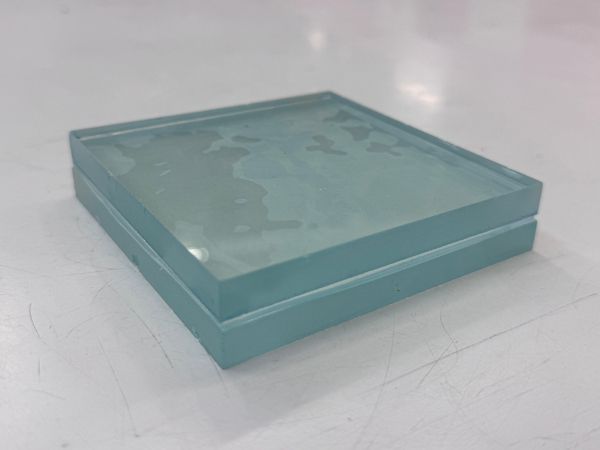
| Discover how pre-applied silicone strips are transforming structural glazing, improving productivity, design flexibility, cost efficiency and sustainability in modern façades.
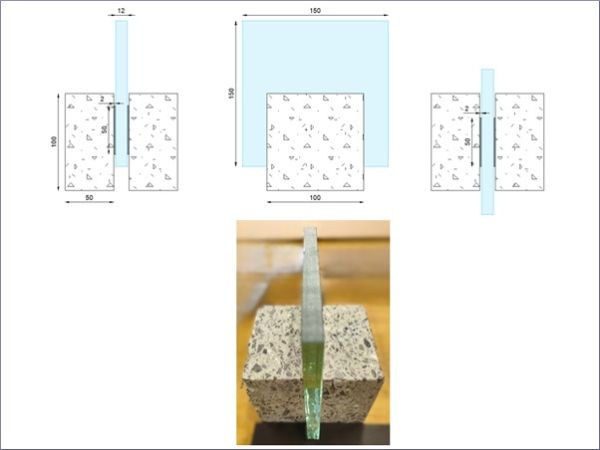
| Exploring the potential of epoxy adhesives for glass–concrete hybrid structures through experimental testing and finite element analysis.
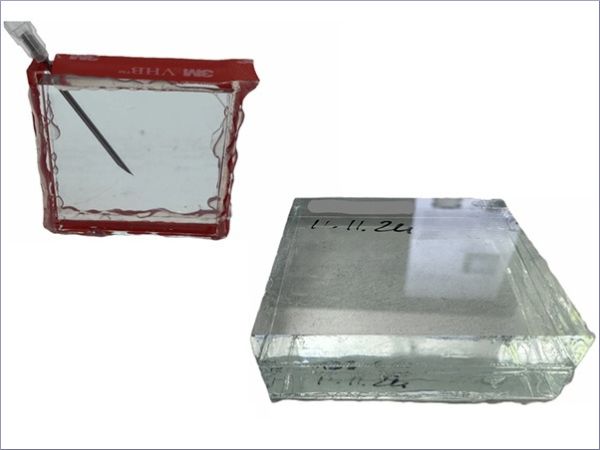
| Exploring LCPI adhesives as a promising alternative for stronger, more versatile laminated safety glass.
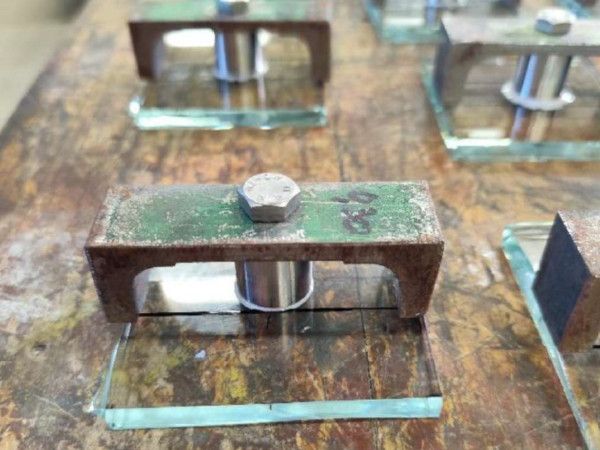
| How do temperature, humidity and water exposure affect the durability of bonded glass-steel joints? New research reveals significant differences between filled and unfilled epoxy adhesives under demanding environmental conditions.
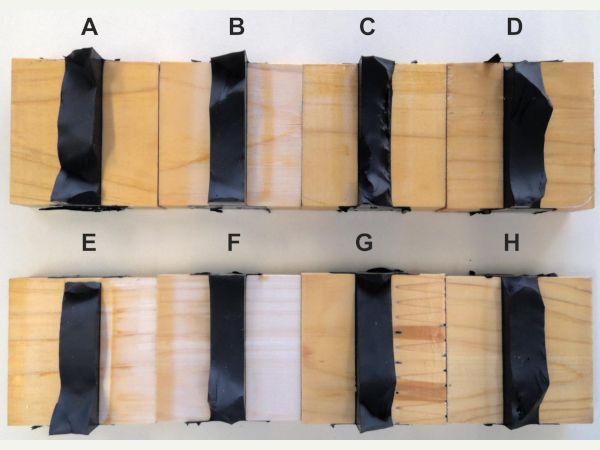
| Can timber sash systems replace aluminium? New research tests structural silicone glazing durability to find out.
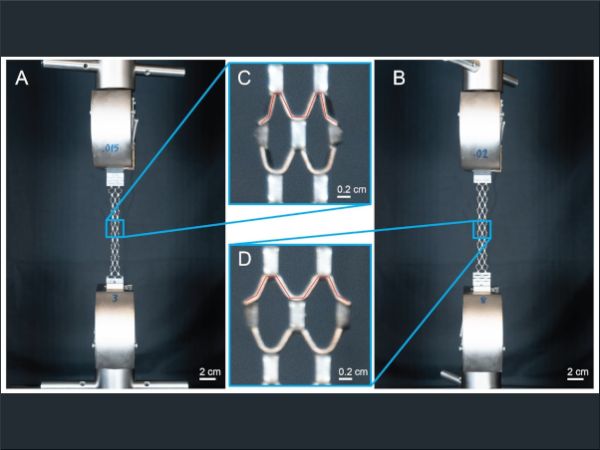
| Exploring a new approach to glass masonry, researchers demonstrate how metal kirigami interlayers can reduce weight, lower embodied carbon, and improve the performance of dry-assembled glass structures.
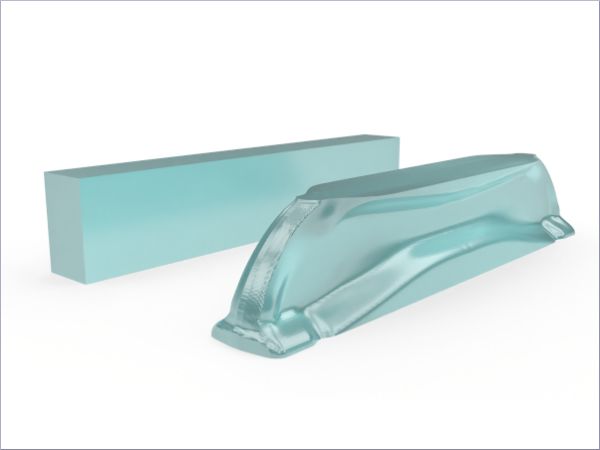
| Topology optimization could unlock the architectural potential of cast glass by reducing material usage by up to 38%, making larger and more efficient structural glass components economically viable.

| Exploring the evolution of laminated safety glass, this paper examines advanced interlayer solutions and their performance in ballistic applications.
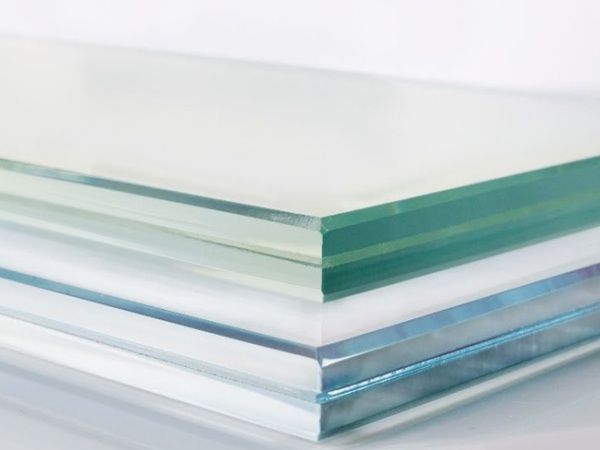
| Advances in interlayer technology are opening new possibilities for laminated safety glass, with improved stiff PVB delivering higher stiffness, enhanced durability and greater design flexibility for modern façade engineering.
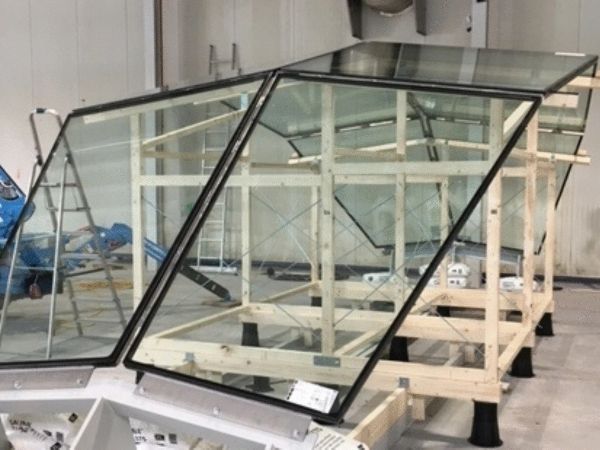
| This research explores how load-bearing glass can move beyond infill applications through an innovative linear metal edge fitting integrated into insulated glazing units.

| As glass increasingly takes on structural roles in modern architecture, ensuring its fire resistance has become a critical challenge for safe building design.
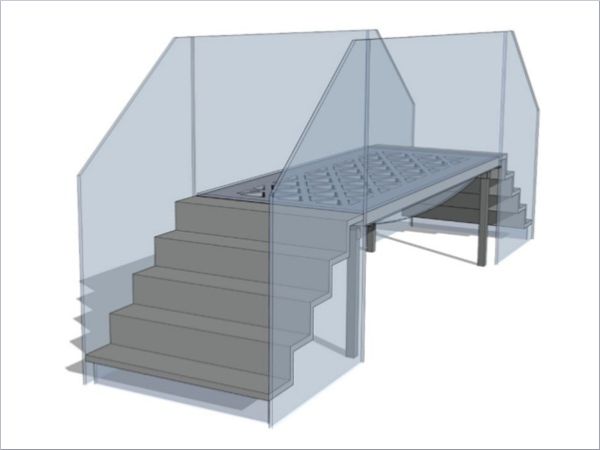
| This article presents how the pioneering G2C (Glass-to-Concrete) project is redefining construction by successfully integrating bonded glass and concrete into a full-scale pedestrian bridge demonstrator.
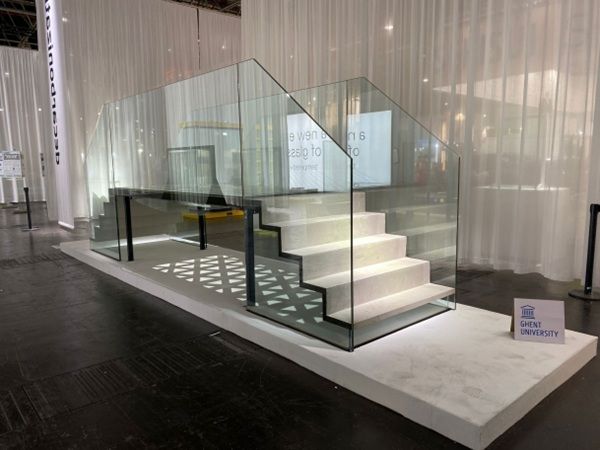
| This study demonstrates how fibre-reinforced and ultra-high-performance concretes enable structurally bonded glass-to-concrete systems, opening new possibilities for efficient, sustainable, and visually striking hybrid structures.
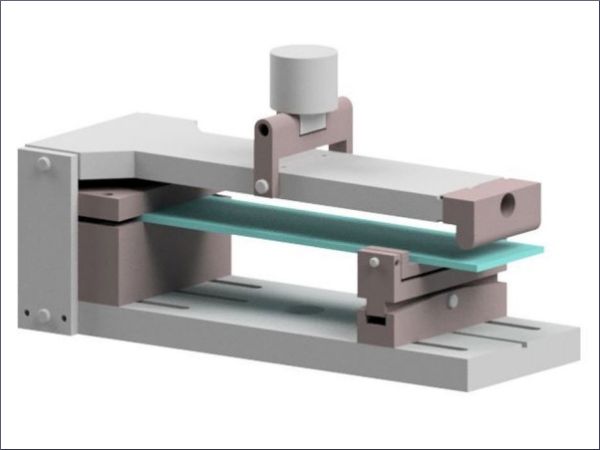
| This study explores how fibre optic sensors can accurately measure strain and temperature in laminated glass systems, revealing how adhesives, temperature, and load conditions influence the mechanical behaviour of PVB and embedded sensors.
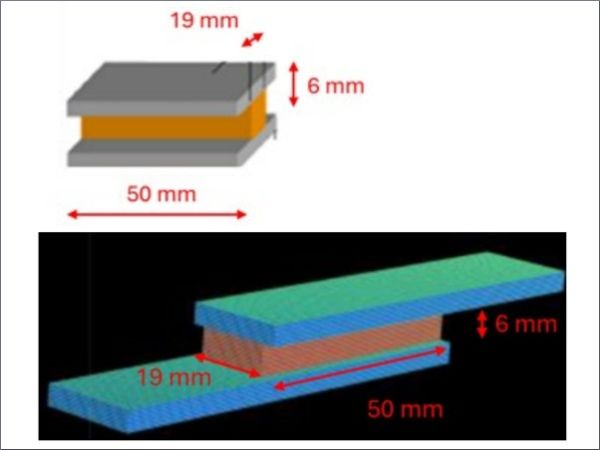
| A new study explores how smarter structural design and adhesive optimization in glass-metal façades can significantly cut embodied carbon while maintaining performance and integrity.
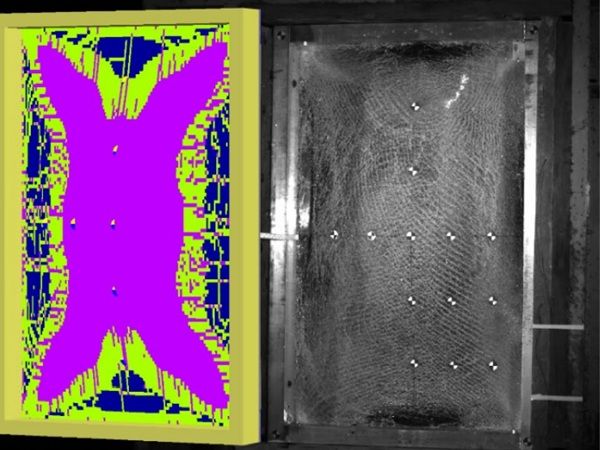
| Understanding how glazing systems behave under blast conditions is essential for designing safer, more resilient façades.
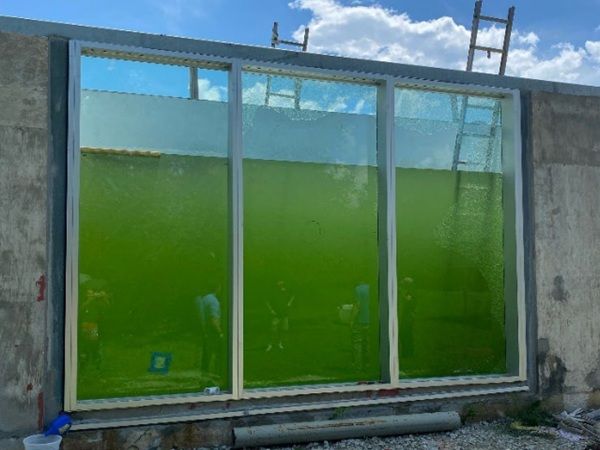
| ASTM has introduced a new standard, ASTM E3401, to guide the safe use of laminated glass in swimming pools, aquariums, and other applications subject to hydrostatic loads.
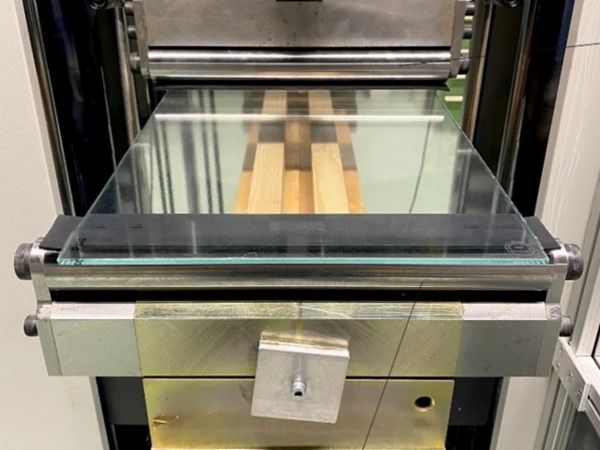
| Thermal stress relief treatment offers a promising solution for enabling the reuse and remanufacturing of end-of-life tempered glass, paving the way for more circular economy practices in the flat glass industry.

| New international standards are reshaping the way modern façade glass is designed, balancing security performance with comfort, safety, and multifunctionality.

| By Errol Bull, P.E., CSI, an Application Development Leader at Momentive Performance Materials Inc. Member: IIBEC, ASTM C24, ISO TC59/SC8
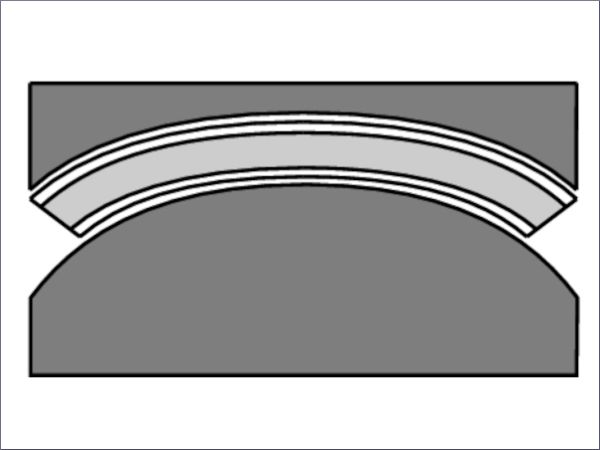
| A new study explores the potential of liquid optically clear adhesives (LOCA) as interlayers in laminated glass, offering promising solutions for complex curved designs and smart glazing applications.
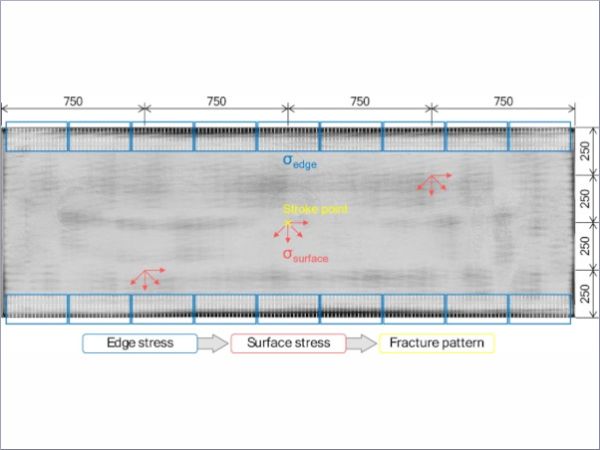
| New research explores how non-destructive photoelastic methods could improve quality control for large-format thermally toughened glass, reducing reliance on costly and time-consuming destructive testing.
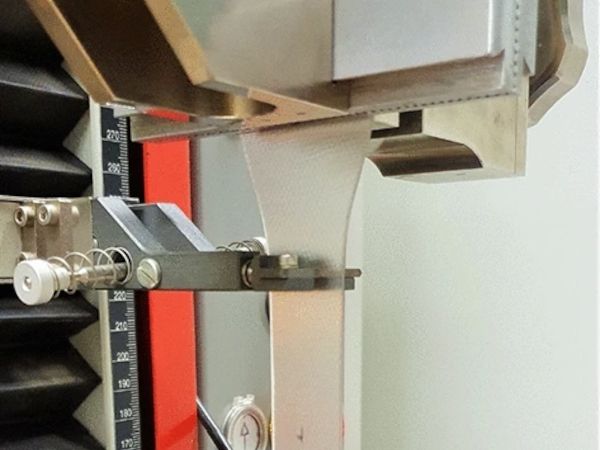
| Modeling broken laminated glass remains a challenge—this study proposes a simplified numerical approach based on interlayer experiments.