
Others also read
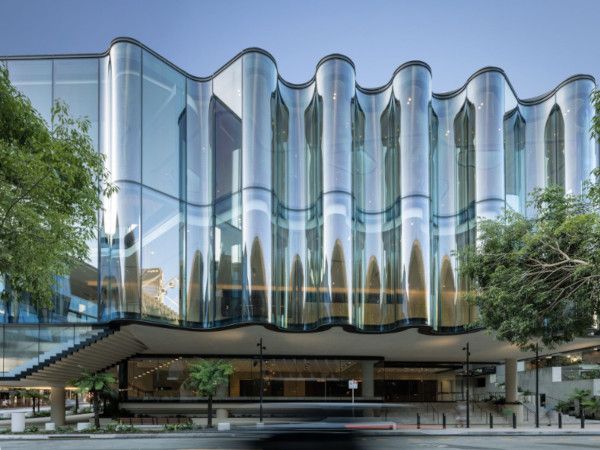
| Discover how advanced engineering, digital design and precision fabrication made it possible to realize the striking free-form glass façade of Brisbane's Glasshouse Theatre.
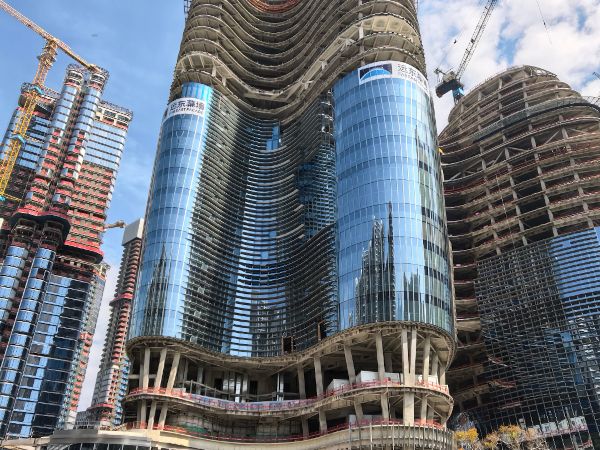
| Aesthetic Expression, Form Freedom, and High-Precision Manufacturing for Next-Generation Building Envelopes
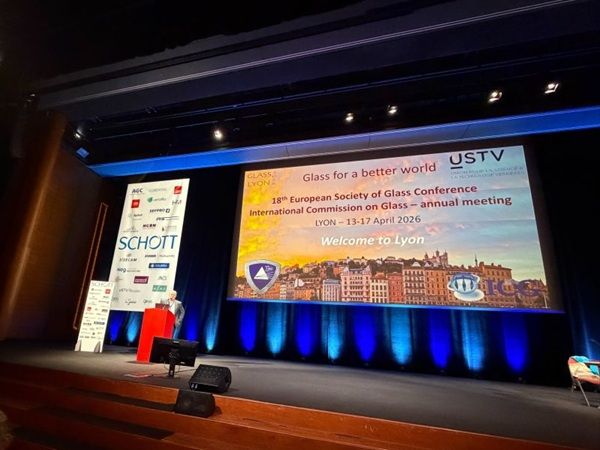
| Glass Lyon 2026 brought together leading researchers and industry experts from 32 countries to explore the latest advances in glass science, technology, and sustainable innovation.
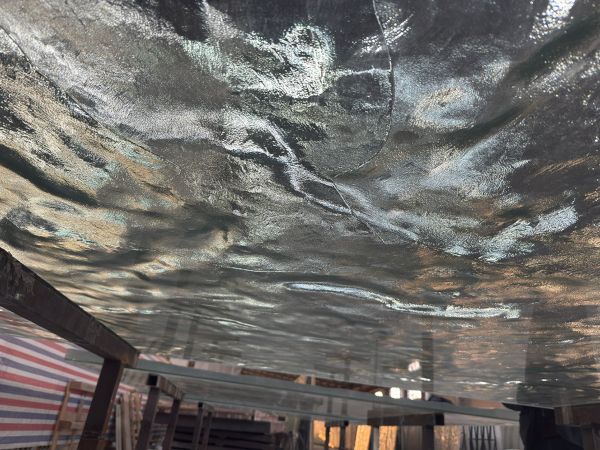
| A Performance-Based Framework for Material Characterisation, Structural Design and Thermal Shock Assessment
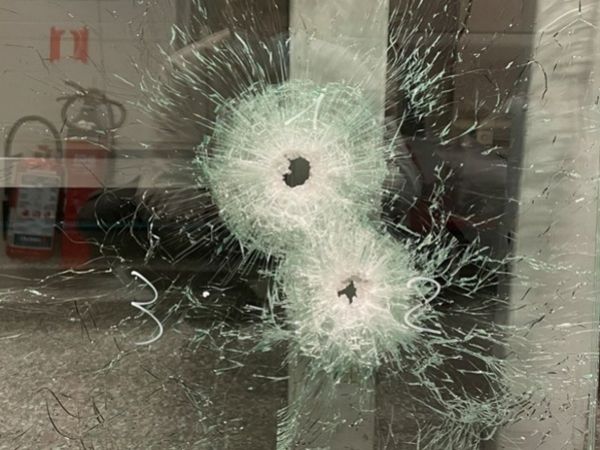
| Exploring the evolution of laminated safety glass, this paper examines advanced interlayer solutions and their performance in ballistic applications.
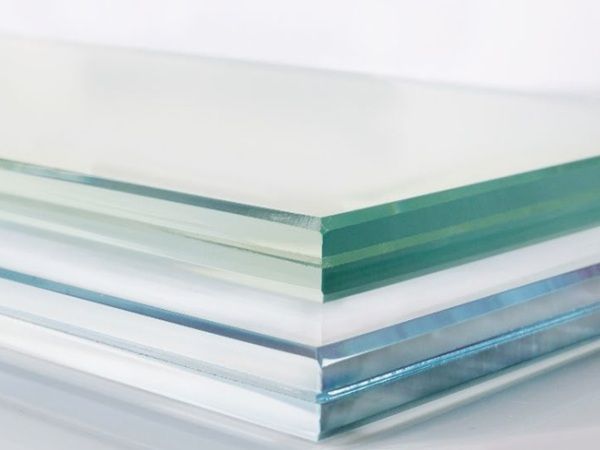
| Advances in interlayer technology are opening new possibilities for laminated safety glass, with improved stiff PVB delivering higher stiffness, enhanced durability and greater design flexibility for modern façade engineering.
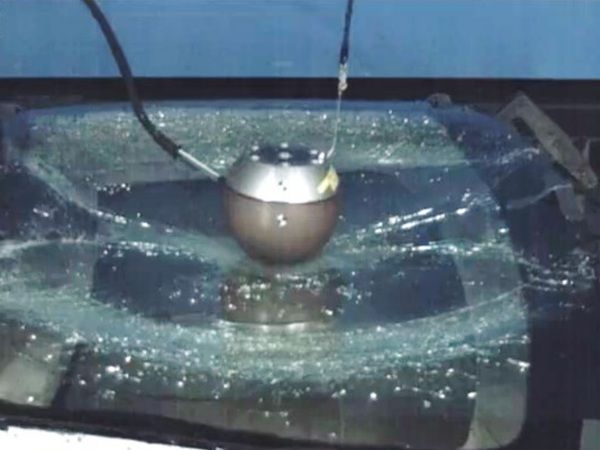
| A First Step to Characterize the Post-fracture Behaviour

| As glass increasingly takes on structural roles in modern architecture, ensuring its fire resistance has become a critical challenge for safe building design.
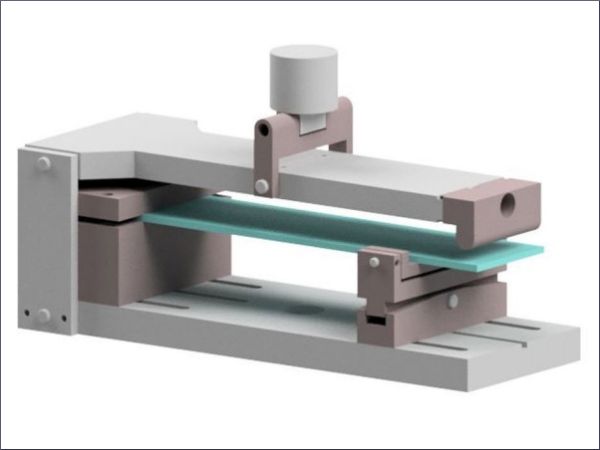
| This study explores how fibre optic sensors can accurately measure strain and temperature in laminated glass systems, revealing how adhesives, temperature, and load conditions influence the mechanical behaviour of PVB and embedded sensors.
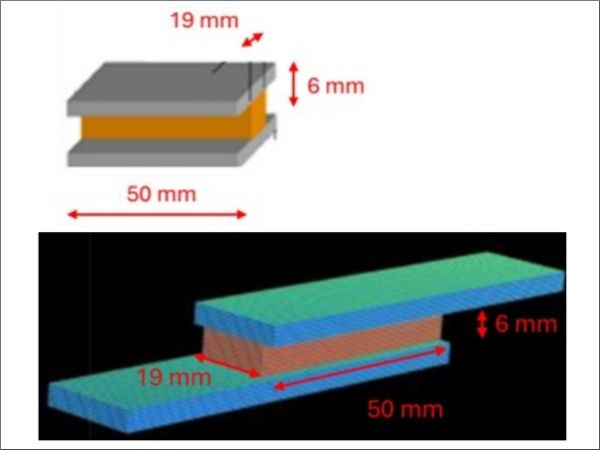
| A new study explores how smarter structural design and adhesive optimization in glass-metal façades can significantly cut embodied carbon while maintaining performance and integrity.

| At Step Change 2025, ReViSalt demonstrated how its innovations are reshaping the future of glass strengthening.
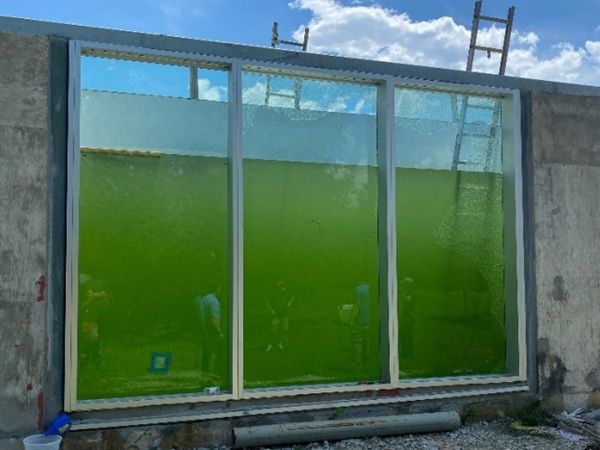
| ASTM has introduced a new standard, ASTM E3401, to guide the safe use of laminated glass in swimming pools, aquariums, and other applications subject to hydrostatic loads.
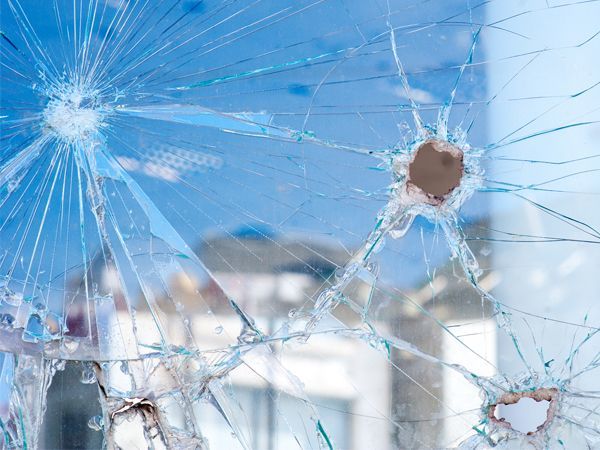
| New international standards are reshaping the way modern façade glass is designed, balancing security performance with comfort, safety, and multifunctionality.
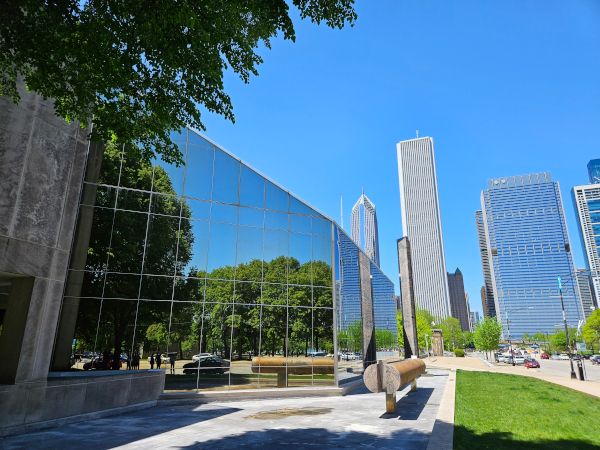
| By Errol Bull, P.E., CSI, an Application Development Leader at Momentive Performance Materials Inc. Member: IIBEC, ASTM C24, ISO TC59/SC8
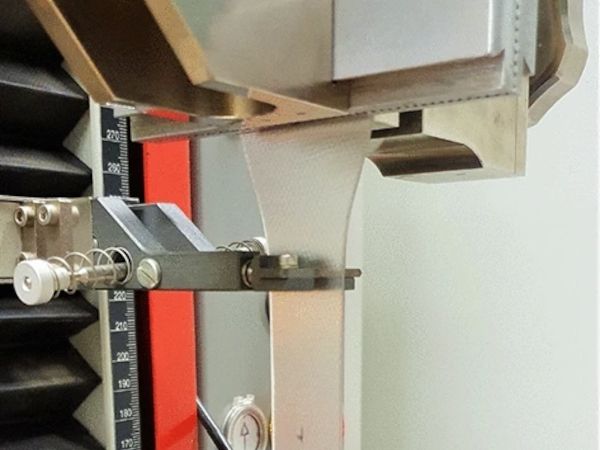
| Modeling broken laminated glass remains a challenge—this study proposes a simplified numerical approach based on interlayer experiments.
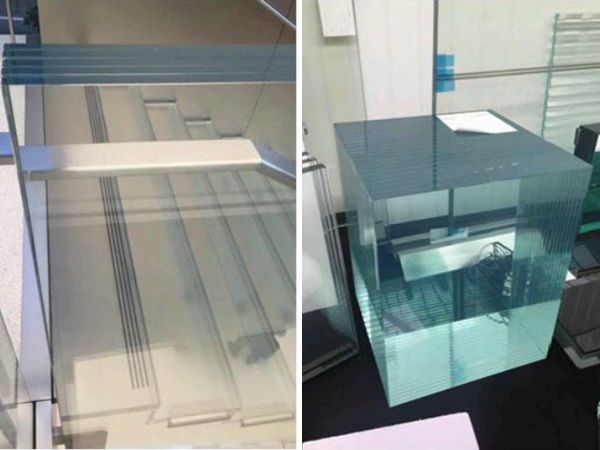
| This paper investigates the integration of colorimetric analysis into the architectural glass selection process, with a focus on utilizing spectral data to quantitatively characterize colour attributes.
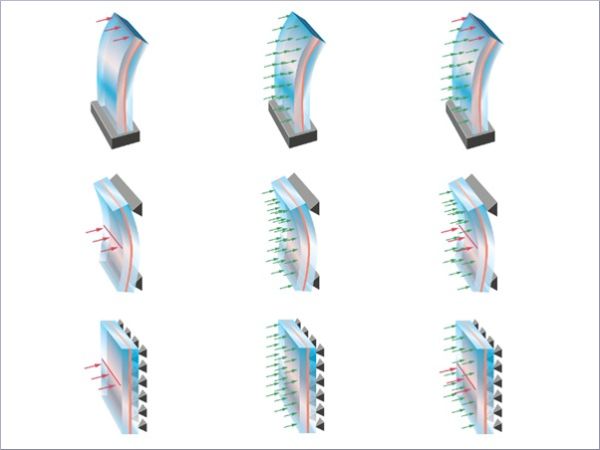
| A new AI-powered tool is set to transform the structural design and analysis of glass facades.
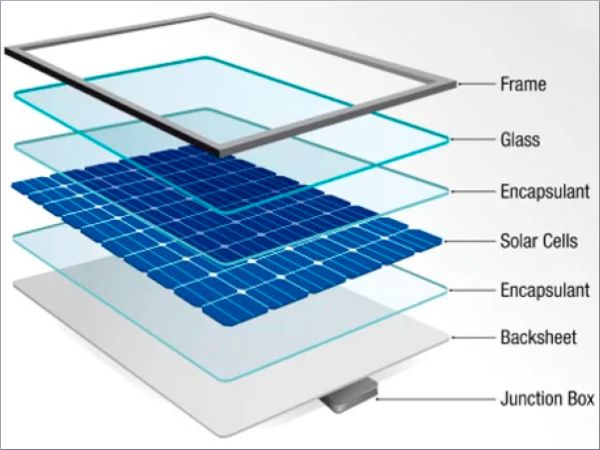
| A new study shows that adding green building requirements to contracts boosts energy performance and sustainability in hot climate zones.
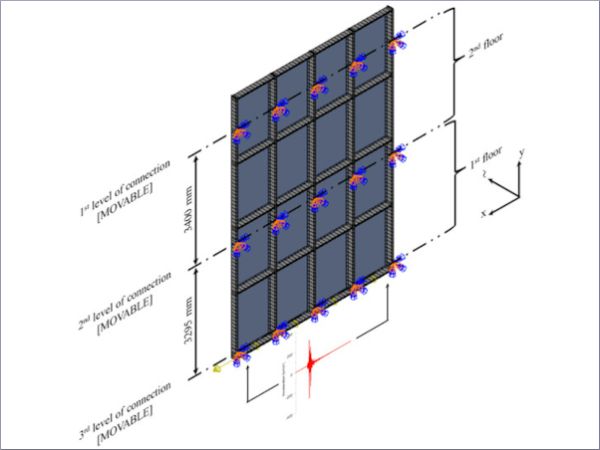
| Gaps and Challenges in Modelling Optimization and Limit Performance Indicators
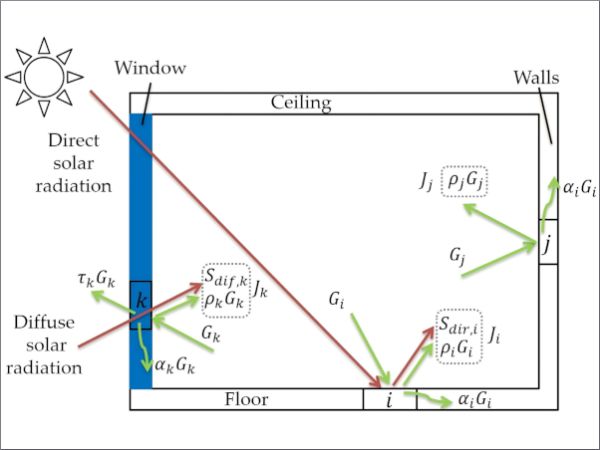
| As glass curtain walls become increasingly popular in modern architecture, understanding how much solar radiation escapes through these transparent facades is essential for accurate cooling load calculations and energy efficiency.
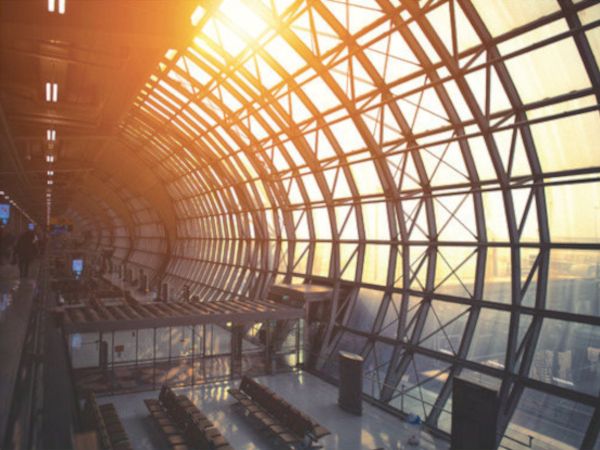
| As modern buildings increasingly use glass for its aesthetic appeal, managing excessive sunlight has become a challenge—this study explores how innovative kinetic façades can optimize indoor daylight while enhancing energy efficiency and comfort.
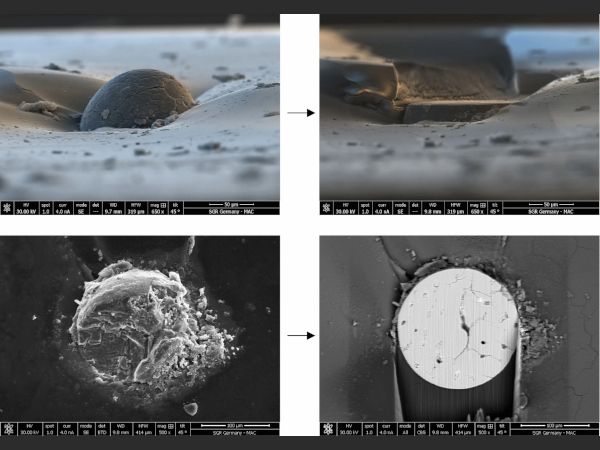
| Can we state if the Heat Soak Test (HST) was done according to EN14179-1:2005 or not?
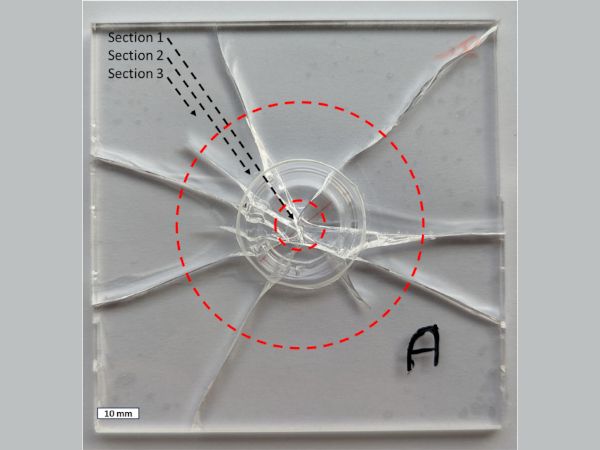
| The present paper and the related research provide insight into the possibilities to further process glass by additive manufacturing methods and thereby exploring the potential for the built environment.

| The authors investigate the dynamic factor dependency on the major wind excitation parameters, including mean wind velocity, turbulence factor and system dynamic properties, using the Single Degree of Freedom simplification.
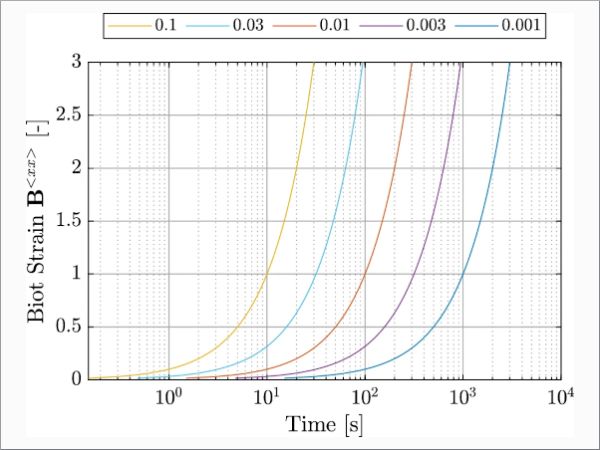
| The aim of this work is the mechanical description of the time-dependent behavior of Polyvinylbutyral (PVB) under large deformations considering quasi-static loading.