
Others also read
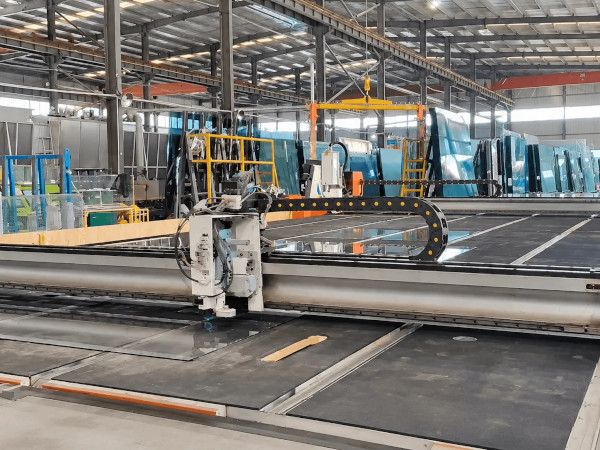
| Discover how float glass is transformed into high-performance architectural glazing through key processing stages, from precision cutting and tempering to lamination and insulated glass assembly.
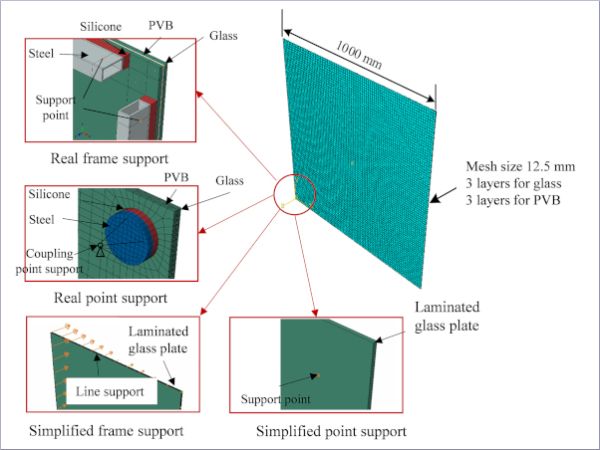
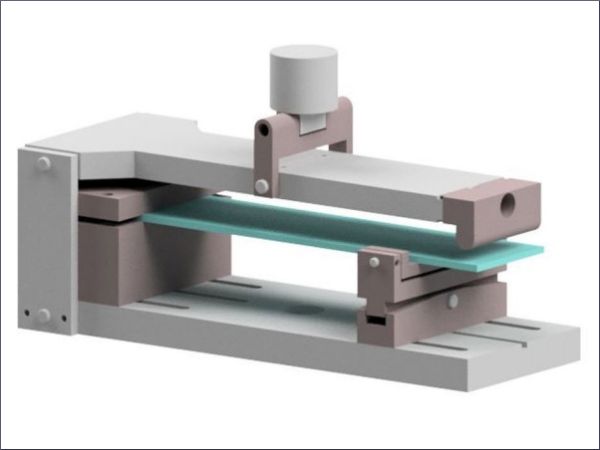
| New research investigates the load-bearing performance and failure mechanisms of anticlastic cold bent glass plates, combining physical testing with finite element modeling to examine the effects of support conditions, cold bending degree, and plate geometry.
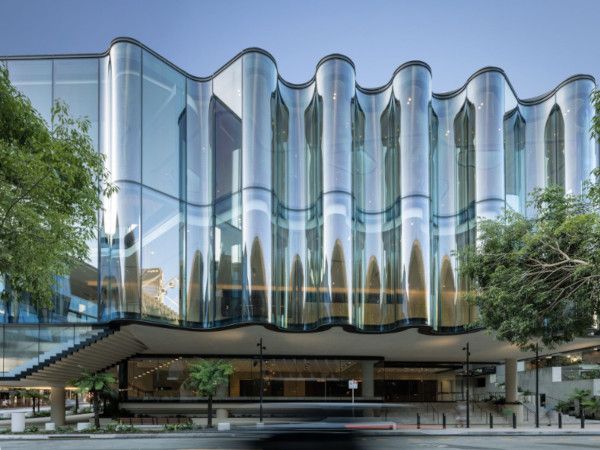
| Discover how advanced engineering, digital design and precision fabrication made it possible to realize the striking free-form glass façade of Brisbane's Glasshouse Theatre.
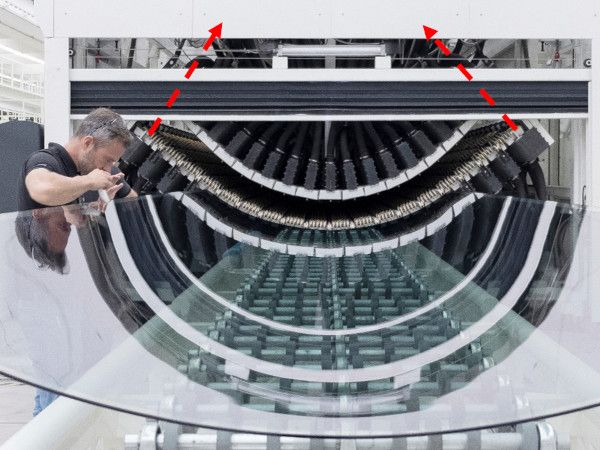
| Pushing the boundaries of architectural glass: a new large-format bending furnace is making faster, more precise production of complex 3D glass shapes a reality.
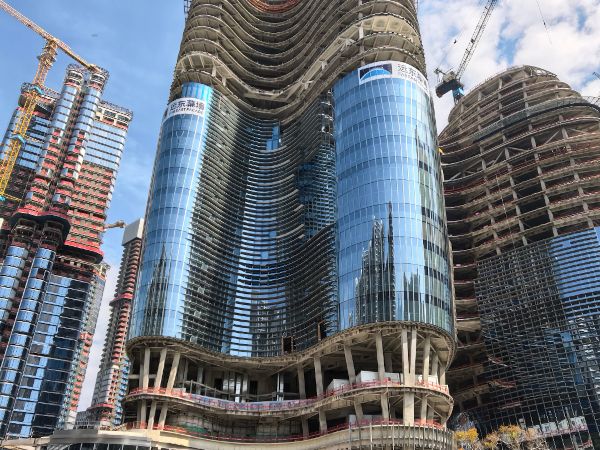
| Aesthetic Expression, Form Freedom, and High-Precision Manufacturing for Next-Generation Building Envelopes
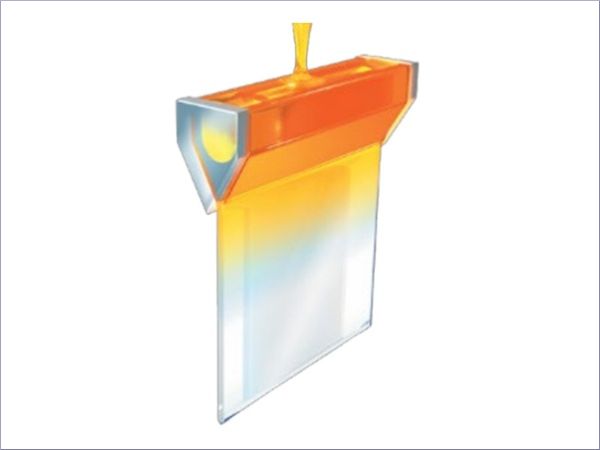
| A new generation of boro-aluminosilicate glass is opening new possibilities for architecture, combining lightweight design with exceptional strength, durability, and sustainability.
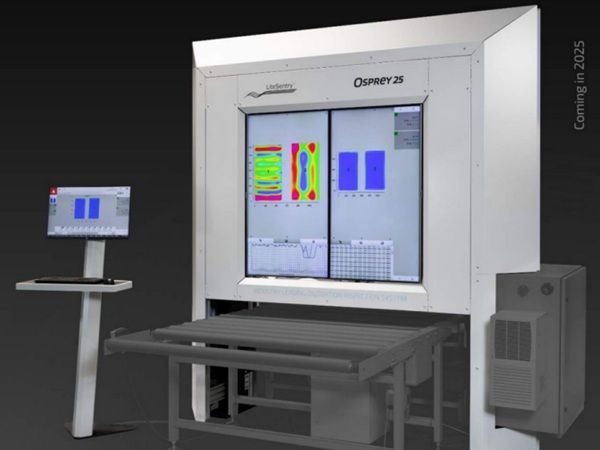
| This presentation explores how advanced measurement and grading methods can improve the objective assessment of optical quality in coated glass after heat treatment, addressing a key gap in current industry standards.
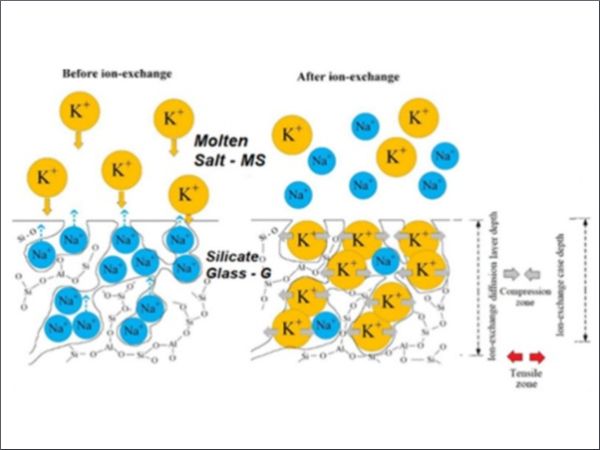
| A new study explores how ion exchange processes and molten salt chemistry influence stress development and strengthening performance in silicate glass.
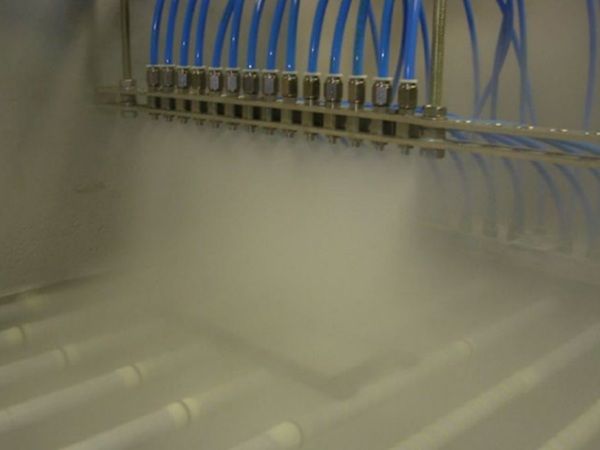
| This paper explores practical solutions to reduce the high energy consumption of air jet quenching in glass tempering, highlighting existing technologies and opportunities for more efficient and sustainable processing.
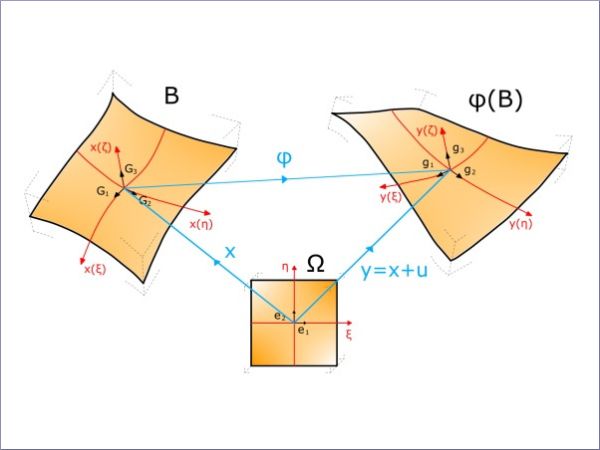
| Laminated glass design is challenged by accurately capturing shear coupling and nonlinear behavior, prompting the development of advanced FEM approaches that overcome the limits of traditional theories and commercial software.
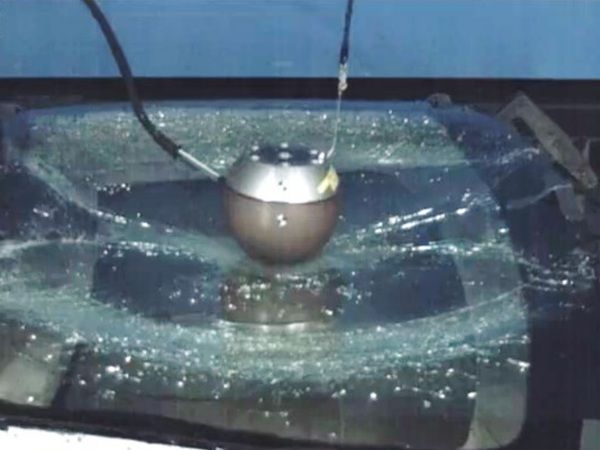
| A First Step to Characterize the Post-fracture Behaviour
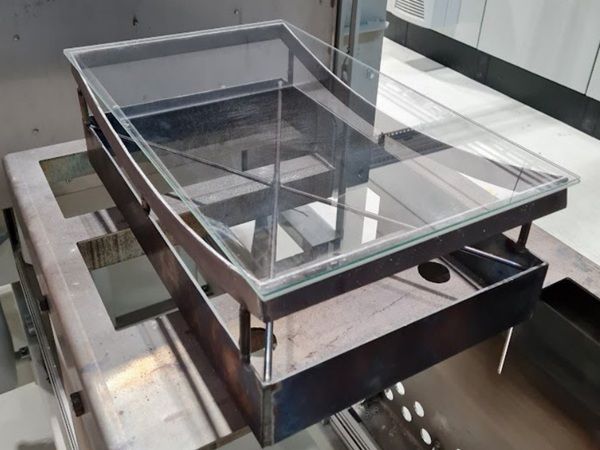
| This paper presents the challenges of combining borosilicate and soda-lime glasses in the windshield solution.

| This paper presents a groundbreaking technological development in the optical quality of tempered glass.
| This study explores how fibre optic sensors can accurately measure strain and temperature in laminated glass systems, revealing how adhesives, temperature, and load conditions influence the mechanical behaviour of PVB and embedded sensors.
| In this ninth episode of #AskGlaston flat tempering series, we explore how to optimize energy efficiency in the case of short loadings.

| In this eighth episode, we delve into optimizing energy efficiency in Low-E production.
| In the seventh episode of the #AskGlaston flat tempering series, the focus is on the Tempering Autopilot.
| In this sixth episode of #AskGlaston flat tempering series, we explore how to avoid loading delays in tempering.

| Mikko Rantala on Glastory: Glass tempering is an energy-hungry process, and not just because of the heat.
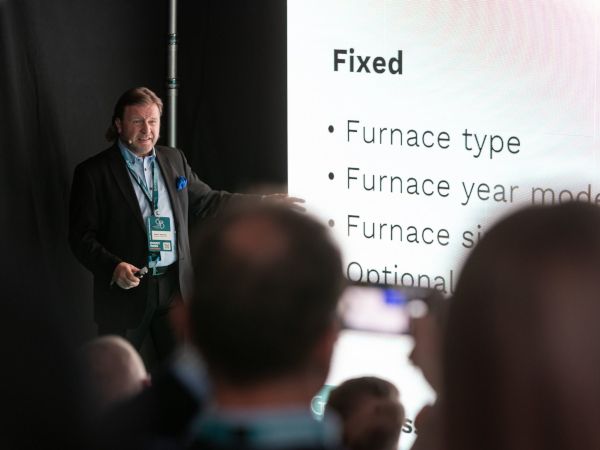
| As labor shortages and efficiency demands grow, automation is transforming glass tempering—starting with AI-driven batch building that boosts productivity, cuts energy use, and maximizes furnace performance.

| This paper presents a groundbreaking technological development in the optical quality of tempered glass.
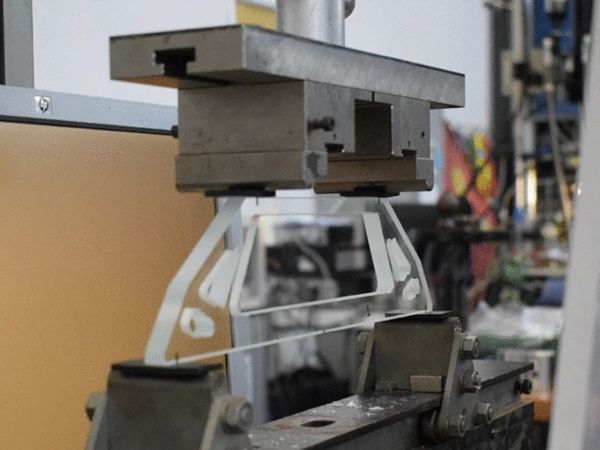
| This research proposes a suite of TO algorithmic frameworks that design specifically for structural glass.
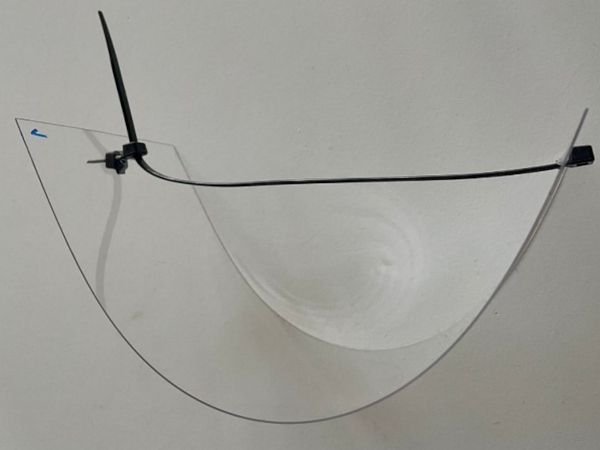
| This paper addresses the constraints of thin glass in construction and explores optimal bending techniques to maximize its potential through a detailed study of its properties.
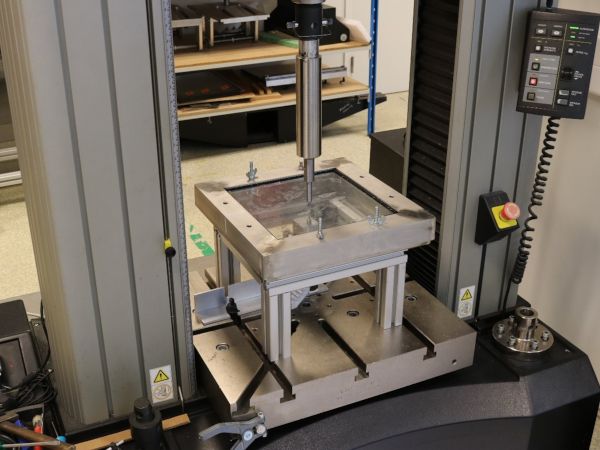
| This study examines prestressed glass specimens that are 0.5mm, 1.1mm, and 2.1mm thick in comparison to glass of the same thicknesses that have not been enhanced by the novel stiffening method.
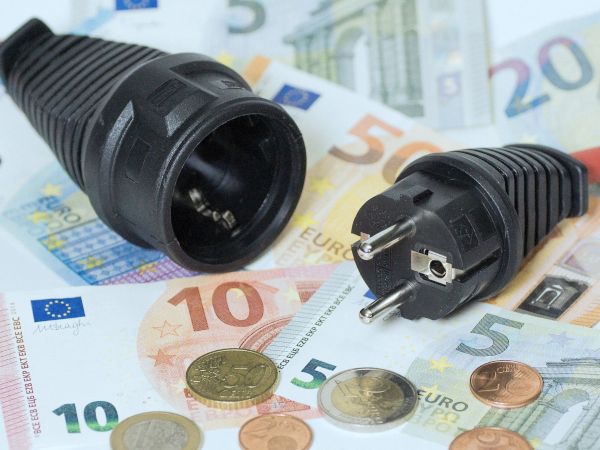
| Modern tempering technologies offer impressive energy efficiencies for glass processors. But, have you ever come across energy-saving claims that seem too good to be true?