
Others also read
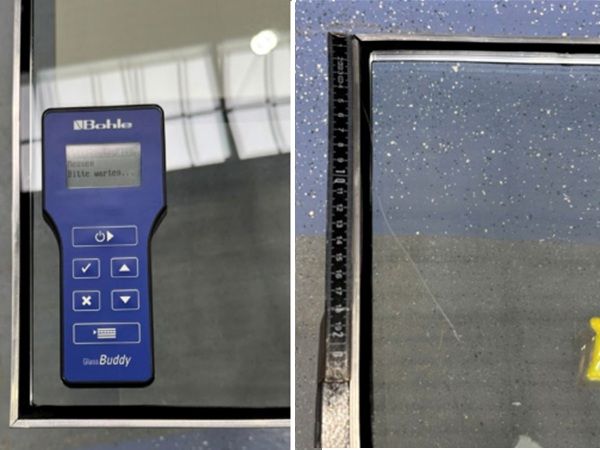
| Germany’s ageing building stock presents a major opportunity to reduce emissions by modernising windows while rethinking how used glazing is reused and recycled.
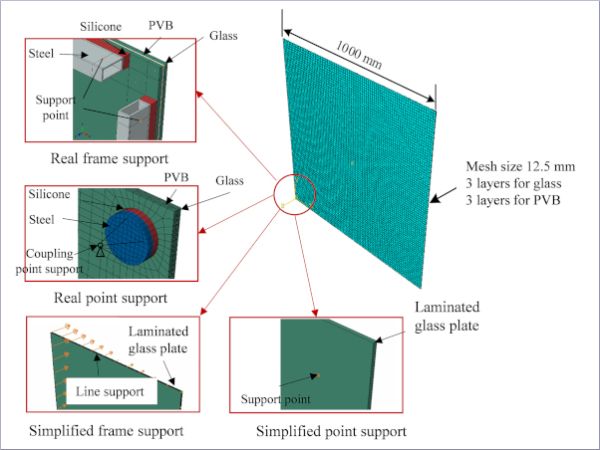
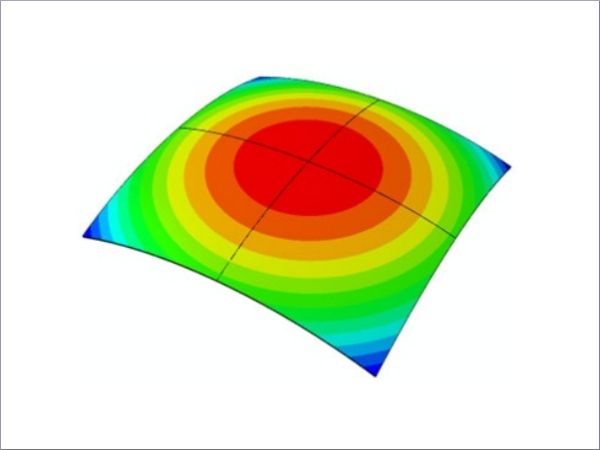
| New research investigates the load-bearing performance and failure mechanisms of anticlastic cold bent glass plates, combining physical testing with finite element modeling to examine the effects of support conditions, cold bending degree, and plate geometry.
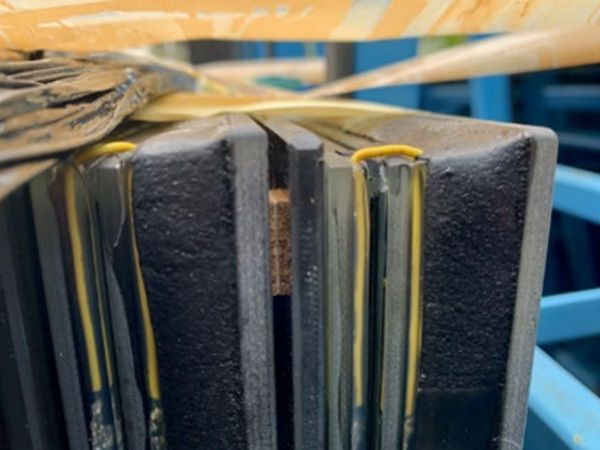
| Ultra-thin glass is opening new possibilities for high-performance insulating glass units, delivering improved energy efficiency, comfort, safety, and reduced weight for next-generation glazing solutions.
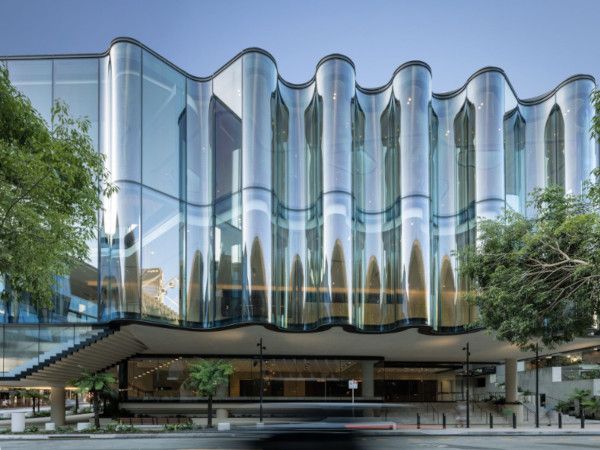
| Discover how advanced engineering, digital design and precision fabrication made it possible to realize the striking free-form glass façade of Brisbane's Glasshouse Theatre.
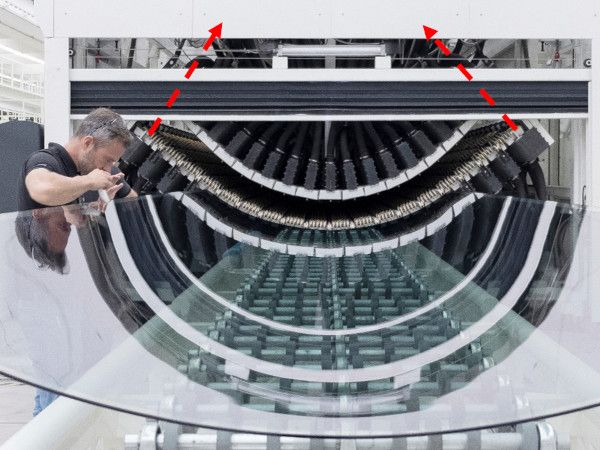
| Pushing the boundaries of architectural glass: a new large-format bending furnace is making faster, more precise production of complex 3D glass shapes a reality.
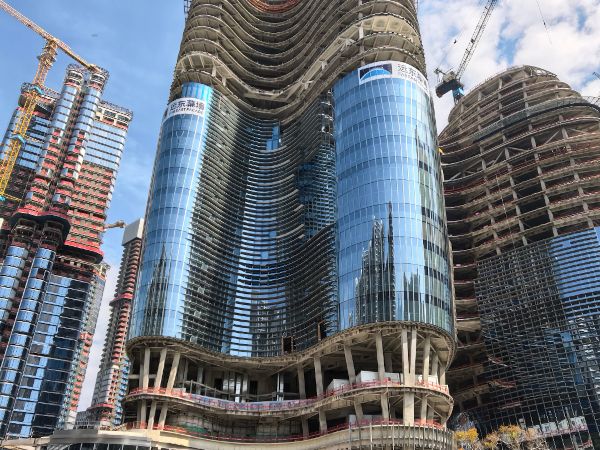
| Aesthetic Expression, Form Freedom, and High-Precision Manufacturing for Next-Generation Building Envelopes
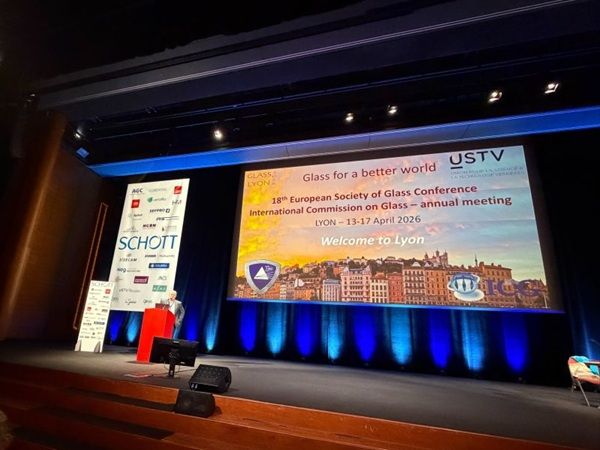
| Glass Lyon 2026 brought together leading researchers and industry experts from 32 countries to explore the latest advances in glass science, technology, and sustainable innovation.
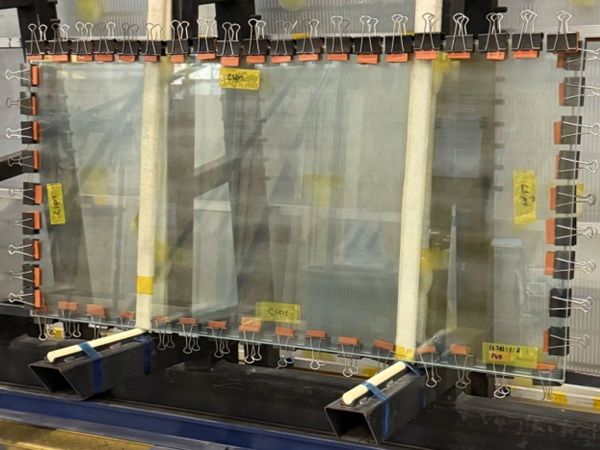
| Visual distortion in architectural glazing has emerged as a critical yet insufficiently regulated factor affecting both functional performance and visual comfort.
| Discover how Vacuum Insulated Glazing (VIG) is shaping the future of sustainable construction, combining outstanding thermal performance with innovative design solutions for residential, commercial, and heritage buildings.
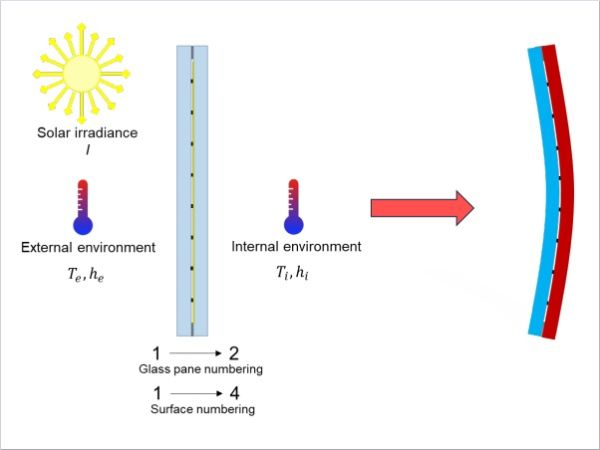
Design of a Test Setup for Experimental Investigation of Temperature Loads on Vacuum Insulated Glass
| A new study explores how Vacuum Insulated Glass (VIG) can support energy-efficient retrofits and new construction projects, while addressing the critical challenge of temperature-induced stress and future design standards.
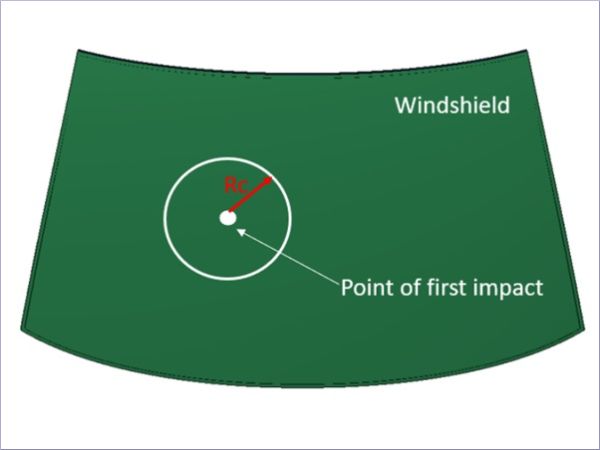
| An advanced FEM-based simulation approach enables accurate prediction of windshield performance in pedestrian protection tests across a wide range of designs and configurations.

| Exploring the evolution of laminated safety glass, this paper examines advanced interlayer solutions and their performance in ballistic applications.
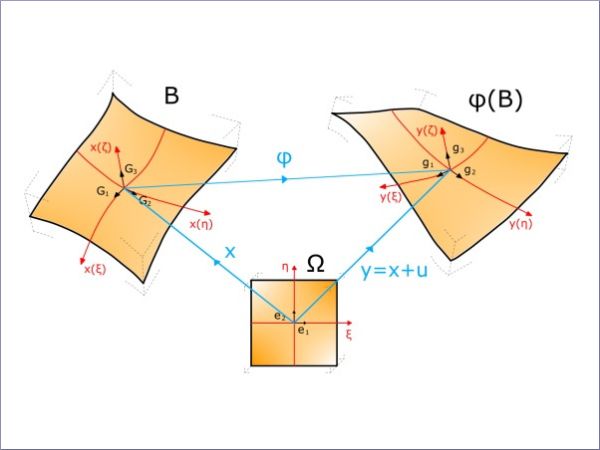
| Laminated glass design is challenged by accurately capturing shear coupling and nonlinear behavior, prompting the development of advanced FEM approaches that overcome the limits of traditional theories and commercial software.
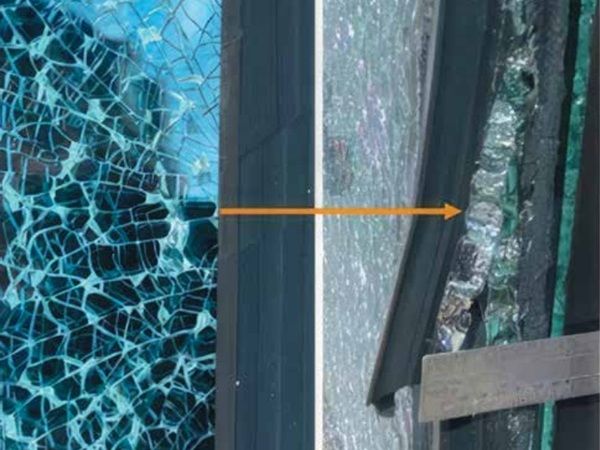
| Part One: Understanding and Identifying NiS Inclusions
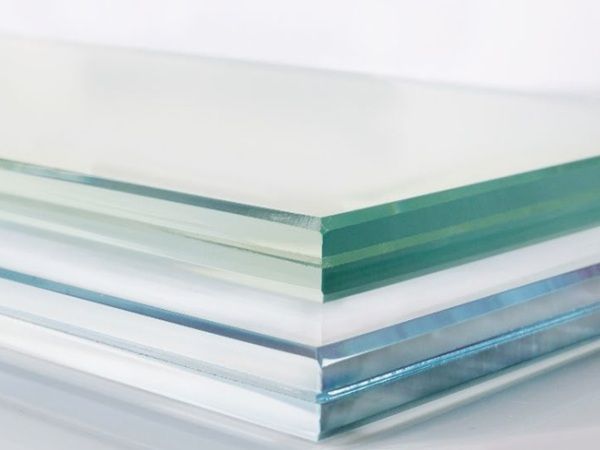
| Advances in interlayer technology are opening new possibilities for laminated safety glass, with improved stiff PVB delivering higher stiffness, enhanced durability and greater design flexibility for modern façade engineering.
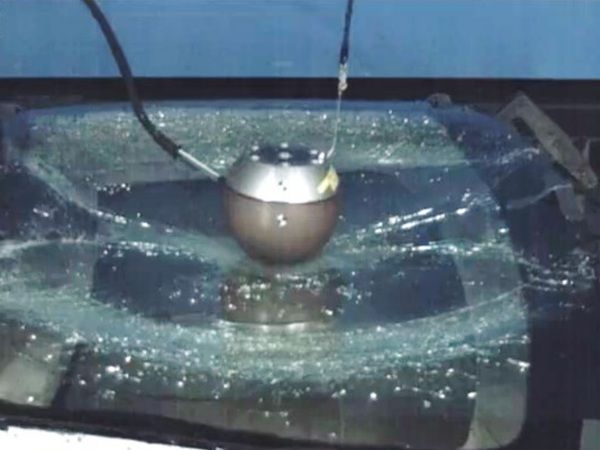
| A First Step to Characterize the Post-fracture Behaviour
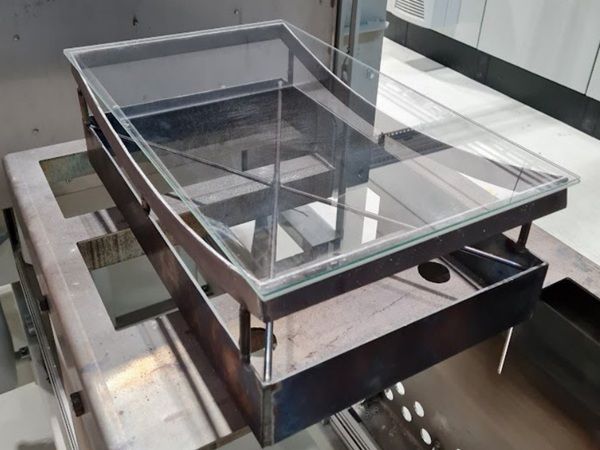
| This paper presents the challenges of combining borosilicate and soda-lime glasses in the windshield solution.

| This paper presents a groundbreaking technological development in the optical quality of tempered glass.

| Ultra-thin center glass is redefining what’s possible for insulating glass units—delivering lighter, thinner, and more energy-efficient glazing solutions for modern buildings.
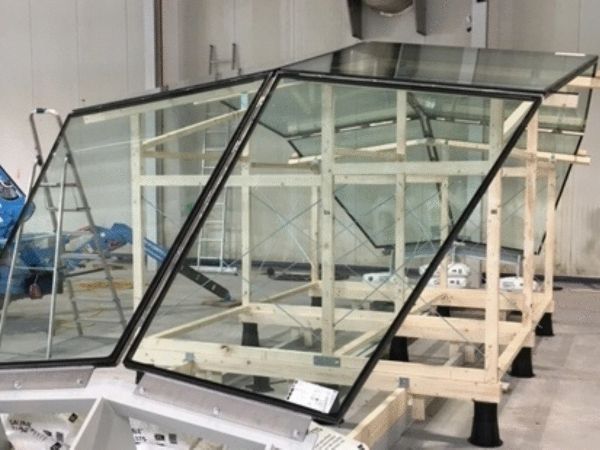
| This research explores how load-bearing glass can move beyond infill applications through an innovative linear metal edge fitting integrated into insulated glazing units.
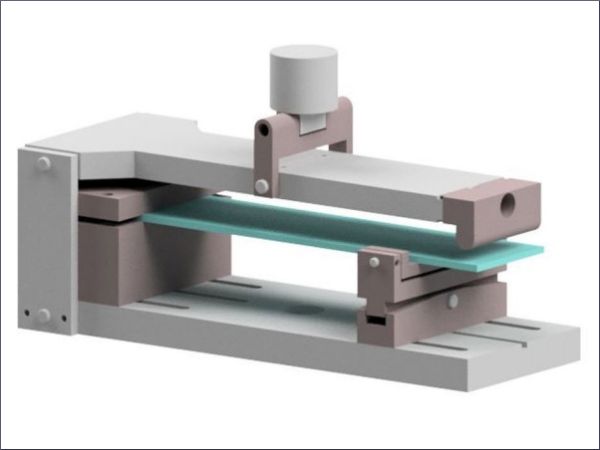
| This study explores how fibre optic sensors can accurately measure strain and temperature in laminated glass systems, revealing how adhesives, temperature, and load conditions influence the mechanical behaviour of PVB and embedded sensors.
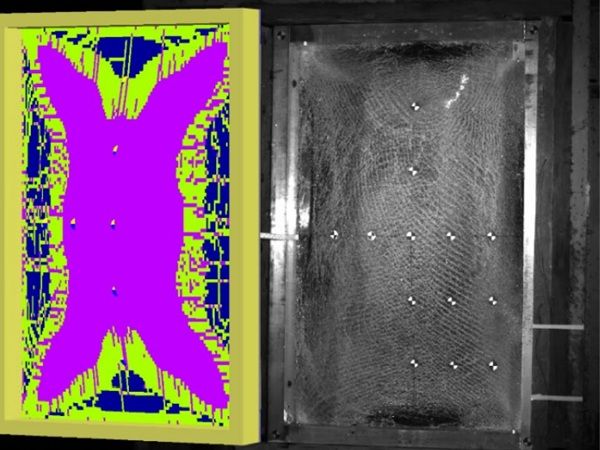
| Understanding how glazing systems behave under blast conditions is essential for designing safer, more resilient façades.

| At Step Change 2025, ReViSalt demonstrated how its innovations are reshaping the future of glass strengthening.
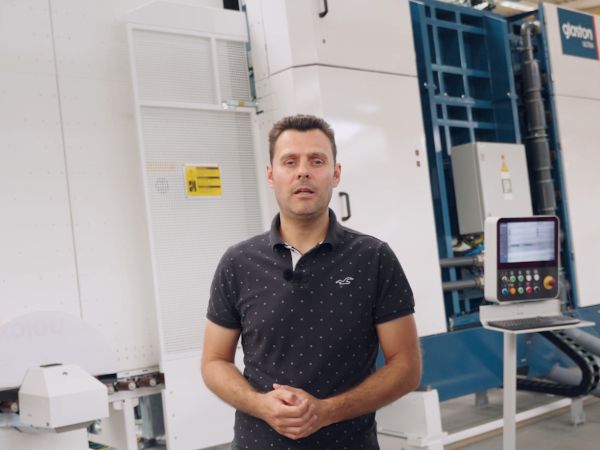
| In this sixth episode, the focus is on how to assemble and gas-fill IG units synchronously.
| The path to low-carbon, high-performance facades depends on mastering the long-term thermal behavior and lifecycle performance of Insulating Glass Units (IGUs).