
Others also read
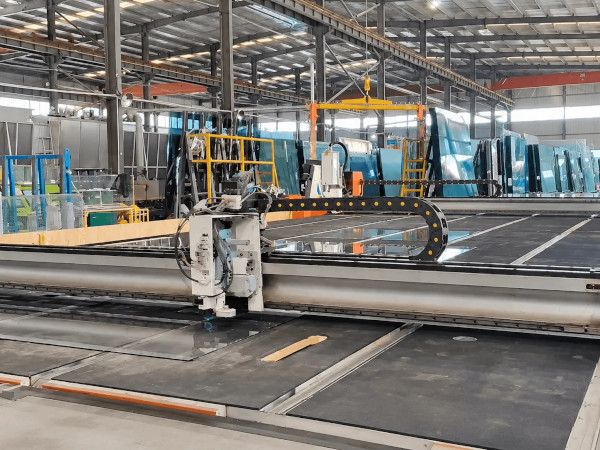
| Discover how float glass is transformed into high-performance architectural glazing through key processing stages, from precision cutting and tempering to lamination and insulated glass assembly.
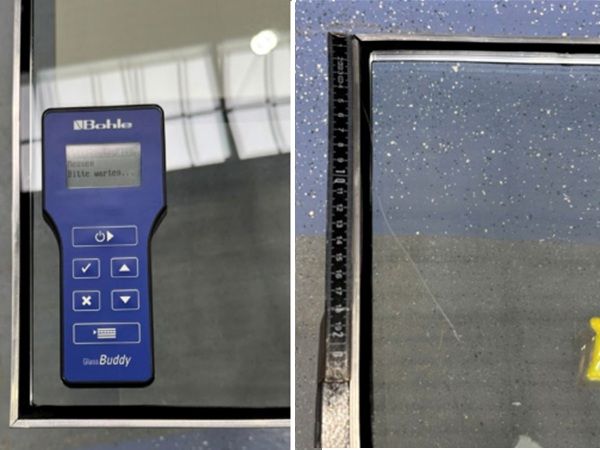
| Germany’s ageing building stock presents a major opportunity to reduce emissions by modernising windows while rethinking how used glazing is reused and recycled.
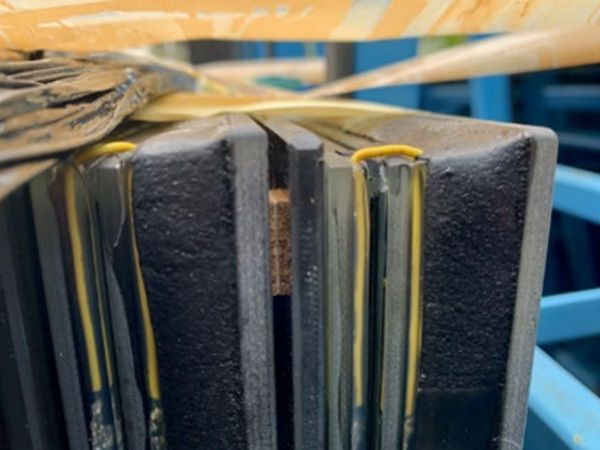
| Ultra-thin glass is opening new possibilities for high-performance insulating glass units, delivering improved energy efficiency, comfort, safety, and reduced weight for next-generation glazing solutions.
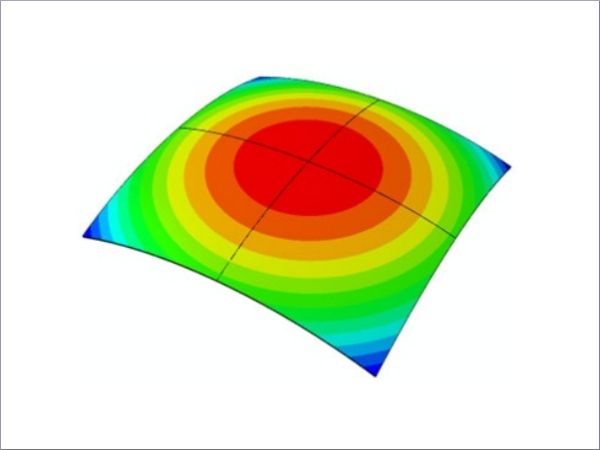
| Discover how Vacuum Insulated Glazing (VIG) is shaping the future of sustainable construction, combining outstanding thermal performance with innovative design solutions for residential, commercial, and heritage buildings.
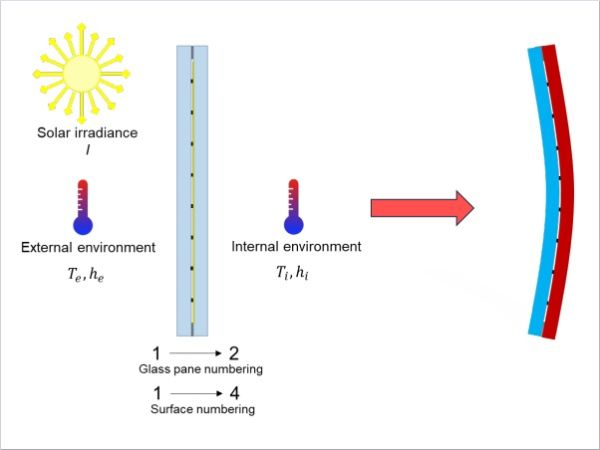
Design of a Test Setup for Experimental Investigation of Temperature Loads on Vacuum Insulated Glass
| A new study explores how Vacuum Insulated Glass (VIG) can support energy-efficient retrofits and new construction projects, while addressing the critical challenge of temperature-induced stress and future design standards.

| Ultra-thin center glass is redefining what’s possible for insulating glass units—delivering lighter, thinner, and more energy-efficient glazing solutions for modern buildings.
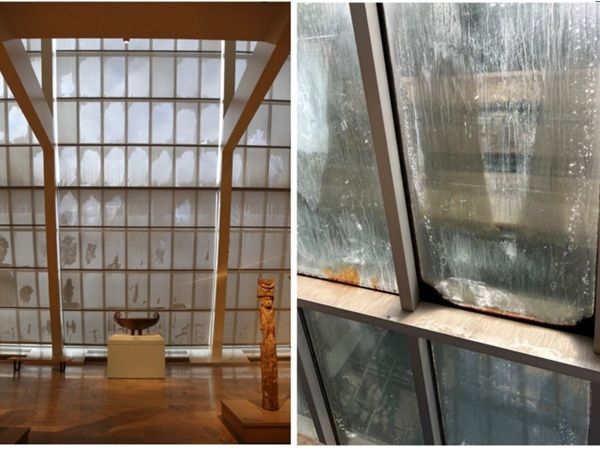
| Designing glazing for museum daylighting requires balancing art conservation, structural performance, and aesthetics—challenges explored through two sensitive glazing replacement case studies at the Metropolitan Museum of Art in New York.
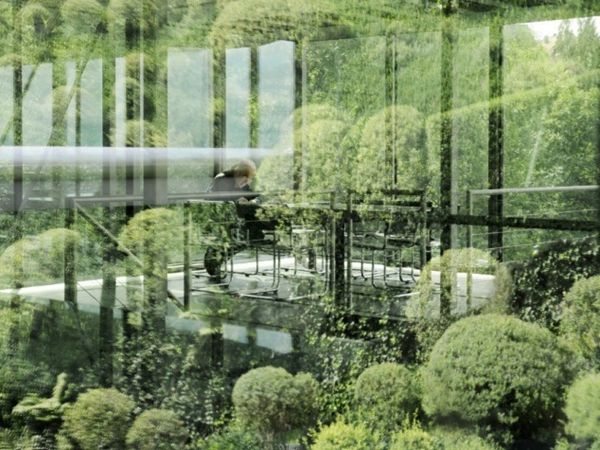
| As the façade industry advances in sustainable glass coatings, it’s time to look beyond energy performance and focus on human-centered design—exploring how light, spectrum, and transmittance impact our wellbeing.
| In this sixth episode, the focus is on how to assemble and gas-fill IG units synchronously.
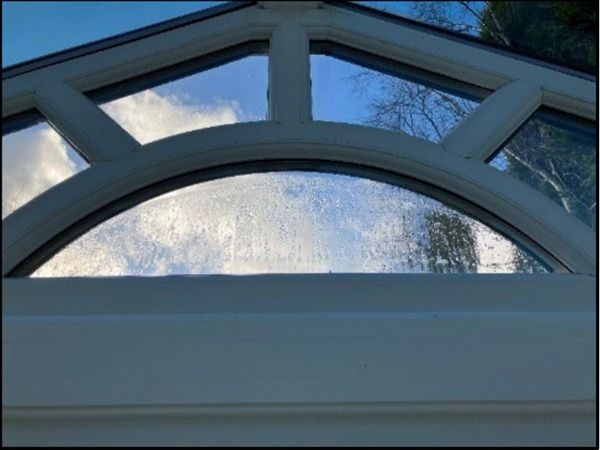
| The path to low-carbon, high-performance facades depends on mastering the long-term thermal behavior and lifecycle performance of Insulating Glass Units (IGUs).
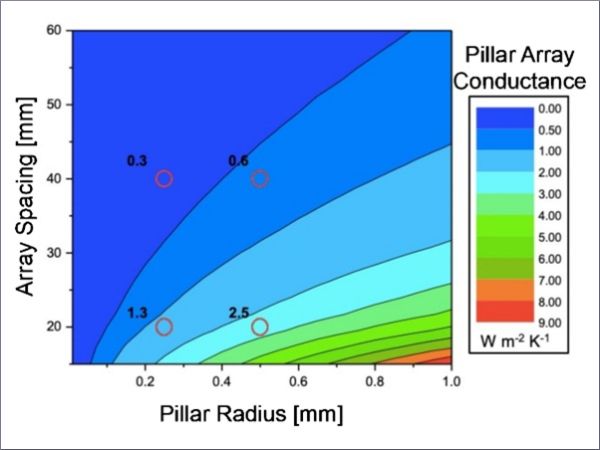
| A new study explores how the size, shape, and material of tiny support pillars in Vacuum Insulated Glass (VIG) impact both its thermal efficiency and mechanical strength — offering analytical tools to optimize VIG design for better performance.
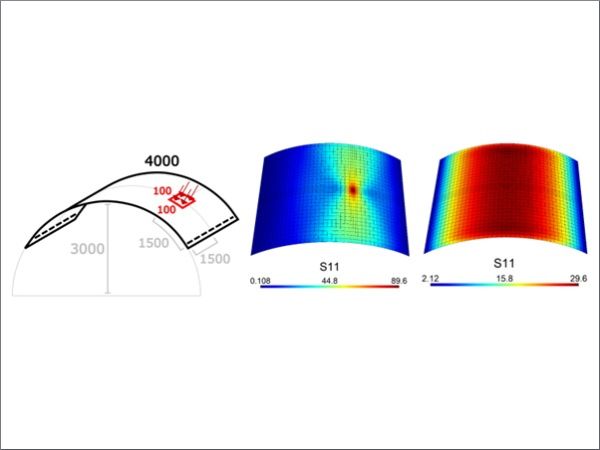
| A new advanced FEM model has been developed to accurately simulate the nonlinear behavior of Insulating Glass Units (IGUs), including curved configurations, offering higher precision and faster computation compared to commercial software.
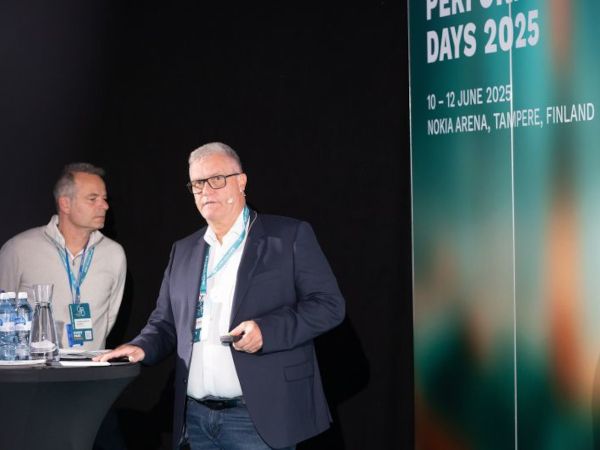
| Discover how TPS® boosts IGU longevity and energy performance in this Glastory blog and download the presentation.
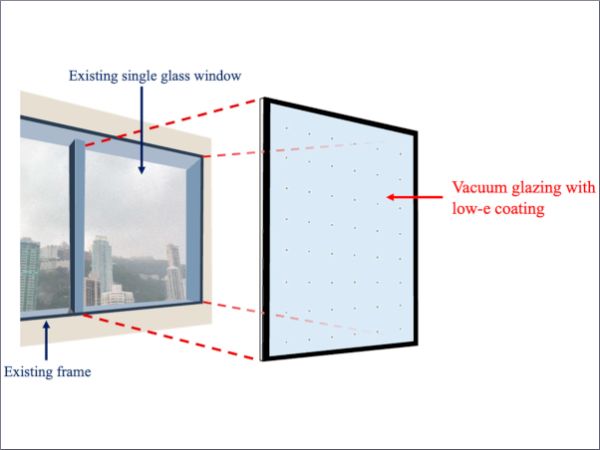
| Retrofitting buildings is key to boosting energy efficiency and climate resilience, especially in dense, subtropical cities like Hong Kong.
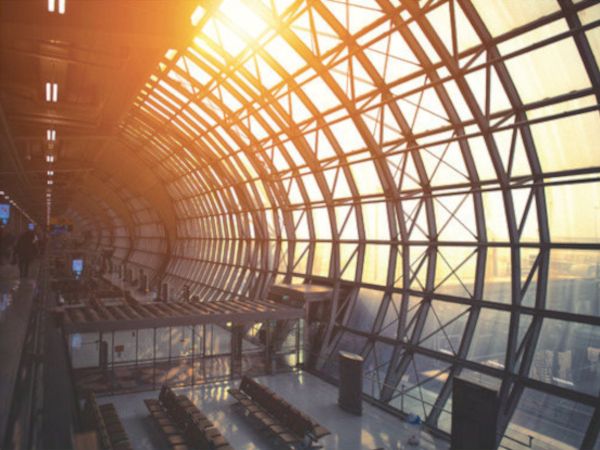
| As modern buildings increasingly use glass for its aesthetic appeal, managing excessive sunlight has become a challenge—this study explores how innovative kinetic façades can optimize indoor daylight while enhancing energy efficiency and comfort.
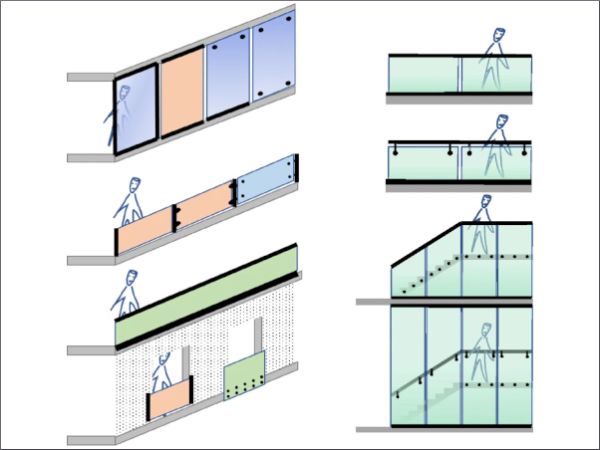
| The German code for the design of glass structures, DIN 18008, was first published in its final version in 2010 and 2013; as several major changes were suggested, the periodical revision took longer than expected.
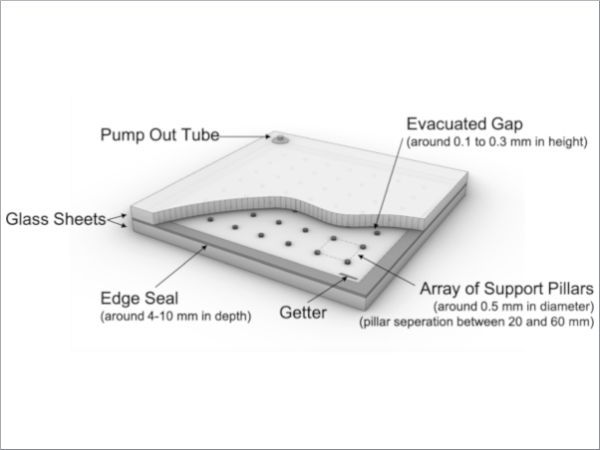
| Vacuum insulating glass (VIG) has demonstrated competitive Ug-values (heat transfer coefficients) which show promise to further reduce energy consumption from buildings.
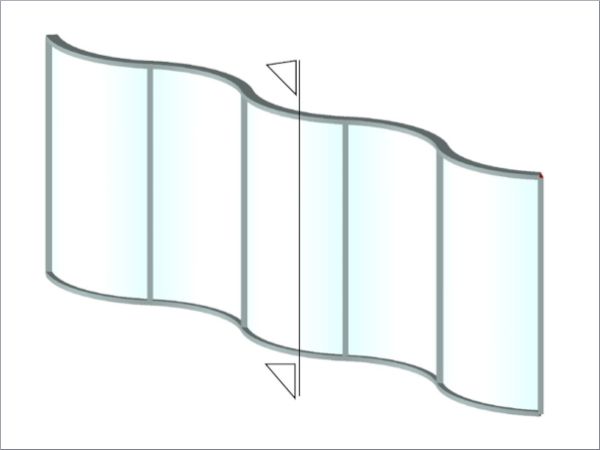
| This paper is a discussion about concepts to minimize the glass thickness as much as possible for a usage of thin glass for insulated glass.
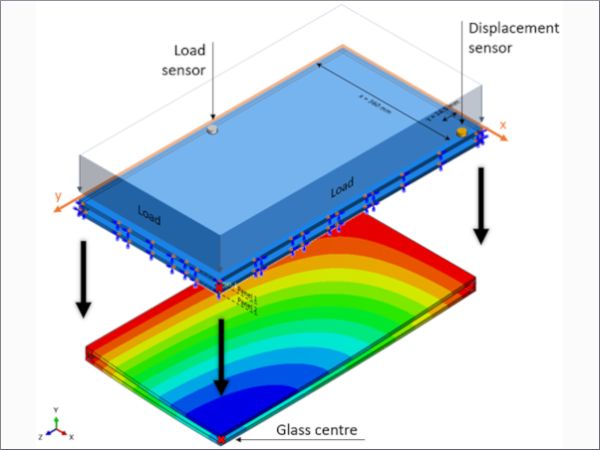
| In this paper, the behaviour of various Insulating Glass Units (IGUs) is examined under the influence of quasi-static uniform wind pressure and weather actions.
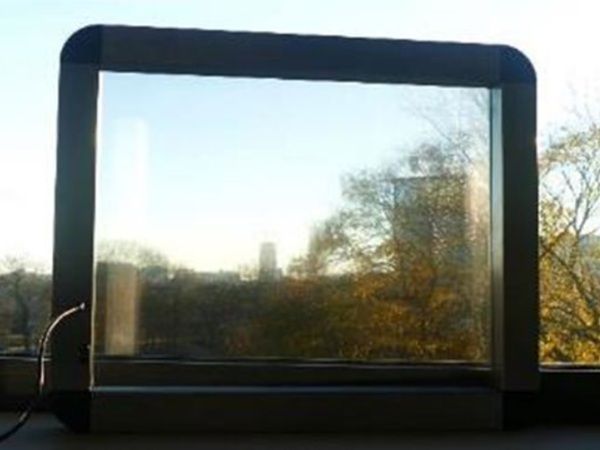
| This study examines the potential benefits of Electrophoretic Light Modulator (ELM) on an Amsterdam office's energy and daylight performance using dynamic simulation of a shoebox perimeter zone model.
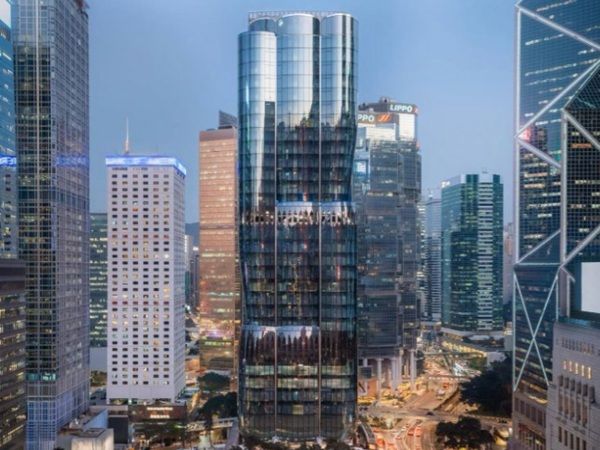
| The organic design and seamlessly reflective surface of “The Henderson” establish it as a landmark in Hong Kong. With its all-glass façade and a height of 210 m, the skyscraper designed by Zaha Hadid Architects offers spectacular panoramic views.
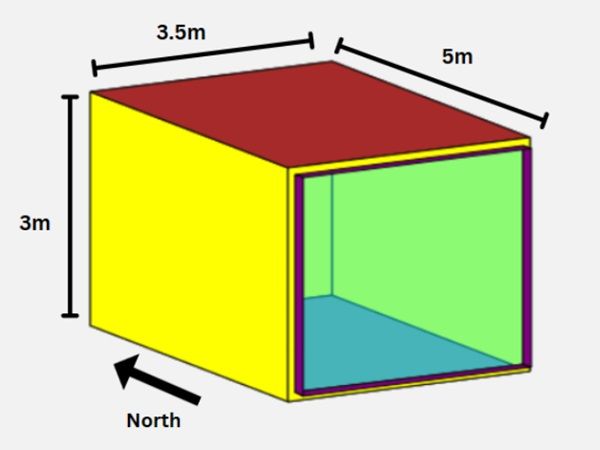
| This paper aims to quantify the savings achieved through the ERM of secondary layer addition to existing glazed facades, for a high WWR office building in cooling and heating dominated climate locations.

| This paper deals with the question of how old insulating glass units can be re manufactured to match the state of the art in terms of the energy efficiency.
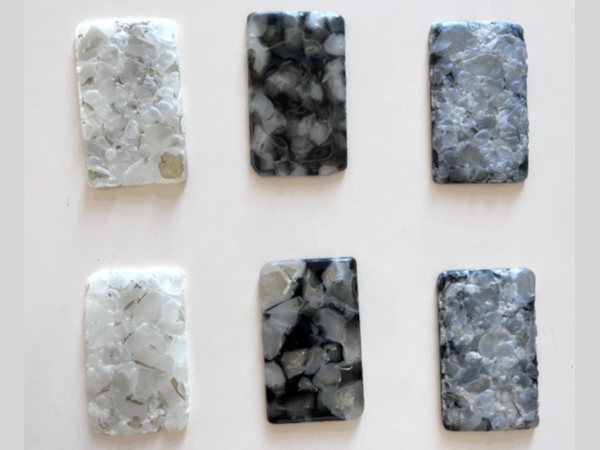
| This research examines the viability of recycling soda lime glass from post-consumer Insulated Glass Units (IGU), mixing various types of architectural glass cullet and fusing them into flat plates by using electric kilns.