
Others also read
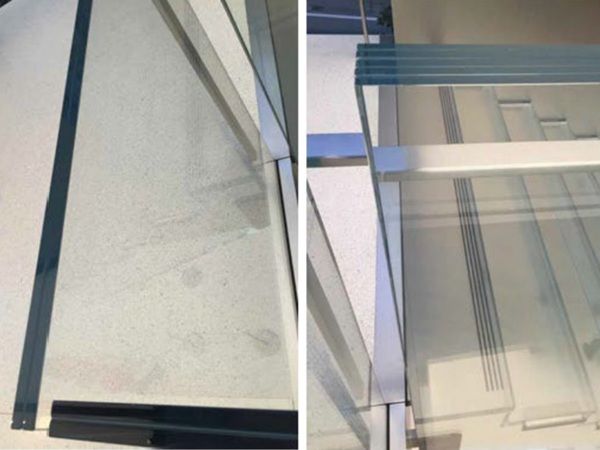
| A more objective approach to coated glass colour could transform how architects and designers select and evaluate architectural façades.
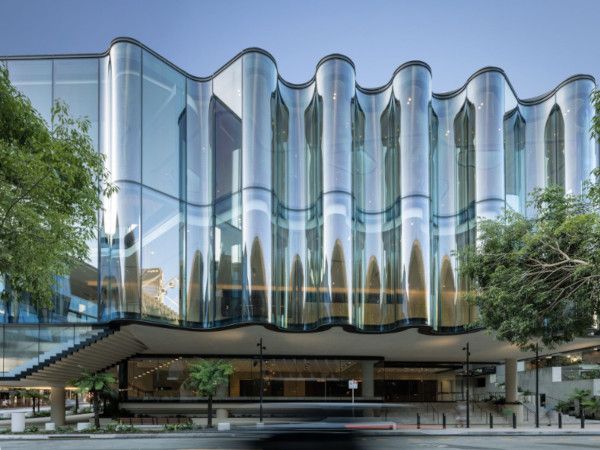
| Discover how advanced engineering, digital design and precision fabrication made it possible to realize the striking free-form glass façade of Brisbane's Glasshouse Theatre.
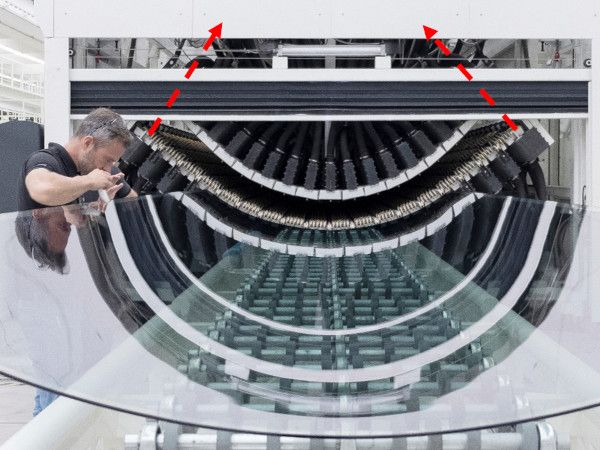
| Pushing the boundaries of architectural glass: a new large-format bending furnace is making faster, more precise production of complex 3D glass shapes a reality.
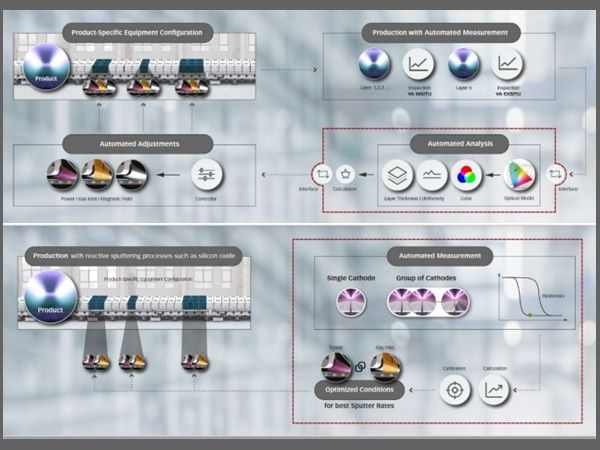
| Discover how digital software solutions are helping glass coating manufacturers reduce carbon emissions, improve production efficiency, and support the journey toward net-zero buildings and vehicles.
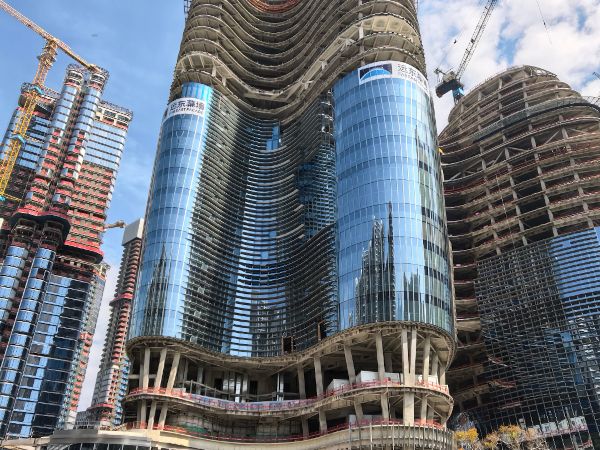
| Aesthetic Expression, Form Freedom, and High-Precision Manufacturing for Next-Generation Building Envelopes
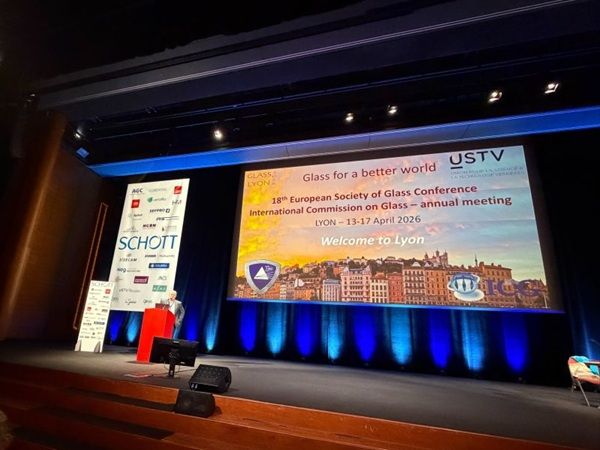
| Glass Lyon 2026 brought together leading researchers and industry experts from 32 countries to explore the latest advances in glass science, technology, and sustainable innovation.
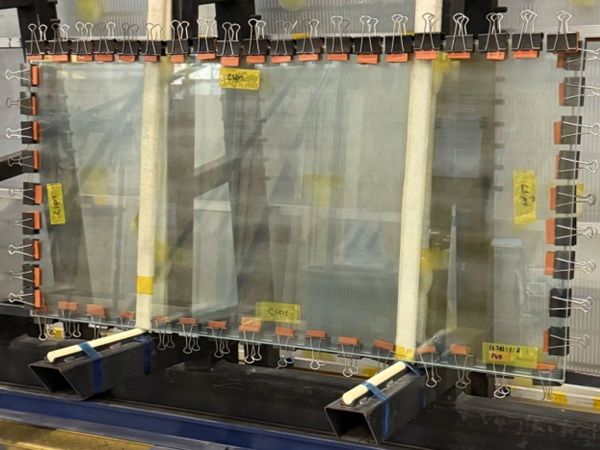
| Visual distortion in architectural glazing has emerged as a critical yet insufficiently regulated factor affecting both functional performance and visual comfort.
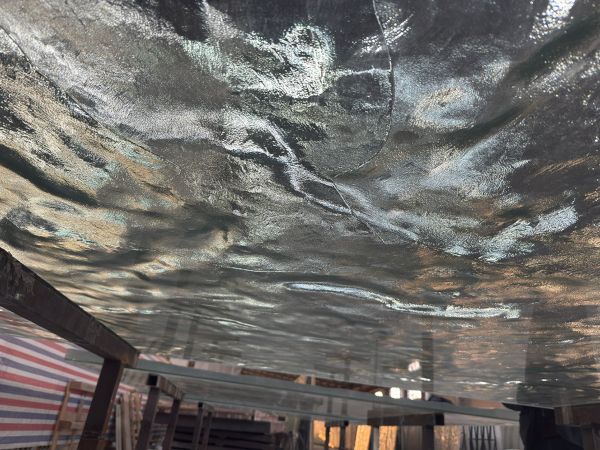
| A Performance-Based Framework for Material Characterisation, Structural Design and Thermal Shock Assessment
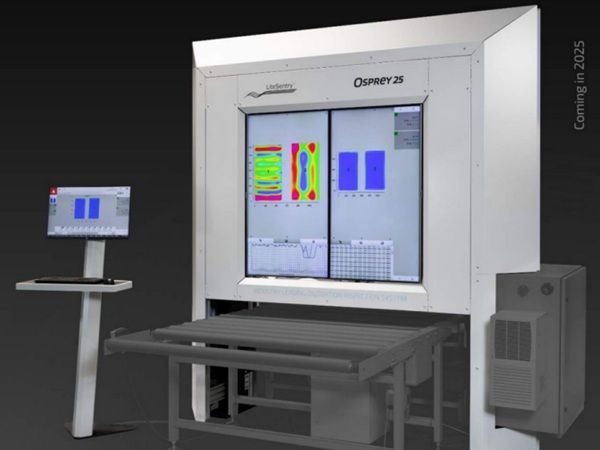
| This presentation explores how advanced measurement and grading methods can improve the objective assessment of optical quality in coated glass after heat treatment, addressing a key gap in current industry standards.
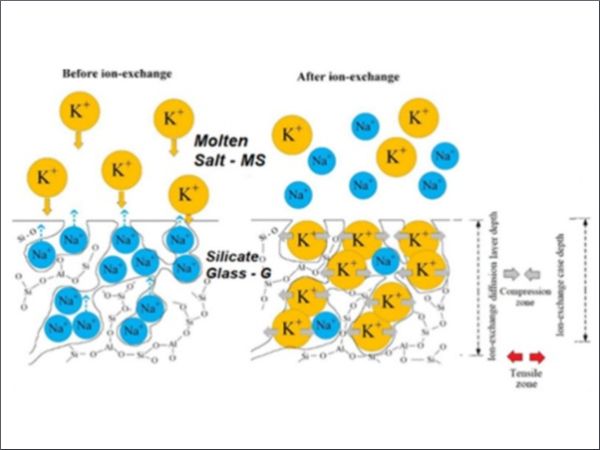
| A new study explores how ion exchange processes and molten salt chemistry influence stress development and strengthening performance in silicate glass.
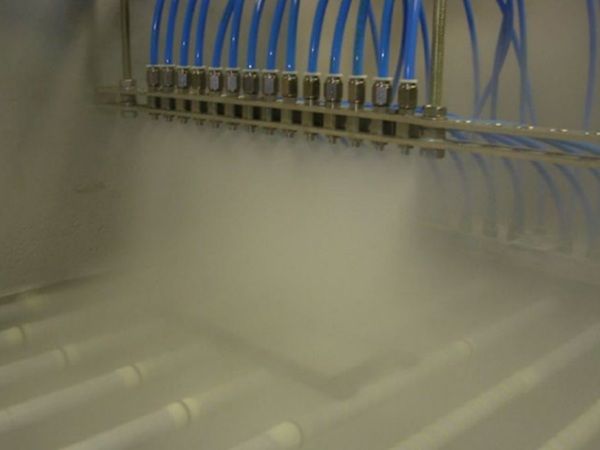
| This paper explores practical solutions to reduce the high energy consumption of air jet quenching in glass tempering, highlighting existing technologies and opportunities for more efficient and sustainable processing.

| This paper presents a groundbreaking technological development in the optical quality of tempered glass.
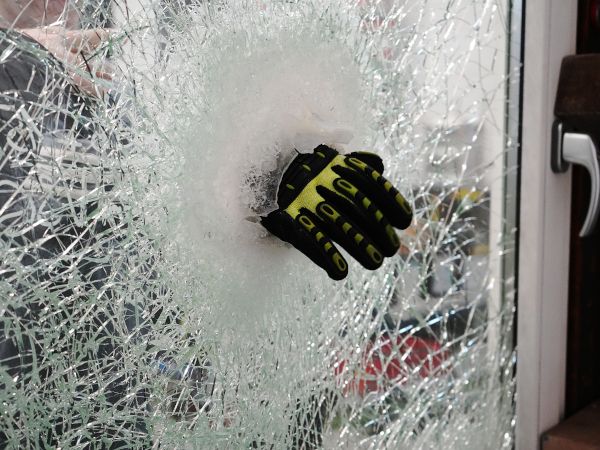
| Toughened glass: requirements on physical security, climate resilience and cyber security are rising
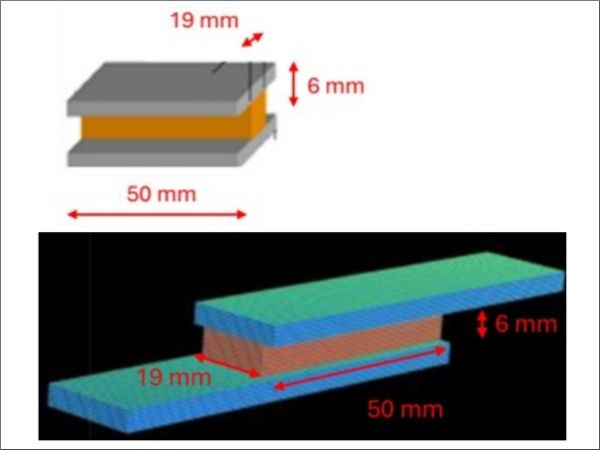
| A new study explores how smarter structural design and adhesive optimization in glass-metal façades can significantly cut embodied carbon while maintaining performance and integrity.
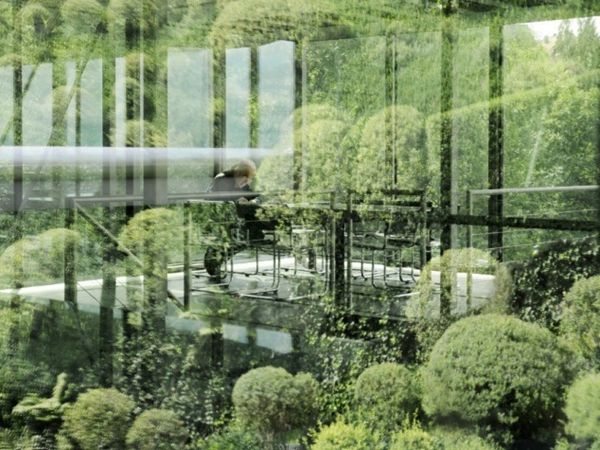
| As the façade industry advances in sustainable glass coatings, it’s time to look beyond energy performance and focus on human-centered design—exploring how light, spectrum, and transmittance impact our wellbeing.
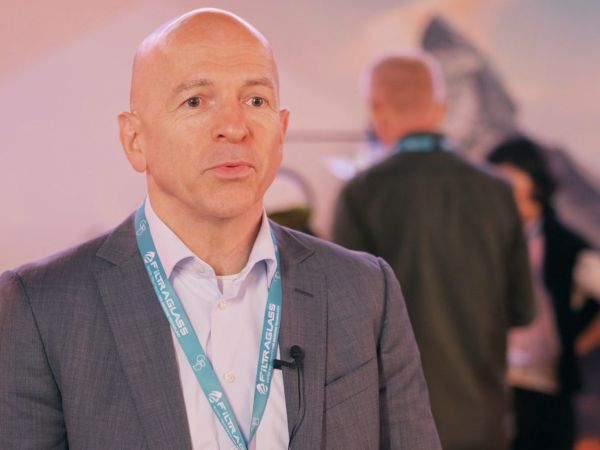
| At Step Change 2025, ReViSalt demonstrated how its innovations are reshaping the future of glass strengthening.

| Spontaneous glass breakage caused by nickel sulfide (NiS) inclusions remains a hidden yet critical challenge in architectural glazing, raising important questions about safety, quality, and prevention in modern glass production.
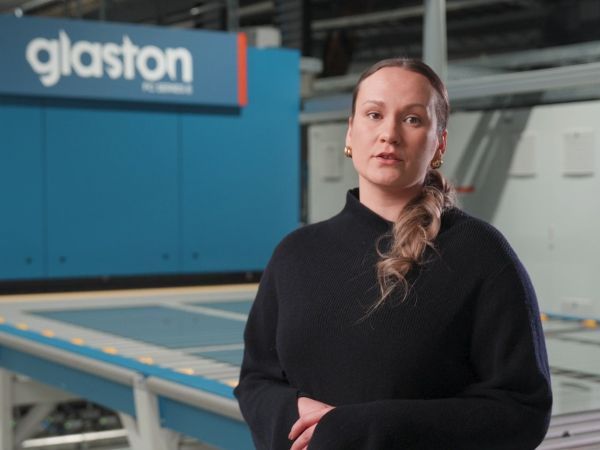
| In this ninth episode of #AskGlaston flat tempering series, we explore how to optimize energy efficiency in the case of short loadings.
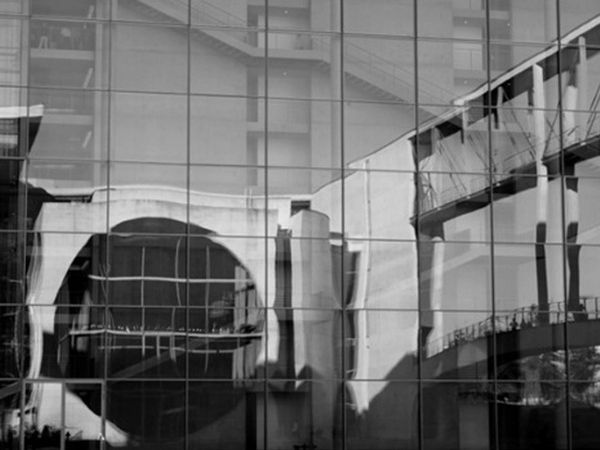
| Viprotron has developed a new technology for the exit of the furnace, that allows the measurement of the distortion of tempered glass with high precision and unparalleled repeatability.
| In this eighth episode, we delve into optimizing energy efficiency in Low-E production.
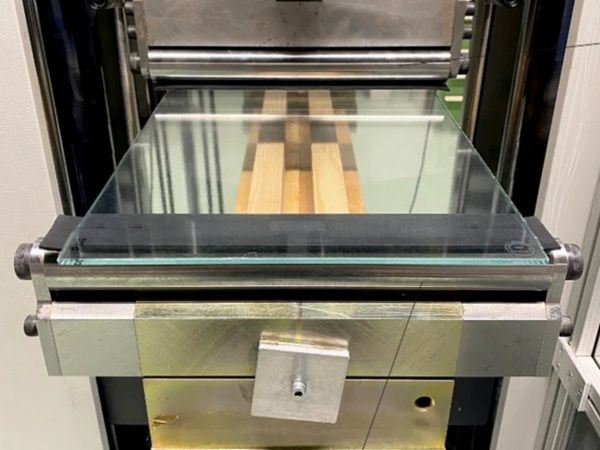
| Thermal stress relief treatment offers a promising solution for enabling the reuse and remanufacturing of end-of-life tempered glass, paving the way for more circular economy practices in the flat glass industry.
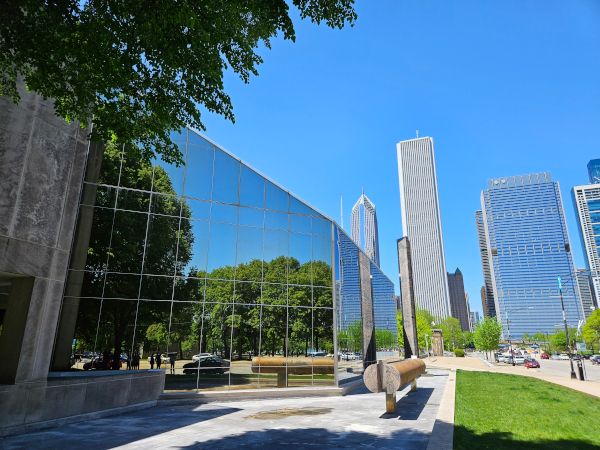
| By Errol Bull, P.E., CSI, an Application Development Leader at Momentive Performance Materials Inc. Member: IIBEC, ASTM C24, ISO TC59/SC8
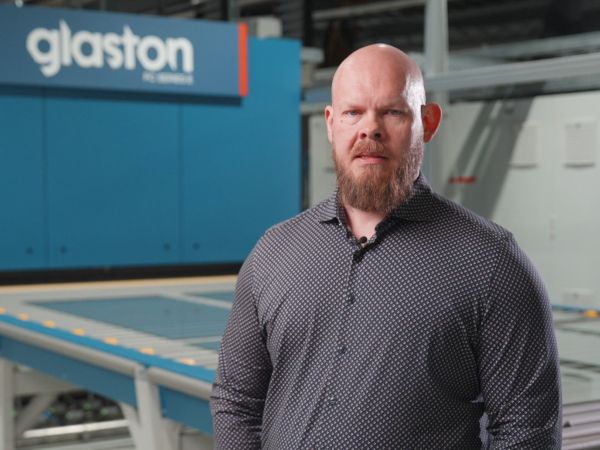
| In the seventh episode of the #AskGlaston flat tempering series, the focus is on the Tempering Autopilot.
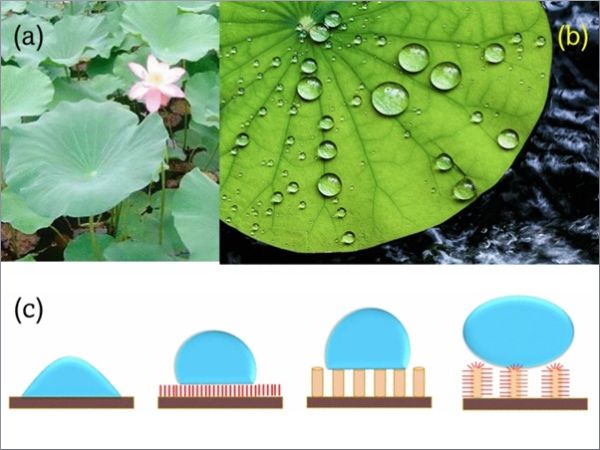
| Self-cleaning surfaces, enabled by advanced material design and additive manufacturing, are opening new possibilities for sustainable and multifunctional technologies.
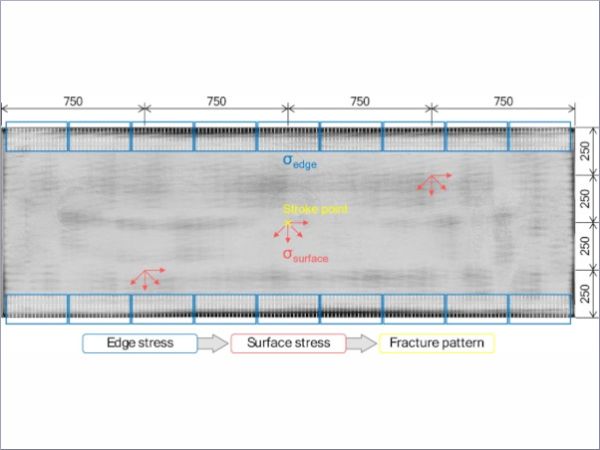
| New research explores how non-destructive photoelastic methods could improve quality control for large-format thermally toughened glass, reducing reliance on costly and time-consuming destructive testing.